A shelf life claim is only as reliable as the testing behind it. Changes in temperature, humidity, or storage conditions can cause products to degrade before their labeled expiration date—leading to quality issues, recalls, or customer complaints.
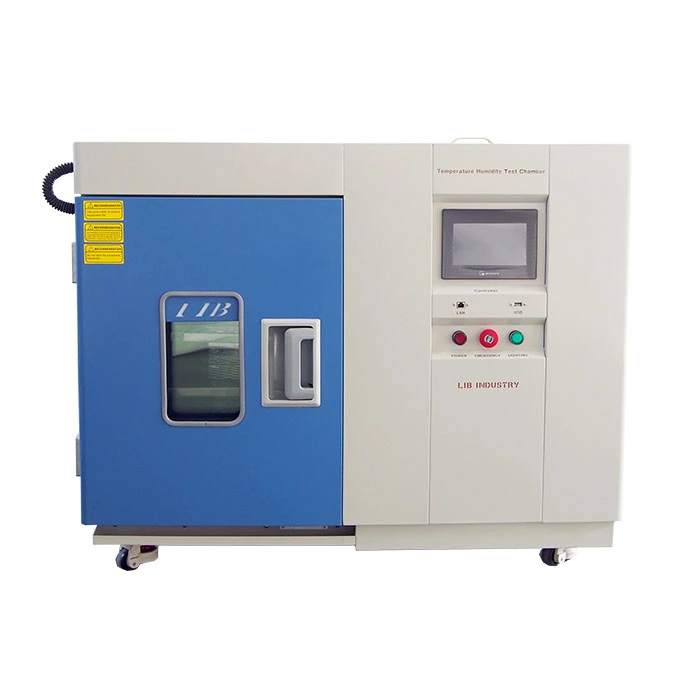
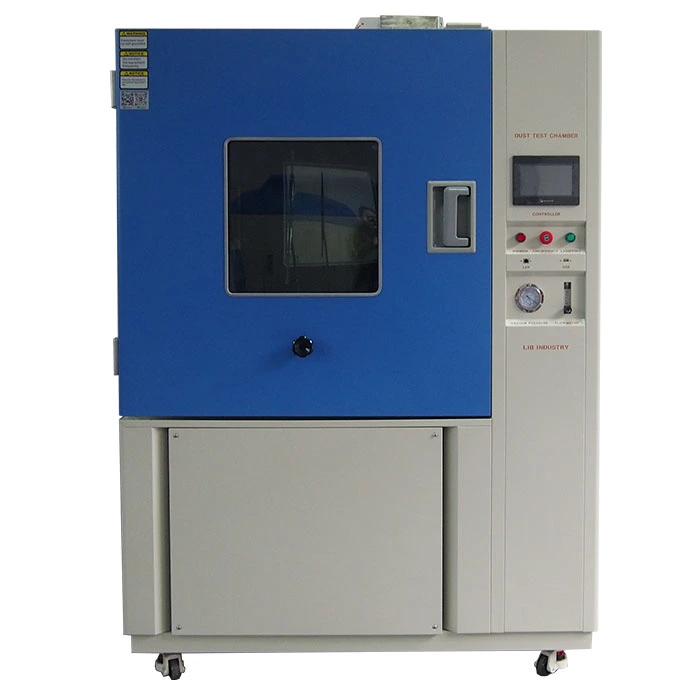
A shelf life test chamber provides controlled environmental conditions to evaluate how products behave over time. By simulating real storage, transportation, and accelerated aging environments, it helps manufacturers make informed decisions about product stability, packaging, and expiration dates.
For industries such as food, pharmaceuticals, cosmetics, and packaging, selecting the right chamber is essential for generating reliable and compliant data.
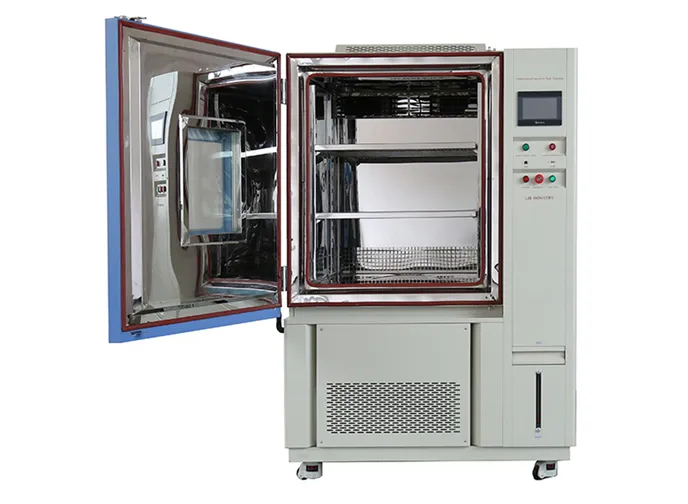
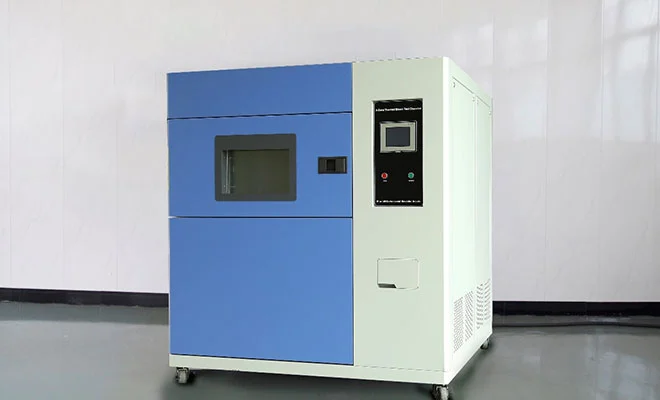
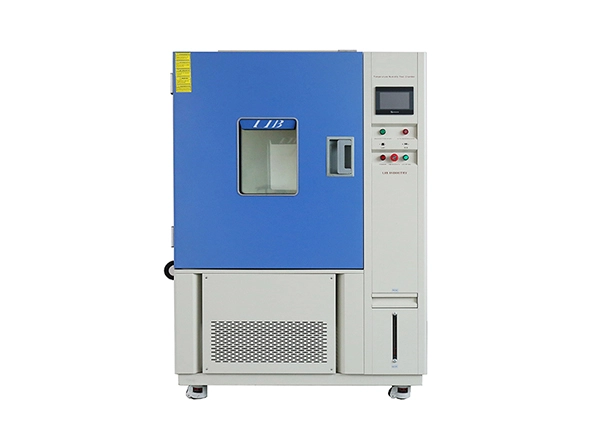
A shelf life test chamber is an environmental testing system designed to control temperature, humidity, and sometimes light to simulate storage and aging conditions.
It is also commonly referred to as:
Stability test chamber
Accelerated shelf life testing chamber
Pharmaceutical stability chamber
Food shelf life testing chamber
Cosmetic stability testing chamber
Real-time shelf life testing under labeled storage conditions
Accelerated aging studies at elevated temperature and humidity
Long-term stability testing for regulatory submissions
Cold chain and refrigerated storage validation
Packaging performance and barrier integrity evaluation
The key requirement is simple:
Maintain stable and uniform conditions across all samples for long durations
|
|
Shelf life studies often run for months or even years. Small deviations in environmental conditions can lead to inaccurate or non-compliant data.
An unreliable chamber can cause:
Temperature or humidity drift
Uneven airflow and hot spots
Data inconsistency across samples
Failed regulatory submissions
Delays in product launch
A high-quality shelf life test chamber ensures:
Consistent and repeatable test conditions
Reliable product stability data
Faster product development cycles
Confidence in shelf life claims
Different products degrade in different ways, including physical, chemical, and microbiological changes. The Accelerated Shelf Life Testing Equipment configuration must reflect these risks.
Shelf life testing focuses on:
Moisture migration and texture changes
Oxidation and rancidity
Flavor and sensory stability
Microbial growth
Typical conditions:
25°C / 60% RH (ambient storage)
30°C / 65% RH (mild climate)
40°C / 75% RH (accelerated testing)
5°C (refrigerated)
-18°C (frozen storage)
Standards such as ISO 16779:2015 support sensory-based shelf life evaluation.
Pharmaceutical stability testing follows strict regulatory guidelines such as ICH Q1A(R2).
Typical conditions:
Long-term: 25°C ± 2°C / 60% RH ± 5% RH
Intermediate: 30°C ± 2°C / 65% RH ± 5% RH
Accelerated: 40°C ± 2°C / 75% RH ± 5% RH
For semi-permeable packaging:
Low humidity conditions (e.g., ≤25% RH) are required to evaluate moisture loss
Cold storage and freezing conditions are also critical for biologics and sensitive formulations.
Cosmetic stability testing evaluates:
Appearance, color, and odor
Viscosity and phase separation
pH stability and microbial resistance
Packaging compatibility
Common test conditions include:
25°C / 60% RH
40°C / 75% RH
High temperature stress (45°C–60°C)
Low temperature (5°C)
Freeze-thaw cycles
Light and UV exposure
Visual inspection without frequent door opening is important to maintain test stability.
Packaging testing focuses on:
Barrier performance
Seal strength and integrity
Material aging and deformation
Standards such as ASTM F1980 are used for accelerated aging of sterile barrier systems.
Uniform airflow and proper sample placement are critical to ensure accurate results.
A shelf life test chamber must not only reach target conditions but maintain them consistently over time.
Temperature: from -20°C (or lower) up to +150°C
Humidity: typically 20% to 98% RH
Low humidity options: down to 10% RH for dry testing
These ranges allow a single chamber to support multiple product categories and testing standards.
For regulated industries such as pharmaceuticals:
Temperature deviation must remain within ±2°C
Humidity deviation must remain within ±5% RH
However, the chamber itself must perform better than these limits to compensate for:
Door openings
Sample load variations
Ambient environmental changes
Uniform conditions across the chamber are essential. Poor airflow can lead to:
Hot or cold spots
Uneven humidity distribution
Inconsistent test results
High-performance shelf life test chambers, such as those from LIB industry, typically achieve:
Temperature uniformity: ±0.5°C
Humidity uniformity: ±2.5% RH
Chamber mapping before critical testing is strongly recommended.
| Name | Temperature Humidity Chamber | ||||
Temperature range | -20℃ ~+150 ℃ | |||||
Low type | A: -40℃ B:-70℃ C -86℃ | |||||
Humidity Range | 20%-98%RH | |||||
Temperature deviation | ± 2.0 ℃ | |||||
Heating rate | 3 ℃ / min | |||||
Cooling rate | 1 ℃ / min | |||||
Controller | Programmable color LCD touch screen controller, Multi-language interface, Ethernet , USB | |||||
Refrigerant | R404A, R23 | |||||
Exterior material | Steel Plate with protective coating | |||||
Interior material | SUS304 stainless steel | |||||
Standard configuration | 1 Cable hole (Φ 50) with plug; 2 shelves | |||||
Timing Function | 0.1~999.9 (S,M,H) settable | |||||
 |
|
|
|
|
| |
| Robust Workroom | Cable Hole | Temperature and Humidity Sensor | PID controller |
The usable test space—not just total volume—determines whether a chamber fits your application.
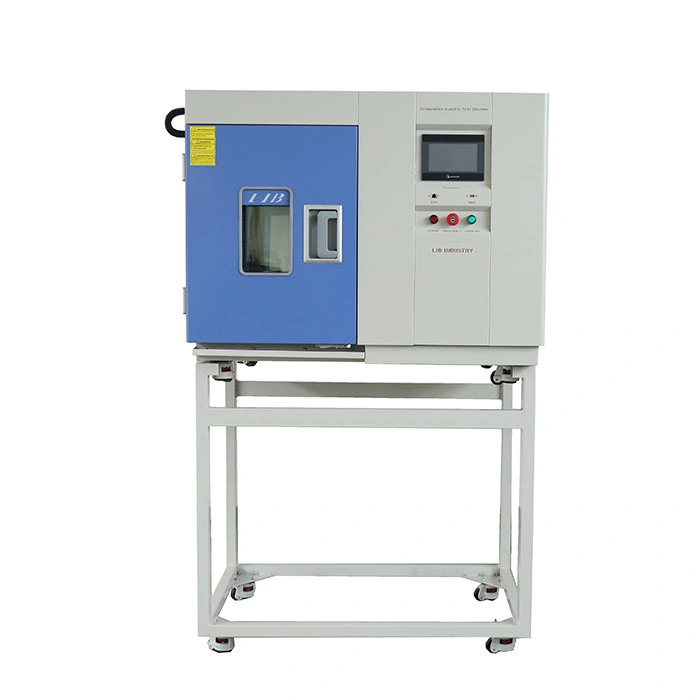
Benchtop Chambers
Ideal for R&D and small sample testing
Space-saving and cost-effective
Medium Chambers
Suitable for routine lab testing and quality control
Support multiple batches and product types
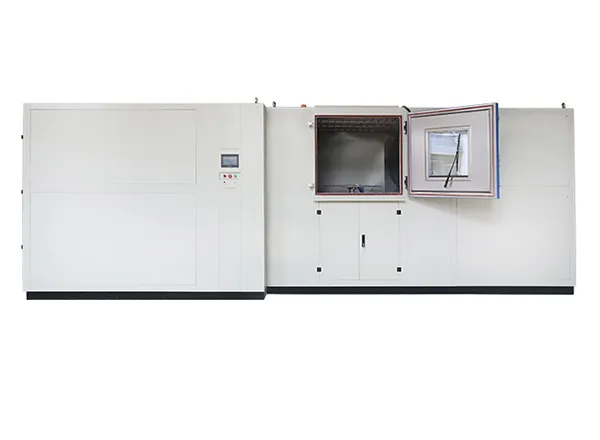
Large or Walk-in Chambers
Designed for bulk products, pallet loads, or large-scale studies
Require optimized airflow design
Do not exceed one-third of usable chamber volume
Ensure sufficient spacing between samples
Avoid blocking airflow paths
Proper loading improves recovery time and maintains uniform conditions.
Both testing methods are essential but serve different purposes.
Conducted under actual storage conditions
Provides the most reliable data for labeling and compliance
Requires longer test duration
Uses elevated stress conditions (e.g., 40°C / 75% RH)
Speeds up product evaluation
Ideal for R&D, formulation comparison, and early decision-making
In most cases, accelerated testing supports development, while real-time testing confirms final shelf life.
Selecting a accelerate shelf lifet test chamber that meets relevant standards is critical.
ICH Q1A(R2) – Pharmaceutical stability testing
ISO 16779 – Food shelf life evaluation
ASTM F1980 – Accelerated aging for packaging
ISO 11607 – Medical packaging validation
IQ/OQ validation support
Calibration and mapping documentation
Data integrity and audit trails
FDA 21 CFR Part 11 compliance (optional)
These features ensure your data is acceptable for regulatory review.
Long-term testing requires reliable data tracking and management.
Continuous temperature and humidity logging
Alarm and event recording
Program step tracking
Batch identification and reporting
Real-time alerts for deviations
Reduced risk of data loss
Improved response to system issues
This is especially important for unattended or long-duration tests.
While standard chambers cover most needs, some applications require customization.
UV and light testing modules
Low humidity control
Custom shelving and sample fixtures
Cable ports for sensors
Observation windows
A reliable supplier should evaluate:
Product characteristics
Packaging type
Heat load from samples
Testing standards and workflows
This ensures the chamber matches real testing conditions.
The performance of a shelf life test chamber depends heavily on the manufacturer’s engineering and support capabilities.
Proven temperature and humidity control technology
Stable airflow design and uniformity performance
Flexible configuration and customization options
Strong technical support and after-sales service
LIB industry provides a full range of environmental test chambers, including:
Benchtop and large-capacity models
Wide temperature and humidity ranges
Multi-program control systems
Custom-designed solutions
With experience across food, pharmaceutical, cosmetic, and packaging industries, LIB industry supports:
Chamber selection and configuration
Installation and training
Validation and calibration
Long-term technical support
A 3-year warranty and lifetime service support ensure reliable operation throughout the testing lifecycle.
Before selecting a shelf life test chamber, consider:
Product type and application
Required temperature and humidity conditions
Applicable testing standards
Accuracy, uniformity, and stability performance
Sample size, volume, and loading method
Data logging and compliance requirements
Validation and calibration support
After-sales service and technical assistance
Choosing the right shelf life test chamber starts with understanding your product and testing goals.
Food products require realistic storage simulations. Pharmaceuticals demand strict regulatory compliance. Cosmetics need multi-condition testing, including temperature cycling and light exposure. Packaging requires reliable aging evaluation.
A well-designed chamber ensures:
Stable and uniform environmental conditions
Accurate and reproducible data
Compliance with international standards
Flexibility for future testing needs
LIB industry delivers integrated environmental testing solutions tailored to your application—from initial consultation to long-term support.
Contact LIB industry today to configure a shelf life test chamber that matches your products, standards, and testing objectives.
 English
 русский
 français
 العربية
 Deutsch
 Español
 한국어
한국어 italiano
 tiếng việt
 ไทย
ไทย Indonesia