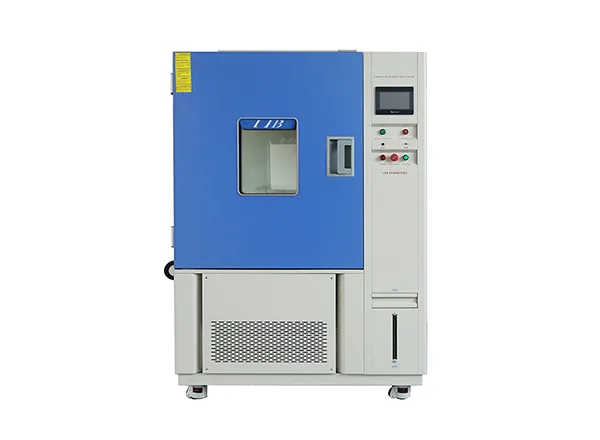
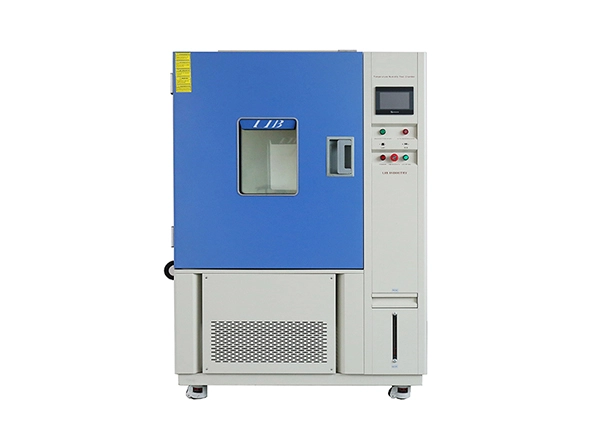
Military equipment operates in some of the harshest environments on earth—from desert battlefields to remote deployment zones. In these conditions, wind-blown sand and fine dust are not just environmental factors—they are serious reliability threats.
Fine particles can penetrate seals, clog air intake systems, and contaminate sensitive electronics. Over time, this leads to:
Increased equipment failure rates
Overheating and reduced cooling efficiency
Signal interference in communication systems
Costly maintenance and unexpected downtime
Without proper validation, even minor dust ingress can escalate into mission-critical failures.
This is why a MIL-STD-810 dust chamber is essential. It allows manufacturers to simulate real-world sand and dust environments in a controlled laboratory setting—identifying weaknesses before deployment.
Sand and dust testing evaluates how equipment performs when exposed to controlled particle environments while operating under real conditions.
These tests assess:
Particle ingress into enclosures, joints, and bearings
Abrasion effects on surfaces and coatings
Degradation of system performance (cooling, mobility, electrical stability)
Seal integrity and filtration efficiency
Typically, equipment is powered on during testing to replicate actual operating conditions. The results determine whether the product can maintain performance after prolonged exposure to sand and dust.
MIL-STD-810 is the globally recognized standard for environmental testing of military equipment. Method 510 specifically addresses sand and dust resistance.
It defines two key procedures:
Blowing dust (Procedure I) focuses on fine particles smaller than 150 microns. These particles are particularly dangerous because they can infiltrate internal components. The test typically uses air velocities between 1.5 and 8.9 m/s, with a dust concentration of 10.7 ± 7 g/m³, and runs for around six hours under low humidity conditions.
Blowing sand (Procedure II), on the other hand, evaluates the impact of larger, high-speed particles. With air velocities reaching up to 29 m/s, this test simulates abrasive conditions such as those experienced by vehicles or aircraft in desert environments. It focuses on mechanical wear, seal integrity, and structural durability.
Dust Settling simulates low-airflow environments such as storage rooms, shelters, or office-type applications. Fine dust particles (< 105 μm) gradually accumulate on surfaces at a rate of approximately 6 g/m²/day. This procedure evaluates long-term contamination, filter efficiency, and thermal performance under passive dust exposure.
Procedure | Particle Size (μm) | Air Velocity (m/s) | Concentration (g/m³) | Notes |
I – Blowing Dust | <150 | 1.5–8.9 | 10.7 ± 7 | Fine desert dust exposure |
II – Blowing Sand | 150–850 | 18–29 | 0.18–2.2 | Abrasive sand impact, seal testing |
III – Dust Settling | <105 | Minimal airflow | 6 g/m²/day | Long-term indoor accumulation |
To accurately reproduce these harsh environments, a MIL-STD-810 Blowing Wind Environmental Test Chamber must combine precision control with robust construction. Modern systems are designed not only to simulate conditions but also to ensure repeatability and reliability across multiple test cycles.
A well-designed chamber typically includes:
Precise control of airflow, temperature, and particle concentration
Automated systems for real-time monitoring and data logging
Dust recirculation mechanisms to maintain stable conditions
Durable materials such as SUS304 stainless steel to resist abrasion
In addition, features like rotating test platforms and vibration systems help ensure uniform exposure and prevent particle clumping, which is critical for consistent results.
In practical applications, blowing sand and dust chambers play a critical role in validating a wide range of military equipment.
For example, military electronics such as communication devices and control systems must operate reliably even when exposed to fine dust. Testing ensures that circuit boards remain protected and that signal transmission is not disrupted.
Vehicle components are also heavily tested. Engine air filters, seals, and suspension systems must withstand continuous sand exposure without performance degradation. Similarly, radar and communication systems require validation to ensure that dust does not interfere with cooling systems or sensor accuracy.
 These tests are essential for equipment deployed in desert regions, where sand and dust are constant environmental challenges.
This is further confirmed by feedback from a customer in the United Arab Emirates. During continuous Blowing Dust and Blowing Sand testing, the LIB MIL-STD-810H Method 510 dust and sand test equipment has demonstrated stable operation throughout all test cycles, with consistent performance across all functions.
The customer also successfully completed Blowing Rain testing using the same system. All test data can be easily exported from the touchscreen interface directly to a USB flash drive, improving data handling efficiency. These real-world results highlight the system’s reliability, ease of operation, and strong suitability for harsh desert environments such as those found in the UAE and surrounding regions.
Choosing the right system directly impacts test accuracy and long-term ROI.
Consider Chamber Size
Ensure proper airflow:
| Evaluate Automation CapabilitiesLook for:
|
Focus on Build QualityKey factors:
| Check Maintenance DesignEfficient systems should offer:
|
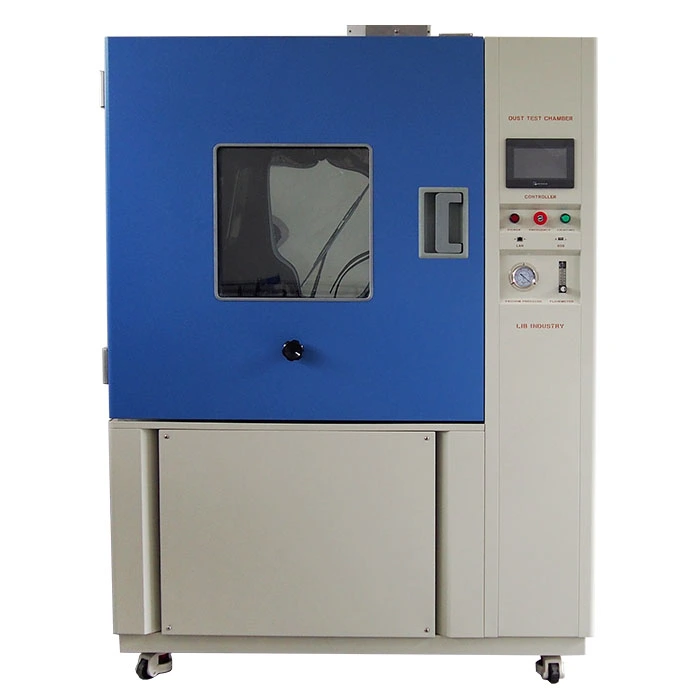
LIB industry provides high-performance dust chambers designed specifically for accurate and repeatable MIL-STD-810 Method 510 testing.
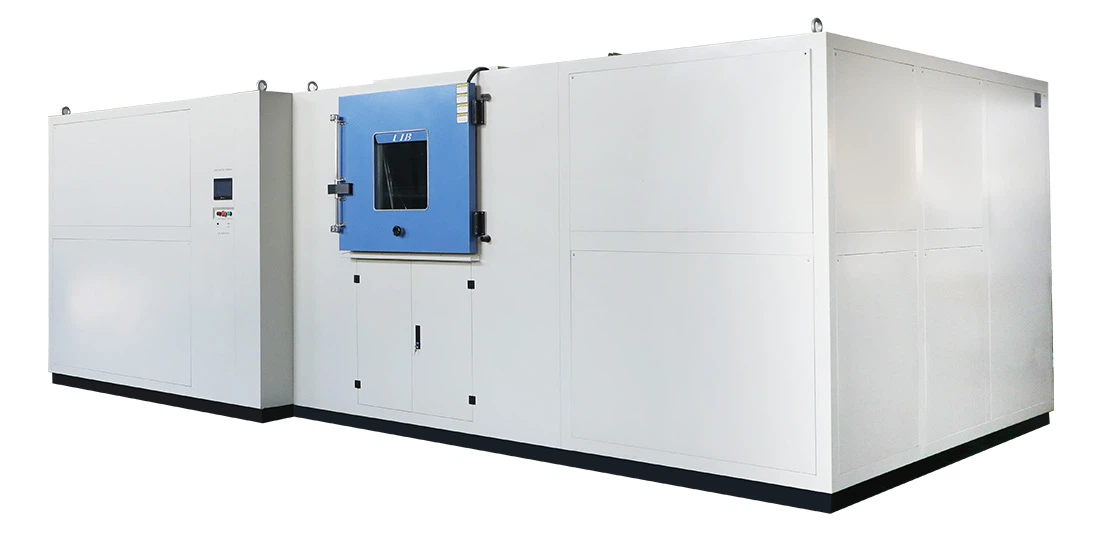 | |
Interior Volume: 1000 L Blowing Dust: Air Velocity: 1.5 – 8.9 m/s Dust Concentration: 10.7 ± 7 g/m³ Dust Particles: <150 μm Blowing Sand: Air Velocity: 18.0 – 29.0 m/s Sand Concentration: 0.18 ± 0.2 g/m³; 1.1 ± 0.3 g/m³; 2.2 ± 0.5 g/m³ Sand Particles: 149 – 600 μm; 600 – 850 μm Controller: Programmable color LCD touch screen controller Door Lock: Electromagnetic lock Testing Platform Diameter: 600 mm Testing Platform Speed: 1 – 7 r.p.m Dust Detector: Integrated dust detector Exterior Material: A3 steel plate with protective coating Interior Material: SUS304 stainless steel Maximum Noise: ≤ 65 dBA |  |
 |  |
| Workroom | Large Centrifugal Fan |
✔ Precise simulation of blowing dust and sand conditions
✔ Air velocity up to 29 m/s for extreme testing
✔ Stable dust concentration control (10.7 ± 7 g/m³ and multi-level sand conditions)
✔ SUS304 stainless steel interior for long-term durability
✔ Advanced programmable controller with real-time monitoring
✔ Efficient dust recirculation system to reduce operating costs
✔ Rotating test platform for uniform exposure
✔ Proven global delivery experience (UAE, Canada, and more)
With over 16 years of experience, LIB industry supports customers worldwide with:
Custom design solutions
Installation and commissioning
Technical training and long-term support
Looking for a reliable MIL-STD-810 dust chamber for your project?
Contact LIB industry today to get:
Customized chamber design
Detailed technical specifications
Expert testing guidance
Talk to our engineers and get a tailored solution for your application.
Choosing the right chamber depends on your product size, required airflow, and testing standards. Small components may only need a bench-top unit, while larger systems such as vehicle parts require walk-in chambers. LIB industry provides customized solutions based on your specific testing requirements.
Yes. A properly designed MIL-STD-810 dust chamber can support both Procedure I (blowing dust) and Procedure II (blowing sand) by adjusting airflow, particle size, and concentration. This flexibility allows you to complete multiple test requirements with a single system.
In real-world conditions, equipment is exposed to multiple environments. Many customers choose to combine sand and dust testing with rain or water ingress testing under MIL-STD-810 standards. LIB industry offers both blowing dust and blowing rain test chambers, helping you achieve comprehensive environmental validation with one supplier.
Yes. LIB industry specializes in customized environmental test solutions, including chamber size, airflow configuration, and control systems. This ensures the equipment matches your exact testing requirements and improves overall testing efficiency.
 English
 русский
 français
 العربية
 Deutsch
 Español
 한국어
한국어 italiano
 tiếng việt
 ไทย
ไทย Indonesia