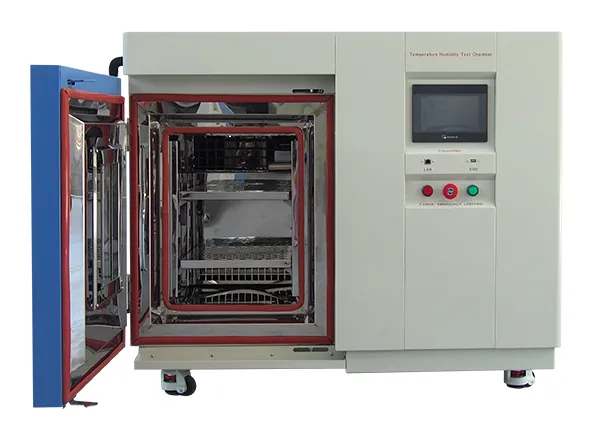
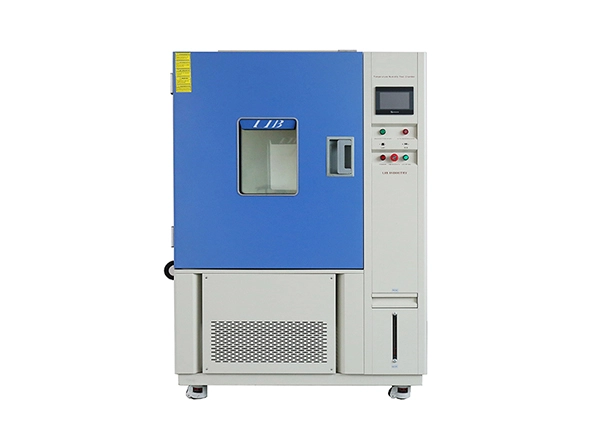
In pharmaceutical research and development, stability testing provides the empirical data required to determine how drug quality varies under environmental influences like temperature and humidity. Historically, laboratories relied heavily on large, walk-in environmental rooms or bulky upright chambers. However, modern pre-formulation screening, early-stage drug discovery, and clinical trial batch testing require an agile, space-optimized workflow.
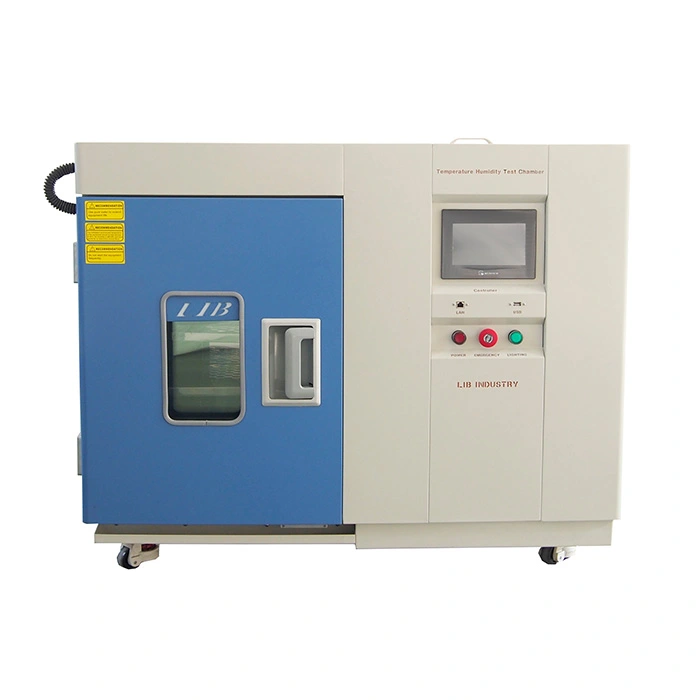
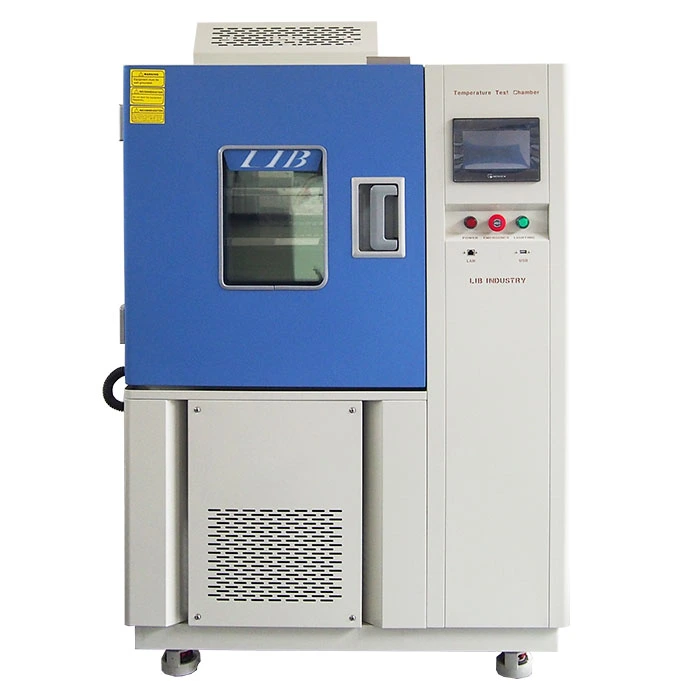
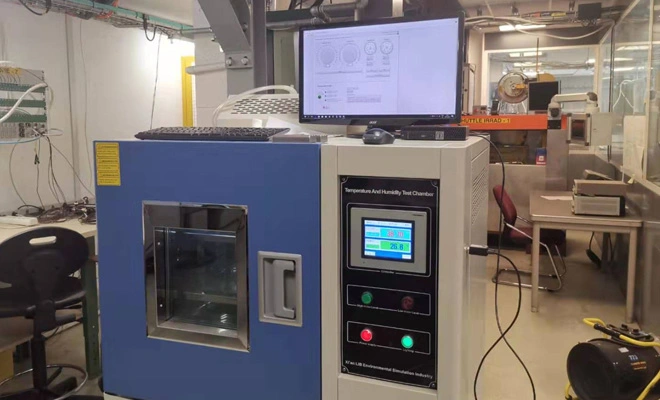
Utilizing massive chambers for small-scale samples can be operationally and financially inefficient. This practical shift has driven the demand for localized, high-precision instruments integrated directly into existing workspaces. Investing in a specialized benchtop stability chamber—such as the TH-50 or TH-80 models developed by LIB industry—provides pharmaceutical research facilities with a compliant, precise, and adaptable solution to manage testing protocols right on the laboratory workbench.
| benchtop environmental chamber mini temperature humidity chambers Mini Temperature Humidity Environmental Control Chambers | |||||
 Pharmaceutical R&D facilities operate under strict spatial and financial constraints. Cleanroom real estate is expensive to maintain, yet regulatory demands for absolute environmental uniformity cannot be compromised. During initial formulation testing, researchers typically handle small sample sizes across diverse experimental matrices. Placing a few dozen vials into a massive reach-in chamber wastes significant space and utility power.
Beyond spatial inefficiencies, relying solely on a single centralized, large-scale chamber introduces a practical operational risk: a single point of failure. If a large chamber malfunctions, every ongoing stability study within that facility is jeopardized simultaneously, risking costly delays in regulatory timelines.
Integrating compact chambers like the LIB industry TH-50 (50-liter capacity) or TH-80 (80-liter capacity) enables a practical risk-diversification strategy. Running parallel studies across multiple standalone benchtop units allows labs to segregate drug batches and climatic conditions, optimizing workspace economics while safeguarding invaluable compounds from collective data loss.
Stability testing in the pharmaceutical sector is governed by clear regulatory requirements. Equipment must align with the International Council for Harmonisation (ICH) Q1A (R2) guidelines, which dictate specific climatic zones and tolerances that equipment must maintain continuously for months without deviation:
Long-Term Testing: 25°C ± 2°C / 60% ± 5% RH, or 30°C ± 2°C / 65% ± 5% RH
Intermediate Testing: 30°C ± 2°C / 65% ± 5% RH
Accelerated Testing: 40°C ± 2°C / 75% ± 5% RH
Maintaining these physical parameters within narrow tolerances is standard for compliance, but data integrity is equally critical. To satisfy FDA 21 CFR Part 11 regulations, the TH-50 and TH-80 feature integrated electronic data logging architectures. These systems generate unalterable, encrypted audit trails tracking temperature variance, humidity fluctuation, door openings, and setpoint modifications by user identity. This ensures that during regulatory reviews, the generated stability data remains transparent and fully traceable.
Achieving stable tolerances within a compact footprint requires sound thermodynamic design. Industrial-grade micro stability chambers utilize standard Proportional-Integral-Derivative (PID) controllers combined with balanced, forced-air convection networks to eliminate internal microclimates or thermal stratification.
The internal architecture designed by LIB industry for the TH-50 and TH-80 ensures that regardless of shelf placement, every vial or blister pack experiences uniform environmental stress.
|
| ||||
| Model | TH-50 | TH-80 | |||
| Internal dimension (mm) | 320x350x450 | 400x400x500 | |||
| Overall dimension (mm) | 800x1050x950 | 900×1100×1000 | |||
| Temperature range | -86 ℃ ~+150 ℃ | ||||
| Temperature fluctuations | ± 0.5 ℃ | ||||
| Humidity Range | 10%/20%~95 % | ||||
| Temperature deviation | ± 2.0 ℃ | ||||
| Temperature Sensor | PTR Platinum Resistance PT100Ω/MV A-class | ||||
| Temperature Resolution | ± 0.001 ℃ | ||||
| Exterior Material | Steel Plate with A protective coating | ||||
| Interior Material | SUS 304 stainless steel | ||||
By leveraging premium, non-drifting capacitive humidity sensors and reliable compressors, these units prevent relative humidity drift during continuous 6-month or 12-month testing cycles.
Operating a tabletop stability chamber yields immediate utility advantages over larger configurations. Industrial walk-in rooms require extensive infrastructure, including dedicated high-voltage lines and continuous demineralized water purification feeds. Conversely, the TH-50 and TH-80 models from LIB industry are self-contained instruments designed to plug directly into standard laboratory electrical outlets, minimizing infrastructure footprints.
Furthermore, the risk mitigation features built into these compact chambers are highly redundant to ensure asset safety:
Independent Over-Temperature Protection: A secondary mechanical thermostat automatically cuts off heating elements if the primary controller encounters an error, preventing accidental thermal degradation of samples.
Water Level Monitoring: Automated sensors alert personnel if the humidity reservoir requires a refill, preventing dry-heating errors.
Remote Alarm Connectivity: Integrated interfaces allow connection to broader laboratory Building Management Systems (BMS), ensuring real-time notifications via email or SMS if parameters drift outside permitted limits.
Selecting a benchtop stability chamber is a decision that directly influences product development timelines and operational costs. The compact design of the TH-50 and TH-80 demonstrates that environmental equipment does not need to be physically massive to deliver the required precision and total ICH compliance.
In the pharmaceutical sector, hardware represents only part of the long-term investment. Because stability studies run continuously for months without interruption, the technical support infrastructure and warranty protection backing the equipment are vital to maintaining operational uptime, data security, and total peace of mind throughout the entire lifecycle of your drug development programs.
Both models utilize high-grade PT100 temperature sensors and advanced electronic capacitive humidity sensors with low drift over extended operational windows. Coupled with continuous auto-tuning PID control algorithms, the chambers dynamically compensate for ambient laboratory fluctuations, ensuring parameters remain locked to your specific setpoints throughout long-term ICH stability protocols.
Yes. LIB industry provides full Installation Qualification (IQ), Operational Qualification (OQ), and Performance Qualification (PQ) documentation packages for both the TH-50 and TH-80 models, supporting GMP, FDA, and ICH compliance requirements during equipment validation.
LIB industry provides a 3-year warranty covering manufacturing defects and core components. Beyond the warranty period, customers receive lifetime technical support, including remote diagnostics, troubleshooting assistance, spare parts supply, and maintenance guidance to ensure uninterrupted operation of critical stability testing programs.
 English
 русский
 français
 العربية
 Deutsch
 Español
 한국어
한국어 italiano
 tiếng việt
 ไทย
ไทย Indonesia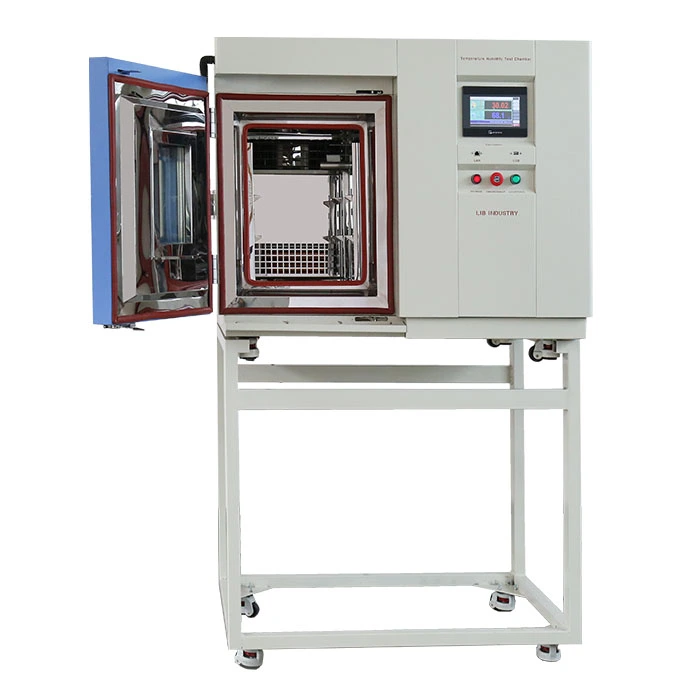


_20260904145420.webp "Thermal Stability Test Apparatus for Cable & Polymer Insulation")