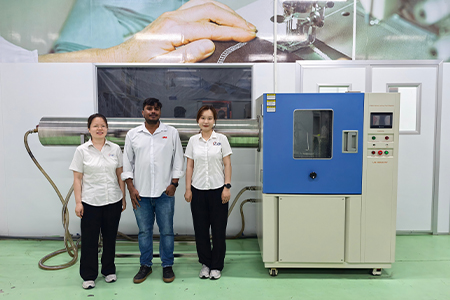
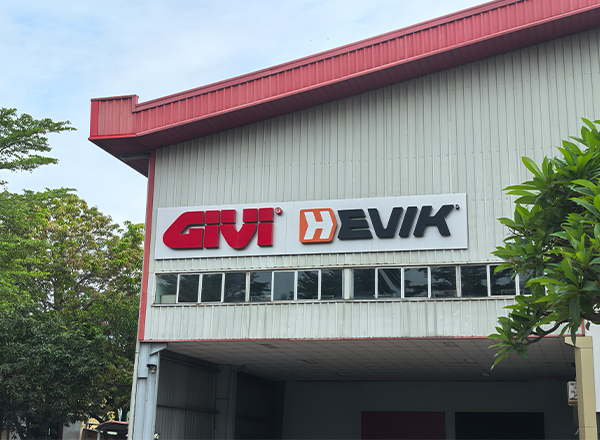
 In early June 2026, a senior after-sales engineer from LIB (Xi'an LIB Environmental Simulation Industry) arrived at the Vietnam production base of GIVI, the world-renowned motorcycle equipment manufacturer, equipped with professional calibration kits.
As a global giant in motorcycle cases, helmets, and protective gear, GIVI enforces meticulous international standards for product weatherability and water resistance. During long-distance rides, motorcycle accessories must withstand both scorching tropical sunlight and sudden heavy downpours.
To ensure every product leaving the factory remains flawless under extreme conditions, GIVI's laboratory integrated LIB’s core environmental test chambers.This cross-border visit went beyond routine technical support; it was an in-depth exchange centered on "precision testing" and "lifecycle reliability assurance."
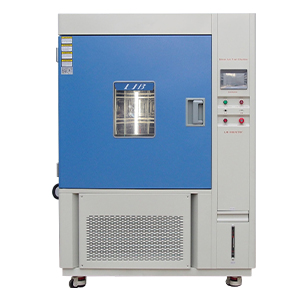
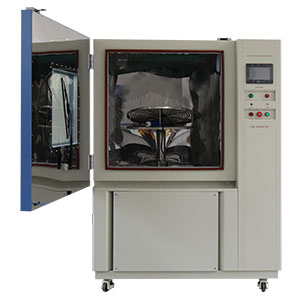
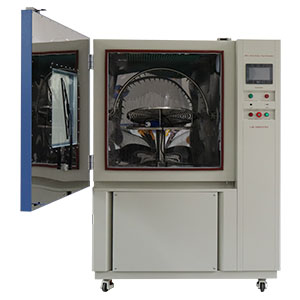
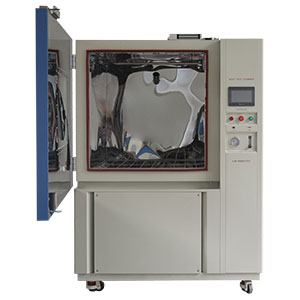
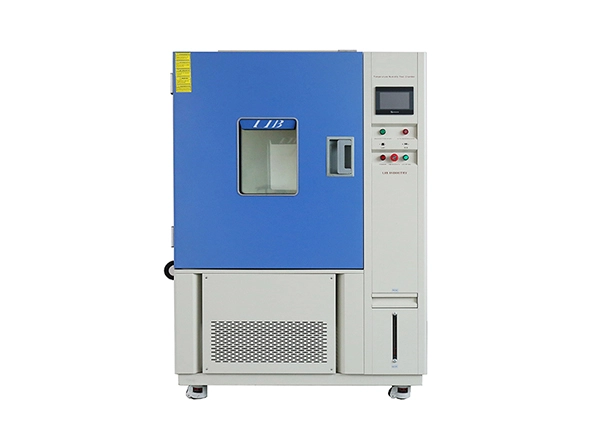
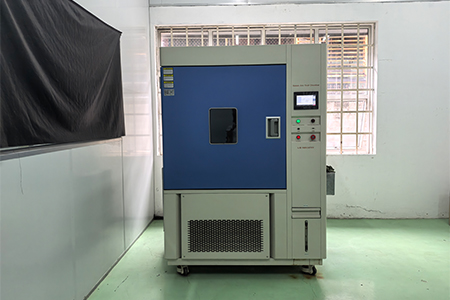 Inside GIVI’s materials laboratory, the XL-S-750 Xenon Arc Test Chamber operates continuously. Plastic shells of motorcycle top cases, reflective coatings, and protective fabric materials all undergo accelerated aging tests here to simulate years of intensive outdoor solar exposure.
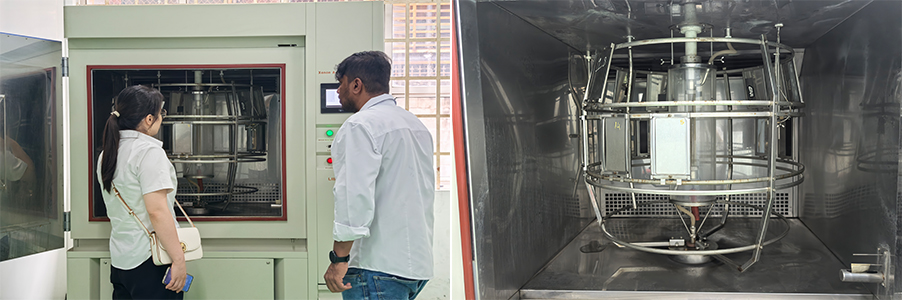
In light-aging tests, even a minor spectral deviation can lead to distorted results. Upon arrival, the LIB engineer conducted a comprehensive irradiance and spectrum calibration on the core components—the xenon lamp source and filter systems.
The testing and calibration strictly adhere to ISO 4892-2 and ASTM G155. Using a high-precision radiometer, the engineer verified that the irradiance output at 340 nm or 420 nm remains uniform, and that the filters filter out unwanted wavelengths properly, perfectly reproducing the ultraviolet, visible, and infrared spectra of natural sunlight.
Black Panel Temperature (BPT) and Black Standard Temperature (BST) were tested for cyclic stability. Within the 750L test enclosure, micro-adjustments for airflow and relative humidity were refined. Coupled with a thorough inspection of the water spray and condensation systems, the chamber can seamlessly transition between "sunlight exposure, dark cycles, condensation, and rainfall."
Through this optimization, GIVI’s R&D team secures highly reproducible test data that fully complies with international market access standards, eliminating the risk of material misjudgment caused by hardware drift.
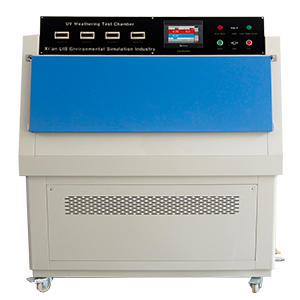
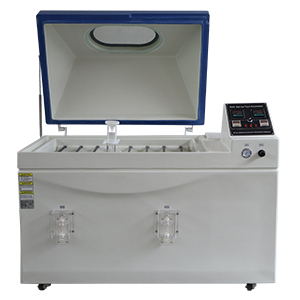
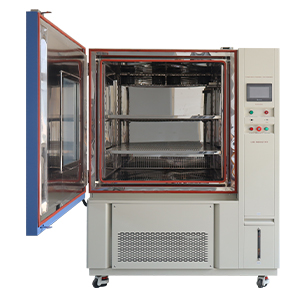
Chamber | Key Capability | Typical Standard |
| UV-driven polymer degradation, fading, cracking | ASTM G154 |
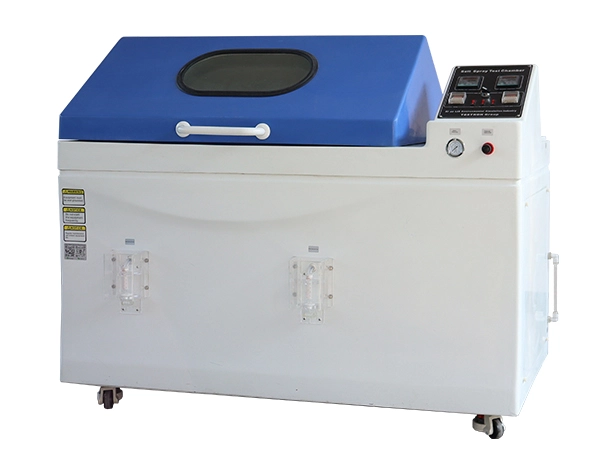
| Corrosion resistance in salt-laden environments | ASTM B117 / ISO 9227 |
| Full-spectrum sunlight simulation | ISO 4892-2 / ASTM G155 |
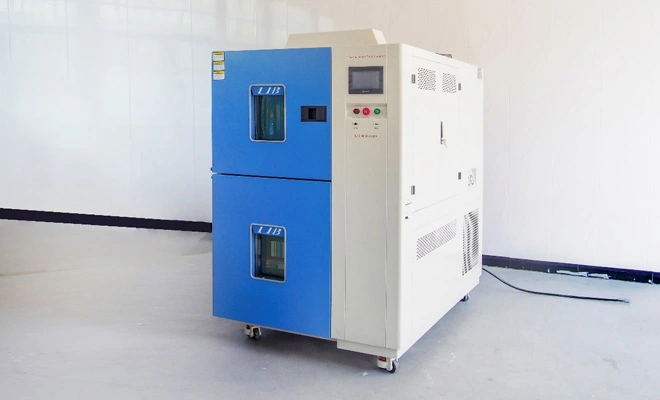
| Cyclic climate aging | IEC 60068-2 |
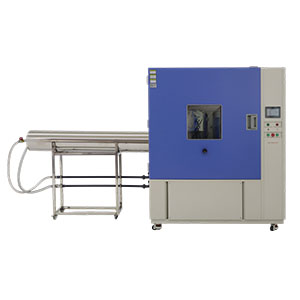
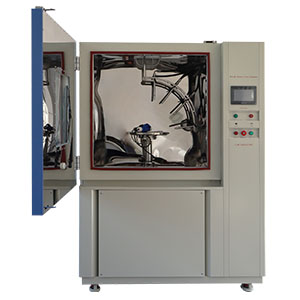
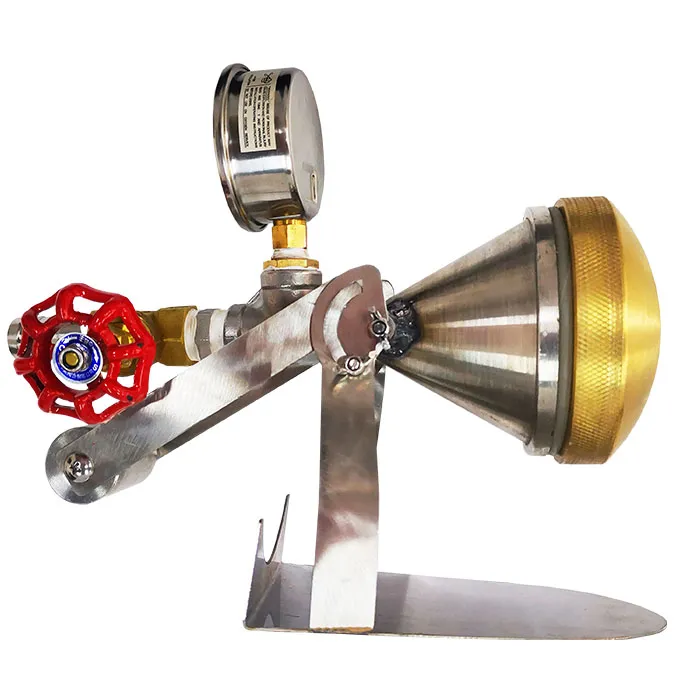
Moving to the ingress protection zone, the engineer inspected the R56-800 IPX5/IPX6 Water Jetting Test Chamber. The waterproofing performance of motorcycle luggage cases and onboard electronics directly impacts riders' property and safety.
Waterproof testing requires precise quantification of water impact force and flow rates. The engineer systematically verified the two core nozzle configurations according to the IEC 60529 standard:
| 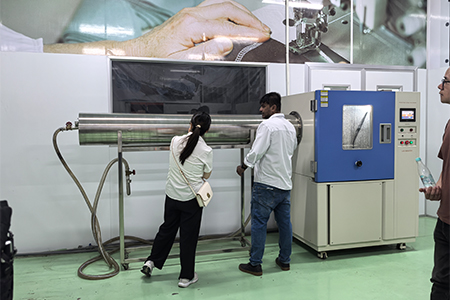 |
Utilizing a 6.3mm internal diameter stream nozzle, the water flow rate was calibrated to exactly 12.5L/min ±5%, simulating a heavy rainstorm.
Activating the heavy-duty 12.5mm stream nozzle, the flow rate was adjusted to 100L/min ± 5%, replicating high-pressure wave impacts or strong water jets.
To ensure the test objects receive uniform water distribution while subjected to high-impact forces, the engineer fine-tuned the rotational speed and weight capacity of the internal turntable. Concurrently, a durability check was performed on the high-pressure plumbing, water filters, and circulation pumps, eliminating any micro-leakage risks caused by long-term high-pressure operations.
Protection Level | Test System | Application | |
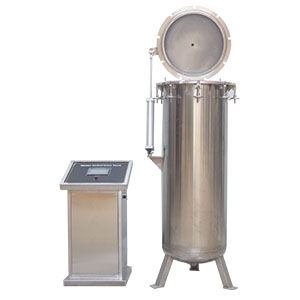
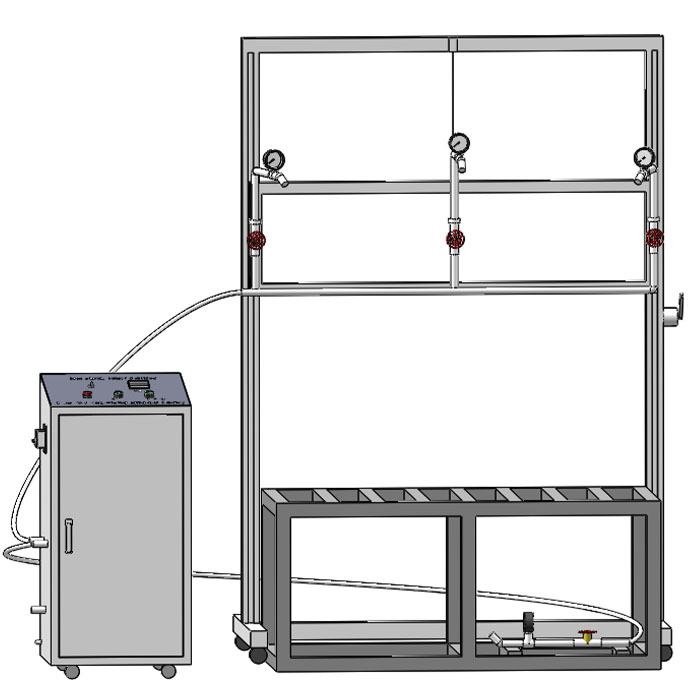
IPX1–IPX2 | Drip Test Chamber | Vertical dripping water |
IPX1 IPX2 Water Drip Test Apparatus |
IPX3–IPX4 | Oscillating Tube Tester | Rain and splash |
|
IPX5–IPX6 | R56-800 Water Jetting Chamber | Water jet testing |
|
IPX7–IPX8 | Immersion System | Immersion testing |
|
IPX9K | High-Pressure Hot Water Chamber | High-pressure cleaning simulation |
|
IP5X–IP6X | Dust Test Chamber | Dust ingress testing |
|
 | |||
True technical service extends beyond equipment calibration to operational empowerment. Following the hardware service, the LIB engineer conducted a tailored training session for GIVI's laboratory technicians.
The session covered practical procedures, including the proper handling during xenon lamp replacements, water quality management to prevent nozzle calcification, and optimization of daily testing sequences in accordance with updated ISO frameworks. By shifting GIVI's internal processes from reactive troubleshooting to structured preventive maintenance, the laboratory can lower potential equipment downtime by an estimated 30%, significantly increasing R&D throughput.
The technical service execution in Vietnam reflects LIB’s broader global service infrastructure. As a dedicated provider of environmental testing solutions, LIB integrates hardware supply with international service delivery:
3-Year Warranty:
Provision of an industry-leading 3-year warranty for all standard chambers, backed by lifetime technical consultations.
24/7 Technical Desk:
A round-the-clock English-speaking technical support channel ensures rapid response across different time zones.
Expedited Spare Parts Logistics:
Utilizing a global warehousing network, critical spare components are delivered within 7 to 15 days, minimizing operational interruptions for international clients.
Q1: How does water quality affect the R56-800 jetting chamber?
A: Standard tap water contains minerals that can clog the precision 6.3mm and 12.5mm nozzles, altering the required 12.5L/min and 100L/min flow rates. LIB chambers include built-in water filtration, but using demineralized water is highly recommended to protect the high-pressure pumps and ensure consistent impact force.
Q2: Why is Black Panel Temperature (BPT) critical in the XL-S-750, and when should it be calibrated?
A: BPT simulates the maximum surface heat a material absorbs under sunlight. Accurately controlling it prevents uneven thermal degradation, which is vital for ISO 4892-2 compliance. LIB recommends calibrating the BPT sensor every 500 to 1,000 operating hours, or whenever the xenon lamp is replaced.
Q3: How does LIB support international clients regarding maintenance and spare parts?
A: LIB provides 24/7 English-speaking technical support for rapid remote diagnostics. If hardware is needed, our global logistics network ensures that critical spare parts reach the customer's facility within 7 to 15 days, minimizing laboratory downtime.
Q4: What quality standards do LIB chambers meet before delivery?
A: All LIB equipment is manufactured under the ISO 9001 quality system and must pass a strict 72-hour continuous factory running test before shipping. Additionally, our entire product range carries CE and RoHS certifications, meeting international compliance and safety standards.
 English
 русский
 français
 العربية
 Deutsch
 Español
 한국어
한국어 italiano
 tiếng việt
 ไทย
ไทย Indonesia