
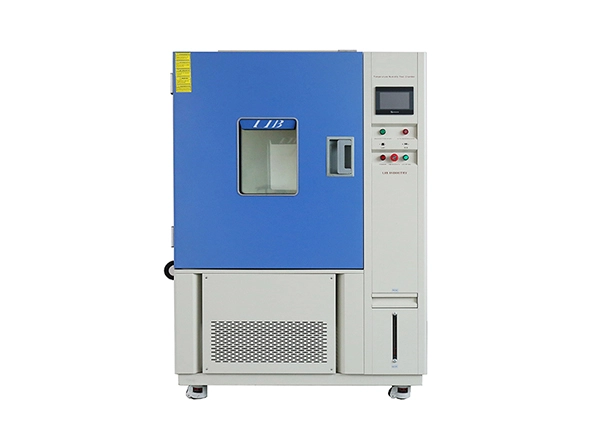
Polyvinyl chloride (PVC) is one of the most widely used materials in construction, pipelines, electrical cables, and outdoor products due to its durability, chemical resistance, and cost-effectiveness. Despite its inherent strength, PVC is highly susceptible to ultraviolet (UV) radiation, which can lead to accelerated degradation when exposed to sunlight over time. Common signs of UV-induced aging include discoloration, surface brittleness, cracking, and a significant reduction in mechanical strength.
To accurately predict long-term performance, manufacturers and researchers rely on UV chamber for PVC aging tests. These chambers allow laboratory-based accelerated aging, replicating years of sunlight exposure within days or weeks. By doing so, companies can make informed decisions on formulation improvements, quality control, and product reliability without waiting for natural weathering conditions.
UV radiation, particularly in the UVA and UVB spectrum, has sufficient energy to break chemical bonds in the PVC polymer chains. This leads to polymer chain scission, resulting in changes in the material's structural integrity and visual appearance.
Several environmental factors influence the rate of degradation:
Temperature: High temperatures accelerate polymer breakdown.
Humidity: Moisture can amplify photodegradation and contribute to surface cracking.
Pollutants: Atmospheric pollutants like ozone or acid rain can react with PVC and exacerbate deterioration.
Laboratory-based UV testing using controlled UV light fastness test chamber for PVC aging tests ensures that these variables are precisely monitored. Compared to natural outdoor exposure, lab testing offers reproducibility, repeatability, and accelerated timelines, enabling engineers to evaluate the performance of PVC formulations more efficiently.
ASTM G154 – Fluorescent UV lamp apparatus for nonmetallic materials.
ASTM D4329 – Standard practice for UV exposure of plastics, including PVC.
ISO 4892-3 – Laboratory methods for exposing plastics to fluorescent UV lamps.
ISO 16474-3 – Artificial weathering protocols for automotive plastics.
These standards define test parameters such as UV wavelength, exposure cycles, temperature, and humidity, ensuring reproducible and internationally comparable results. Following these standards guarantees that PVC products meet both domestic and global performance requirements.
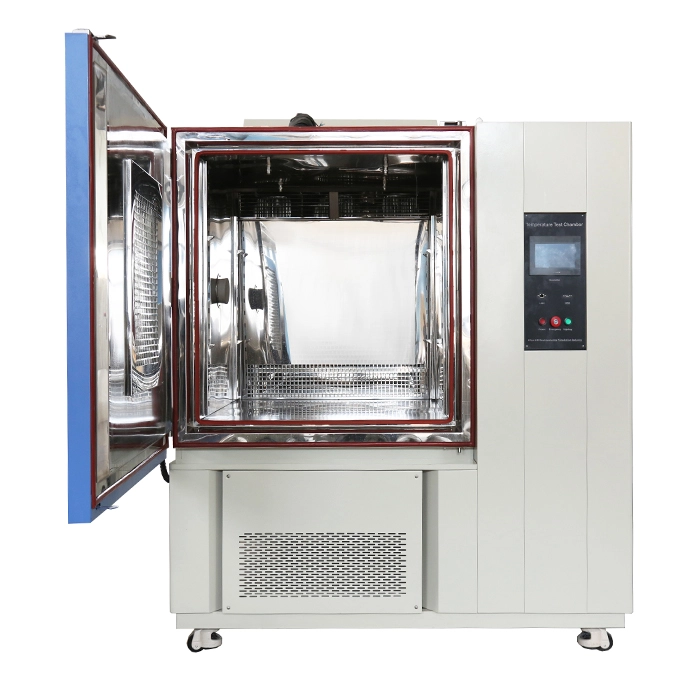
A UV chamber is your solution: a powerful laboratory tool that replicates years of sunlight, rain, and environmental stress in just days or weeks. By precisely controlling UV radiation, temperature, humidity, and water exposure, it allows manufacturers to predict product durability, optimize formulations, and prevent costly failures before products leave the factory.
Unlike natural weathering, which is slow, inconsistent, and unpredictable, a UV chamber delivers repeatable, accelerated, and measurable results, making it an indispensable part of any PVC R&D, quality control, or certification process.
 |  |
Model | UV-SI-260 |
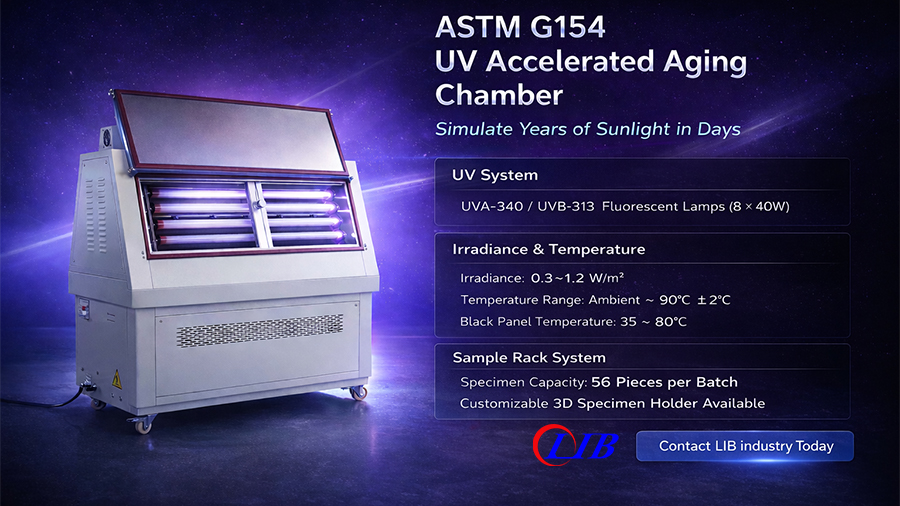
Irradiation Source | Fluorescent UV lamps (8) - 40 W |
Temperature Range | Ambient ~ 90 ℃ ±2℃ |
Black Panel Temperature (BPT) | 35 ~ 80 ℃ |
Humidity Range | ≥95% RH |
Bandwidth | 290 ~ 400 nm |
Irradiance Control | 0.3~20 W/㎡ |
Distance of Specimen and lamp | 50 mm |
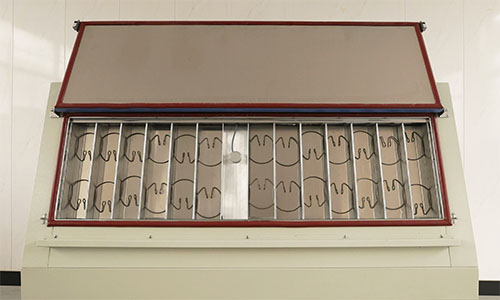
Heating Element | Nichrome heater |
Controller | Programmable color LCD touch screen controller |
Ethernet connection, PC Link,USB | |
Water Supply System | Automatic water supply, Water purification system |
Interior Material | SUS304 stainless steel |
UV Lamps with Water Condensation Simulation |
Versatile Sample Holders |
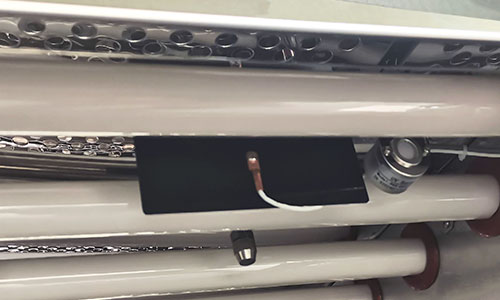
Black Panel Temperature Monitoring |
PLC/PID Programmable Controller |
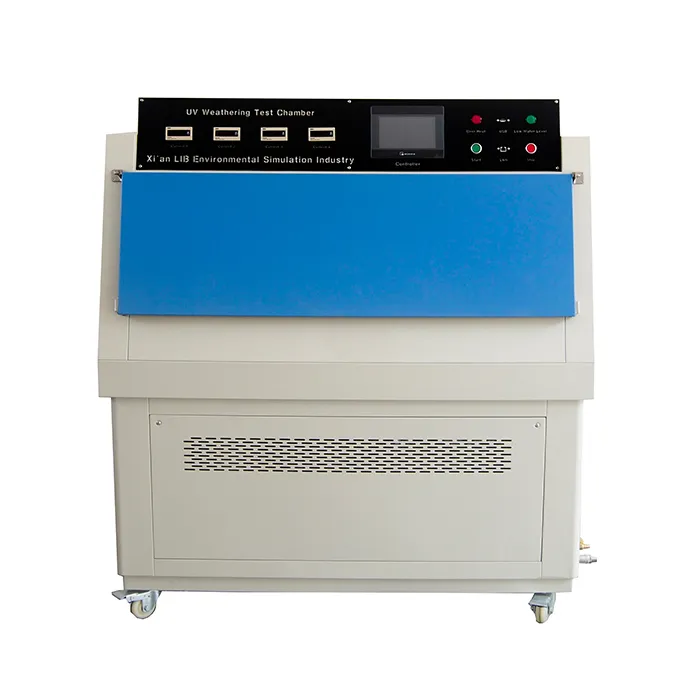
LIB industry UV chambers are engineered to deliver consistent, accurate, and versatile testing for PVC and other polymeric materials. Key features include:
The UV chamber accommodates up to 52 standard PVC specimens simultaneously. For irregular or larger samples, customizable 3D holders ensure that each piece receives uniform UV exposure. The flat aluminum holder design ensures consistent light distribution, which is crucial for reliable and reproducible results.
Integrated Black Panel (BPT) technology allows real-time measurement of the sample surface temperature. Coupled with a PID controller, the system maintains stable, repeatable test conditions, ensuring that both UV exposure and thermal effects are accurately applied throughout the testing cycle.
The chamber supports UVA and UVB lamps with up to 5000 hours of stable performance. These high-quality lamps provide a consistent UV spectrum, reducing the need for frequent replacements and ensuring reliable accelerated aging tests.
Beyond UV exposure, the environmental simulation chamber can simulate real-world conditions such as rainfall, high humidity, high temperature, condensation, and darkness. Maximum environmental settings include temperatures up to 90℃ and relative humidity ≥95%. The automated spray system is water-efficient and helps replicate natural weathering more realistically.
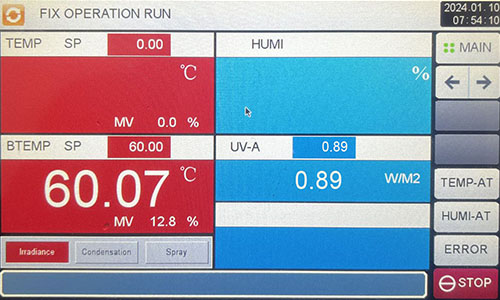
A programmable color touchscreen enables up to 120 programs with 99 segments each, supporting a wide range of testing standards. Real-time data logging is available via USB, RS232, or Ethernet, allowing remote monitoring, automated reporting, and multilingual operation. Automatic alarms ensure testing safety and reduce the need for constant manual supervision.
Dimensions & Quantity: Cut PVC specimens to standard 75 mm × 150 mm, up to 52 samples per test.
Cleaning & Labeling: Wipe surfaces with alcohol to remove dust or grease; clearly label for traceability.
Custom Holders: For irregular or large products, 3D custom holders ensure uniform UV exposure and stable positioning during spraying or rotation.
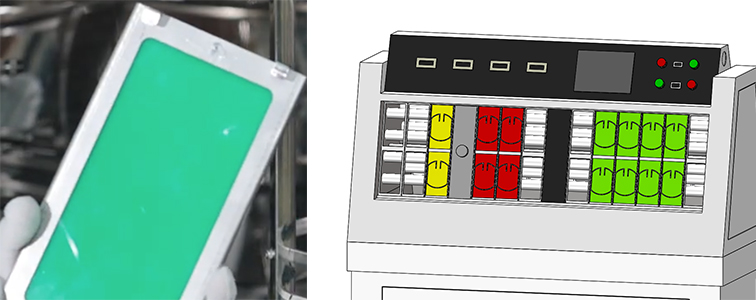
UV Lamps: Install UVA-340 or UVB-313 lamps; select the number of lamps according to required intensity. For PVC outdoor simulation, typical irradiance: 0.76 W/m² at 340 nm, adjustable up to 1.0 W/m².
Temperature Settings: Set black panel temperature (BPT) to 60–65℃, simulating surface heating under strong sunlight. Chamber air temperature can be slightly lower (~50–55℃).
Humidity & Spray: If water spray is included, set relative humidity ≥ 95% RH and spray cycles every 1–2 hours, flow rate ~0.3 L/min per nozzle.
Program Settings: Use PID controller to define the program with customized steps (e.g., 8-hour UV exposure, 30-min spray, repeat cycles).
Check Safety & Data Logging: Confirm USB, RS232, or Ethernet connections are working; ensure alarms and automatic cutoff systems are active.
Start Program: Activate the defined test cycle, following standards such as ASTM G154, ASTM D4329, or ISO 4892-3.
Monitoring Parameters:
Black Panel Temp: Maintain ±2℃ tolerance.
UV Irradiance: Constant at target value; PID controller adjusts lamp output if fluctuations occur.
Spray & Humidity: Automatically activated at defined intervals.
Duration: Typical accelerated PVC aging test lasts 500–1000 hours, which can simulate 2–5 years of outdoor exposure depending on location and UV intensity.
Data Logging: Continuous recording of temperature, UV intensity, and humidity for every sample; USB export in CSV format allows trend analysis.
Visual Inspection: Check for uneven discoloration, warping, or cracks every 24–48 hours.
Adjustments: Use real-time BPT readings to fine-tune lamp output or chamber air flow if some areas show uneven exposure.
Ensure Repeatability: Document all changes to maintain test traceability and reproducibility.
Evaluate Damage: Look for color changes (ΔE values if using a colorimeter), surface cracks, brittleness, and any deformation.
Data Analysis: Compare recorded temperature, UV irradiance, and humidity curves against standard requirements (ASTM/ISO/GB/T).
Reporting: Include all parameters, graphs, and images of samples. Highlight actionable insights:
Adjust PVC formulation with UV stabilizers.
Change additive types to improve flexibility or color stability.
Recommend design or protective coatings for long-term outdoor use.
Using a UV chamber for PVC aging tests ensures:
Controlled, repeatable, and standard-compliant testing for PVC products.
Accelerated R&D cycles and faster product validation.
Improved product quality and reduced long-term UV degradation risks.
Informed formulation decisions using precise temperature, UV, and multi-environment data.
LIB Industry After-Sales & Support Advantages:
3-year warranty on all UV chambers.
Lifetime technical support from a fully English-speaking team.
5×12-hour response time, ensuring rapid support worldwide.
Global service coverage with four major service centers targeting Europe, Americas, Southeast Asia, and Central Asia.
Extensive network of 30+ authorized distributors for local support and faster response.
CTA: Contact LIB industry today to explore customized UV chamber solutions and benefit from our comprehensive global support system.
 English
 русский
 français
 العربية
 Deutsch
 Español
 한국어
한국어 italiano
 tiếng việt
 ไทย
ไทย Indonesia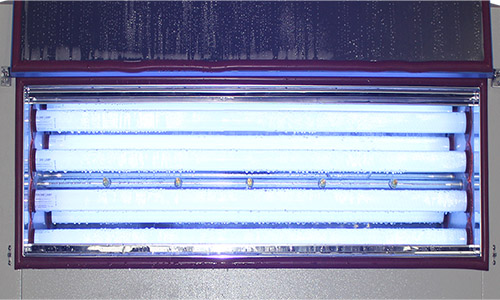

.webp "Coating Weathering Test Guide: How to Avoid Customer Complaints with UV Accelerated Aging Chambers")