Battery failures rarely occur suddenly. In most cases, they begin with subtle and measurable changes—slightly increased internal resistance after cold storage, voltage instability under load, or gas generation during long-term high-temperature exposure.
A battery test chamber is designed to reproduce these conditions in a controlled and repeatable environment. It enables engineers to evaluate battery cells, modules, and packs before they are deployed in EVs, drones, or energy storage systems.
Modern battery validation is no longer limited to static hot and cold testing. It requires a combination of temperature cycling, electrical load simulation, and long-term aging reproduction.
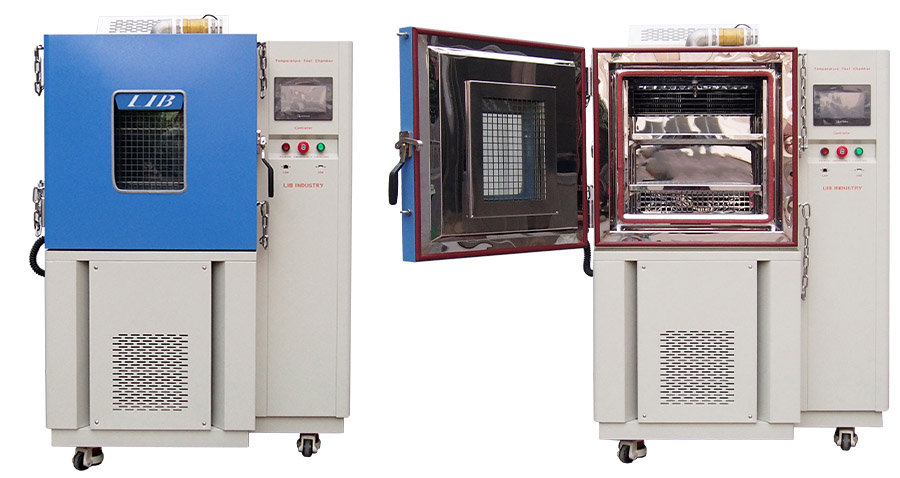
Battery performance is strongly dependent on temperature, and even relatively small deviations can significantly alter electrochemical behavior.
Condition | Temperature Range | Typical Behavior |
Extreme cold stress | -70°C to -40°C | Voltage drop, lithium plating risk, sluggish ion diffusion |
Cold start condition | -20°C | Reduced discharge efficiency, delayed response |
Standard operation | 20°C to 25°C | Stable electrochemical performance |
High thermal load | 45°C to 60°C | Accelerated side reactions, gas generation |
Thermal abuse condition | 85°C to 170°C | Material degradation, safety threshold testing |
At low temperatures, electrolyte viscosity increases sharply, reducing ion mobility and causing voltage sag.
At high temperatures, side reactions accelerate, increasing internal pressure and long-term degradation.
This is why battery testing systems must maintain both deep low-temperature capability and high-temperature stability within one controlled platform.
Battery systems rarely operate in stable environments. EVs, drones, and ESS installations all experience rapid and repeated environmental transitions.
Typical real-world scenarios include:
EV cold start after overnight parking at -30°C
Drone flight transitioning from ground temperature to high-altitude cold air
ESS cabinets exposed to desert daytime heat and nighttime freezing conditions
To simulate these conditions, LIB battery test chambers are designed with:
| Parameter | Standard Capability | Optional Upgrade |
|---|---|---|
| Temperature range | -70°C ~ +170°C | Extended customization |
| Temperature fluctuation | ±0.5°C | — |
| Temperature deviation | ±2.0°C | — |
| Ramp rate | ~10°C/min | 5°C/min / 15°C/min |
In battery research, failure is often not caused by temperature alone, but by temperature transition rate combined with electrical load stress.
Static temperature exposure can confirm material stability, but thermal cycling reveals mechanical fatigue.
During repeated expansion and contraction, the following structures are most affected:
Weld joints and tab connections
Busbars and conductive paths
Adhesive layers and sealing materials
Sensor mounting points
A typical thermal cycle test may include:
-40°C → +85°C
dwell time: 2–6 hours per step
cycles: 50 to 500+ cycles depending on standard
Even minor inconsistencies in manufacturing become visible under long-term cycling stress.
To ensure repeatable data quality, LIB systems use a high-uniformity airflow design that minimizes local temperature dead zones during long-cycle testing.
Battery aging is generally evaluated through two mechanisms: calendar aging and cycle aging.
Calendar aging (storage degradation)Typical conditions:
Key measurements:
| Cycle aging (usage simulation)Typical conditions:
Observed results:
|
The most valuable output is not pass/fail, but degradation rate and failure acceleration behavior.
Battery testing must reflect real system behavior, not just laboratory conditions.

EV batteries operate under combined conditions of:
high discharge current
regenerative braking
thermal management interaction
Typical test conditions:
cold start: -30°C
nominal operation: 25°C
heat stress: 45°C–60°C
LIB supports EV pack testing with large-volume chambers and electrical access integration, allowing full system-level validation.
Energy storage systems face slow but continuous environmental stress:
daily thermal cycling
seasonal temperature variation
long-duration charge/discharge cycles
Typical scenario:
12h hot / 12h cold cycle
-20°C to 60°C environmental swing
low-rate cycling under storage conditions
LIB provides walk-in environmental chambers for cabinet-level ESS validation.
Drone power systems operate under fast-changing conditions:
rapid discharge at takeoff
altitude-induced cooling
high current density under weight constraints
Typical test conditions:
-20°C to -40°C storage
high C-rate discharge
repeated flight cycle simulation
Under abuse conditions such as overcharge, short circuit, or high-temperature exposure, lithium batteries may enter thermal runaway, producing gas release, smoke, or even flame propagation.
LIB battery test chambers can be configured with multi-level safety protection:
Safety Layer | Function |
Smoke & gas detection (>300 ppm) | Early abnormal detection |
Pressure monitoring (>200 kPa) | Internal failure indication |
Automatic power cut-off | Stop energy input immediately |
Emergency exhaust system | Remove hazardous gases |
| Explosion-proof structure | Contain physical failure events |
| |
These systems ensure that even under extreme failure conditions, testing remains controlled and traceable.
While many systems focus on temperature range alone, real testing quality depends on stability and repeatability.
LIB battery test chambers are designed with:
Temperature range: -70°C ~ +170°C
Stability: ±0.5°C
Deviation: ±2.0°C
Optional ramp control: 5–15°C/min
In addition, system integration supports:
charge/discharge cyclers
BMS data acquisition
multi-channel logging
remote monitoring and control
This ensures environmental conditions reflect real battery operating behavior rather than simplified laboratory simulation.
LIB industry provides environmental simulation systems for battery research, validation, and production testing.
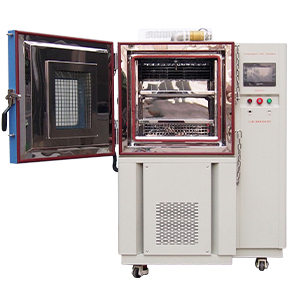
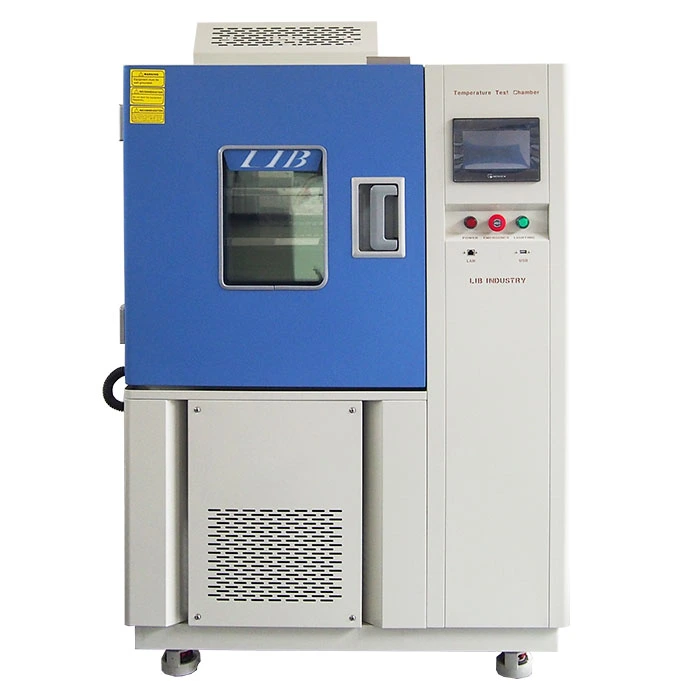
Available configurations include:
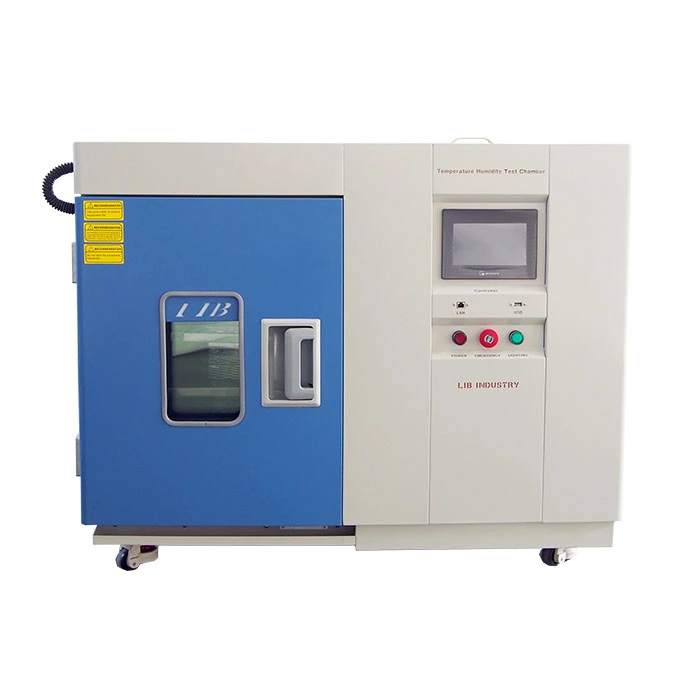
Benchtop chambers (cell-level testing)
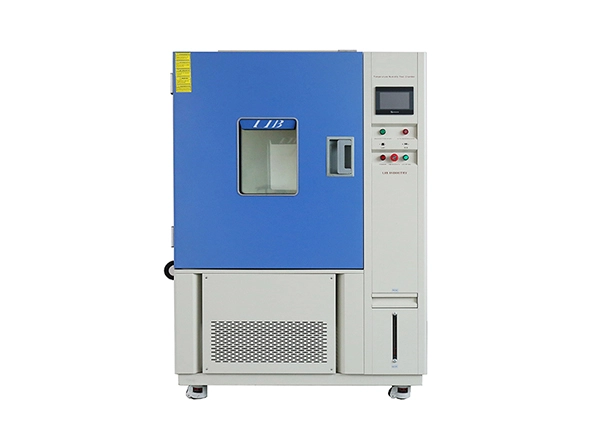
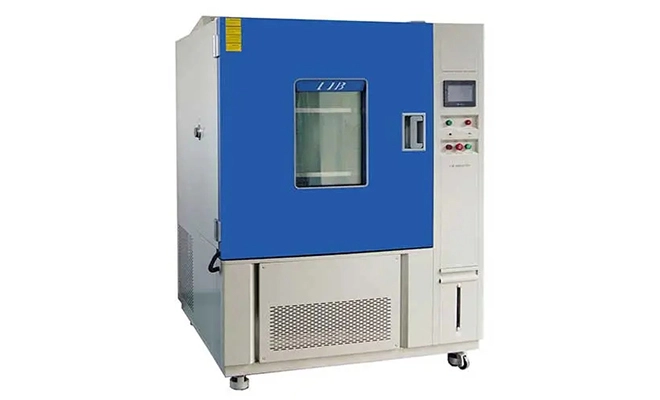
Standard chambers (module testing)
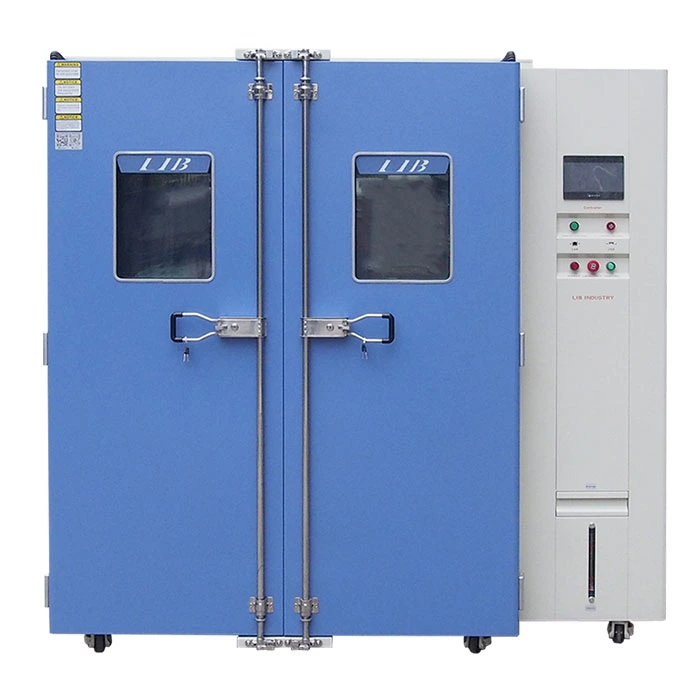
Walk-in chambers (EV & ESS system testing)
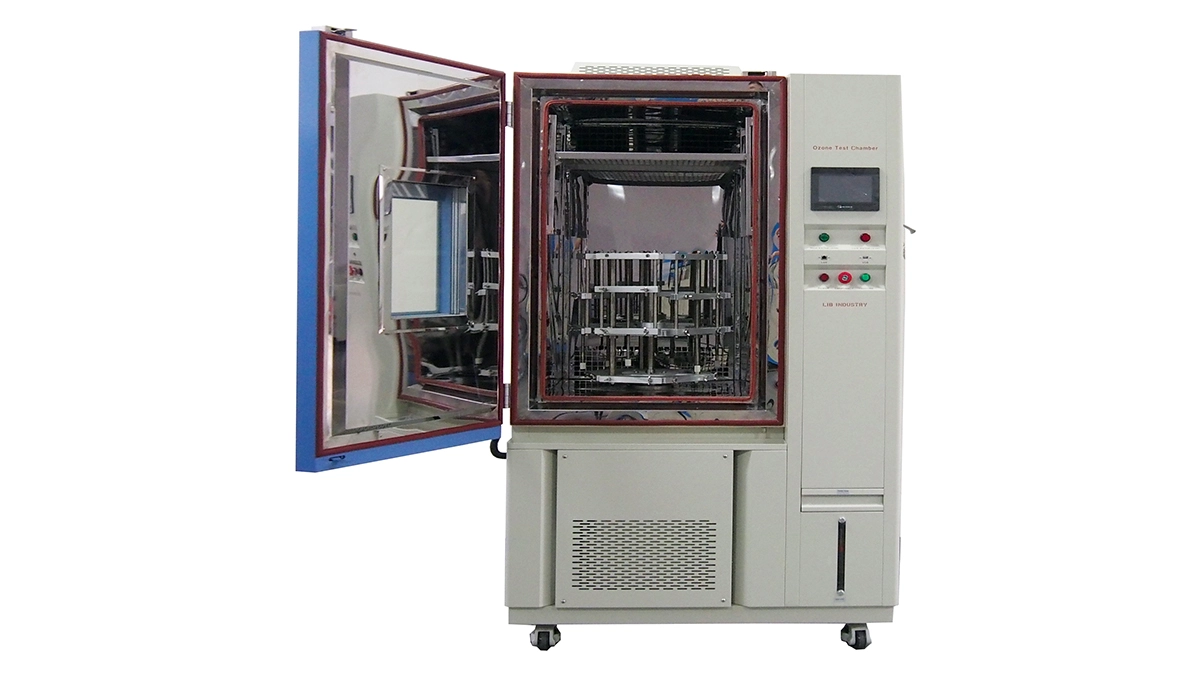
Explosion-proof chambers (safety & abuse testing)
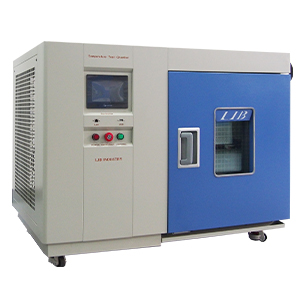 benchtop temperature chamber |
|
|
| Explosion-proof devices are available as an option. | ||
Typical applications:
EV battery validation
ESS aging and reliability testing
drone battery performance testing
lithium battery safety certification testing
Each system can be configured based on:
temperature range requirements
sample size and load type
electrical integration needs
safety level (standard or explosion-proof)
LIB industry provides full lifecycle support for every battery test chamber, from installation to long-term operation.
Every system is fully tested before shipment, including a 72-hour continuous running verification to ensure stability under real operating conditions. On-site installation, commissioning, and integration with external systems such as battery cyclers are also supported.
Our engineering team provides long-term technical assistance, including test program guidance, remote diagnostics, and system optimization to ensure reliable and repeatable test results.
To maintain long-term accuracy, LIB offers periodic calibration support, performance checks, and spare parts supply to minimize downtime in laboratory and production environments.
3-year full system warranty
Lifetime technical support
Remote global service response
Software upgrade support throughout lifecycle
Contact LIB industry to get a tailored battery test chamber solution for your application.
 English
 русский
 français
 العربية
 Deutsch
 Español
 한국어
한국어 italiano
 tiếng việt
 ไทย
ไทย Indonesia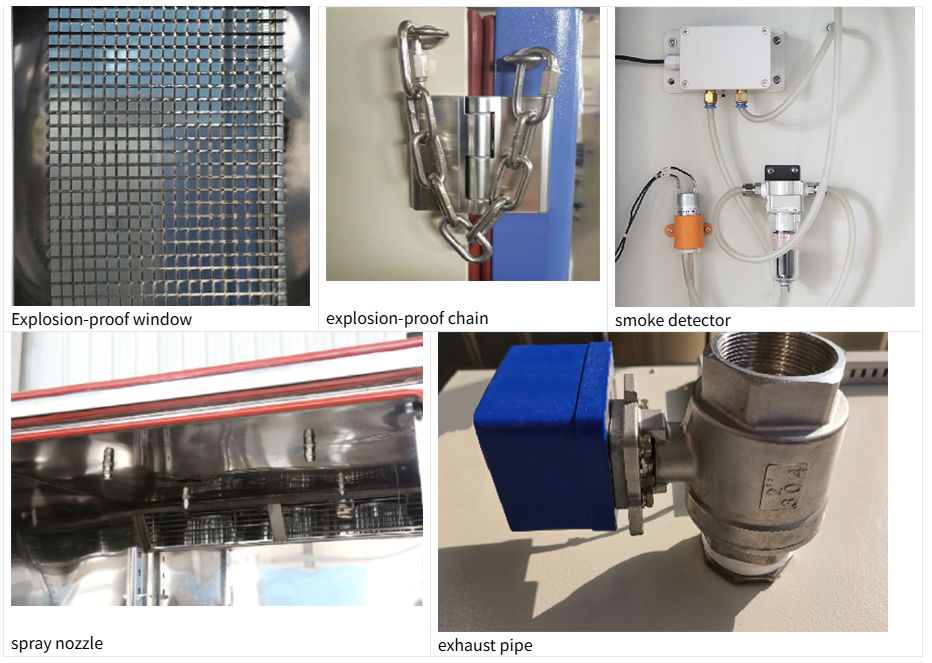

.webp "Accelerated Weathering Test Chamber for Polymer Durability Testing")