When evaluating solar module durability, ultraviolet (UV) exposure is often considered the primary cause of aging. However, in real-world applications, most failures are not caused by sunlight alone.
Instead, temperature and humidity cycling continuously stress solar modules—day after day, year after year.
From hot daytime operation to cool, moisture-rich nights, these environmental fluctuations gradually degrade internal materials. The damage is often invisible at first, but over time, it leads to power loss, structural failure, and reduced system reliability.
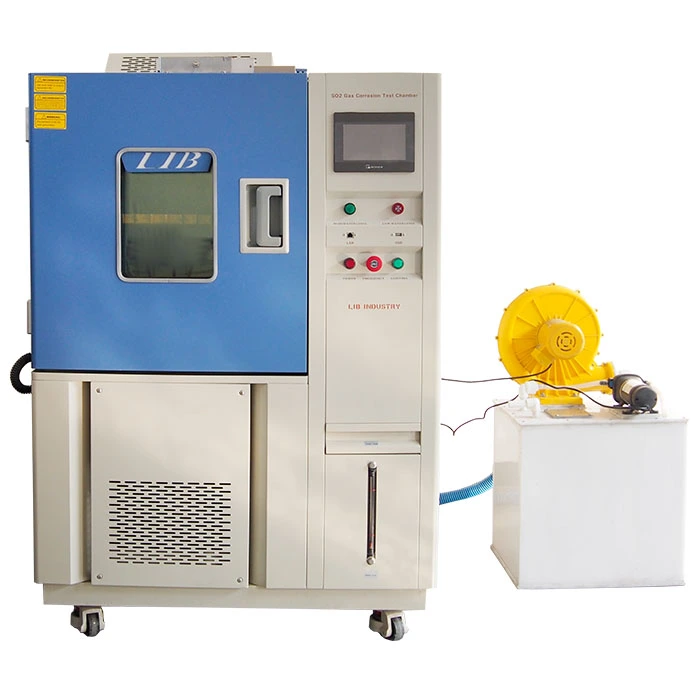
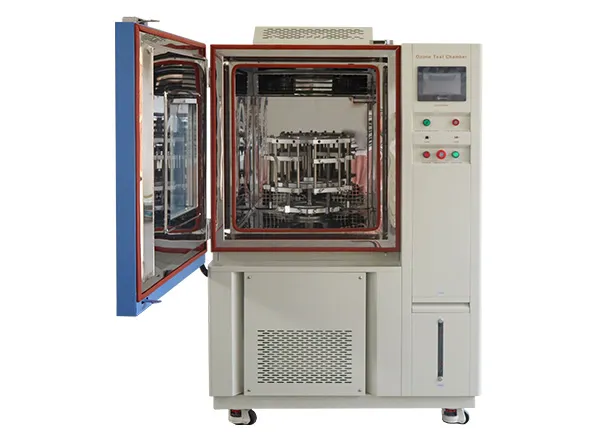
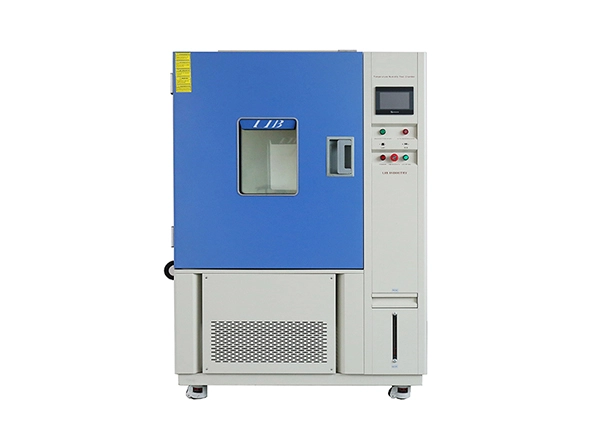
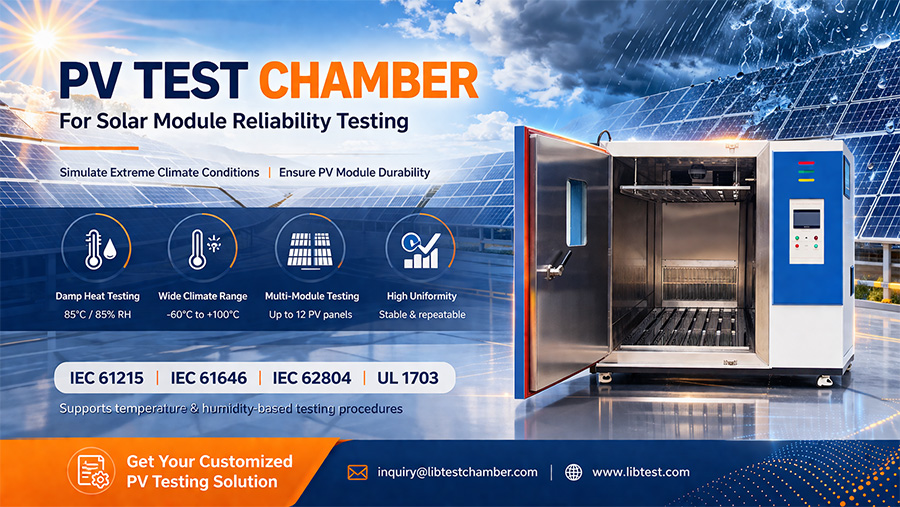
To accurately evaluate these risks, manufacturers rely on a PV Test Chamber.
By recreating extreme and cyclic environmental conditions in a controlled laboratory environment, a high-performance PV Test Chamber ensures that solar modules can truly withstand 25 years of outdoor exposure—not just in theory, but in practice.
Unlike single-factor stress, environmental degradation in solar modules is the result of combined thermal and moisture effects.
A well-designed PV Environmental Chamber must not only reach extreme conditions, but also maintain precise stability, uniformity, and repeatability—which directly determines the accuracy of test results.
The damp heat test is one of the most critical procedures defined in IEC standards, typically conducted at:
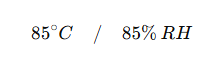
Under these conditions, water vapor penetrates the module layers and triggers a series of degradation processes:
Potential Induced Degradation (PID), reducing output efficiency
EVA encapsulation delamination, weakening structural integrity
Internal corrosion of conductive paths
Why equipment matters:
To accurately simulate this process, the damp heat chamber must maintain stable humidity over long durations (1000+ hours) without fluctuation.
LIB industry advantage:
High-precision humidity control system
Continuous operation stability for long-duration testing
Anti-condensation structural design to ensure consistent results
Solar modules expand and contract daily due to temperature variations. Over time, this leads to mechanical fatigue.
Thermal cycling tests simulate this by repeatedly exposing modules to alternating temperatures.
Typical impacts include:
Solder joint fatigue
Microcracks in cells
Backsheet deformation and failure
Key challenge:
Fast and precise temperature transitions without overshoot or lag.
LIB industry PV Test Chamber features:
Programmable rapid temperature change control
Uniform airflow system ensuring even temperature distribution
High-performance refrigeration system for stable cycling
These capabilities ensure that each cycle accurately reflects real-world stress conditions.
Global solar markets require strict compliance with international standards such as:
IEC 61215
IEC 61730
A PV Test Chamber is not just a testing tool—it is the foundation for certification and market entry.
To ensure reliable testing, engineers should focus on these key parameters:
Temperature range: -70°C to +150°C
Humidity range: 20% to 98% RH
Temperature fluctuation: ±0.5°C
Temperature uniformity: ±2°C
Long-term operation stability
LIB industry engineering strengths:
Advanced PLC control system with intuitive touchscreen interface
Real-time data monitoring and curve display
Ethernet connectivity for remote control and data export
USB data storage for traceability and reporting
These features not only improve testing accuracy but also enhance operational efficiency in laboratories.
Not all PV environmental chambers deliver the same performance. The difference lies in engineering details.
SUS304 stainless steel interior for corrosion resistance
Fully welded structure to prevent leakage and deformation
Optimized insulation system for energy efficiency
A modern PV Test Chamber must provide more than basic control.
LIB industry system includes:
PLC-based programmable control
Multi-segment test profiles
Real-time temperature & humidity curve display
Alarm and safety protection system
This ensures precise control and minimizes human error.
Environmental testing depends heavily on airflow consistency.
Balanced air circulation system
High-efficiency compressors
Stable cooling performance even under extreme conditions
Result: uniform temperature across the entire test workspace.
PV testing often requires hundreds to thousands of hours of continuous operation.
LIB industry chambers are built for:
Long-duration reliability
Minimal maintenance
Stable performance without drift
Standard testing is only the starting point. Real-world environments are more complex.
A modular PV Test Chamber allows flexible upgrades based on application needs.
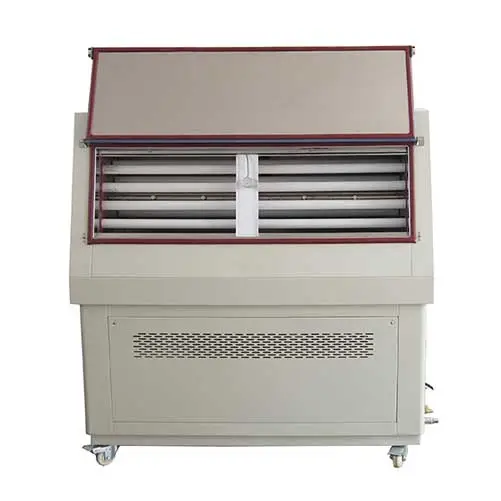
Simulates long-term sunlight exposure
Evaluates material aging and discoloration
Ideal for desert and high-altitude environments
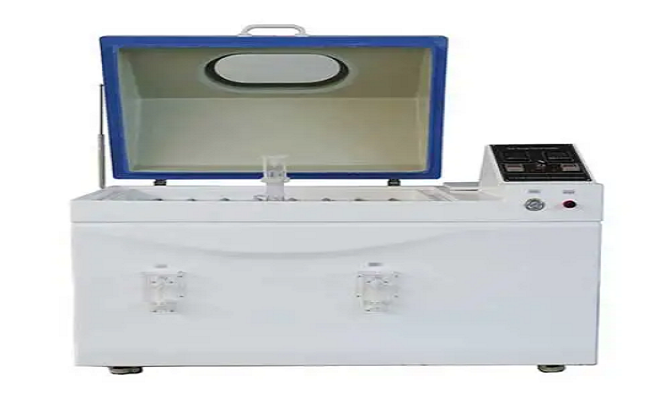
Simulates marine corrosion conditions
Tests frame and connector durability
Essential for coastal and offshore PV systems
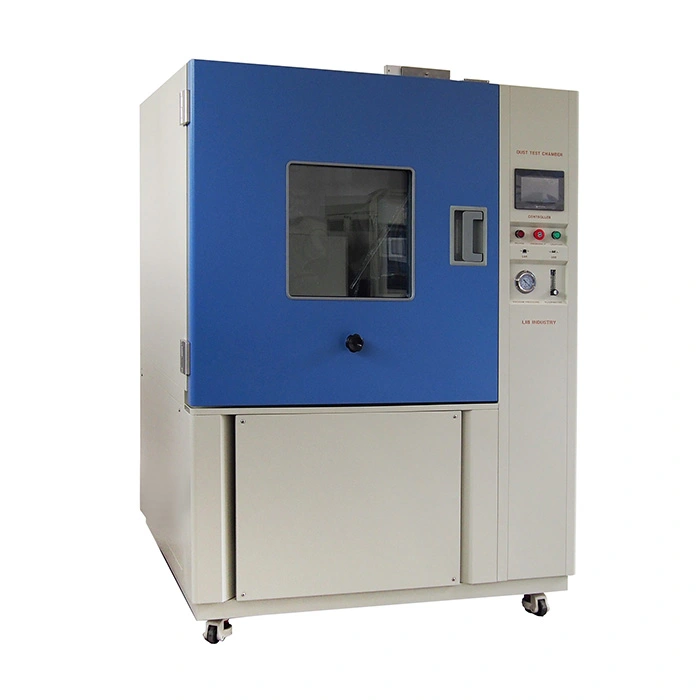
Standard salt spray chamber |
standard UV test chamber |
With LIB industry, you can:
Start with core temperature & humidity testing
Add UV modules when needed
Integrate salt spray systems for advanced testing
This reduces initial investment while allowing future expansion.
Behind every reliable solar module is rigorous environmental testing.
While UV exposure is visible, it is temperature and humidity cycling that silently determines long-term performance.
A high-quality PV Test Chamber ensures that your products are not only compliant—but truly reliable in real-world conditions.
With advanced control systems, robust engineering, and flexible customization, LIB industry delivers testing solutions that go beyond standards.
Are you planning to improve your solar panel reliability testing capabilities?
Do you need a custom environmental test chamber tailored to your application?
LIB industry offers:
✔ 3-year warranty
✔ Lifetime service support
✔ Fast global response
✔ Fully customized solutions
Contact our engineers today and receive a tailored PV Test Chamber solution within 24 hours.
1. What is a PV test chamber used for?
It simulates environmental conditions to evaluate long-term solar module durability.
2. Can the chamber run long-term damp heat tests?
Yes, it supports stable operation for 1000+ hours continuous testing.
3. Is customization available?
Yes, UV, salt spray, and other modules can be integrated.
4. What control system is used?
PLC-based intelligent control with remote monitoring and data export.
5. What service does LIB industry provide?
3-year warranty, lifetime support, and fast global technical response.
 English
 русский
 français
 العربية
 Deutsch
 Español
 한국어
한국어 italiano
 tiếng việt
 ไทย
ไทย Indonesia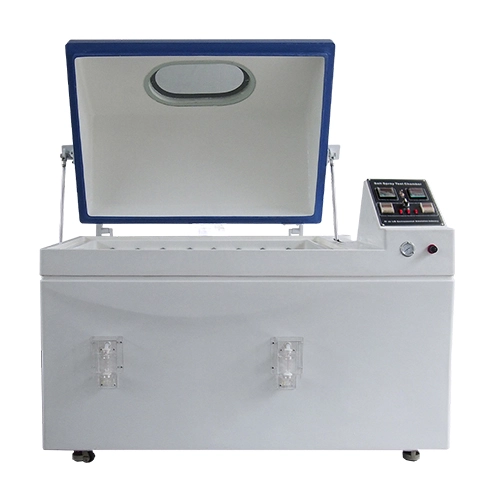

.webp "UV Accelerated Weathering Tester")