Choosing a low GWP environmental test chamber is becoming an important purchasing decision for laboratories and manufacturers that want to meet environmental regulations while maintaining reliable temperature and humidity testing. For most climate reliability applications, a Temperature & Humidity Chamber using low-global-warming-potential (GWP) refrigerants offers the best balance of performance, compliance, and long-term operating costs. Compared with conventional refrigerant systems, low-GWP chambers reduce environmental impact while still supporting common standards such as IEC 60068, ISO 16750, MIL-STD-810, and JESD22. Buyers should evaluate not only temperature range, but also refrigerant type, cooling capacity, temperature uniformity, ramp rate, sample heat load, and future F-gas compliance before selecting equipment.
Environmental testing verifies whether products can continue functioning after exposure to controlled climatic conditions. A low GWP environmental test chamber performs the same reliability evaluations as traditional climate chambers while using refrigerants with significantly lower global warming potential.
Typical test samples include:
Automotive electronic control units (ECUs)
Consumer electronics
Aerospace components
Medical devices
Industrial sensors
Communication equipment
Plastic and rubber materials
The primary failure mechanisms being evaluated include:
Thermal expansion and contraction
Moisture absorption
Condensation-related failures
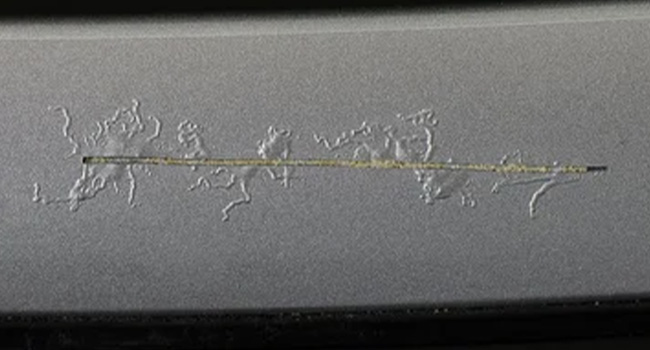
Corrosion initiation
Seal degradation
Electronic drift
Material cracking
Adhesive failure
Insulation breakdown
Environmental testing is commonly performed during:
Product development
Design validation
Production quality control
Supplier qualification
Certification testing
Reliability life testing
Modern environmental chamber refrigerant technology enables laboratories to achieve these objectives while reducing greenhouse gas emissions associated with traditional high-GWP refrigerants.
The following standards are commonly used when selecting a sustainable environmental test chamber.
Standard | Temperature | Humidity | Cycle | Additional Conditions |
IEC 60068-2-1 | -70°C to +180°C | Not required | Constant exposure | Low-temperature testing |
IEC 60068-2-2 | Up to +180°C | Not required | Constant exposure | High-temperature testing |
IEC 60068-2-30 | 25°C–55°C | 95% RH | Cyclic | Condensation testing |
IEC 60068-2-78 | 40°C | 93% RH | Steady-state | Damp heat |
ISO 16750-4 | -40°C to +125°C | Variable | Thermal cycling | Automotive electronics |
JESD22-A104 | -55°C to +125°C | Not required | Temperature cycling | Semiconductor reliability |
MIL-STD-810H | Customized | Customized | Mission profile | Environmental simulation |
ASTM D4332 | Variable | Variable | Long duration | Packaging evaluation |
Unlike salt spray or IP testing, most temperature and humidity chambers do not use spray systems or pressure conditions, making refrigerant efficiency and temperature control the key performance factors.
Selecting the right F-gas test chamber depends on the testing application rather than simply choosing the widest temperature range.
Selection Factor | Benchtop Chamber | Reach-In Chamber | Walk-In Chamber |
Temperature Range | -40°C to +150°C | -70°C to +180°C | Customized |
Humidity Range | 20–98% RH | 10–98% RH | Customized |
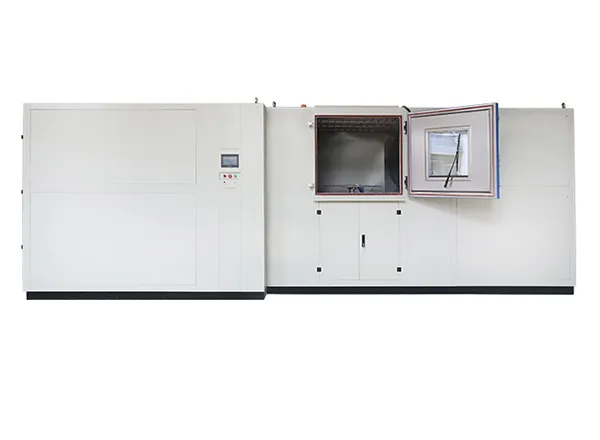
Chamber Volume | 50–150 L | 225–1000 L | Several m³ to hundreds m³ |
Ramp Rate | 1–3°C/min | 3–15°C/min (optional) | Customized |
Airflow | Uniform circulation | High-volume circulation | Multi-zone airflow |
Sample Heat Load | Low | Medium to High | Very High |
Safety Configuration | Over-temperature protection | Multiple safety interlocks | Integrated monitoring system |
Applicable Standards | IEC 60068 | IEC, ISO, MIL, JESD | Automotive, aerospace, military |
When comparing equipment, buyers should verify actual cooling performance under full sample load rather than relying only on empty-chamber specifications.
Governments worldwide are tightening regulations on fluorinated greenhouse gases. Many countries have introduced phased reductions of high-GWP refrigerants through F-gas regulations and similar environmental policies.
A sustainable test chamber typically uses refrigerants with substantially lower GWP values while maintaining stable cooling performance.
Advantages include:
Reduced environmental impact
Easier compliance with evolving regulations
Lower long-term service risk
Improved refrigerant availability
Better support for corporate sustainability goals
Future-ready laboratory investment
Manufacturers are increasingly redesigning refrigeration systems to improve efficiency while reducing refrigerant charge, resulting in lower operating costs over the equipment lifecycle.
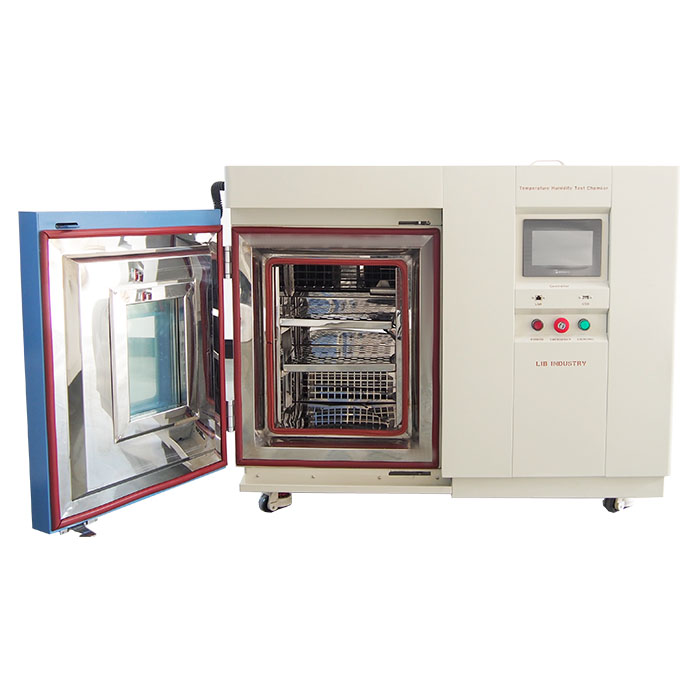
Even high-quality chambers can produce inaccurate results if testing practices are incorrect.
Large batteries, motors, or powered electronics generate heat that directly affects chamber performance. Cooling capacity should always be evaluated based on the actual sample load.
Blocking airflow reduces temperature uniformity. Most laboratories recommend limiting sample occupancy to approximately one-third of the working volume unless otherwise specified.
Monitoring sensors should represent the actual product temperature rather than measuring only chamber air temperature.
A controller may display ±0.1°C resolution, but the actual workspace uniformity could be ±1°C or greater. Buyers should review validated uniformity specifications.
A chamber capable of -70°C may still be unsuitable if the required cooling or heating ramp rate cannot be achieved with the intended test load.
Before purchasing, confirm:
Electrical supply
Cooling water (if applicable)
Drainage
Ventilation
Refrigerant service access
Floor loading
Installation clearance
Failure to address these factors often delays commissioning and increases installation costs.
Rather than selecting equipment solely by size, buyers should match chamber type to the required environmental test.
Recommended for:
Small electronic assemblies
Laboratory research
Component qualification
University testing
Recommended for:
Automotive electronics
Consumer electronics
Battery testing
Industrial products
General reliability qualification
This is the most versatile solution for routine environmental testing.
Recommended for:
Complete vehicle components
Large battery systems
Aerospace equipment
Industrial machinery
High-volume production testing
Recommended when standards require rapid transfer between hot and cold environments instead of controlled temperature ramps.
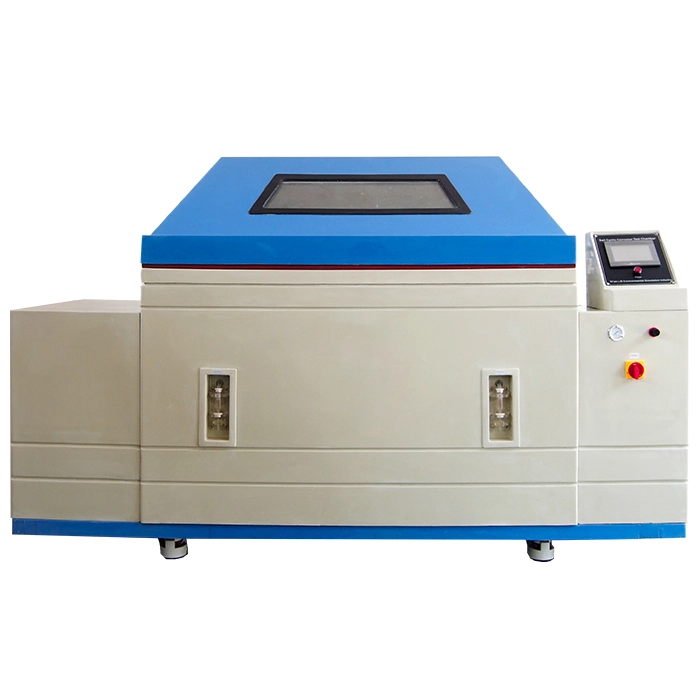
Used for corrosion resistance testing and often combined with climate testing during comprehensive durability validation.
Suitable for ingress protection testing under IEC 60529, complementing temperature and humidity qualification.
Custom-designed chambers are appropriate when testing requires:
High heating rates
Multi-zone control
Solar simulation
Altitude simulation
Vibration integration
Battery abuse testing
Large thermal loads
Manufacturers such as LIB Industry provide configurable chamber solutions for applications ranging from electronics and automotive validation to aerospace and renewable energy testing.
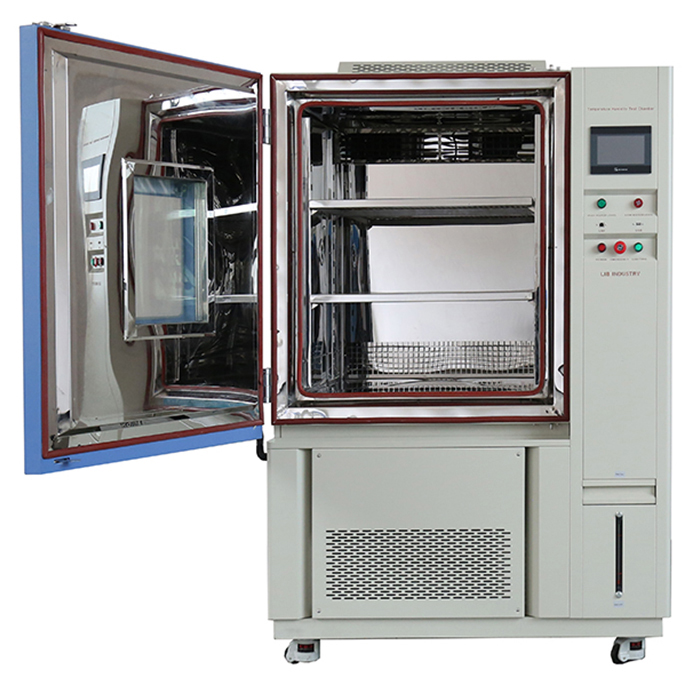
As environmental regulations continue evolving, selecting a low GWP environmental test chamber is no longer only about sustainability—it is also about protecting long-term laboratory investments. Buyers should evaluate refrigerant selection alongside temperature performance, humidity control, chamber capacity, energy efficiency, maintenance accessibility, and compliance with applicable international standards. Choosing equipment designed around modern environmental chamber refrigerant technology can reduce future regulatory risks while maintaining the reliability and repeatability expected in advanced environmental testing laboratories.
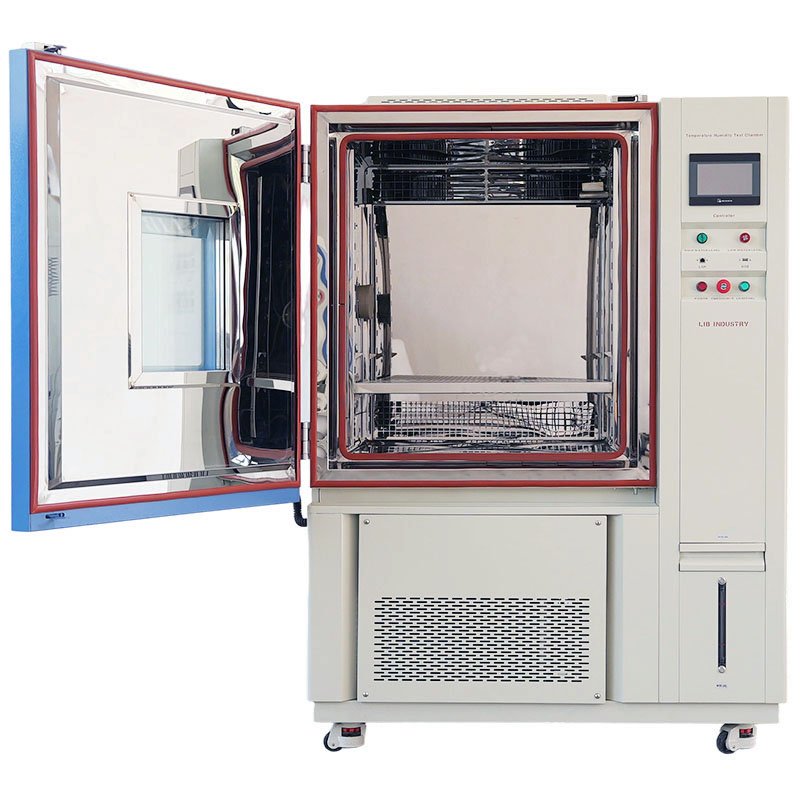
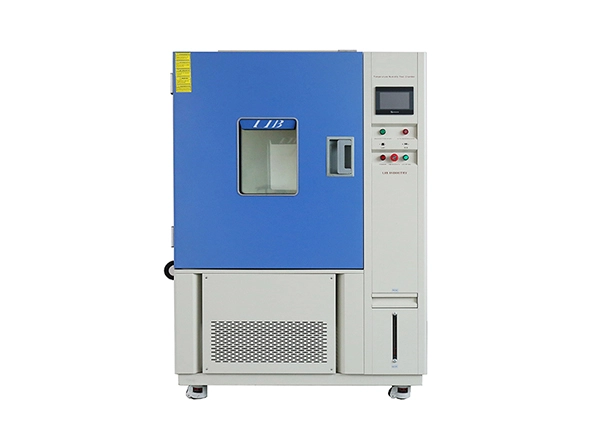
A programmable Temperature & Humidity Chamber is suitable for most environmental reliability tests conducted under IEC 60068, ISO 16750, MIL-STD-810, and similar standards.
The primary difference is the refrigeration system. A low-GWP chamber uses refrigerants with reduced global warming potential while delivering comparable temperature control and testing performance.
Testing may last from several hours to several weeks depending on the applicable standard, thermal cycling profile, humidity exposure, and product qualification requirements.
Select the smallest chamber that accommodates your largest sample while leaving sufficient space for unrestricted airflow. Oversized chambers increase operating costs, while undersized chambers reduce testing accuracy.
Yes. Many programmable temperature and humidity chambers can execute multiple testing profiles that comply with IEC, ISO, MIL, ASTM, and JEDEC standards, provided the required temperature, humidity, and ramp rates are supported.
An RFQ should specify:
Temperature range
Humidity range
Chamber volume
Sample dimensions and weight
Sample heat generation
Required ramp rate
Applicable testing standards
Power supply
Installation location
Data acquisition requirements
Safety requirements
Any customization needs
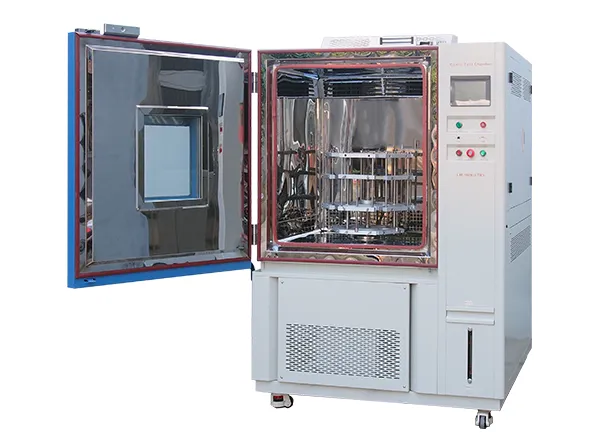
What is a small laboratory benchtop environmental temperature test chamber?
 English
 русский
 français
 العربية
 Deutsch
 Español
 한국어
한국어 italiano
 tiếng việt
 ไทย
ไทย Indonesia