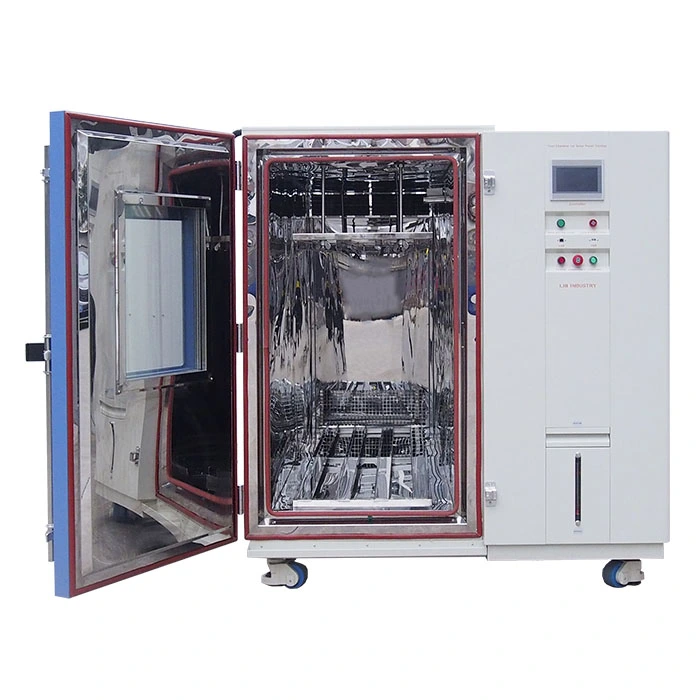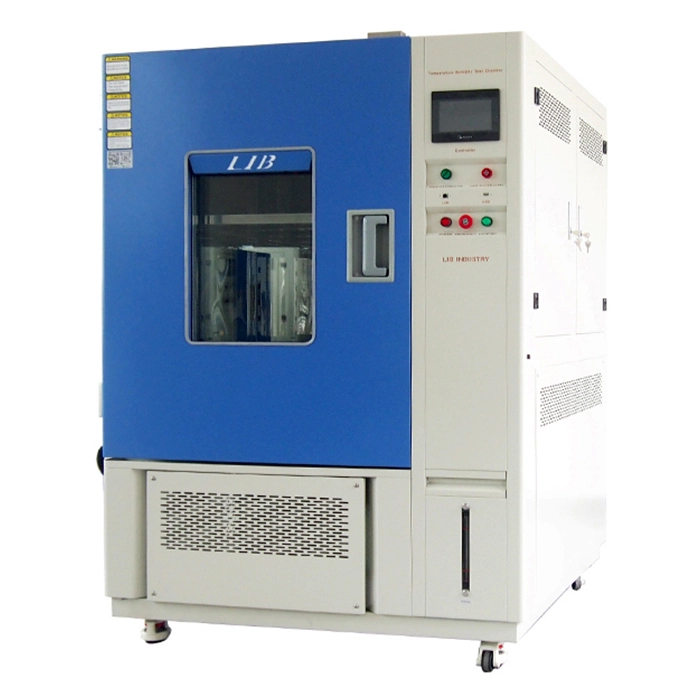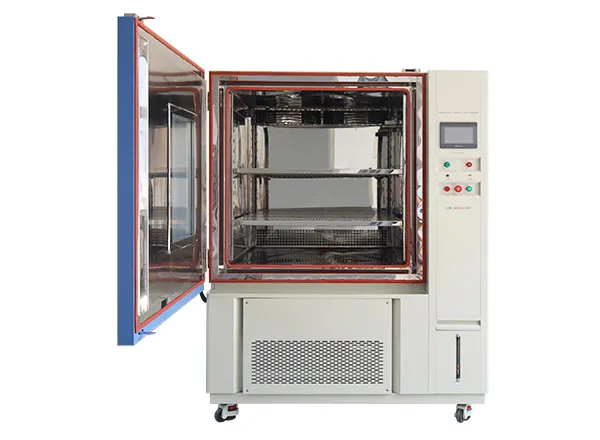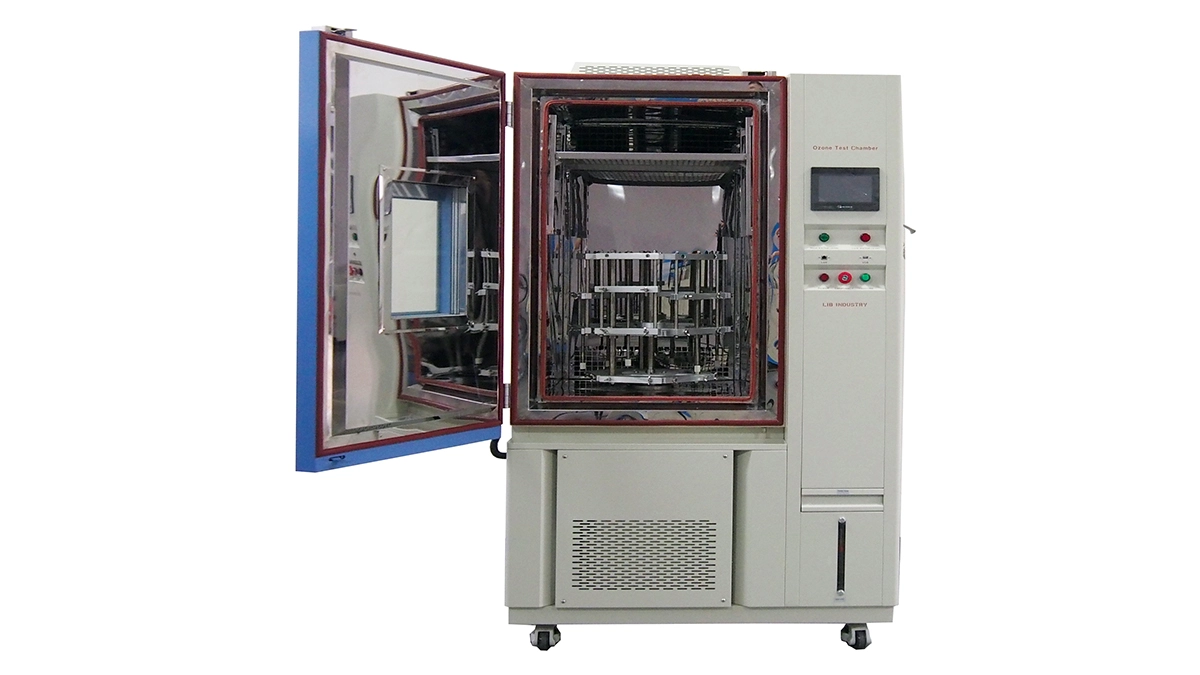
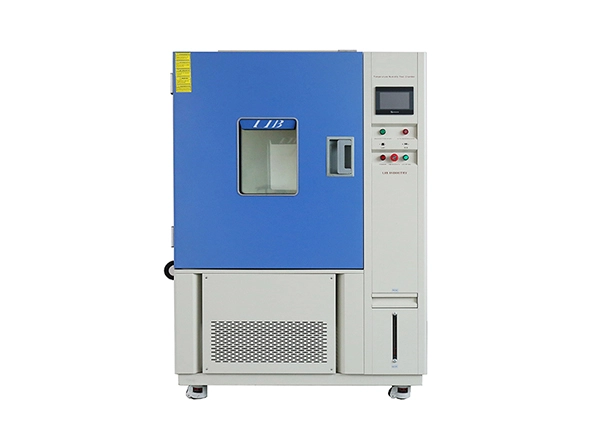
In modern laboratories and production facilities, a benchtop humidity chamber is an essential tool for testing product durability under extreme environmental conditions. Compact yet powerful, it simulates high and low temperatures, as well as wet heat cycles, to ensure products perform reliably in real-world scenarios.
Compact yet versatile, a benchtop humidity chamber delivers precise control of temperature and humidity, offering the same reliable performance expected from advanced benchtop environmental chambers and benchtop temperature humidity chambers.
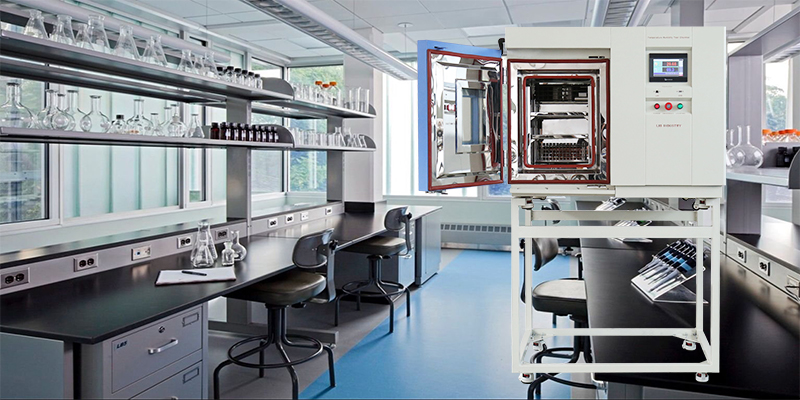
A benchtop humidity chamber is a small, laboratory-friendly environmental test unit that fits conveniently on a workbench. Despite its compact design, it supports demanding tests such as:
High-temperature exposure
Low-temperature stress
Wet heat cycle testing
These chambers are ideal for electronics, automotive parts, medical devices, polymers, coatings, and aerospace components, offering reliable results without occupying large floor space.
Process: The chamber’s heating system raises the internal temperature, often up to +150°C.
Purpose: Identifies potential issues like material expansion, deformation, discoloration, or electronic instability.
Standards Referenced: Commonly performed following IEC 60068-2-2, ISO 16750-4 (automotive components), or MIL-STD-810H (military equipment).
Process: Advanced refrigeration lowers the chamber temperature to –40°C or –70°C.
Purpose: Detects brittleness, cracking, seal failure, and electronic malfunctions due to extreme cold.
Standards Referenced: Typically conducted according to IEC 60068-2-1 and other internationally recognized methods.
Together, these tests replicate extreme climates—from scorching desert heat to arctic cold—helping engineers evaluate long-term product reliability.
The chamber alternates between heating and cooling phases.
Relative humidity levels are increased to 95–98% RH.
Cycles repeat over hours or days to accelerate material aging and degradation.
Simulates tropical environments, rainy climates, or condensation inside sealed devices.
Reveals risks such as corrosion, swelling, leakage currents, or coating failures.
IEC 60068-2-38: Cyclic damp heat test
ASTM D2247: Moisture-resistance testing for coatings and polymers
These tests provide reliable, repeatable results that comply with international standards, ensuring confidence for global product deployment.
A benchtop humidity chamber can accommodate a wide variety of test samples, including:
Electronics: Circuit boards, sensors, semiconductors, connectors
Automotive parts: Switches, dashboard components, plastics, seals
Medical devices: Sterile packaging, surgical instruments, diagnostic tools
Materials: Polymers, adhesives, paints, coatings, laminates
Aerospace components: Wiring, composites, protective coatings
Feature | Specification / Description |
Temperature Range | –70/-40/-20°C to +150°C |
Humidity Range | 20% to 98% RH |
Design | Compact benchtop model, space-saving and easy to place on a laboratory bench |
Controller | Touch-screen interface for easy programming and monitoring of cycles |
Performance | Precision sensors ensure stable and repeatable test conditions |
Customization | Optional special dimensions, extended temperature/humidity ranges, and advanced control options |
Standards Compliance | Designed according to IEC, ISO, ASTM, and MIL standards |
Applications | Suitable for electronics, automotive parts, medical devices, polymers, coatings, and aerospace components |
Explore LIB’s Benchtop Environmental Chamber for more details.
Global Expertise: Over 16 years of experience in environmental testing solutions.
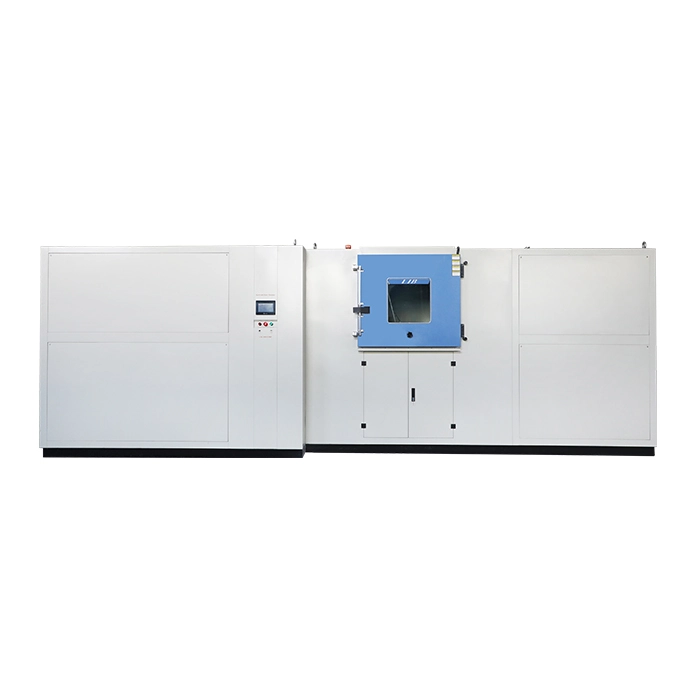
Flexible Solutions: From 30L benchtop chambers to 98m³large walk-in systems.
Standard Compliance: Fully aligned with IEC, ISO, ASTM, and MIL standards.
Customer Support: Worldwide(UK US Malaysia Canada ) installation, training, and after-sales service,one-stop solution.
A benchtop humidity chamber is compact but highly capable of performing high-temperature, low-temperature, and wet heat cycle tests in accordance with international standards. With LIB’s advanced design, precise control systems, and customization options, laboratories and manufacturers can confidently test a wide variety of products, ensuring safety, durability, and compliance in demanding environments.
 English
 русский
 français
 العربية
 Deutsch
 Español
 한국어
한국어 italiano
 tiếng việt
 ไทย
ไทย Indonesia