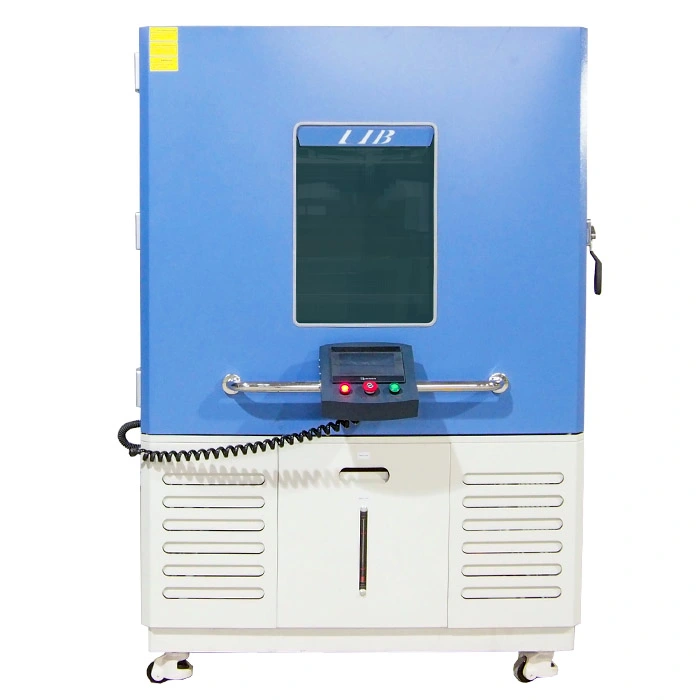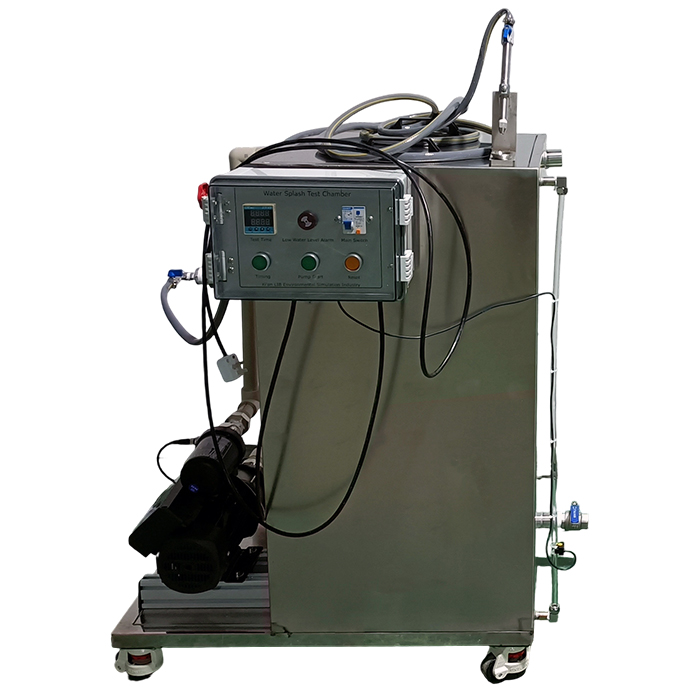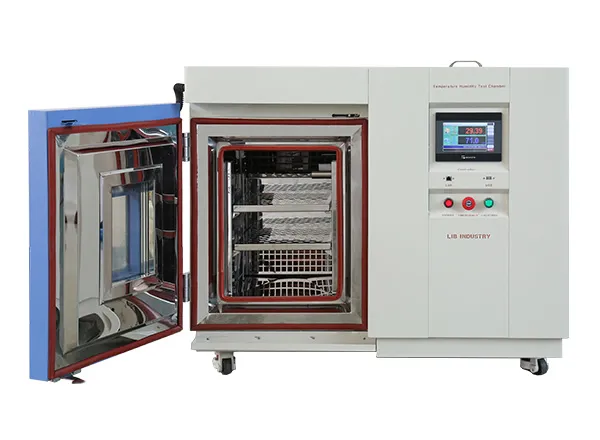
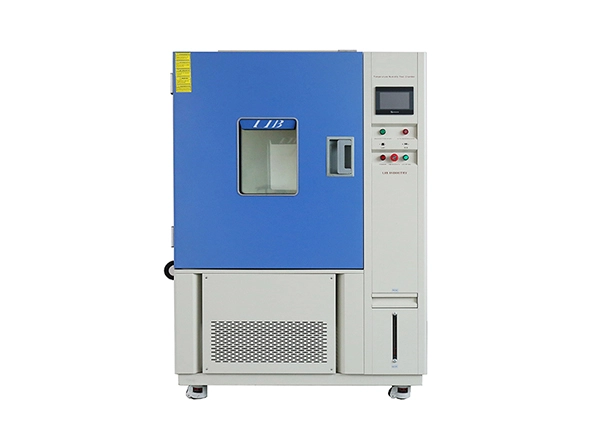
In modern electronics, automotive, and aerospace products, materials with mismatched Coefficients of Thermal Expansion (CTE) are assembled into increasingly compact designs. When these materials experience sudden temperature changes, the result is often:
Micro-cracks in substrates
Solder joint fatigue and delamination
Premature functional failure under real-world conditions
Traditional temperature cycling tests apply gradual transitions, which fail to reproduce the instantaneous thermal stress that products encounter during power surges, rapid environmental changes, or extreme operating conditions.
This is precisely where a thermal shock chamber becomes essential.
When selecting a thermal shock chamber, the decision between two-zone and three-zone designs is not simply a budget question.
It directly impacts:
How your specimen moves
How fast the thermal environment recovers
Whether your test truly meets reliability standards
Understanding this difference is the first step toward correct equipment investment.
Mechanism
Test specimens are mounted on a high-speed pneumatic basket that travels vertically between a hot zone and a cold zone. The zones remain continuously stabilized at their target temperatures.
Key Advantages
Extremely fast transition times
Direct exposure to extreme temperatures
Compact system footprint
Best For
ICs, semiconductors, and PCBs
Small-to-medium electronic components
Applications requiring <10 seconds transition time
This Two-Zone Thermal Shock Chamber configuration delivers aggressive thermal stress, making it ideal for accelerated failure detection.
Mechanism
Specimens remain static in a central test zone, while high-velocity air dampers alternately introduce hot air, cold air, and ambient isolation air from pre-conditioned chambers.
Key Advantages
No mechanical movement of specimens
Excellent stability for heavy or delicate products
Uniform thermal exposure across large loads
Best For
EV battery modules and packs
Optical instruments and precision sensors
Products sensitive to vibration or physical movement
Three-zone thermal shock test chamber systems prioritize load stability and test repeatability for complex assemblies.
| Criteria | Two-Zone | Three-Zone |
|---|---|---|
| Transition Time | < 10 s | 10–20 s |
| Load Capacity | Small–Medium | Large / Heavy |
| Specimen Movement | Yes | No |
| Footprint | Compact | Larger |
| Ideal Products | ICs, PCBs | EV batteries, optics |
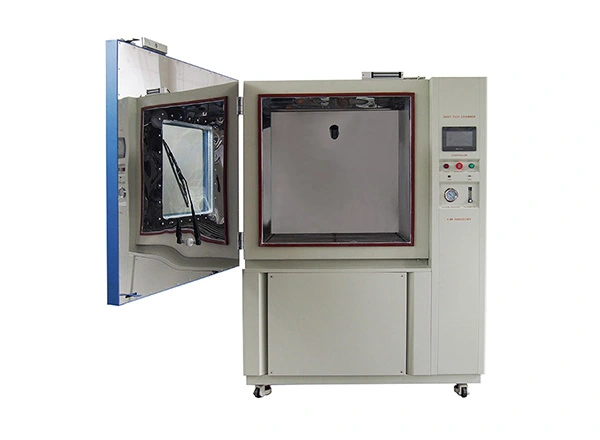
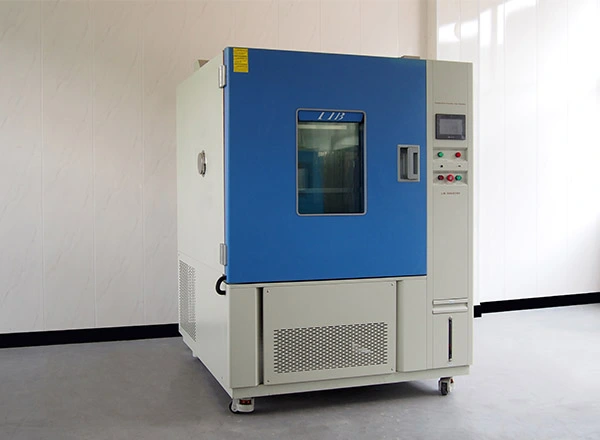
LIB industry thermal shock chambers are engineered as a complete performance system, not just a temperature box.
10-inch PLC Touchscreen Controller (TEMI 1500 / Siemens)
PID self-tuning for precise temperature control
120+ programmable test patterns
USB & RS485 interfaces for secure data logging
1 ms sampling rate for real-time curve plotting
This control architecture ensures repeatable, traceable, and audit-ready testing.
Bitzer (Germany) or Tecumseh (France) Semi-Hermetic Compressors
Binary cascade refrigeration system
Environment-friendly R404A / R23 refrigerant blend
Optimized for ultra-low temperature operation
Performance Benefit
Stable operation at –70°C for over 1000+ continuous hours, even under high-frequency shock cycles.
Temperature Range
Hot Zone: +60°C to +150°C
Cold Zone: –10°C to –70°C
Rapid Recovery Performance
≤ 5 minutes recovery time after specimen transfer, ensuring strict compliance with programmed test profiles.
Uniformity Control
Optimized internal airflow design achieves ±2.0°C temperature uniformity, eliminating thermal gradients even in high-density loads.
Workroom Construction
SUS304# mirror-polished stainless steel interior
Cold-rolled steel external casing
High-density polyurethane insulation (100 mm thickness)
Live Testing Capability
Standard Φ50 mm or Φ100 mm cable ports
Supports energized DUT testing during thermal shock cycles
Every structural detail is engineered for long-term durability, corrosion resistance, and thermal efficiency.
Semiconductors
JEDEC-level solder joint and package reliability testing
Automotive
EV battery pack screening, ECU thermal durability
Aerospace & Defense
Material fatigue and reliability validation
Global Standards Compliance
MIL-STD-883K
IEC 60068-2-14
JESD22-A104F
MIL-STD-810H
LIB industry thermal shock chambers integrate industrial-grade safety systems as standard:
Triple Over-Temperature Protection
Independent mechanical and electronic cut-offs
Compressor Safeguards
High/low pressure switches, oil pressure monitoring, motor overload protection
Operational Safety
Emergency E-Stop, phase-sequence protection, pressure relief port
Data Security
Power-failure memory function resumes testing exactly from the interruption point
This layered safety architecture protects both equipment and test data integrity.
When it comes to thermal shock testing, choosing the right partner is as critical as choosing the right chamber. LIB industry offers a complete combination of custom engineering, global support, and reliability assurance to help your lab deliver precise, repeatable results.
Non-standard chamber dimensions tailored to your workflow
Increased load-bearing capacities for heavy or large specimens
Ultra-high temperature options up to +220°C for extreme test conditions
7×24 engineering response to keep your operations running smoothly
3-year comprehensive warranty on core systems
Lifetime technical support from senior engineers
Rapid remote diagnostics with response within 1–3 hours
Annual calibration, maintenance, and troubleshooting services
Take the Next Step:
Request a 1-on-1 Consultation inquiry@libtestchamber.com with LIB industry engineers for a tailored solution
 English
 русский
 français
 العربية
 Deutsch
 Español
 한국어
한국어 italiano
 tiếng việt
 ไทย
ไทย Indonesia