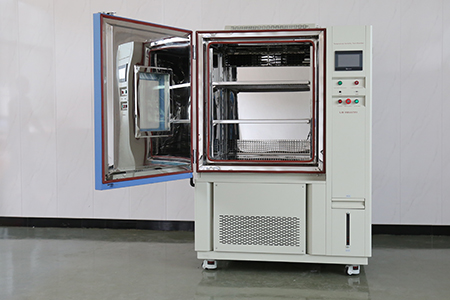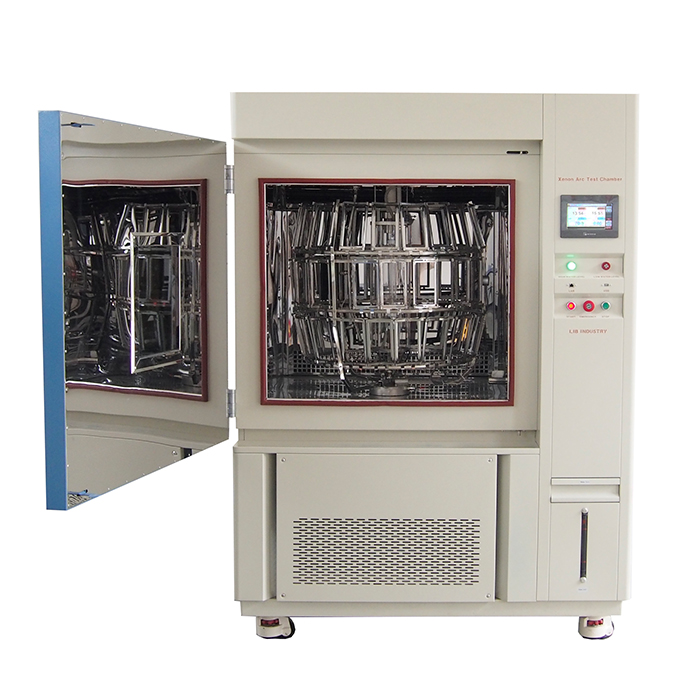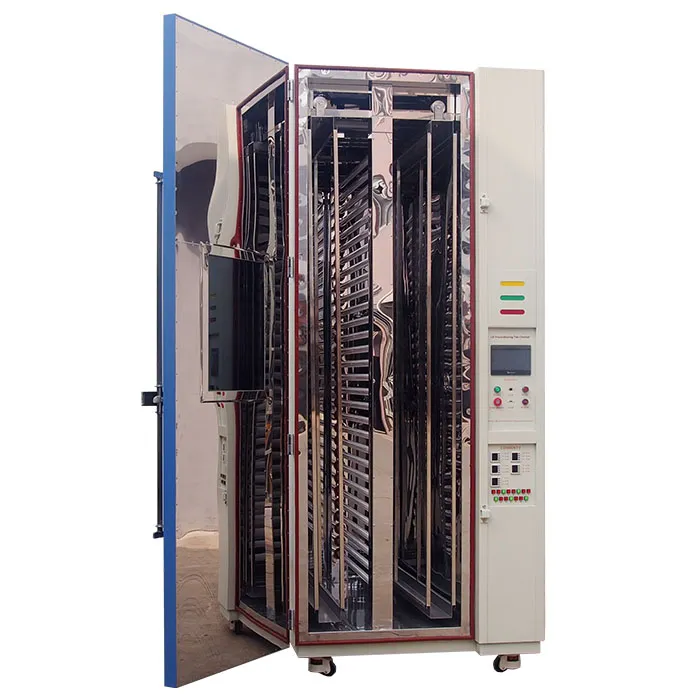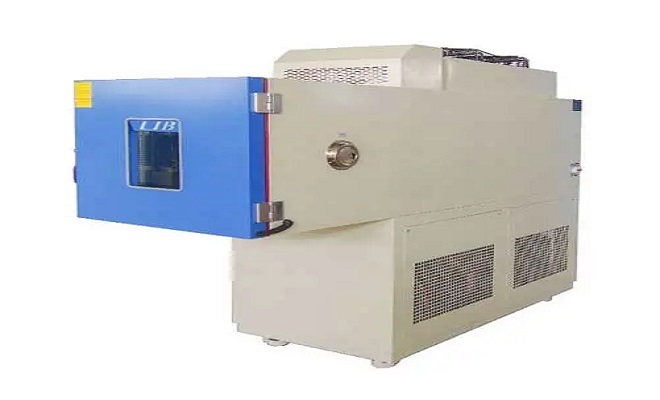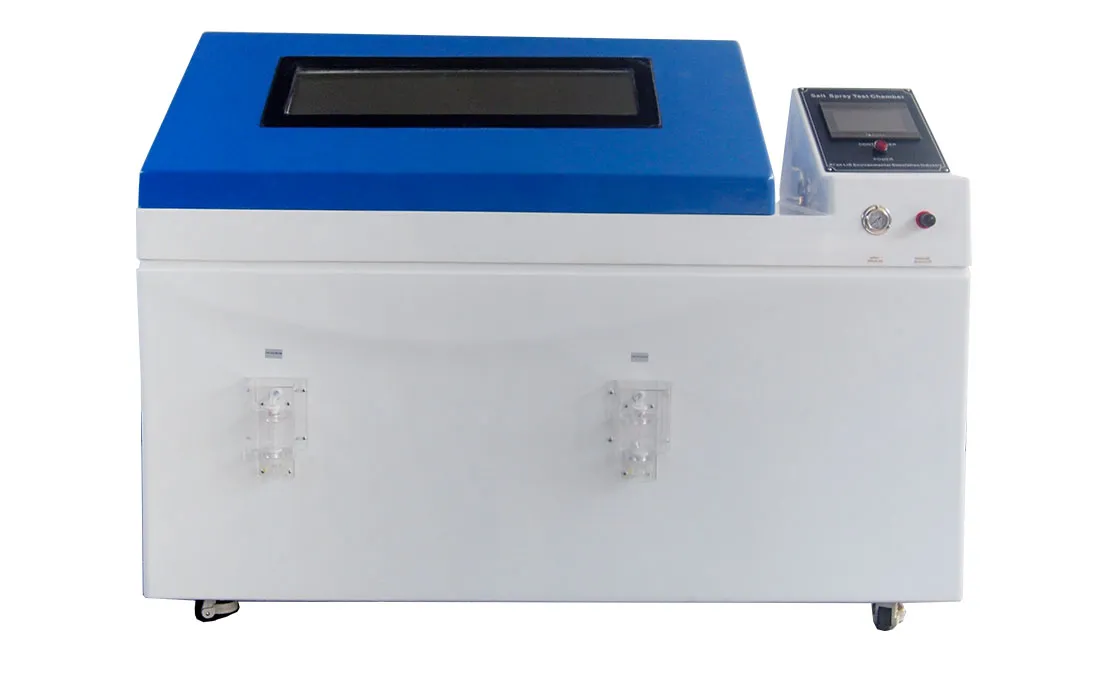
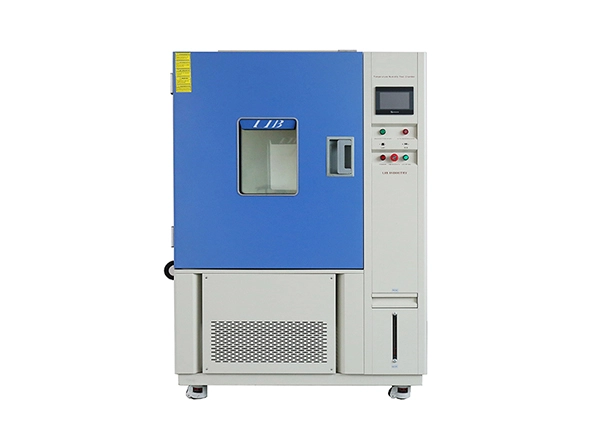
In today’s fast-paced research and development environments, space is often at a premium, budgets are tight, and testing requirements are becoming increasingly complex. Labs and R&D centers cannot afford to compromise on testing precision or efficiency. This is where benchtop environmental chambers play a critical role.

Designed to provide a controlled environment in a compact footprint, these chambers allow engineers, scientists, and quality assurance teams to simulate real-world conditions on a smaller scale without sacrificing accuracy. Whether it’s testing electronic components, medical devices, or automotive parts, a benchtop environmental chamber ensures reliable results, faster turnaround times, and reduced risk of field failures.
Many users have found that switching to a benchtop model from a full-sized chamber not only saves space but also improves lab workflow. By centralizing testing on a desktop or lab bench, researchers can conduct multiple experiments simultaneously without overloading their workspace. If you want to explore the ideal model for your lab, leave a message and our team will guide you through the options.
|
| ||
| Model | TH-50 | TH-80 | |
| Internal dimension (mm) | 320x350x450 | 400x400x500 | |
| Overall dimension (mm) | 800x1050x950 | 900×1100×1000 | |
| Temperature range | -86 ℃ ~+150 ℃ | ||
| Temperature fluctuations | ± 0.5 ℃ | ||
| Humidity Range | 10%/20%~98 % | ||
| Temperature deviation | ± 2.0 ℃ | ||
| Temperature Sensor | PTR Platinum Resistance PT100Ω/MV A-class | ||
| Temperature Resolution | ± 0.001 ℃ | ||
| Exterior Material | Steel Plate with A protective coating | ||
| Interior Material | SUS 304 stainless steel | ||
Benchtop chambers provide highly accurate control of temperature and humidity, ensuring reliable and repeatable testing for sensitive materials and components. With temperature ranges from as low as –70 °C up to +150 °C and humidity control from 20 % to 98 % RH, these chambers can simulate extreme environmental conditions encountered in real-world applications. This makes them ideal for:
Thermal cycling tests for electronics, sensors, and semiconductor components
Stability studies for pharmaceuticals and medical devices
Material aging and durability assessments under controlled high humidity or dry conditions
Advanced sensors and feedback systems maintain deviations within ±0.5 °C for temperature and ±2 % RH for humidity, ensuring precision even during long-term or accelerated tests.
Time efficiency is critical in modern R&D and production workflows. Benchtop environmental chambers support rapid heating and cooling rates—up to 3 °C/min for heating and 1 °C/min for cooling in smaller models—allowing laboratories to accelerate test cycles without compromising accuracy. Rapid temperature transitions help engineers identify potential failure points early in the design process, reducing development time and improving component reliability.
Modern benchtop chambers feature advanced programmable controllers with touch-screen interfaces, enabling users to:
Set complex multi-stage temperature and humidity profiles
Monitor real-time data for temperature, humidity, and elapsed time
Record test logs automatically for quality assurance and compliance purposes
Multiple programmable profiles allow labs to run consecutive tests without manual intervention, which increases throughput and reduces human error. Some models also support remote monitoring and data export, making it easy to integrate with lab management systems or IoT-enabled quality control workflows.
Despite their compact size, benchtop chambers can perform a wide variety of environmental tests:
Temperature and humidity cycling: Simulate daily or seasonal environmental changes for electronics, materials, and medical devices
Stability testing: Evaluate how products withstand prolonged exposure to controlled conditions
Accelerated aging tests: Assess material or component lifespan by subjecting samples to high stress conditions in a short time
Specialty tests: Including corrosion preconditioning, moisture absorption studies, and thermal shock testing
These capabilities make benchtop environmental chambers an indispensable tool for laboratories involved in electronics, automotive, medical devices, aerospace, and material sciences.
Benchtop chambers are designed to maximize performance while minimizing energy consumption. Advanced insulation and refrigeration technology reduce power usage, while the compact desktop footprint saves valuable lab space. This allows multiple units to operate simultaneously in the same laboratory without overloading electrical systems.
Safety is paramount in environmental testing. Benchtop chambers come equipped with:
Over-temperature and over-humidity protection
Automatic shutoff in case of system faults
Alarm notifications and status indicators
Durable construction for long-term reliability under continuous operation
These features ensure that sensitive samples are protected, and laboratories maintain uninterrupted, safe testing operations.

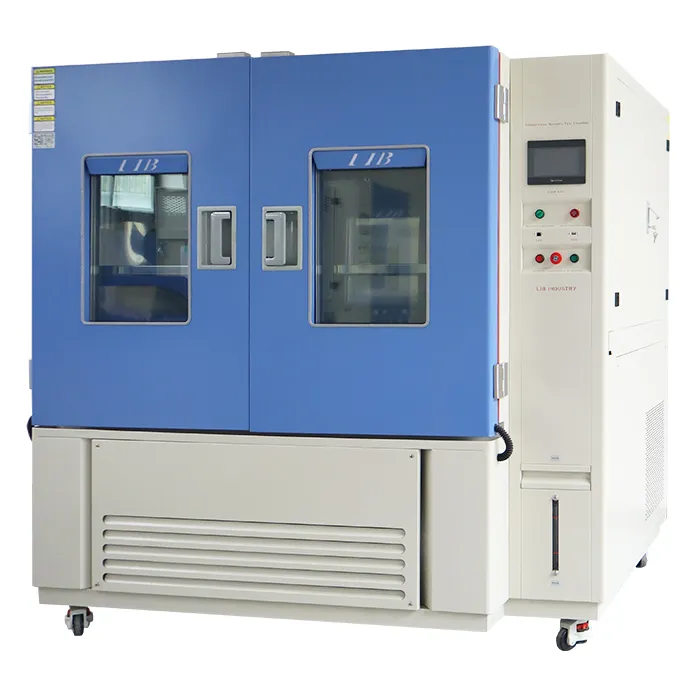
Floor-standing temperature-humidity chambers for subassemblies, mid-volume testing, and production QA
High-precision stability chambers for materials and specialized R&D projects
By combining benchtop and TH series chambers, labs can cover the full spectrum of environmental testing—from small desktop samples to large components—ensuring comprehensive reliability testing with minimal downtime.
| Type | Model / Internal Size | Temperature Range | Humidity Range | Max Heating / Cooling Rate | Ideal Use |
|---|---|---|---|---|---|
| Small Benchtop | TH-50 / TH-80 | –20 °C ~ +150 °C –40 °C ~ +150 °C –70 °C ~ +150 °C | 20–98 % RH | Heating: 3 °C/min Cooling: 1 °C/min | Small electronics, sensors, R&D testing |
| Standing Chamber | Capacity: 100 L / 225 L / 500 L / 800 L / 1000 L | Subassemblies, mid-volume testing, production QA | |||
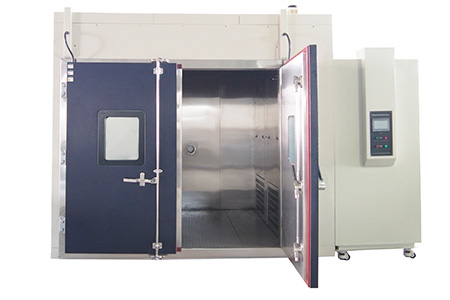
| Walk-In Chamber | Customizable > 5 m³ | Automotive, aerospace, large-scale environmental testing | |||
|
| ||||
This table highlights how benchtop models are ideal for small-scale, high-precision lab work, while standing and walk-in chambers expand testing capabilities for larger components or high-volume QA. Including the TH series in your lab setup ensures that every stage of product development and environmental validation can be covered efficiently.
1. Space and PortabilityBenchtop chambers are designed for compact labs. They fit comfortably on desktops, benches, or shelves, allowing flexibility in lab layout and multitasking. Unlike floor-standing units, they can easily be relocated or reconfigured as needed.
2. No Compromise on AccuracyDespite their smaller size, benchtop environmental chambers provide the same high precision as larger units. Temperature and humidity control, as well as thermal cycling, are fully reliable, ensuring consistent and reproducible results.
3. Energy Efficiency and ConvenienceSmall chambers consume less energy and are easier to operate, reducing operational costs. Combined with user-friendly interfaces, they enable scientists to focus on experiments rather than system maintenance.
4. Complementary Solutions from LIB industryFor labs that require both compact and large-scale testing, LIB industry offers the TH series environmental chambers:
Floor-standing temperature-humidity chambers for high-volume or large-sample testing
High-precision stability chambers for materials and specialized R&D projects
This combination allows labs to scale their testing capabilities while maintaining consistency and reliability across different setups.
Electronics R&DCompact chambers are widely used to validate electronic components under extreme conditions. Engineers can simulate high humidity or rapid thermal changes to identify potential failure points, optimize designs, and ensure products meet industry standards before mass production.
Medical Device TestingMedical labs rely on benchtop chambers to ensure devices perform consistently under varied environmental conditions. From temperature fluctuations to moisture exposure, these chambers enable thorough pre-market validation, enhancing patient safety and regulatory compliance.
Automotive Component TestingAutomotive engineers use benchtop chambers to simulate environmental stresses on parts, from heat exposure to humidity cycles. Early identification of weaknesses reduces costly field failures and improves product reliability.
These case studies highlight how benchtop environmental chambers help labs streamline operations, enhance product quality, and accelerate development timelines. Interested in seeing a demo or requesting a quote? Leave a message and our team will provide customized guidance.
When selecting a benchtop chamber, consider:
Size and Capacity: Ensure the chamber accommodates your typical sample size while fitting your lab space.
Temperature and Humidity Range: Match the chamber’s capabilities to your testing requirements.
Programmable Features: Look for intuitive controllers with multiple programmable profiles for efficient testing.
Optional Accessories: Shelving, sample holders, and remote monitoring modules can enhance usability.
Pro Tip: For labs needing both small and large-scale solutions, LIB industry’s TH series provides complementary options, ensuring that all environmental testing needs are covered.
Experience professional pre-sales consultation, on-site installation and commissioning, operator training, a 3-year warranty, lifelong technical support, and responsive English-speaking service—ensuring reliable, worry-free operation throughout your benchtop environmental chamber’s lifecycle.
Take the next step: Leave a message today to explore models, request a demo, or receive a tailored quote. With LIB industry’s benchtop and TH series chambers, your lab testing is precise, efficient, and fully supported.
 English
 русский
 français
 العربية
 Deutsch
 Español
 한국어
한국어 italiano
 tiếng việt
 ไทย
ไทย Indonesia