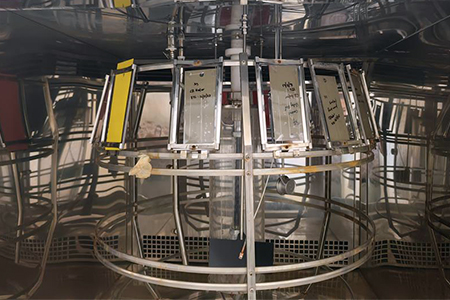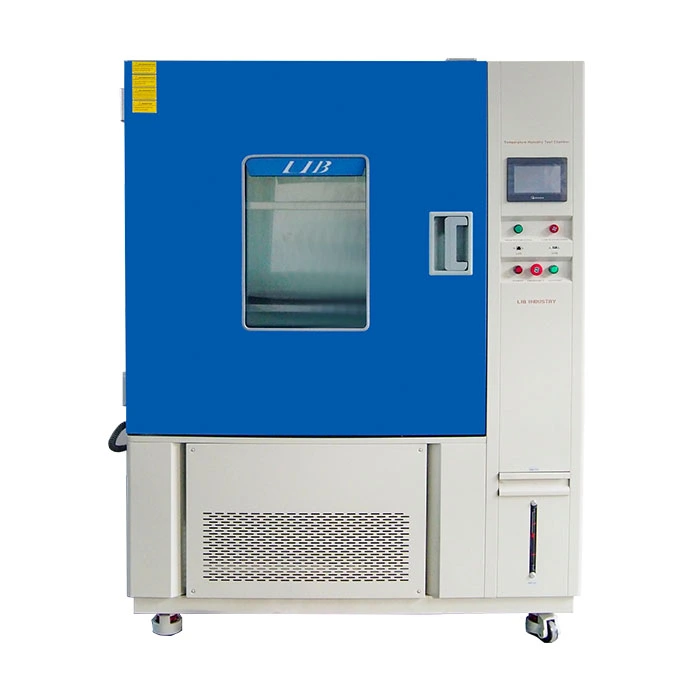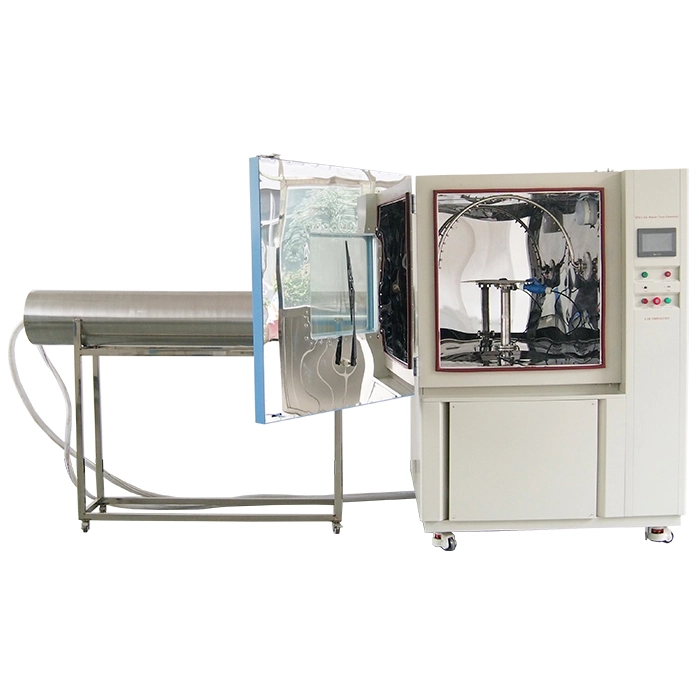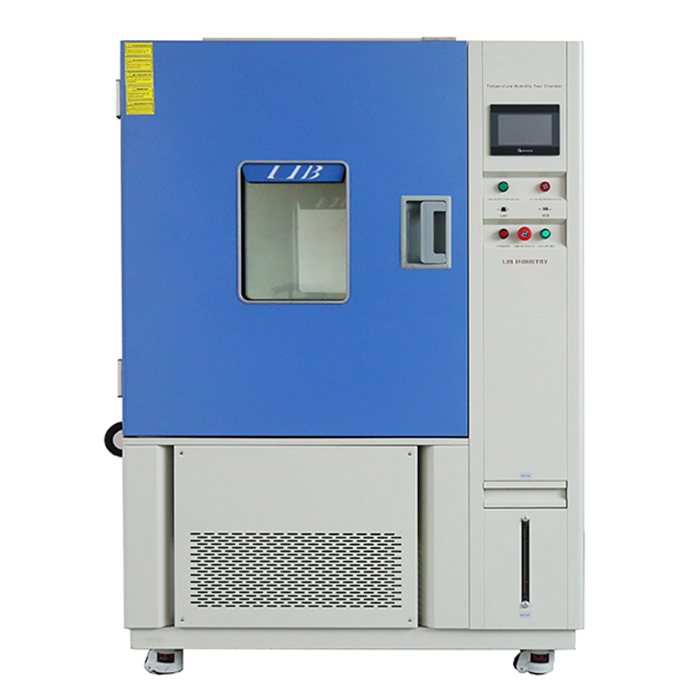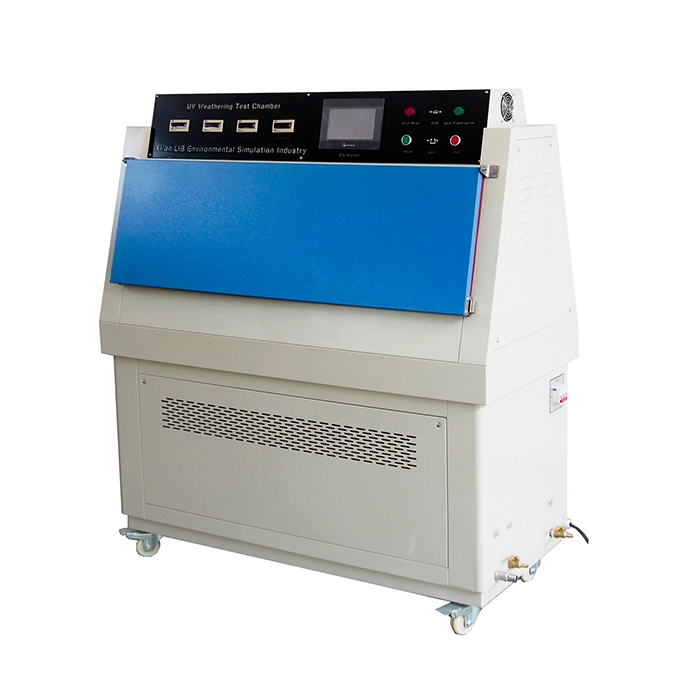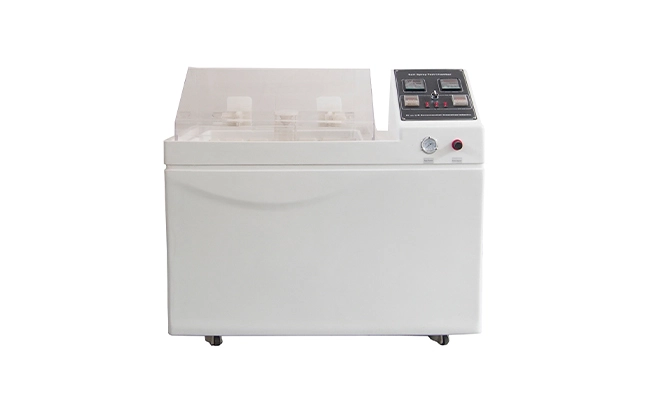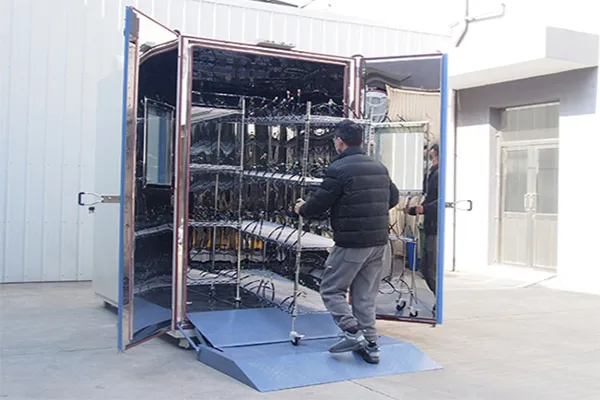
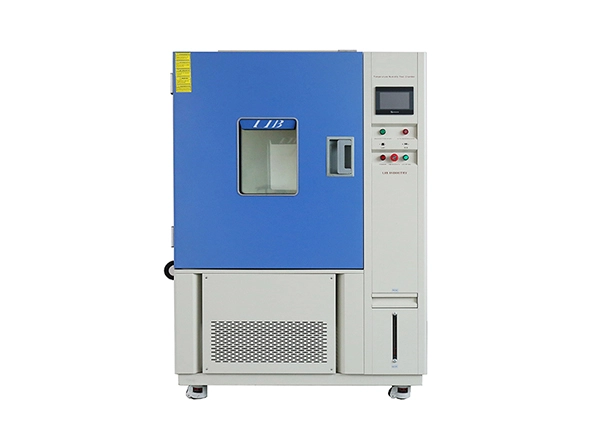
In modern materials testing and product quality assurance, the xenon weatherometer is an indispensable tool. Designed to simulate sunlight, temperature fluctuations, humidity, and rainfall, it performs accelerated aging tests that predict long-term material performance. By condensing years of outdoor exposure into weeks, this equipment provides manufacturers, laboratories, and R&D teams with precise, reliable data on durability and weather resistance. This article explores the principle, structure, key features, applications, and operating steps of the xenon weatherometer, helping you fully understand its capabilities and value.
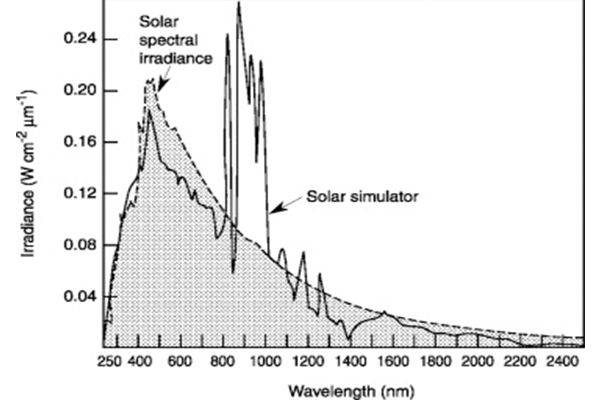
The xenon weatherometer reproduces natural sunlight with high fidelity using xenon lamps ranging from 4500W, covering the 280–800 nm spectrum, including UV, visible, and infrared radiation. By controlling irradiation intensity, temperature, humidity, and optional rainfall, it accurately mimics various climatic conditions found around the world.
 | 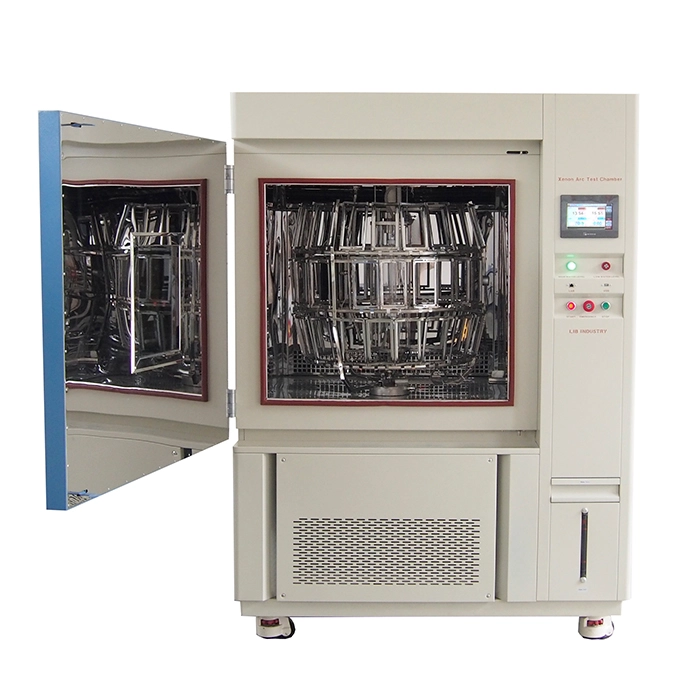 |
During testing, materials are exposed to a combination of UV and full-spectrum light, temperature/humidity cycles, and rain simulation, accelerating the aging process to replicate several years of outdoor exposure in a fraction of the time. This allows engineers to anticipate color fading, gloss loss, cracking, and mechanical degradation before a product reaches the market.
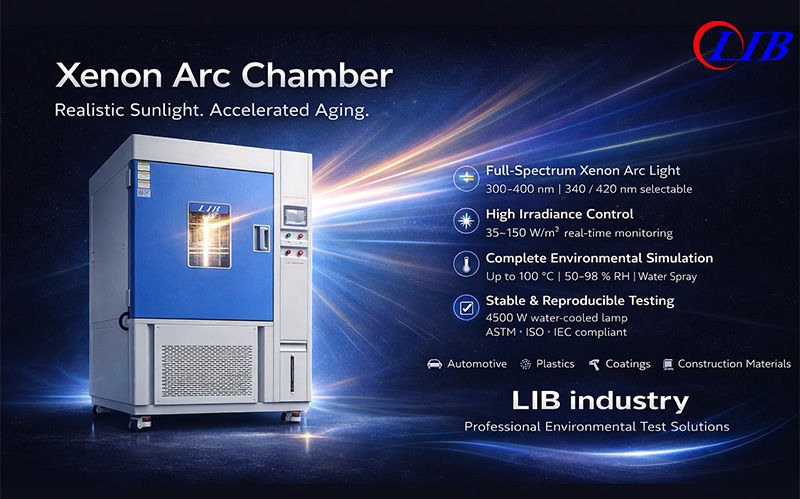
A xenon weatherometer consists of multiple integrated systems designed for precise, repeatable simulation:
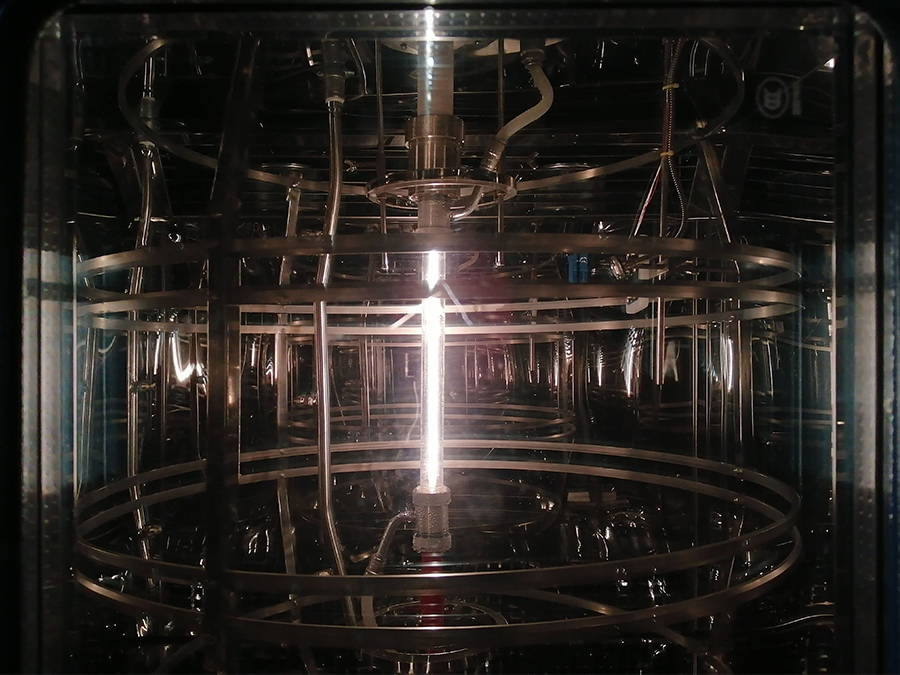
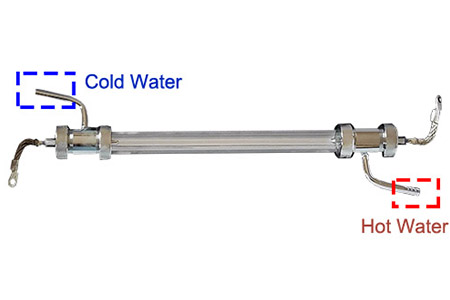
Type: Long-arc or pulsed xenon lamp/water-cooled xenon arc lamp
Power: 4500 W
Wavelength Range: 280–800 nm
Value: Provides uniform, high-fidelity radiation. Pulsed mode allows momentary high-intensity stress, simulating extreme sunlight conditions.
 |  |
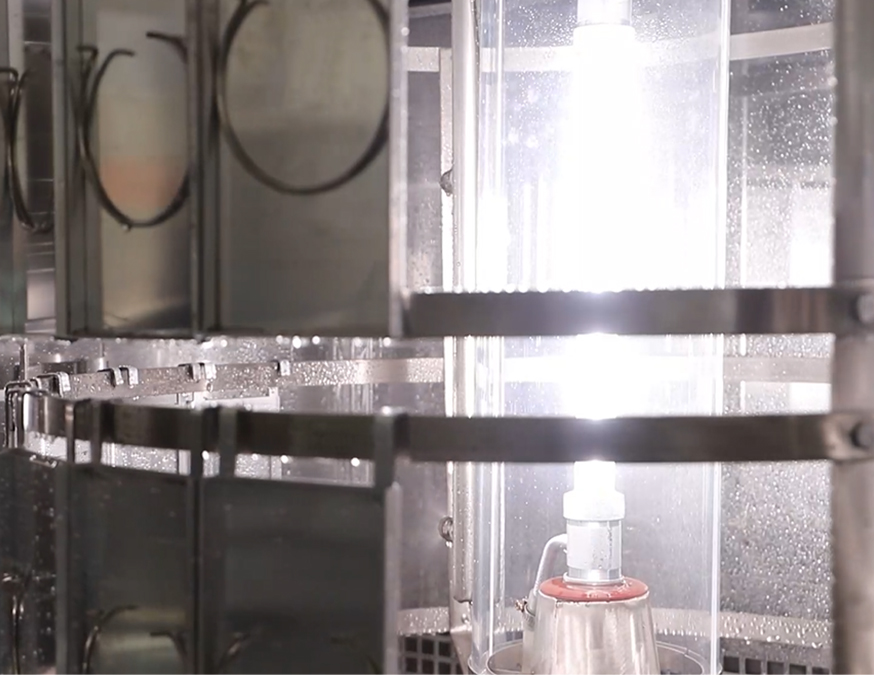
Filters: UV cutoff 280/340/420 nm; optional IR filters
Function: Adjusts the spectral distribution to replicate sunlight filtered through the atmosphere or enhance UV exposure
Value: Ensures precise simulation critical for plastics, coatings, and textiles testing
 |  |
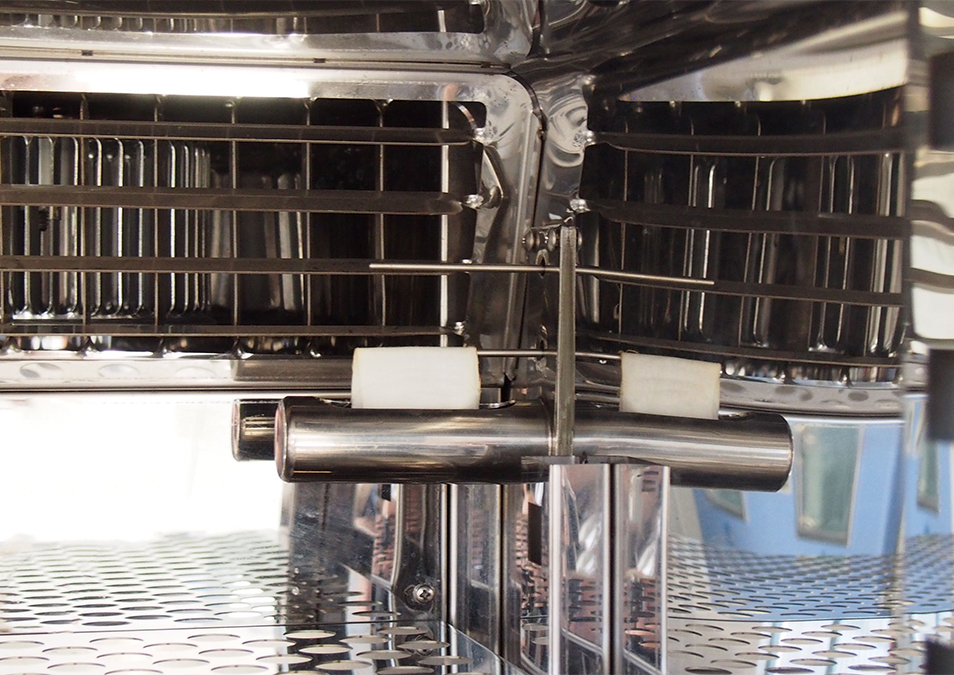
Range: –20°C to +80°C ±0.5°C
Heating/Cooling Rate: 1–5°C/min
Value: Simulates seasonal or regional extremes, enabling evaluation of thermal resistance, dimensional stability, and long-term material performance
Range: 20–98% RH ±2%
Function: Humidification and dehumidification to recreate moisture variations
Value: Essential for moisture-sensitive materials such as rubber, composites, and coatings
Spray Rate: 0.1–2 mm/min
Interval: 1–60 min
Value: Simulates rainfall and condensation, testing material durability under wet conditions
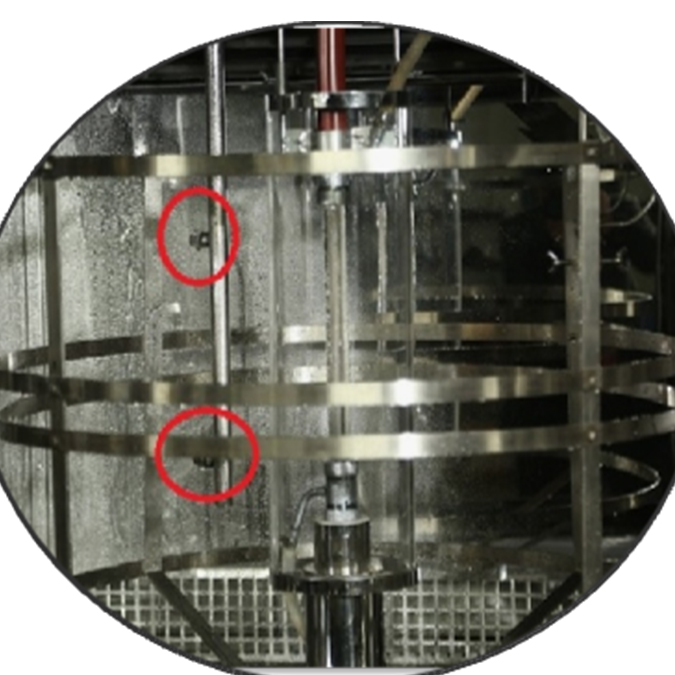
Rotation Speed: 1–5 rpm
Airflow Uniformity: ±5%
Value: Ensures uniform exposure of all sample surfaces, preventing uneven aging and producing reproducible results
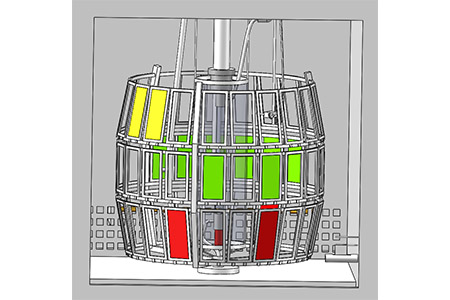
The xenon weatherometer offers unique advantages that make it an industry standard for weathering simulation:
High-Fidelity Simulation: Full-spectrum light combined with precise control of temperature, humidity, and rainfall replicates realistic weathering effects.
Accelerated Aging: Simulates 1–10 years of outdoor exposure in just 100–1000 hours, dramatically shortening testing cycles.
Repeatable Results: Fully programmable parameters guarantee consistent, reproducible results across multiple batches and laboratories.
Flexible & Versatile: Adjustable light spectrum, temperature, humidity, and spray settings comply with ISO 4892-2, ASTM G155, GB/T 16422 standards.
Comprehensive Material Insight: Captures color changes, gloss loss, mechanical degradation, and surface roughness, providing actionable data for product improvement.
Xenon weatherometers are used across multiple industries to ensure product durability and performance:
Use Cases: Pipes, films, seals, gaskets
Benefit: Evaluates UV, heat, and moisture resistance to ensure outdoor longevity
Standards: ISO 4892-2, ASTM G155
Use Cases: Vehicle paints, building coatings, industrial finishes
Benefit: Assesses color change, gloss retention, chalking, and formulation effectiveness
Standards: ASTM D4303, ISO 11507
Use Cases: Outdoor fabrics, technical textiles
Benefit: Tests fading, tensile strength decline, and weather resistance for long-lasting performance
Standards: ISO 105-B02, ASTM D6543
Use Cases: Bumpers, dashboards, interior panels
Benefit: Ensures materials withstand UV, temperature fluctuations, humidity, and rainfall while maintaining aesthetic and functional integrity
Standards: SAE J1960, ISO 4892, ASTM G155
A structured testing process ensures consistent, accurate results:
Sample Preparation
Clean, dry, and size samples according to relevant standards
Remove contaminants to prevent inaccurate readings
| 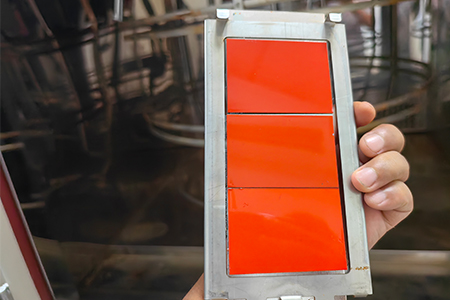 |
Parameter Settings
Light intensity: 200–1000 W/m²
Temperature: –20°C to +80°C ±0.5°C
Humidity: 20–98% RH ±2%
Rainfall: 0.1–2 mm/min, intervals 1–60 min
Cycle duration: Programmable 1–1000 hours to simulate 1–10 years of natural aging
Sample Installation
Mount on rotating racks at 1–5 rpm
Ensure airflow uniformity ±5% for consistent irradiation
Test Execution
Start the xenon weatherometer and monitor real-time parameters
Record data for irradiation, temperature, humidity, and spray cycles
Adjust as needed to maintain standard compliance
Sample Evaluation
Measure color change, gloss loss, mechanical properties, and surface roughness
Compare against untested reference samples
Generate a detailed report aligned with relevant standards
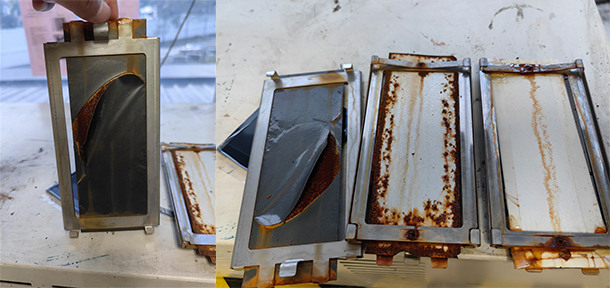
Accelerate your product testing and ensure accurate, reliable results with LIB industry xenon weatherometers.
Why Choose LIB Industry:
One-Stop Service: From consultation and delivery to installation and operation training
Rapid Support: Fast response within 1–3 hours and global on-site assistance
Comprehensive After-Sales: 3-year warranty plus lifetime technical guidance
Custom Solutions: Fully configurable parameters to meet your specific testing requirements
Contact LIB industry today at inquiry@libtestchamber.com to request a quote, download the full technical brochure, or get a tailored testing solution. Accelerate your product development with high-fidelity weathering simulation and actionable data you can trust.

 English
 русский
 français
 العربية
 Deutsch
 Español
 한국어
한국어 italiano
 tiếng việt
 ไทย
ไทย Indonesia