In today's tech-driven world, where durability and reliability merge into consumer expectations, waterproofing remains a cornerstone of product design. For electronics, wearables, and IoT devices, achieving an IPX4 certification is a key milestone in ensuring longevity and satisfaction. But what does IPX4 really mean and why is it significant? Let’s dive into the world of IPX4 waterproof testing, exploring the tools and techniques that labs use, like the oscillating spray rig, to achieve this certification.

When someone says a device is "splash-proof," they're usually referring to its IPX4 rating. But what does that mean in technical terms?
IPX4 Defined: IPX4 is part of the global IEC 60529 standard, which outlines the Ingress Protection (IP) rating system to evaluate how well devices resist dust and moisture. Specifically, the "X" represents no dust protection while the "4" indicates protection against water splashes from any direction.
The IEC 60529 standard acts as the benchmark for IP ratings worldwide. Each digit of an IP rating has a specific protective criterion. The first (e.g., "X") concerns solid objects such as dust, while the second digit (e.g., "4") refers to different levels of water exposure.
While IPX4 protects against water splashes, IPX5 steps it up to protection against water jets. This small difference makes a big impact, especially for devices used outdoors, like sprinkler systems or automotive sensors, where higher water exposure is expected.
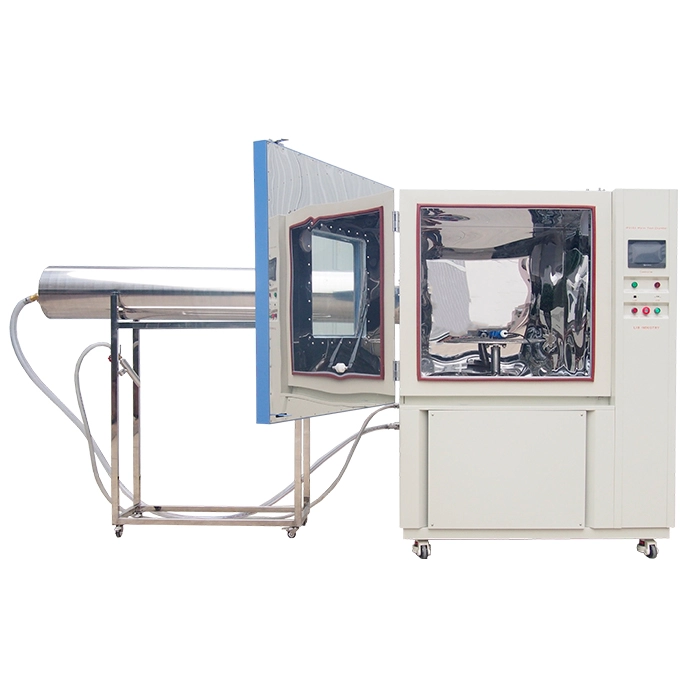
At the heart of every IPX4 certification test is a sophisticated piece of equipment known as the oscillating spray rig. This isn’t your average shower nozzle—this is a precision-engineered testing tool essential for ensuring compliance with the strict parameters set by the IEC 60529 standard.
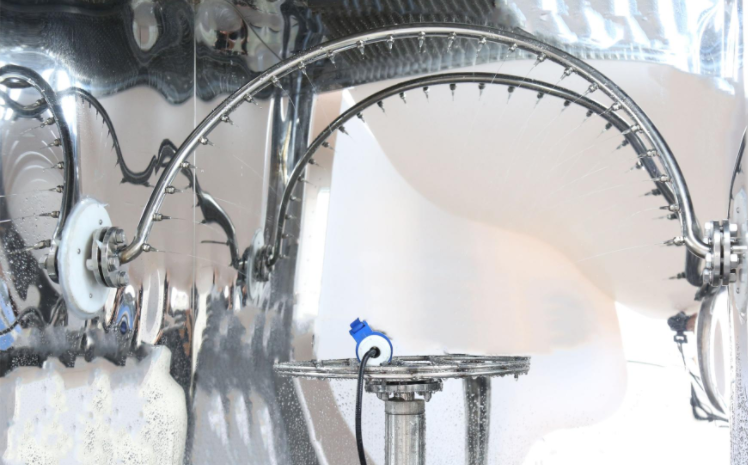
You might wonder—why not simply use a garden hose or shower sprayer? The answer lies in the precision and repeatability required to meet certification standards. An oscillating spray rig is designed to evenly cover devices under test (DUTs) with water at specific flow rates, pressures, and angles.
The key component of the spray rig is the oscillating tube, also called the R-tube. The tube oscillates across a 120-degree angle, mimicking splashes from multiple directions. Typical radii can range from 200mm to 1600mm, accommodating products of various sizes.
To align with IPX4 testing guidelines, water flows through the tube’s holes at a calibrated rate of 0.07 L/min per hole. This ensures consistency during testing and validates the water exposure necessary to test the DUT's resistance.
Understanding how a product earns its IPX4 certification offers insight into the engineering rigor behind your favorite devices.
The process begins by placing the Device Under Test (DUT) securely on a turntable, ensuring it can rotate during the test to simulate splashes from all angles. Heights and angles of the oscillating spray rig are adjusted to meet specific product dimensions.
Technicians rigorously calibrate the spray rig's flow rate and pressure according to parameters outlined in IEC 60529. Even the slightest deviation could result in inaccurate test results and product failure.
The actual test involves exposing the product to 10 minutes of water splashing, with the spray rig executing steady oscillations to ensure an even distribution. This phase mimics real-world scenarios like rainfall or accidental liquid exposure.
Once the splash test is complete, technicians examine the product for water ingress points. Whether it’s a smartphone’s button seam or a charging port, a failed IPX4 test might signal vulnerabilities that could lead to short circuits or water damage.
Even sophisticated devices can fail the IPX4 test if manufacturers neglect weak points in their designs. Here are the most common failure points and strategies to address them:
Gaskets: Improperly sealed gaskets are a prime culprit for water entry. Ensure high-quality materials and leverage tight sealing methods for device enclosures.
Charging Ports: Exposed ports often fail under splash conditions. Consider incorporating hydrophobic coatings or protective flaps.
Button Seams: Poor button sealing can create water traps. Use precision engineering techniques, such as ultrasonic welding, to achieve seamless seals.
By addressing these vulnerabilities during the design phase, manufacturers can increase the chances of passing IPX4 certification on their first attempt.
IPX4 testing isn't just a regulatory hurdle—it’s a critical investment in product quality, customer satisfaction, and ultimately, your business’s financial success.
An IPX4-certified product stands as a guarantee to your customers that their devices can withstand everyday accidents, like spilled water or light rain. It adds credibility and boosts consumer confidence.
With proper IPX4 certification, manufacturers significantly lower the risk of product returns due to water damage, cutting down on warranty costs while enhancing the customer experience.
Securing IPX4 waterproof certification is no small feat, but the benefits for manufacturers and consumers alike are undeniable. By leveraging the right equipment, like our oscillating spray rigs, you can rest assured that your product meets stringent global standards for water resistance.
 English
 русский
 français
 العربية
 Deutsch
 Español
 한국어
한국어 italiano
 tiếng việt
 ไทย
ไทย Indonesia