How long will your product really last on a shelf? For food manufacturers, cosmetic brands, pharmaceutical companies, and even pet food producers, answering this question too slowly means lost market share – answering it wrong means recalls, liability, and brand damage.
Traditional real‑time shelf life testing can take one, two, or even three years. By then, your formulation or packaging might already be outdated.
Accelerated Shelf Life Testing Equipment solves this problem by compressing years of aging into weeks. It uses precisely controlled temperature, humidity, and optional environmental stresses to predict how products degrade over time. But one question always comes first: What exactly can this equipment test?
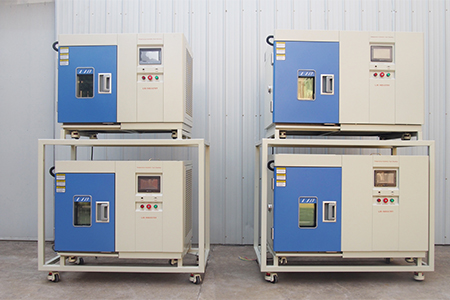
LIB Industry‘s Shelf Life Test Chamber solves this problem by compressing years of aging into weeks. It uses precisely controlled temperature, humidity, and optional environmental stresses to predict how products degrade over time. But one question always comes first: What exactly can accelerated shelf life testing equipment test?
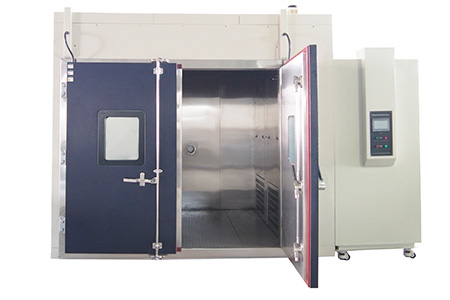
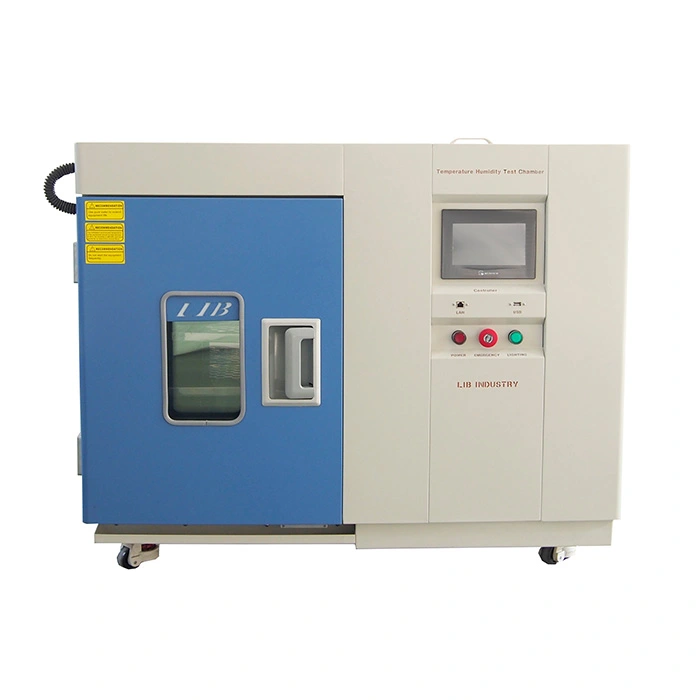
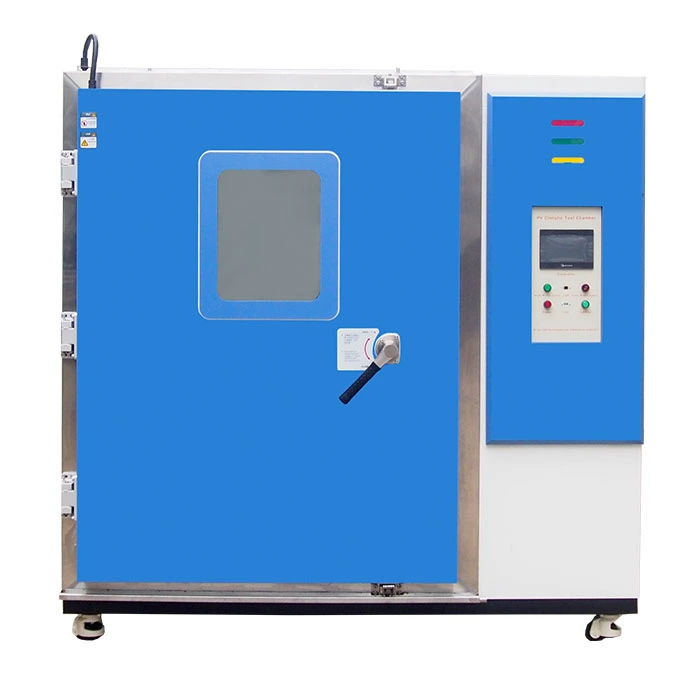
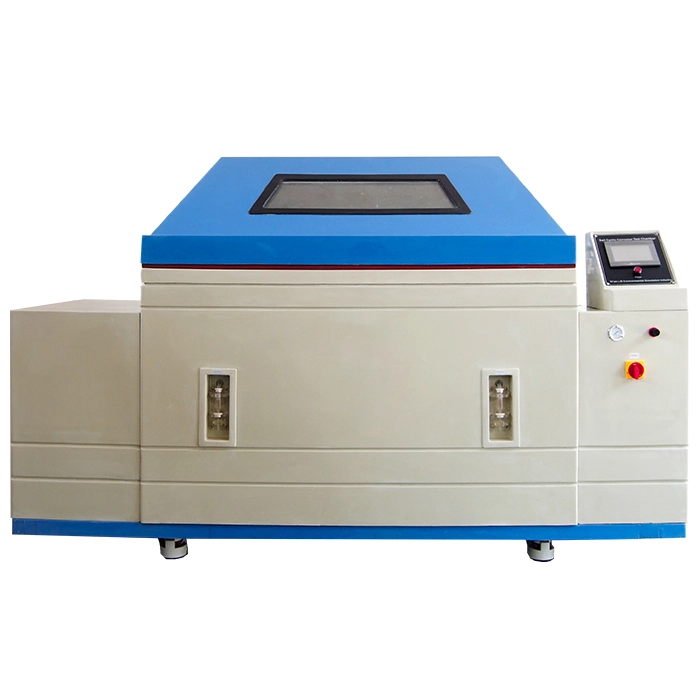
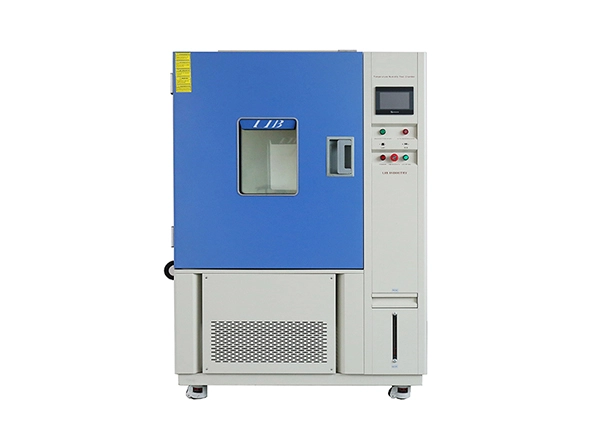
Accelerated Shelf Life Testing Equipment is a programmable environmental chamber designed to simulate long-term storage conditions in a short period.
 |
|
|
|
|
| |
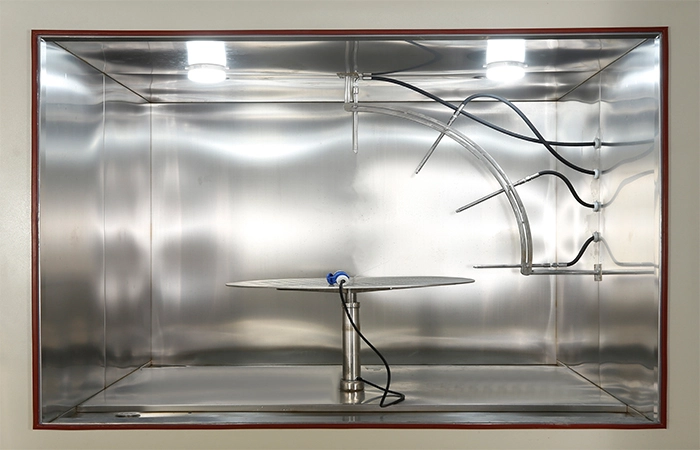
| Robust Workroom | Cable Hole | Temperature and Humidity Sensor | PID controller |
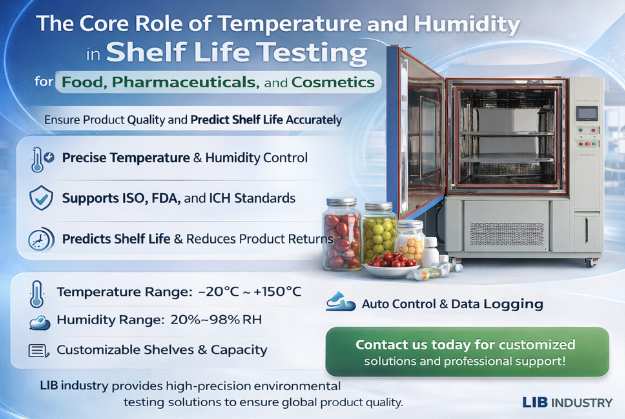
Temperature: -70℃ up to +150℃ (covers frozen goods to high‑temperature aging)
Humidity: 20% to 98% RH (from dry deserts to tropical warehouses)
Control accuracy: ±0.5℃ / ±2% RH for repeatable, traceable results
Programming: constant, cyclic, or step‑profiles – e.g., daily temperature swings or freeze‑thaw cycles
Shorten validation from years to weeks – 3 months of accelerated testing can simulate 2–3 years of real storage.
Catch failures early – oxidation, delamination, moisture loss, texture change, microbial growth.
Reduce costs – no need to hold product for years in a warehouse; faster R&D iteration.
Support global compliance – meets major international standards (see Section 4).
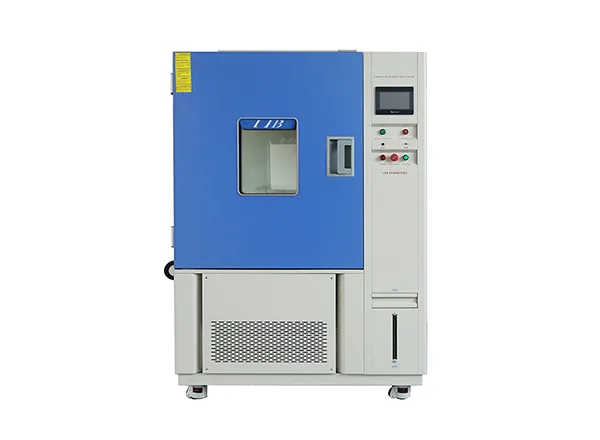
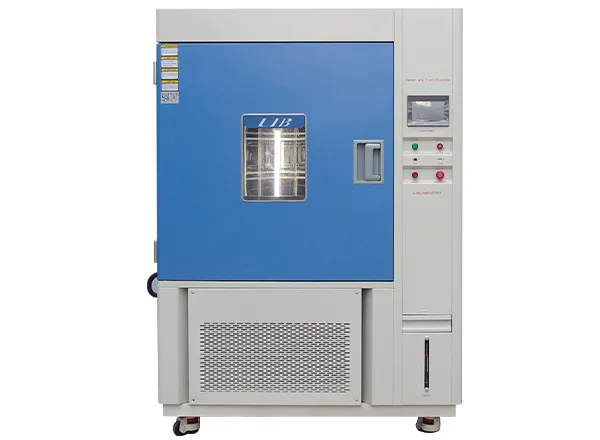
LIB Industry‘s typical models include the TH‑100A, TH‑225A, TH‑500A, TH‑800A, and TH‑1000A, with internal volumes from 100L to 1000L. All feature SUS304 stainless steel interiors, programmable touchscreen controllers, remote monitoring via Ethernet, and multiple safety protections (over‑temperature, over‑current, dry‑combustion protection).
Typical samples: Potato chips, mixed nuts, fried dough sticks, flavored peanuts.
Failure mode: Rancid smell (oxidation), peroxide value exceeding limit, loss of crispness.
Suggested conditions: 40°C / 50% RH for 6–8 weeks.
Key measurements: Peroxide value, acid value, sensory evaluation, oxygen headspace.
Reference test methods:
AOAC 965.33 – Peroxide value of oils and fats
AOAC 971.22 – Acid value of fats and oils
Typical samples: UHT milk, barista oat milk, ready‑to‑drink coconut water, cold brew coffee.
Failure mode: Cream separation, sedimentation, pH drop, fat floating.
Suggested conditions: 37°C / 60% RH for 4–12 weeks.
Key measurements: Centrifugal sedimentation rate, particle size, pH, total plate count.
Reference test methods:
ISO 4833‑1 – Microbiology of the food chain – Horizontal method for enumeration of microorganisms
ISO 4832 – Enumeration of coliforms
ISO 11133 – Preparation and quality control of culture media
Typical samples: Beef jerky, ham sausage, dried anchovies, surimi snacks.
Failure mode: TVB‑N increase (total volatile basic nitrogen), moisture sweating, hardening.
Suggested conditions: 35°C / 75% RH for 5–8 weeks.
Key measurements: TVB‑N, water activity (aw), texture profile analysis (TPA).
Reference test methods:
ISO 23662 – Reference method for TVB‑N (especially for fish and fishery products)
ISO 4833‑1 – Enumeration of microorganisms
Typical samples: Sliced bread, sponge cakes, mooncakes, Danish cookies.
Failure mode: Mold growth, starch retrogradation (hardening), fat migration.
Suggested conditions: 38°C / 85% RH (accelerates mold and moisture migration).
Key measurements: Mold count, hardness (texture analyzer), moisture distribution.
Reference test methods:
ISO 21527‑1/2 – Enumeration of yeasts and moulds
ISO 21807 – Determination of water activity
ISO 4833‑1 – Enumeration of microorganisms
Typical samples: O/W face cream, physical sunscreen lotion, liquid foundation.
Failure mode: Oil separation, water syneresis, color change, emulsion cracking.
Suggested conditions: 45°C constant or freeze‑thaw cycles (-10°C ↔ 45°C).
Key measurements: Centrifugal stability, viscosity, colorimetry, odor change.
Reference test methods:
ISO 29621 – Cosmetics – Microbiology – Low‑risk product identification
ISO 11930 – Cosmetics – Microbiology – Evaluation of antimicrobial protection
Typical samples: Probiotic powder in capsules, omega‑3 softgels, vitamin C gummies.
Failure mode: Live bacteria count decline, delayed disintegration, sticking.
Suggested conditions: 25°C/60% RH parallel with 40°C/75% RH (ICH conditions).
Key measurements: CFU/g count, disintegration time, moisture content.
Reference test methods:
ISO 20128 – Enumeration of lactic acid bacteria in fermented milk products (applicable to probiotic strains)
ISO 15214 – Enumeration of lactic acid bacteria – Colony‑count technique
Typical samples: Extruded dog food, cat pâté, freeze‑dried chicken bites, dental chews.
Failure mode: Fat oxidation (rancidity), mold growth, abnormal hardness.
Suggested conditions: 40°C / 70% RH for 8 weeks.
Key measurements: Peroxide value, mold and yeast count, breaking strength.
Reference test methods:
AAFCO Official Guidelines – Nutritional stability verification for pet food
AOAC methods (for protein, fat, fiber, moisture) – e.g., AOAC 954.02 (crude protein)
Typical samples: Dried meat in laminated aluminum foil bags, roasted coffee beans in valve bags.
Failure mode: Seal strength loss, oxygen ingress, aroma/flavor loss.
Suggested conditions: 38°C / 60% RH.
Key measurements: Residual oxygen (headspace), seal strength, sensory aroma.
Reference test methods:
ASTM F1980 – Standard guide for accelerated aging of sterile barrier systems
ASTM D4332 – Standard practice for conditioning of packaging for testing
Typical samples: Hydrogel dressings, sterile gloves, medical tapes.
Failure mode: Adhesion loss, sterility failure, material embrittlement.
Suggested conditions: 50°C / dry (following ASTM F1980 accelerated aging).
Key measurements: Peel adhesion, tensile strength, sterility validation.
Reference test methods:
ASTM F1980‑21 – Accelerated aging of sterile barrier systems
ISO 11607‑1 – Packaging for terminally sterilized medical devices
The Accelerated Shelf Life Testing Equipment itself complies with equipment‑level international standards such as IEC 60068 (environmental testing), ICH Q1A (pharmaceutical stability protocol), and ASTM F1980 (accelerated aging protocol). Together, these ensure your test results are reproducible, traceable, and globally acceptable.
One major reason to invest in Accelerated Shelf Life Testing Equipment is compliance. Below are the key equipment‑level and protocol‑level international standards (no national standards) that reference or require accelerated aging / stability testing.
Standard | Application Area | Key Requirement |
ICH Q1A | Pharmaceutical stability | Defines 40°C/75% RH for 6 months accelerated testing for drug registration. |
ASTM F1980 | Medical device aging | Standard guide for accelerated aging of sterile barrier systems and devices. |
IEC 60068 | Electronics & components | Environmental testing – temperature, humidity, cyclic tests. |
ISO 22000 | Food safety management | Requires validation of shelf life under defined conditions (accelerated methods allowed). |
21 CFR Part 211 | FDA drug GMP | Data integrity and stability testing requirements for pharmaceutical products. |
UL 2580 / SAE J2464 | Battery & automotive | Abuse and accelerated aging tests for EV batteries and components. |
The equipment described here (with ±0.5°C temperature accuracy, programmable logging, and audit‑trail capable controllers) fully supports all of the above standards. For food and cosmetics, the same hardware can run ICH‑style protocols, ensuring your export documentation meets EU, US, and Asian market requirements.
Not every lab needs the largest chamber. Here is a practical recommendation based on product type and batch size.
Application Scenario | Recommended Model | Volume | Why |
Food / Cosmetic R&D | TH-225 | 225L | Enough for multiple SKUs, fits on a benchtop footprint. |
Pharmaceutical stability (ICH) | TH500 | 500L | Room for dozens of packs, supports long-term studies. |
High throughput batch testing | TH-800 1000 | 1000L | Bulk testing of pet food, electronics, or large packaging. |
Frozen / low-temperature products | TH-100C (-70°C) | 100L | For ice cream, frozen ready meals, or cold-chain validation. |
|
|
All models support non‑standard customization: additional light exposure, salt spray, vibration, or special sample holders.
Using Accelerated Shelf Life Testing Equipment is not just about having a chamber – it is about making faster, safer business decisions.
For R&D: Iterate formulations in 3 months instead of 2 years. Test different preservatives, antioxidants, or packaging films simultaneously.
For Quality Assurance: Identify failure modes before full production. Avoid costly recalls and rejected shipments.
For Regulatory Affairs: Generate stability data that auditors recognize. Meet ICH, FDA, and EU requirements with one validated system.
For Marketing: Launch with a confident shelf‑life claim. Extend “best before” dates legally after generating supporting data.
No two products age the same. The ideal temperature, humidity, and test duration depend on your product chemistry, packaging, and target market.
LIB Industry offers:
A free accelerated shelf life test plan design based on your product and target standards.
Expert consultation on temperature‑humidity acceleration models (e.g., Q₁₀, Arrhenius).
3‑year warranty and lifetime technical support.
Contact us today – simply provide your product category (e.g., “probiotic gummies” or “plant‑based milk”) and desired international standard, and we will send you a recommended test protocol within 24 hours.
 English
 русский
 français
 العربية
 Deutsch
 Español
 한국어
한국어 italiano
 tiếng việt
 ไทย
ไทย Indonesia