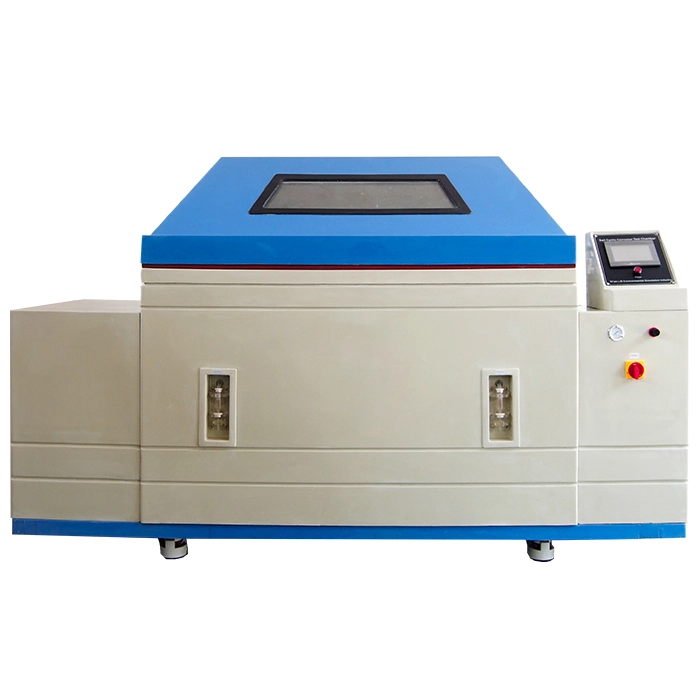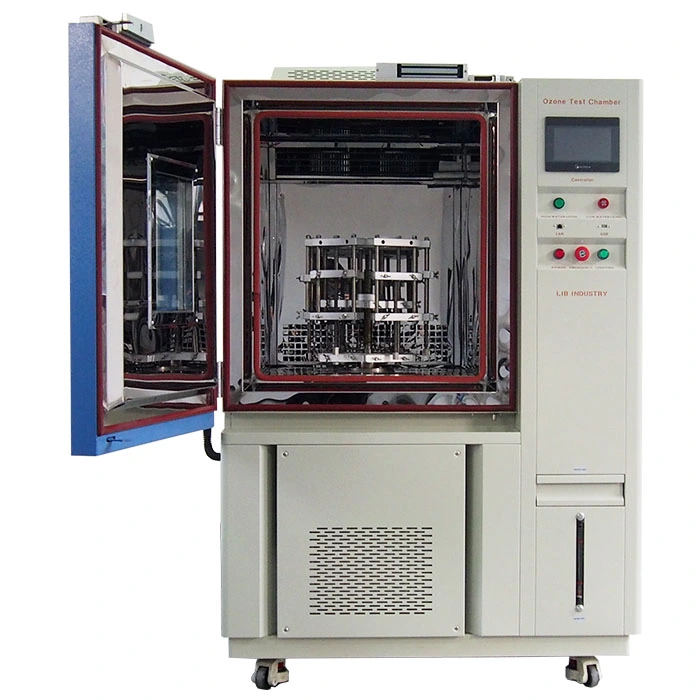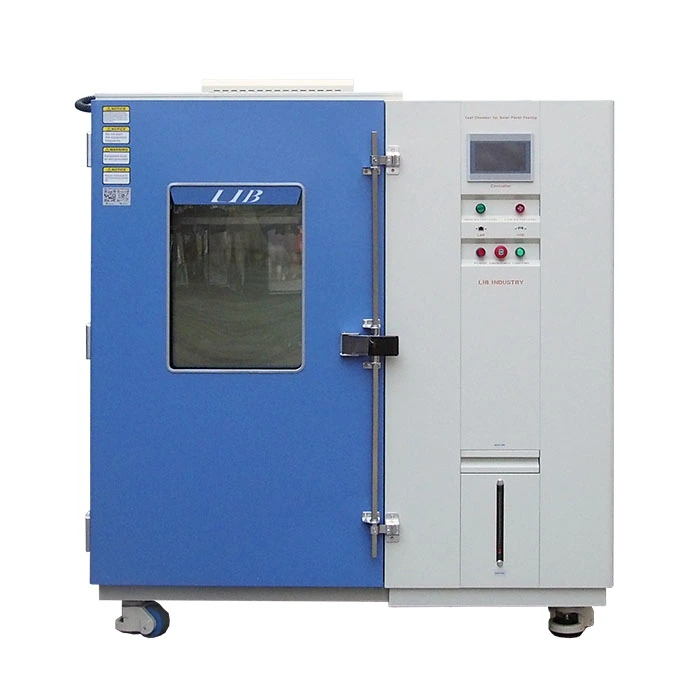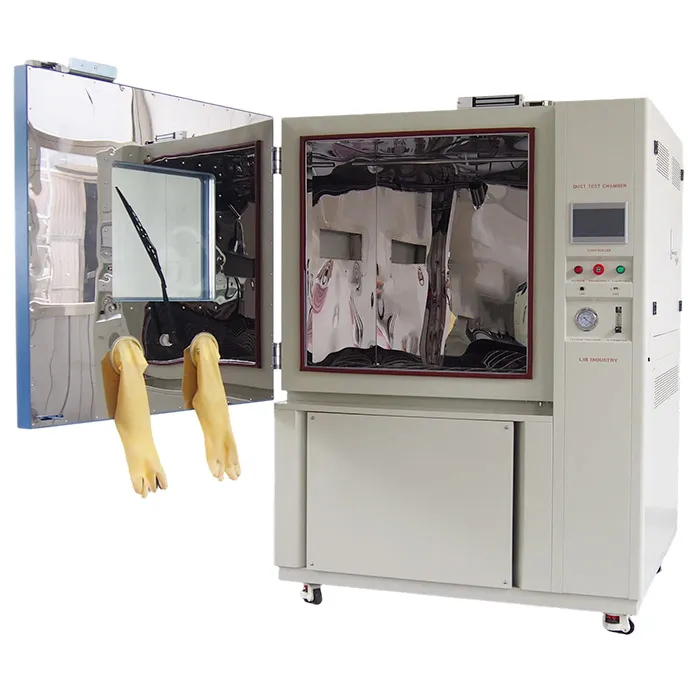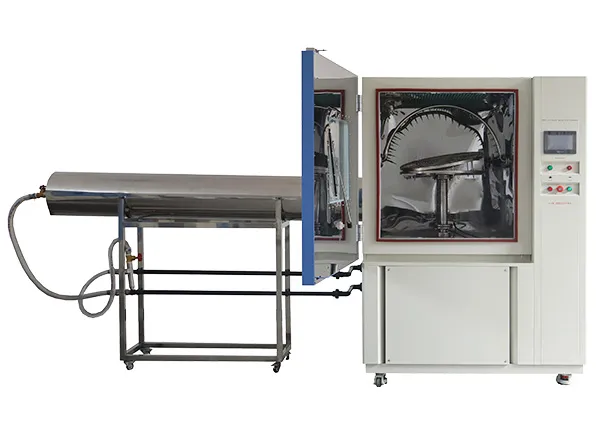
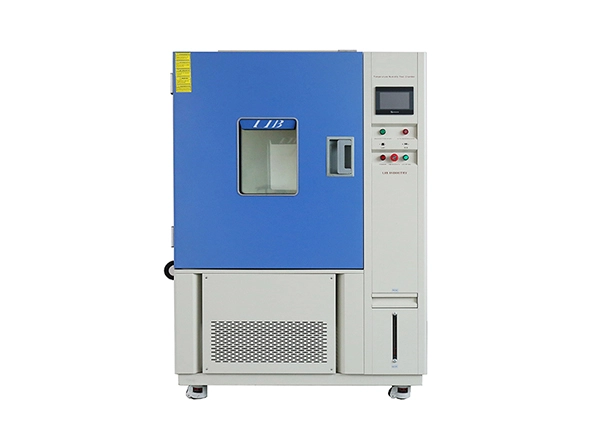
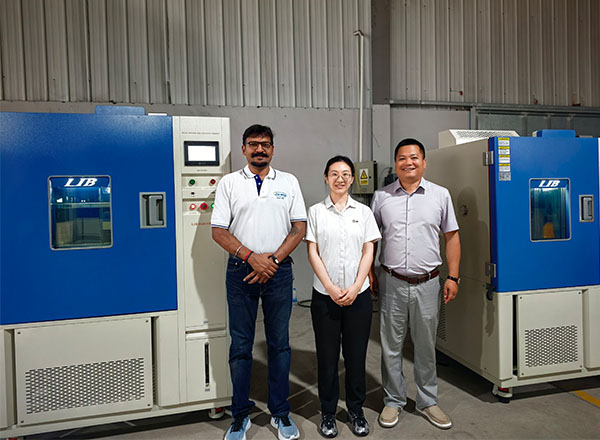
On May 26, 2026, LIB Industry welcomed an industrial customer delegation from India to our manufacturing facility for the Factory Acceptance Test (FAT), equipment inspection, and technical training of a customized Noxious Gas Test Chamber.
As global industries continue raising standards for environmental reliability and corrosion resistance testing, more manufacturers are investing in advanced atmospheric corrosion simulation systems. The visit from the Indian customer reflects the growing international demand for high-precision mixed gas corrosion testing solutions and demonstrates LIB Industry’s expanding presence in overseas environmental testing markets.
The engineering team from India spent the day collaborating with LIB's senior technicians, reviewing design blueprints, analyzing technical parameters, and engaging in hands-on operations. For international buyers, choosing a complex piece of equipment like a Noxious Gas Test Chamber involves evaluating both hardware reliability and the post-purchase technical support ecosystem. This successful onsite verification stands as a testament to LIB Industry's cross-border technical capability, demonstrating how tailored engineering meets rigorous global industrial testing standards.
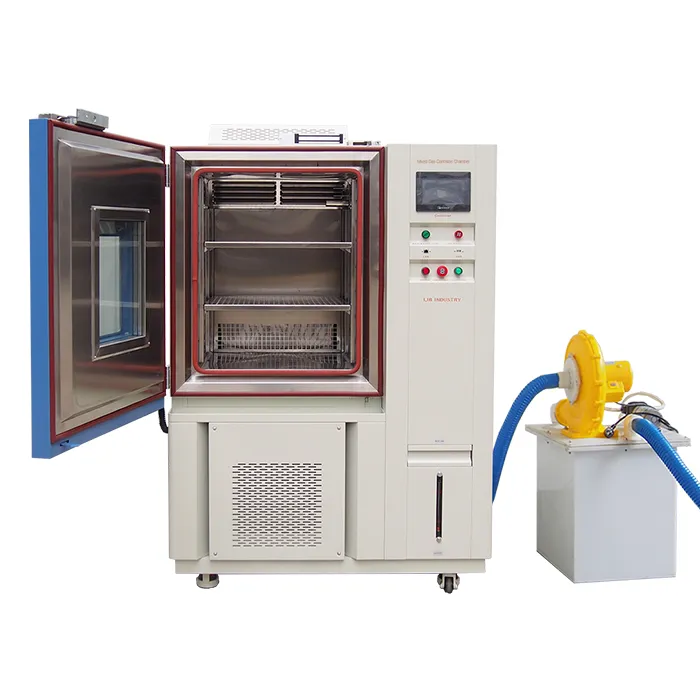
A Noxious Gas Test Chamber is a highly specialized environmental simulation system designed to evaluate the atmospheric corrosion resistance of materials, components, electronic assemblies, and protective coatings. In industrial environments, materials are constantly exposed to trace concentrations of corrosive gases, which accelerate chemical degradation and cause electrical short circuits, physical weakening, or structural failure. This test chamber accurately replicates decades of natural environmental exposure within a condensed timeframe by introducing precise, controlled volumes of hazardous gases under specific temperature and relative humidity levels.
Modern testing protocols require equipment to simulate complex atmospheres. The LIB Noxious Gas Test Chamber is engineered to inject single or multiple combinations of gases safely and precisely. The most common gases utilized include:
Sulfur Dioxide (SO2): Frequently used to simulate severe industrial atmospheres, acid rain, and heavy industrial pollution.
Hydrogen Sulfide (H2S): Crucial for testing electronic components destined for oil and gas fields or wastewater treatment facilities.
Nitrogen Dioxide (NO2): Utilized to mimic urban air pollution and automotive exhaust environments.
Chlorine (Cl2): Essential for marine, coastal, and specific chemical processing plant environmental simulations.
By executing Multi-Gas Corrosion Testing (Mixed Flowing Gas or MFG tests), the chamber establishes a synergistic corrosion environment where the combined destructive effect of these gases is studied simultaneously, reflecting realistic operational environments.
 |  |
Technical Parameters | LIB Industry Chamber Specifications & Capabilities | Applicable Standards |
Gas Concentration Range | 0.1 ppm to 250 ppm (customizable for higher concentrations) | IEC 60068-2-60 |
Temperature Range | +15°C to +80°C with ±0.5°C uniformity | ASTM G85 Annex A4 |
Relative Humidity Range | 30% to 95% R.H. with ±3% control accuracy | ISO 21207 Method B |
Chamber Material | SUS316 corrosion-resistant stainless steel | EIA 364-65A |
Gas Types Supported | SO₂ / H₂S / NO₂ / Cl₂ single or mixed gas testing | IEC Corrosion Testing Standards |
Controller System | Programmable touchscreen controller with PID control | Customizable |
Safety Protection | Gas leakage alarm, emergency stop, exhaust protection, over-temperature protection | International Laboratory Safety Requirements |
One of the most critical factors in mixed gas corrosion testing is gas concentration stability. LIB Industry uses advanced digital mass flow controllers (MFCs) together with high-precision sensors to maintain accurate gas concentration throughout long-term testing cycles.
Indian Customer Conducts Factory Acceptance Test and Technical Verification
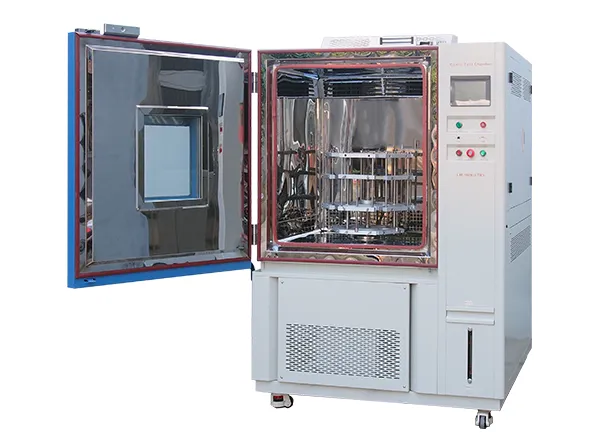
During the onsite FAT process, the Indian customer carried out a detailed inspection of the Noxious Gas Test Chamber to verify system performance, operational safety, and testing stability.
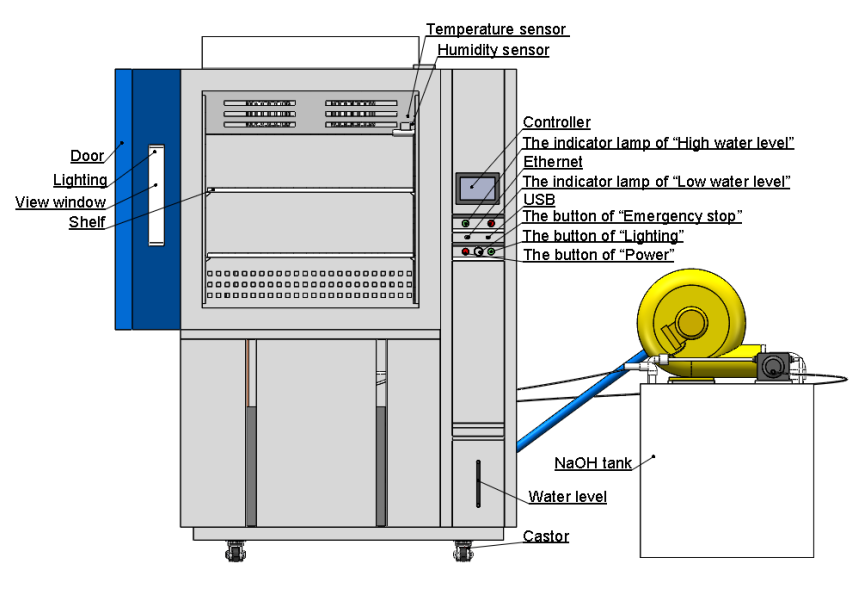
LIB Industry engineers introduced the chamber structure, internal anti-corrosion design, gas piping layout, and sealing system.
Because gases such as chlorine and hydrogen sulfide are highly corrosive and hazardous, the chamber adopts a high-sealing structural design combined with negative-pressure airflow management to prevent gas leakage during operation.
The customer carefully inspected the chamber workmanship and sealing performance and expressed satisfaction with the equipment quality.
The engineering team demonstrated chamber operation under various simulated testing conditions.
The customer verified:
Gas concentration stability
Temperature control accuracy
Humidity uniformity
Air circulation performance
Sensor monitoring functions
Alarm and safety systems
The programmable touchscreen controller displayed real-time operating parameters, allowing operators to easily configure test profiles and monitor chamber status during testing.
To evaluate long-term operational reliability, the chamber underwent continuous running tests during the FAT process.
LIB Industry engineers demonstrated:
Automatic gas injection
PID temperature and humidity control
Exhaust and ventilation systems
Emergency stop functions
Gas leakage alarms
Safety interlock systems
The customer highly appreciated the chamber’s stable operation and advanced safety protection design.
One customer representative commented:
“The precision of gas concentration control and the overall safety system exceeded our expectations. The FAT process gave our team strong confidence in the reliability of LIB Industry equipment.”
In addition to equipment acceptance, LIB Industry provided comprehensive technical training to ensure the customer could confidently operate and maintain the Noxious Gas Test Chamber after delivery.
LIB Industry engineers provided detailed guidance covering:
Equipment installation
Electrical connection
Gas pipeline setup
Controller programming
Multi-step test profile configuration
Daily operation procedures
The customer’s technical team also learned how to configure mixed gas corrosion testing programs according to different product standards and testing requirements.
Because mixed gas corrosion testing involves toxic gases, safety training is an essential part of equipment delivery.
LIB Industry engineers explained:
Safe gas handling procedures
Chamber cleaning methods
Sensor calibration procedures
Exhaust system inspection
Routine preventive maintenance
Seal inspection and replacement
This helps customers maintain long-term operational safety and testing accuracy.
LIB Industry provides professional technical support throughout the entire equipment lifecycle.
Our support services include:
Remote troubleshooting
Video technical guidance
Online engineering assistance
Spare parts support
Maintenance consultation
Software support
By communicating directly with LIB Industry engineers, customers can quickly solve technical problems and reduce equipment downtime.
LIB Industry provides a comprehensive 3-year warranty for the Noxious Gas Test Chamber, covering major mechanical, electrical, and control system components.
Even after the warranty period, customers continue receiving lifetime service support, including technical consultation, spare parts supply, software assistance, and long-term maintenance guidance.
For international customers, LIB Industry also provides fast global technical assistance through online support, remote diagnostics, and overseas engineering service when required.
The successful FAT and training with our Indian customer once again highlights LIB Industry’s strong capability in delivering reliable Noxious Gas Test Chamber solutions with comprehensive global support. Contact us today for customized corrosion testing solutions and professional technical service worldwide.

 English
 русский
 français
 العربية
 Deutsch
 Español
 한국어
한국어 italiano
 tiếng việt
 ไทย
ไทย Indonesia