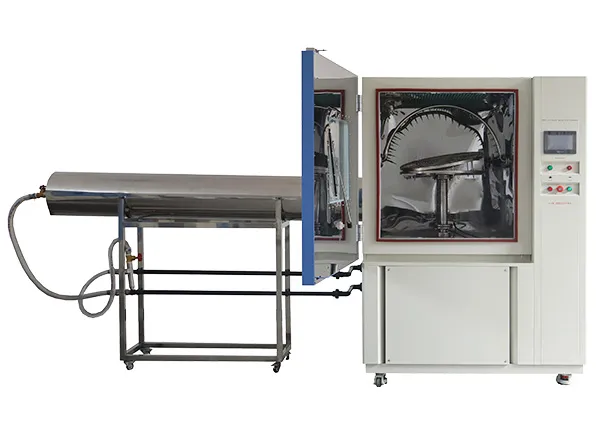
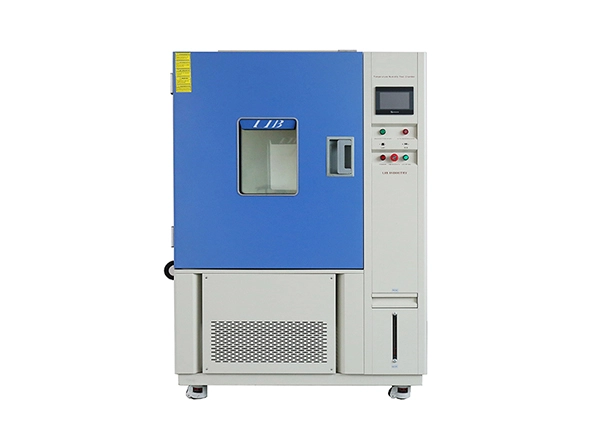
If your product only needs exposure to high and low temperatures, a temperature only chamber is typically the most economical choice. However, if your testing program involves moisture, condensation, corrosion risk, or climate durability, a Temperature & Humidity Chamber is the better long-term investment. The biggest difference in this temperature chamber vs humidity chamber comparison is humidity control: one regulates temperature alone, while the other precisely controls both temperature and relative humidity. Depending on the application, equipment may be used to comply with standards such as IEC 60068, ISO 16750, MIL-STD-810, and JEDEC. The most important selection factor is not the chamber itself, but the environmental conditions your product must withstand throughout its service life.
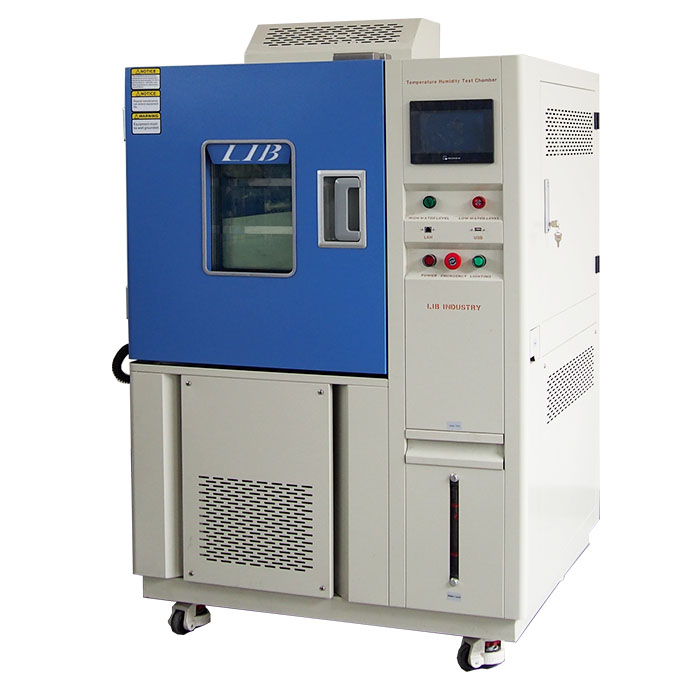
Environmental chambers are selected based on the failure mechanisms engineers want to reproduce rather than the product category alone. Although temperature and humidity chambers may appear similar externally, they simulate different environmental stresses.
A temperature only chamber is commonly used to evaluate how products respond to thermal expansion, thermal contraction, material aging, and electronic performance at extreme temperatures. Typical test specimens include:
Semiconductors
Metal components
Plastic parts
Automotive sensors
Aerospace hardware
Mechanical assemblies
Typical failure modes include:
Material cracking
Thermal fatigue
Dimensional changes
Solder joint failure
Component drift
Seal shrinkage
A temperature and humidity chamber introduces controlled moisture into the test environment, allowing engineers to study additional degradation mechanisms such as:
Condensation
Corrosion
Moisture ingress
PCB leakage
Insulation failure
Coating degradation
Adhesive weakening
Products frequently tested under combined temperature and humidity conditions include:
Battery systems
Automotive electronic modules
Medical devices
Communication equipment
Smart home products
For manufacturers developing products for harsh environments, humidity is often just as critical as temperature in determining long-term reliability.
Different international standards require different environmental conditions. Selecting the correct chamber begins with understanding these test requirements.
Standard | Temperature | Humidity | Test Cycle | Spray / Pressure |
IEC 60068-2-1 | Low temperature | N/A | Constant | None |
IEC 60068-2-2 | High temperature | N/A | Constant | None |
IEC 60068-2-30 | 25–55°C | 95% RH | Cyclic damp heat | None |
IEC 60068-2-78 | 40°C | 93% RH | Steady damp heat | None |
ISO 16750-4 | -40°C to +125°C | Optional | Thermal cycling | None |
MIL-STD-810H | User defined | User defined | Mission profile | Optional |
JESD22-A101 | 85°C | 85% RH | Long duration | None |
ASTM D4332 | Variable | Variable | Storage simulation | None |
Temperature-only standards generally do not require humidity generation, allowing simpler refrigeration systems and faster temperature recovery. Climate testing standards, however, require precise humidity regulation throughout the test cycle.
The following climate chamber comparison highlights the key technical differences between the two chamber types.
Specification | Temperature Chamber | Temperature & Humidity Chamber |
Temperature Range | -70°C to +180°C | -70°C to +180°C |
Humidity Range | Not Available | 10–98% RH |
Chamber Volume | 50–2000 L | 50–2000 L |
Ramp Rate | Up to 15°C/min | Typically 1–10°C/min |
Airflow | High-speed circulation | Balanced airflow with humidity control |
Sample Heat Load | High | Medium to High |
Safety Configuration | Over-temperature protection | Temperature, humidity, water level, compressor, and safety interlocks |
Applicable Standards | IEC 60068-2-1, IEC 60068-2-2, JESD22 | IEC 60068-2-30, IEC 60068-2-78, ISO 16750, MIL-STD-810 |
In many laboratories, both chamber types are installed because they support different phases of product qualification. Temperature chambers are preferred for rapid thermal testing, while climate chambers are necessary when moisture affects product reliability.
When comparing a temperature chamber with a temperature humidity chamber, consider the following questions:
Products used outdoors, in vehicles, or in tropical climates typically require humidity testing. Indoor industrial components may only require thermal testing.
If the test standard includes humidity requirements such as 85% RH or 95% RH, only a climate chamber can meet the specification.
Powered electronic assemblies and batteries generate heat during testing. Verify that the chamber can maintain stable conditions under the expected sample heat load.
Many organizations initially purchase a temperature chamber but later require humidity testing for additional product lines. Selecting a climate chamber from the beginning may reduce future equipment investment.
Many buyers compare only the minimum and maximum temperatures. However, humidity capability may become essential as testing requirements evolve.
Large batteries, power electronics, and motors can significantly increase chamber temperature, affecting control stability.
Overloading the workspace prevents uniform airflow, resulting in uneven temperature distribution across the test samples.
Temperature sensors should represent the actual product temperature rather than measuring only chamber air.
A controller may display 0.1°C increments, but actual chamber uniformity depends on airflow design and chamber loading.
Some automotive and aerospace standards require rapid temperature transitions. Verify the loaded ramp rate rather than relying on empty-chamber specifications.
Before installation, confirm:
Electrical power
Water supply (if required)
Drainage
Ventilation
Maintenance access
Installation space
Floor load capacity
Different testing objectives require different chamber configurations.
Recommended for:
Small electronic components
Laboratory research
University testing
Semiconductor evaluation
Suitable for:
Automotive electronics
Consumer electronics
Medical devices
Battery modules
Reliability qualification
For applications that require stable thermal exposure without humidity control, a Constant Temperature Chamber provides precise temperature regulation for reliability testing, material evaluation, and performance verification under controlled high- or low-temperature conditions.
Recommended when testing:
Large equipment
Complete assemblies
EV battery packs
Aerospace systems
Industrial machinery
For large-scale products and complex environmental validation, the Walk-In Environmental Chamber offers a customizable testing space with precise temperature and humidity control, helping manufacturers perform reliable climate simulation tests on oversized assemblies, EV battery packs, aerospace systems, and industrial machinery.
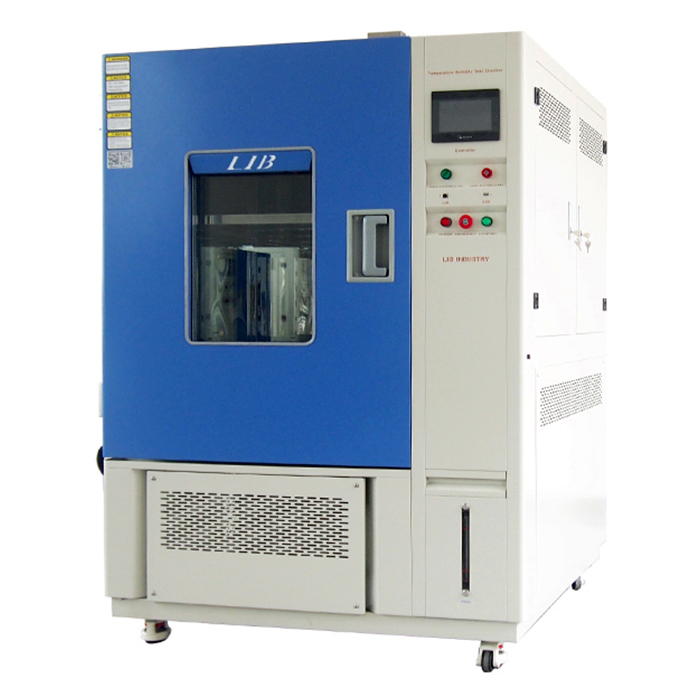
Designed for products that must withstand immediate transitions between hot and cold environments instead of controlled temperature ramps.
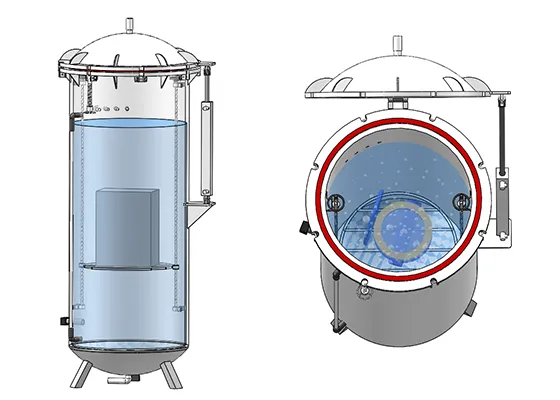
Ideal for evaluating corrosion resistance of coated metals, connectors, and automotive components before or after climate testing.
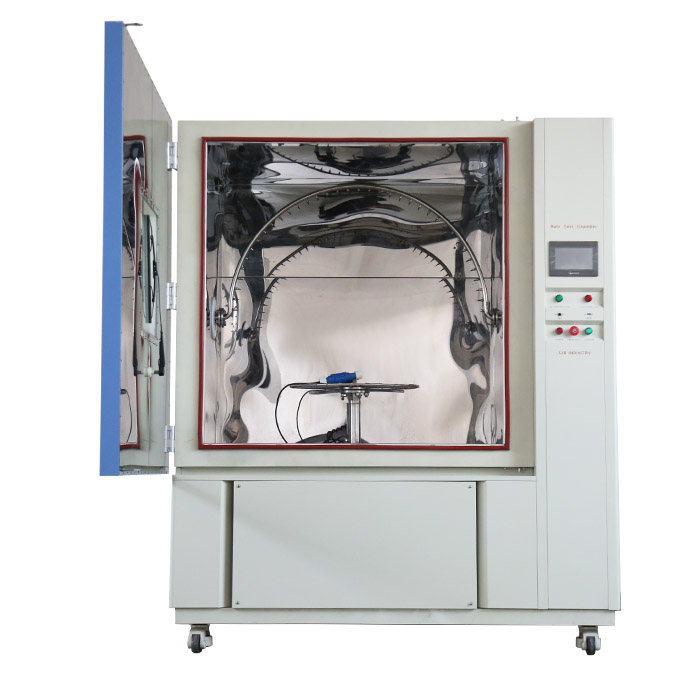
Used when environmental qualification includes ingress protection testing in accordance with IEC 60529.
Custom solutions are appropriate for:
High ramp rates
Solar radiation simulation
Altitude testing
Multi-zone temperature control
Large heat-load samples
Combined environmental testing
If the standard specifies both temperature and humidity, choose a Temperature & Humidity Chamber. If only thermal exposure is required, a temperature chamber is sufficient.
A temperature chamber controls only heating and cooling, while a temperature humidity chamber adds precise humidity generation and control for climate simulation.
Test duration ranges from several hours for thermal cycling to several weeks for damp heat and long-term reliability testing, depending on the applicable standard.
Choose a chamber that provides sufficient airflow around the largest test specimen while allowing for future testing needs. Oversized samples should never block air circulation.
Yes. A programmable temperature and humidity chamber can typically operate in temperature-only mode by disabling humidity control, making it suitable for both types of testing.
Include:
Required temperature range
Required humidity range
Chamber volume
Sample dimensions
Sample heat generation
Ramp rate
Applicable test standards
Power requirements
Data logging requirements
Installation location
Safety requirements
Future expansion needs

 English
 русский
 français
 العربية
 Deutsch
 Español
 한국어
한국어 italiano
 tiếng việt
 ไทย
ไทย Indonesia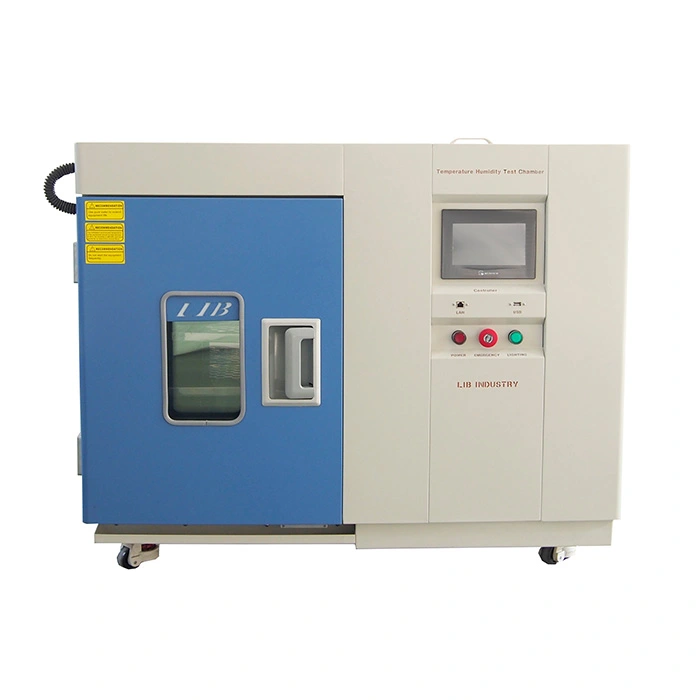
.webp "Wet Bulb Gauze for Temperature Humidity Chambers")