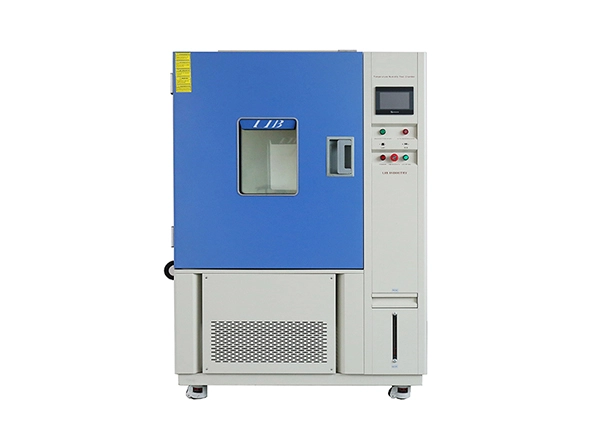
When it comes to environmental testing, the choice between walk-in and reach-in climate chambers can significantly impact the effectiveness and efficiency of your testing protocols. These specialized chambers are critical for ensuring products meet the rigorous demands of various industries such as automotive, aerospace, and pharmaceuticals. In this article, we will explore the fundamental differences between these two types of climate chambers, their respective advantages and disadvantages, and how to determine which is best suited for your specific testing needs.
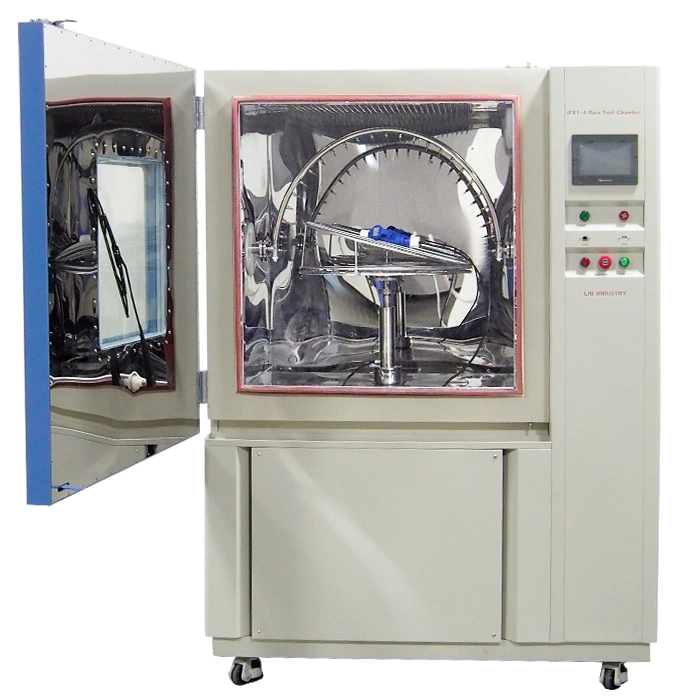
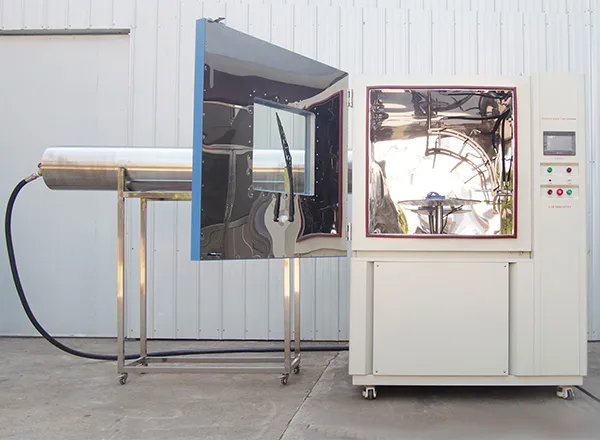
Walk-in and reach-in climate chambers serve a similar purpose: they create controlled environments for product testing. However, their designs cater to different scales of operation and testing requirements. A walk-in climate chamber is a large, room-sized unit that allows for the testing of larger components or multiple products simultaneously. These chambers often offer greater temperature and humidity control, making them ideal for extensive environmental tests.
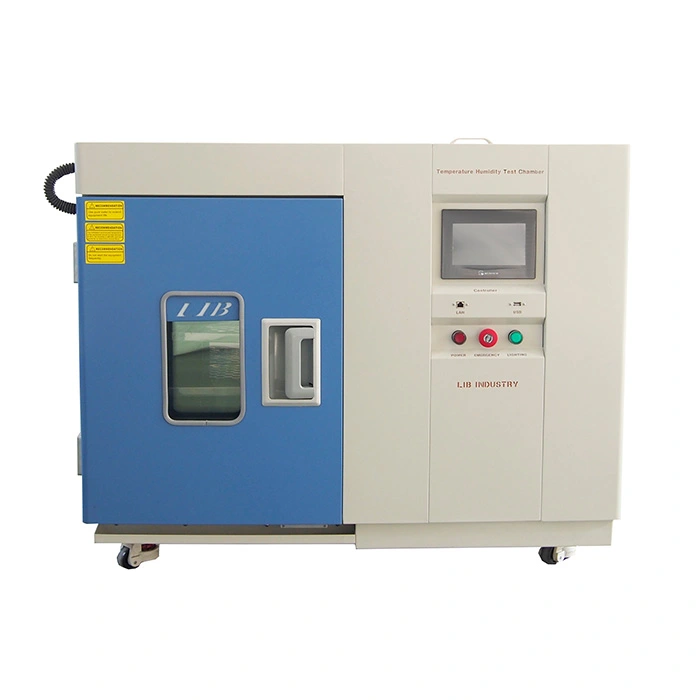
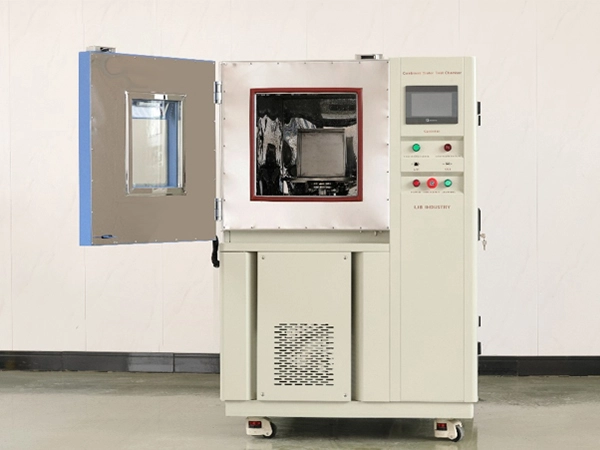
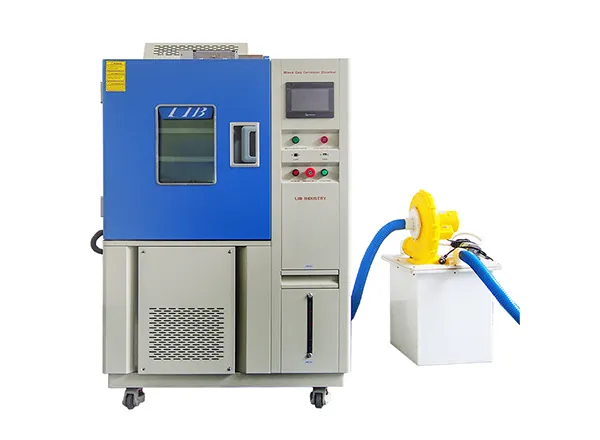
In contrast, a reach-in climate chamber is typically more compact and is best suited for smaller samples or individual products. While they are designed to maintain precise environmental conditions, they require less space and are often more cost-effective for smaller operations. For instance, a laboratory focusing on smaller electronic components might find a reach-in chamber sufficient for their testing protocols, while an automotive manufacturer may need a walk-in version to accommodate larger parts.
Walk-in climate chambers come with a host of benefits, including ample space for testing larger items or assemblies. Their ability to maintain uniform conditions across significant volumes can provide highly accurate results—essential for industries requiring stringent testing standards.
However, these chambers also have their downsides. The initial investment is considerably higher than that of reach-in systems, and their operational costs can be significant due to energy consumption. Moreover, as they cater to larger items, transitioning from small samples can lead to inefficiencies in specific testing scenarios.
For example, a leading manufacturer of automotive parts, LIB Industry, utilizes walk-in chambers to rigorously test components under extreme conditions, ensuring reliability and compliance with industry standards. Despite the costs, the precision and data obtained through these chambers often justify the investment.
On the other hand, reach-in climate chambers offer several advantages that appeal to smaller operations or specific testing applications. They are more accessible, require less space, and come with a lower price tag, making them ideal for academic institutions or startups that may have limited budgets.
However, the major limitation of reach-in chambers is their size. Their compact nature means that testing is often limited to smaller samples, making them less versatile in environments where larger products need evaluation. Additionally, achieving temperature and humidity uniformity within a smaller space can sometimes lead to variations in testing outputs.
As an illustration, a pharmaceutical company may opt for a reach-in climate chamber when assessing the stability of small batches of drug formulations, allowing for cost-effective environmental testing without sacrificing quality.
Evaluating whether to use a walk-in or reach-in climate chamber starts with understanding your specific testing requirements. For example, industries like aerospace and automotive may heavily rely on walk-in chambers for their capacity to handle extensive testing programs. In contrast, electronics and pharmaceuticals may benefit from the focused capabilities of reach-in chambers, especially when budgets are constrained.
LIB Industry plays a crucial role in providing both types of chambers, tailoring solutions to meet diverse client needs across over 56 countries. Their emphasis on customization ensures that companies can find the perfect testing environment that meets both their immediate and long-term requirements while adhering to the latest industry standards.
Ultimately, the decision between walk-in and reach-in climate chambers depends on several factors including the scale of testing, the type of products being evaluated, and budget constraints. Industries with high-volume testing needs, such as automotive and defense, often benefit from walk-in solutions that offer comprehensive capabilities. Conversely, smaller enterprises focused on niche markets or products may realize greater value through reach-in chambers.
As a forward-looking approach, companies must also consider the potential for scaling their testing operations in the future. Investing in a walk-in chamber could lay the groundwork for growth, whereas a reach-in might provide immediate solutions for current testing needs. This strategic planning plays a vital role in maximizing both resource allocation and testing outcomes.
In conclusion, both walk-in and reach-in climate chambers serve essential roles in environmental testing. Your choice will largely depend on your specific testing protocol, product sizes, and budgetary considerations. With LIB Industry's extensive experience and commitment to customization, you can find the ideal solution to elevate your testing standards. Whether you need the expansive capabilities of a walk-in chamber or the efficiency of a reach-in model, LIB is here to support your testing endeavors.
For more information about LIB Industry's offerings or to discuss your specific testing needs, please reach out via Email: inquiry@libtestchamber.com or Phone: 0086-29-68918976.
 English
 русский
 français
 العربية
 Deutsch
 Español
 한국어
한국어 italiano
 tiếng việt
 ไทย
ไทย Indonesia
.webp "UV Accelerated Weathering Tester")