A water immersion test chamber is a critical environmental testing system used to evaluate the waterproof performance of automotive components such as sensors, ECUs, connectors, lighting systems, and sealed electronic housings. It simulates real underwater conditions under controlled depth, pressure, and time to verify whether a product can resist water ingress before it is used in real vehicles.
Compared with real-world failure testing, immersion testing provides a repeatable and controlled laboratory environment. This allows engineers to detect sealing weaknesses, prevent field failures, and improve long-term product reliability.
Water ingress is one of the most common causes of failure in automotive electronics. Even a very small leakage path can lead to serious long-term damage such as corrosion, insulation breakdown, or unstable electrical performance.
Modern vehicles contain a large number of electronic systems exposed to moisture, including sensors installed in bumpers, wheel areas, mirrors, doors, and engine compartments. These components are frequently exposed to rain, flooding, and cleaning processes.
A key risk is that water damage is not always immediate. A component may pass initial testing but later fail due to:
gradual corrosion of PCB traces
unstable signal output
insulation resistance degradation
intermittent electrical faults
This is why controlled water immersion testing is essential in automotive reliability validation.
Water immersion testing is commonly defined by IEC 60529 and ISO 20653, which are internationally recognized standards for ingress protection.
IPX7 evaluates whether a product can withstand temporary immersion in water.
Typical conditions:
Immersion depth: 1 meter
Test duration: 30 minutes
IPX7 is commonly used for:
automotive sensors
lighting modules
connectors
sealed control housings
It simulates short-term water exposure such as accidental submersion or flooding conditions.
IPX8 is a more severe waterproof test compared to IPX7.
Unlike IPX7, the test conditions for IPX8 are not fixed and must be agreed between manufacturer and customer. It usually includes:
greater immersion depth
higher water pressure
longer exposure time
IPX8 is typically used for:
battery system components
underbody electronic modules
outdoor control units
high-reliability sealed electronics
This test ensures long-term waterproof performance under extreme conditions.
ISO 20653 is widely used in the automotive industry because it is specifically designed for road vehicle electrical equipment.
Unlike general IP testing standards, ISO 20653 considers real-world automotive conditions such as:
road splash and mud exposure
high-pressure vehicle washing
dust and sand contamination
A complete automotive environmental validation program often includes:
IPX7 / IPX8 immersion testing
IP6X dust testing
IPX6K / IPX9K high-pressure water jet testing
Water immersion testing focuses on static water sealing performance, while jet and dust tests simulate dynamic environmental exposure.
Sensors are one of the most frequently tested components due to their exposed installation positions.
Common types include:
parking sensors
radar and camera modules
wheel speed sensors
pressure and temperature sensors
liquid level sensors
Key test evaluations include:
signal stability before and after immersion
output drift or noise changes
fault code detection
sealing integrity of housings and vents
Even minor leakage can result in delayed signal instability or sensor failure after long-term use.
Other critical components include:
automotive connectors
wiring harnesses
lamp housings
charging interfaces
actuator housings
Common leakage paths include:
cable entry points
gasket compression areas
housing seams
connector pin interfaces
Capillary action in wiring can also allow water to travel inside cables, leading to long-term corrosion risks.
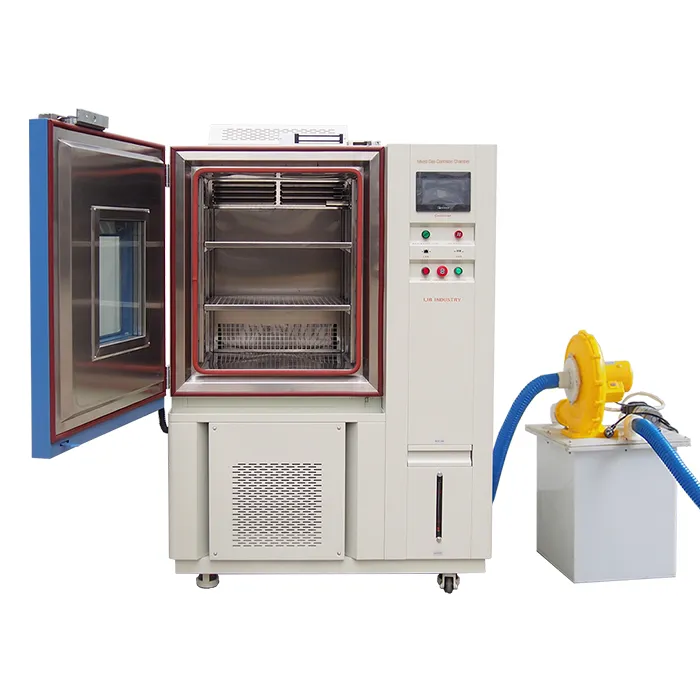
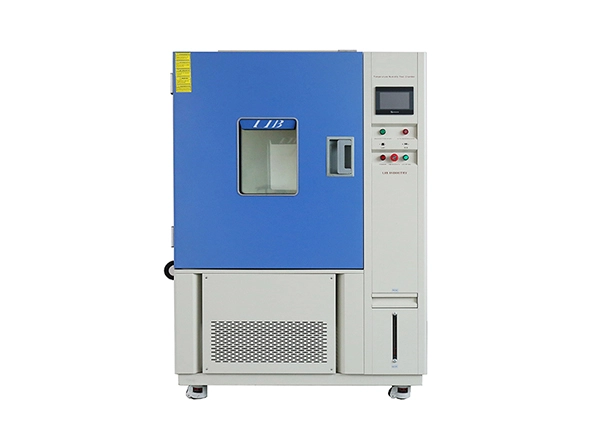
LIB water immersion test chambers are designed for automotive and industrial reliability testing.
Supports:
IPX7
IPX8
IP68
IEC 60529 and ISO 20653
Suitable for automotive electronics, connectors, sensors, and sealed modules.
Features:
programmable touchscreen interface
stable pressure and depth control
automatic water supply system
long-duration testing stability
This ensures repeatable and accurate test results.
Includes:
overpressure protection
automatic water level control
reinforced chamber structure
safe long-term operation design
LIB provides customized chambers for:
large automotive components
high-pressure simulation requirements
laboratory-specific test setups
Since 2009, LIB industry has been a global supplier of environmental simulation testing equipment.
We provide:
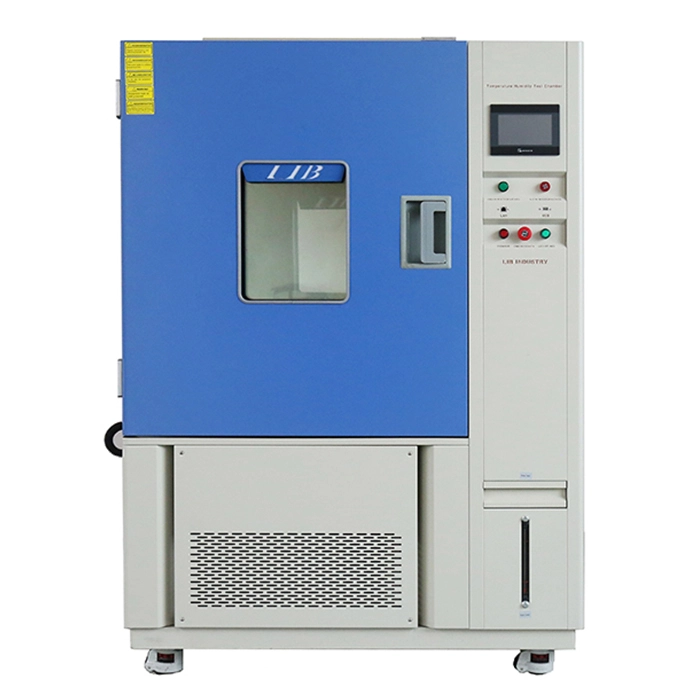
temperature and humidity test chambers
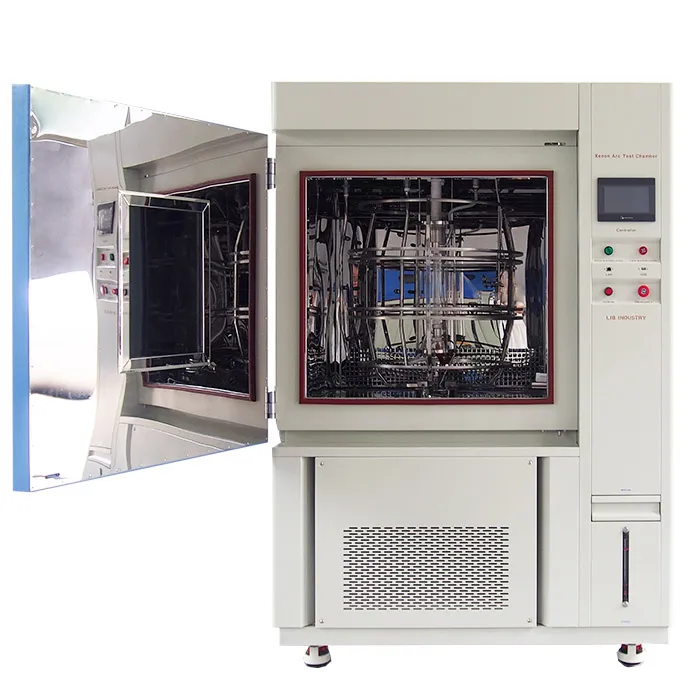
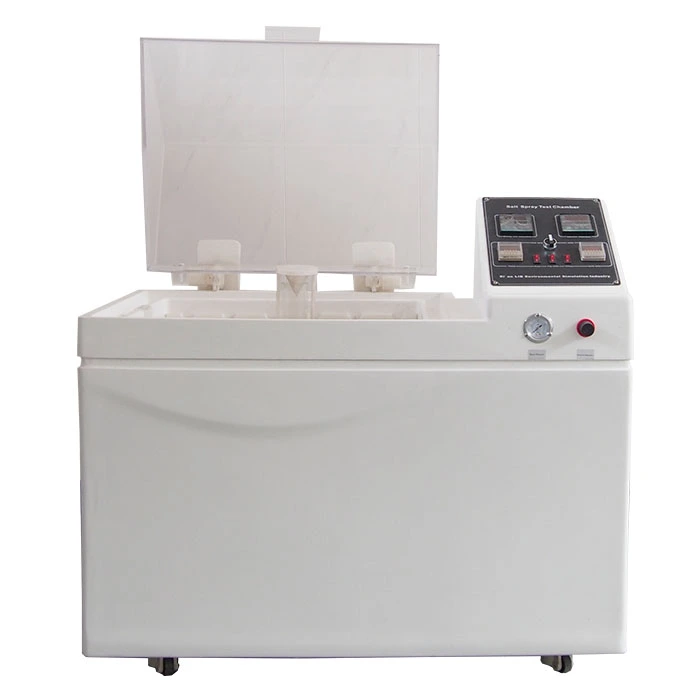
corrosion and salt spray systems
dust and IP water protection test equipment
full laboratory testing solutions
LIB supports global automotive manufacturers, tier suppliers, and testing laboratories with complete reliability validation systems.
Choose LIB water immersion test chambers to achieve accurate IPX7/IPX8 validation, improve automotive product reliability, and get a customized testing solution tailored to your lab.
 English
 русский
 français
 العربية
 Deutsch
 Español
 한국어
한국어 italiano
 tiếng việt
 ไทย
ไทย Indonesia