Choose a Benchtop Environmental Chamber when laboratory space is limited, samples are relatively small, and testing mainly involves components, materials, electronics, or small assemblies. Choose a Reach-In Test Chamber when samples require more working space, larger fixtures, greater sample quantities, or easier access during testing. Both chamber types can support environmental qualification methods such as IEC 60068, ISO 16750, and MIL-STD-810, depending on their specifications and configuration. The key selection factors are not simply external dimensions or maximum temperature range. Working volume, sample dimensions, heat load, airflow clearance, access requirements, temperature change rate, humidity capability, and available installation space should all be evaluated before selecting between a small environmental chamber and a reach-in configuration.
Environmental chambers are used to expose products and materials to controlled temperature and humidity conditions to evaluate reliability, durability, aging, and environmental resistance.
Typical samples include electronic components, circuit boards, sensors, connectors, cables, automotive parts, plastics, coatings, rubber products, battery components, and small mechanical assemblies.
The purpose of testing can vary considerably. A laboratory may need to determine whether an electronic component continues to operate after low-temperature exposure, whether a material degrades under high humidity, or whether repeated temperature changes cause dimensional or mechanical failure.
This makes chamber size an important part of the test design.
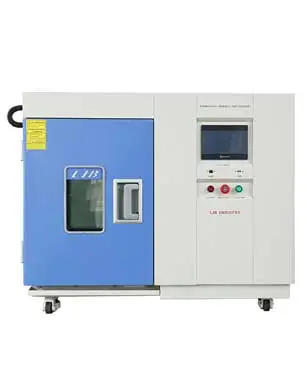
A small environmental chamber can be highly practical when the specimen occupies only a small portion of the available workspace. It reduces unnecessary physical footprint and is easier to install in laboratories where floor space is limited.
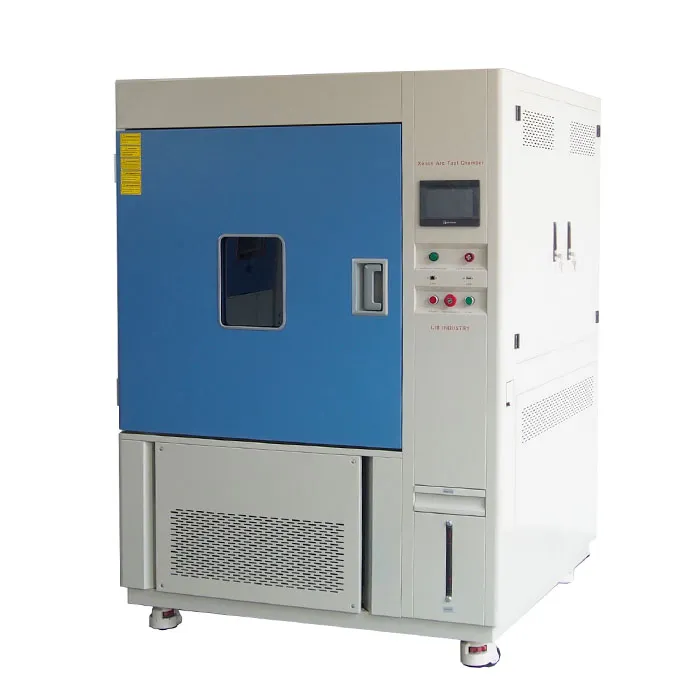
A Reach-In Chamber provides a larger working area and easier physical access. It becomes more useful when samples are larger, multiple specimens need to be tested simultaneously, or fixtures must remain inside the chamber.
The decision should therefore begin with the sample rather than the chamber itself. Engineers should identify the largest specimen, fixture dimensions, required clearance, number of samples, and expected heat generation before comparing equipment.
The appropriate chamber depends on the environmental profile required by the test standard. The following examples illustrate common conditions; exact requirements should always be confirmed against the current standard and product qualification plan.
Standard / Test Method | Temperature | Humidity | Typical Cycle / Duration | Spray / Pressure |
IEC 60068-2-1 | Low-temperature conditions based on test severity | N/A | Defined exposure period | N/A |
IEC 60068-2-2 | High-temperature conditions based on test severity | N/A | Defined dry-heat exposure | N/A |
IEC 60068-2-14 | Temperature change/cycling | N/A | Repeated temperature transitions | N/A |
IEC 60068-2-30 | Damp heat, cyclic | High RH | Repeated temperature/humidity cycles | Condensation may occur |
IEC 60068-2-78 | Damp heat, steady state | High RH | Long-duration exposure | N/A |
ISO 16750-4 | Automotive climatic loads | Application dependent | Cycling and endurance testing | Application dependent |
MIL-STD-810 | Low/high temperature, humidity and other stresses | Method dependent | Procedure dependent | Some methods include pressure or rain |
LIB's environmental chambers are designed for applications involving temperature, humidity, thermal cycling, accelerated aging, reliability testing, and environmental stress screening. Depending on the model, applicable standards include IEC 60068, ISO 16750, MIL-STD-810, JESD22, and other industry-specific methods.
A critical point is that two chambers may both cover the required temperature range but still be unsuitable for the same test. Chamber volume, uniformity, ramp performance, sample heat load, and humidity control can significantly affect the result.
Parameter | ||
Temperature range | Typically suitable for laboratory climatic testing; model dependent | Broad temperature range for larger specimens; model dependent |
Humidity range | Available on temperature/humidity models | Available on temperature/humidity configurations |
Chamber volume | Compact working volumes | Larger working volumes |
Ramp rate | Suitable for routine temperature cycling | More capacity for larger thermal loads |
Airflow | Forced circulation within compact workspace | Designed to circulate air across a larger workspace |
Sample heat load | Best for relatively small loads | Better suited to larger or multiple heat-generating samples |
Safety configuration | Over-temperature and electrical protection; model dependent | Broader protection required for larger systems and loads |
Applicable standards | IEC 60068, ISO 16750, MIL-STD-810 and related methods | IEC, ISO, MIL-STD and application-specific methods |
The main distinction is working capacity rather than simply temperature performance.
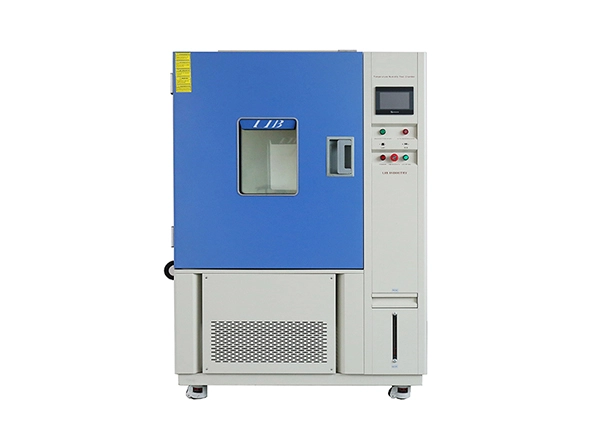
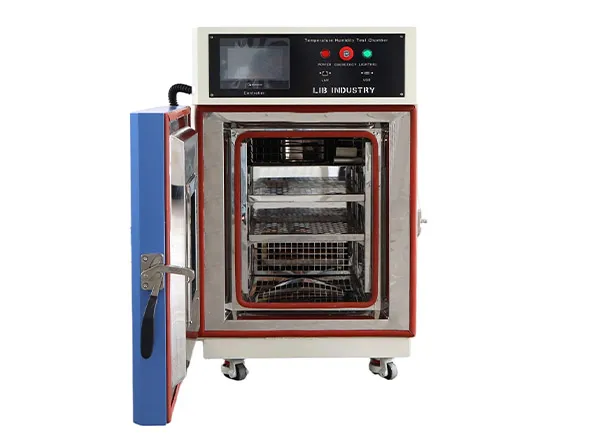
LIB's Benchtop Environmental Test Chamber range includes compact 50 L and 80 L configurations. These chambers are designed for laboratory applications where limited workspace and smaller samples make a compact footprint advantageous.The Reach-In Environmental Chamber range is intended for applications requiring a larger working space and easier access to test specimens. Its design is better suited to products and assemblies that cannot be conveniently accommodated in a compact benchtop enclosure.
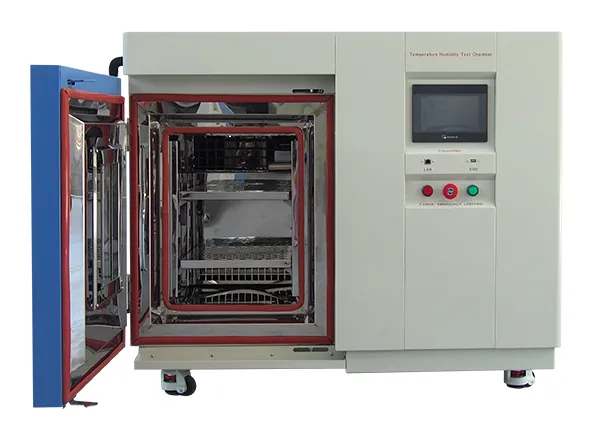
Another important difference is sample loading. A benchtop chamber may provide sufficient internal volume for several small specimens, but its practical capacity can be much lower if large fixtures or cables occupy part of the workspace. A reach-in chamber provides greater flexibility for arranging samples and maintaining adequate airflow around them.
A chamber rated from low to high temperatures may appear suitable, but the required temperature range is only one specification. Ramp rate, humidity capability, uniformity, and sample heat load can determine whether the equipment actually meets the test requirement.
The sample may fit inside the chamber while the complete test fixture does not. Cable routing, mounting brackets, monitoring equipment, and safety clearance should be included when calculating the required working volume.
Several small samples can collectively create a significant heat load. If electronic or battery-powered samples generate heat during operation, the chamber should be selected based on the actual load rather than sample dimensions alone.
Samples should not be positioned directly against chamber walls or packed tightly together. Restricted airflow can produce local temperature differences and reduce environmental uniformity.
A compact external footprint does not automatically mean efficient use of internal space. Always compare usable working dimensions rather than relying only on overall equipment dimensions.
If operators frequently need to install fixtures, inspect samples, or change configurations, the easier access of a Reach-In Chamber can be more practical than repeatedly working with a compact benchtop system.
Before selecting either chamber type, confirm laboratory floor or bench loading, electrical supply, ventilation, drainage or water requirements, door clearance, and service access.
.webp "JESD22-A104_Temperature_Cycling_Chamber_(2).webp")
The appropriate LIB chamber depends on the size and complexity of the test program.
Benchtop: Best for small components, electronics, sensors, materials, and laboratory research where compact equipment and limited sample volume are sufficient. LIB's 50 L and 80 L benchtop configurations are particularly suited to space-constrained laboratory environments.
Reach-In: A better choice for larger components, assemblies, fixtures, or multiple specimens requiring greater working space and convenient access.
Walk-In: Appropriate when even a reach-in configuration cannot accommodate the complete product, large assemblies, or batch testing. LIB's Walk-In Environmental Chamber range supports large-scale environmental testing.
Thermal Shock: Recommended when rapid transitions between hot and cold environments are the primary test requirement rather than long-duration temperature/humidity exposure.
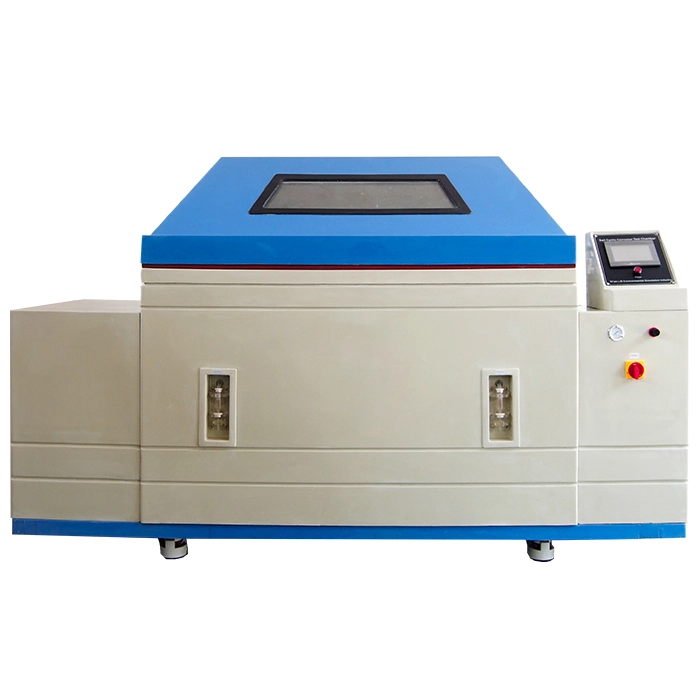
Salt Spray: Suitable for corrosion and coating-resistance testing where controlled salt-fog exposure is required.
IP: Appropriate for ingress protection testing involving dust and water according to the relevant IP test method.
Special Custom Chamber: Recommended when standard temperature/humidity control must be combined with gas, pressure, battery safety, vibration, light, or other application-specific conditions.
LIB's Benchtop Environmental Test Chamber provides a compact solution for laboratory-scale testing, while the Reach-In Environmental Chamber provides additional working space for larger samples and test fixtures.
The choice also depends on the industry and qualification requirements. For example, automotive components may require climatic testing under ISO 16750, while electronic components can be evaluated under IEC 60068 or JESD22 methods. LIB's Automotive Environmental Testing resources cover environmental testing requirements for automotive components and systems, including temperature, humidity, thermal cycling, and other environmental stresses.
For engineers comparing chamber configurations before purchasing equipment, the related guide A Buyer's Guide to Temperature and Humidity Aging Chambers: Parameters, Options and Benefits provides additional information on chamber volume, temperature range, humidity control, test requirements, and configuration considerations. Together, these resources help connect the initial benchtop vs reach-in chamber decision with the broader process of environmental chamber selection.
Yes. A Benchtop Environmental Chamber can be suitable for PCBs, sensors, connectors, electronic components, and other relatively small products when its temperature, humidity, volume, and heat-load specifications meet the test requirements.
Choose a Reach-In Chamber when the specimen, fixture, sample quantity, or access requirements exceed what a compact benchtop chamber can accommodate.
The primary difference is working capacity and physical accessibility. Benchtop models prioritize compact installation and smaller specimens, while reach-in models provide more internal space and easier access for larger products and fixtures.
Start with the complete test setup rather than the sample alone. Measure the specimen, fixtures, monitoring devices, cable routing, and required airflow clearance. Then select sufficient working volume without compromising environmental circulation.
Potentially, yes. The chamber type itself does not determine compliance. The specific model must meet the required temperature, humidity, ramp rate, uniformity, stability, volume, and other conditions defined by the applicable standard.
No. A larger chamber provides more space, but it is not automatically better for a small sample. The chamber should match the actual specimen, fixture, heat load, and test requirements.
An RFQ should include sample dimensions and weight, number of specimens, operating temperature and humidity range, ramp rate, heat load, required standards, test duration, fixture dimensions, power requirements, installation conditions, and any special safety requirements.
A Walk-In Chamber becomes appropriate when the product, fixtures, sample quantity, or required working area exceeds the practical capacity of a reach-in system, particularly for large assemblies or batch testing.
 English
 русский
 français
 العربية
 Deutsch
 Español
 한국어
한국어 italiano
 tiếng việt
 ไทย
ไทย Indonesia