Automotive interiors are expected to maintain their appearance and performance throughout years of service. However, continuous exposure to sunlight, elevated temperatures, and humidity can gradually cause fading, discoloration, cracking, gloss loss, and material degradation. Before a vehicle reaches production, manufacturers and suppliers must evaluate how interior materials respond to these environmental stresses.
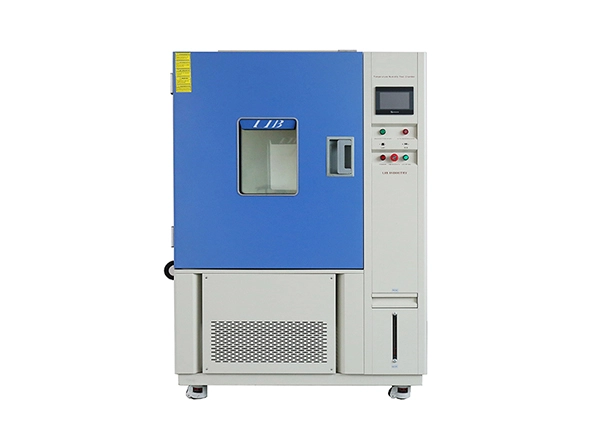
A Xenon Light Fastness Test Chamber provides one of the most realistic methods for accelerated weathering evaluation. By combining xenon arc light, temperature, humidity, and programmable exposure cycles, it reproduces the conditions experienced inside a vehicle cabin and helps engineers identify potential material failures long before products reach the market.
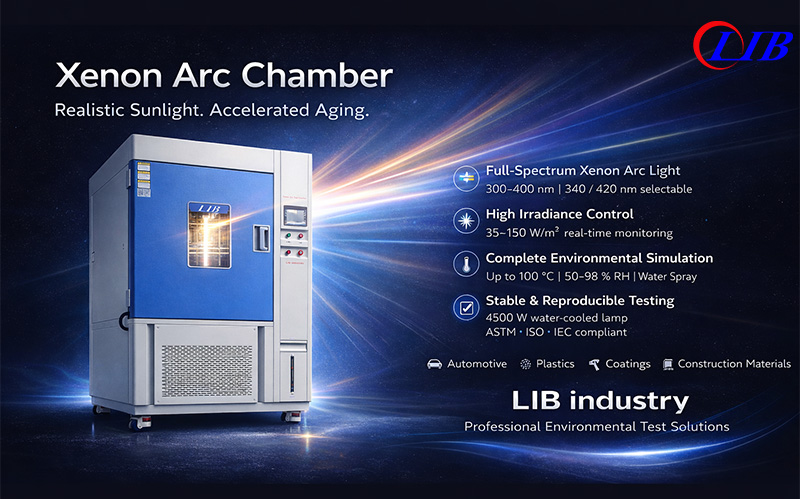
Automotive interior aging is rarely caused by a single factor. Instead, multiple environmental conditions act together over time.
Sunlight entering through vehicle glass contains ultraviolet (UV), visible, and infrared (IR) energy. Although automotive glass blocks part of the UV spectrum, enough radiation still reaches dashboards, door panels, center consoles, seat coverings, and decorative trim components to trigger material degradation.
At the same time, vehicle cabins can reach extremely high temperatures when parked under direct sunlight. Elevated temperatures accelerate oxidation, plasticizer migration, resin breakdown, and coating deterioration. Humidity further increases stress on coated fabrics, laminated materials, synthetic leather, adhesives, and foam-backed components.
Common aging symptoms include: Color fading ,Yellowing and discoloration, Surface cracking, Hardening of vinyl and synthetic leather, Gloss reduction, Chalking and whitening, Sticky soft-touch coatings, Delamination of decorative films, Embrittlement of plastic parts.
One of the most widely adopted standards for automotive interior weathering evaluation is SAE J2412. This standard specifies controlled xenon arc exposure conditions designed to simulate long-term sunlight exposure inside vehicle cabins.
Unlike outdoor weathering, SAE J2412 provides repeatable laboratory conditions that allow suppliers and vehicle manufacturers to compare materials using the same test parameters.
Typical SAE J2412 exposure conditions include:
Parameter | Typical Requirement |
Irradiance | 0.55 W/m²/nm at 340 nm |
Black Panel Temperature | 89°C |
Chamber Air Temperature | 62°C |
Relative Humidity (Light Cycle) | 50% RH |
Relative Humidity (Dark Cycle) | 95% RH |
Light Exposure Duration | 3 h 48 min |
Dark Exposure Duration | 1 h |
The alternating light and humidity cycle accelerates the degradation mechanisms that occur in real vehicle interiors. Materials can then be evaluated for color stability, gloss retention, cracking resistance, coating durability, and overall appearance retention.
SAE J2412 testing is commonly used during material development, supplier qualification, production validation, and complaint investigation programs.
A Xenon Light Fastness Test Chamber can evaluate both raw materials and finished interior components.
Automotive weathering tests can be performed on both material samples and finished interior components. Typical test specimens include dashboards, door trims, seat fabrics, headliners, carpets, sun visors, decorative films, leather and synthetic leather materials, steering wheel coverings, painted plastic parts, display bezels, and soft-touch coated surfaces. Testing both raw materials and finished components helps manufacturers identify potential durability risks before mass production.
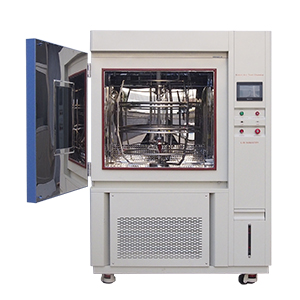
Many customers compare xenon weathering chambers with UV weathering chambers when selecting aging test equipment.
While both technologies accelerate material degradation, they serve different purposes.
| Comparison Item | Xenon Arc Chamber | UV Weathering Chamber |
|---|---|---|
| Light Spectrum | UV + Visible + Infrared | UV Only |
| Sunlight Simulation | Excellent | Limited |
| Automotive Interior Testing | Highly Suitable | Limited |
| SAE J2412 Compliance | Yes | No |
| Test Speed | Moderate | Faster |
| Equipment Cost | Higher | Lower |
| Material Evaluation Accuracy | Higher | Moderate |
 | 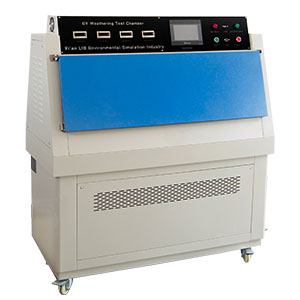 |
A UV weathering chamber is often used for rapid screening and comparative durability studies because UV radiation is a major driver of polymer degradation.
However, automotive interiors are exposed not only to UV radiation but also to visible light, infrared heat, and humidity. For this reason, xenon arc testing is generally preferred when evaluating complete automotive interior weathering performance or meeting SAE J2412 requirements.
Many laboratories operate both systems. UV weathering chambers are used for preliminary material screening, while xenon chambers provide final validation before product approval.
|  |
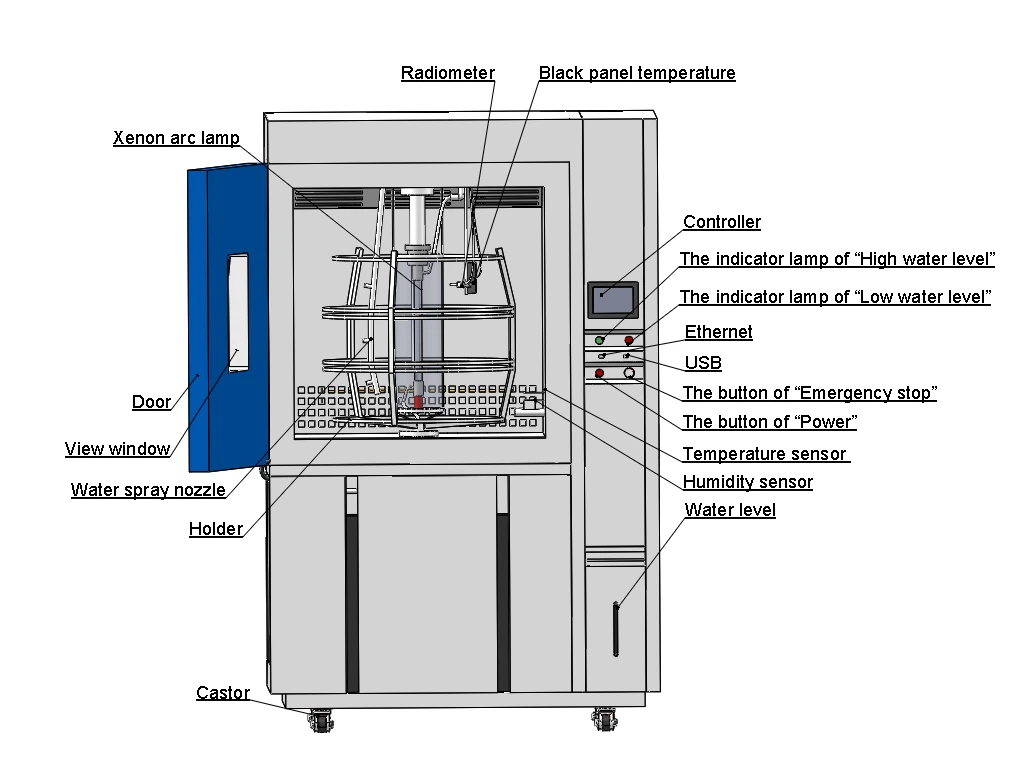 | |
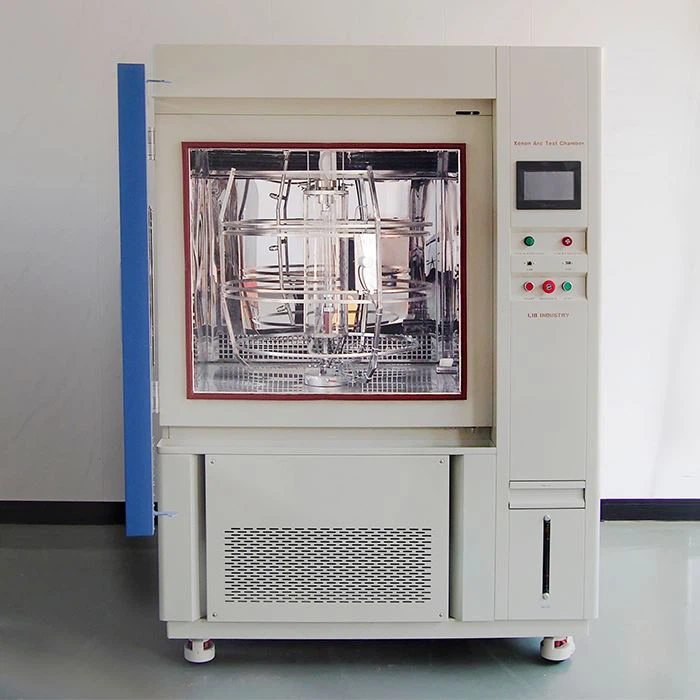
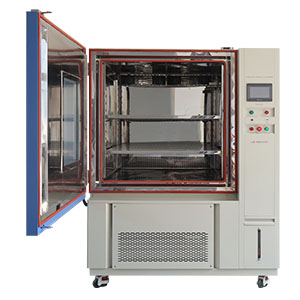
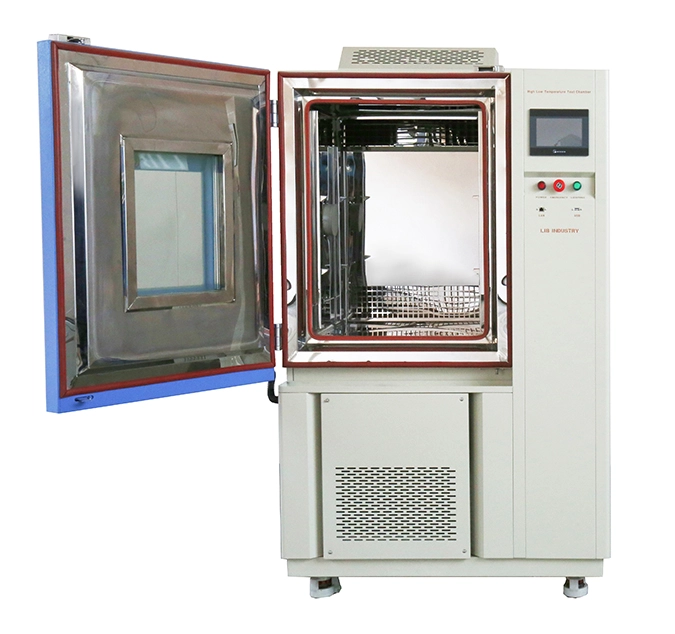
Internal Dimension (mm) | 950*950*850 mm |
Overall Dimension (mm) | 1300*1420*1800 mm |
Sample holder | Adjustable speed, 1r /min |
Chamber Type | Rotating Holder |
Irradiation Source | 1 piece of 4500w water-cooled xenon arc lamp with inner quartz and outer borosilicate filter |
Irradiance Range | 150 W/㎡ |
Bandwidth Measurement | 300~400 nm |
Chamber Temperature Range | -40~ 100 ℃ ±2 ℃ |
Black Panel Temperature | BPT 35 ~ 85 ℃ ±2 ℃ |
Humidity Range | 30 % ~ 98 % RH |
Water Spray Cycle | 1~9999 H 59 M (Adjustable) |
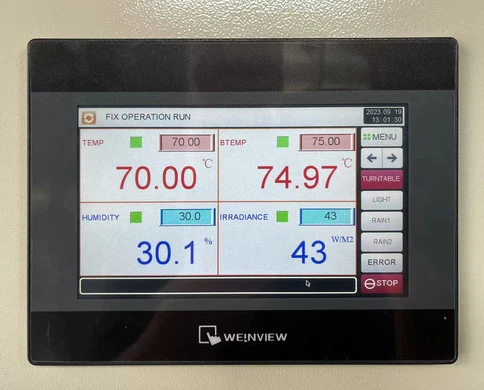
Controller | Programmable color LCD touch screen controller |
Radiometer | UV Radiometer, Tolerance: ±5 % |
|
|
xenon lamp and filters
 |  |
LIB industry designs xenon light fastness test chambers specifically for demanding weathering applications in automotive, plastics, coatings, textiles, and material testing laboratories.
Key features include:
The chamber provides an irradiance range of 35–150 W/m², allowing laboratories to perform both standard and customized weathering programs.
Available monitoring wavelengths include 340 nm and 420 nm, supporting common automotive, textile, coating, and plastics testing standards.
Different optical filters can be configured to simulate various sunlight conditions:
Window Glass Filters
Daylight Filters
Extended UV Filters
These options allow laboratories to reproduce real vehicle cabin exposure conditions more accurately.
The chamber supports:
Chamber temperature up to 100°C
Relative humidity from 50% to 98% RH
Precise environmental control throughout long-duration tests
This ensures repeatable and reliable test results.
The water-cooled xenon arc lamp delivers stable spectral output and supports long continuous testing cycles while reducing lamp overheating risks.
A color touchscreen controller enables operators to create, save, and repeat complex weathering programs with multiple light, dark, humidity, and spray stages.
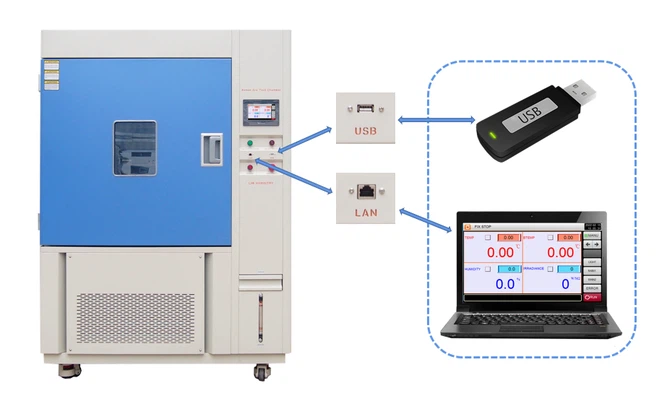
Data can be exported through USB or Ethernet for quality documentation and audit purposes.
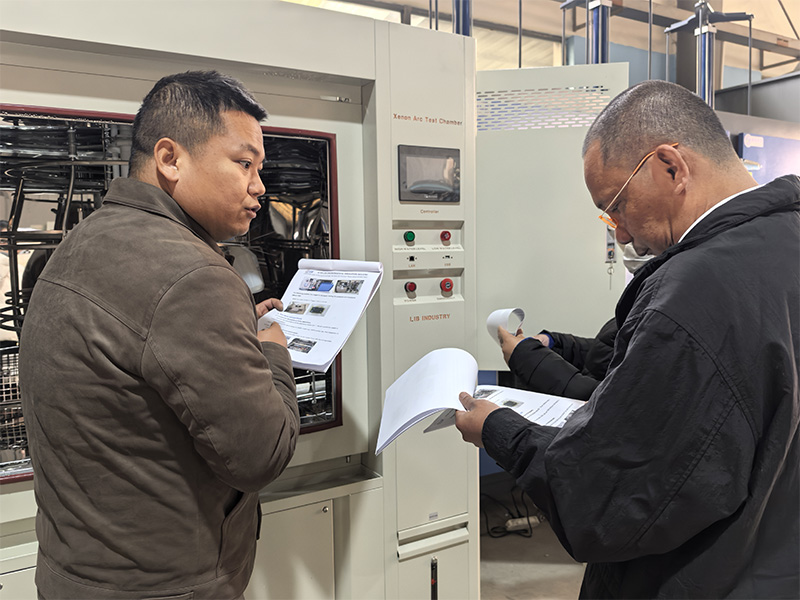
The reliability of a xenon weathering chamber is ultimately demonstrated during customer acceptance testing. During a recent factory acceptance visit, an overseas customer inspected a LIB industry XL-S-750 xenon test chamber before shipment.
The customer reviewed the production process, examined the chamber structure, verified performance parameters, and witnessed live equipment operation. Throughout the acceptance process, LIB engineers demonstrated controller functions, irradiance control, temperature and humidity programming, and data recording capabilities. The quality control team also provided performance verification records and calibration data for review.
| 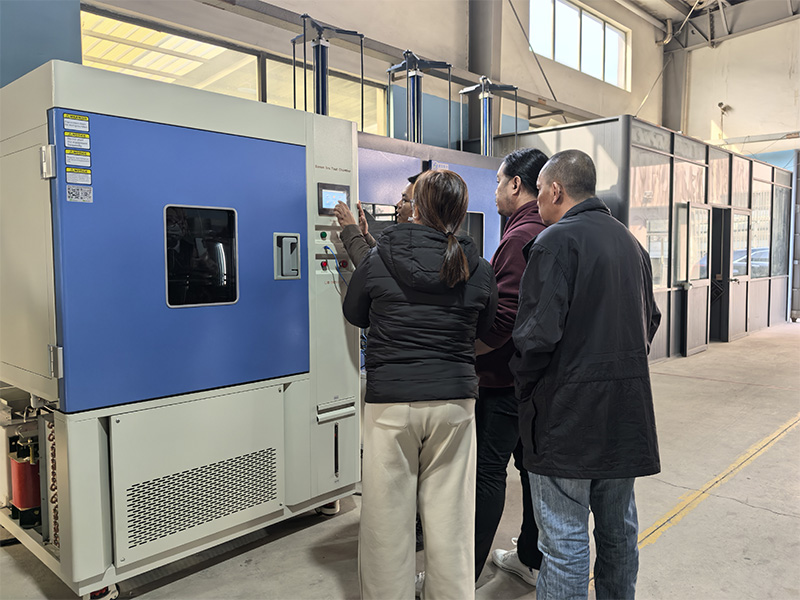 |
Following operational training and performance confirmation, the chamber successfully passed customer acceptance. The visit highlighted several factors that laboratories often prioritize when selecting a xenon weathering system: stable environmental control, transparent quality verification, user-friendly operation, and comprehensive technical support.
Since 2009, LIB industry has specialized in the design and manufacture of environmental simulation equipment for laboratories, research institutions, and industrial manufacturers worldwide.
In addition to xenon weathering chambers, LIB industry provides:
 |
|
|
|
|
|
Every project is supported from design through installation and commissioning.
Customers benefit from:
Factory-direct manufacturing
Customized chamber solutions
Installation guidance
Commissioning support
Operator training
Spare parts availability
Calibration assistance
Remote technical support
Most importantly, LIB industry provides a 36-month warranty and lifetime technical service support, helping laboratories maintain reliable operation throughout the equipment lifecycle.
Whether the requirement involves SAE J2412 testing, customized automotive validation programs, or multi-standard weathering evaluation, LIB industry offers practical solutions backed by long-term service.
It is used to evaluate the resistance of materials to sunlight, heat, and humidity. Common applications include automotive interiors, plastics, coatings, textiles, leather, and decorative materials.
LIB industry xenon chambers can support standards such as SAE J2412, SAE J2527, ASTM G155, ISO 4892-2, AATCC, and various customized weathering test methods.
For automotive interior testing, xenon chambers generally provide more realistic sunlight simulation because they reproduce UV, visible, and infrared energy. UV chambers remain valuable for rapid material screening and comparative aging studies.
Yes. Chamber size, sample holders, filter configurations, irradiance control options, testing programs, and special requirements can be customized according to customer specifications.
LIB industry provides a 36-month warranty covering equipment quality and manufacturing defects. Technical assistance and spare parts support remain available throughout the service life of the equipment.
Yes. LIB industry offers installation guidance, commissioning assistance, operator training, calibration support, remote troubleshooting, and lifetime technical service support to help customers maintain long-term testing reliability.

 English
 русский
 français
 العربية
 Deutsch
 Español
 한국어
한국어 italiano
 tiếng việt
 ไทย
ไทย Indonesia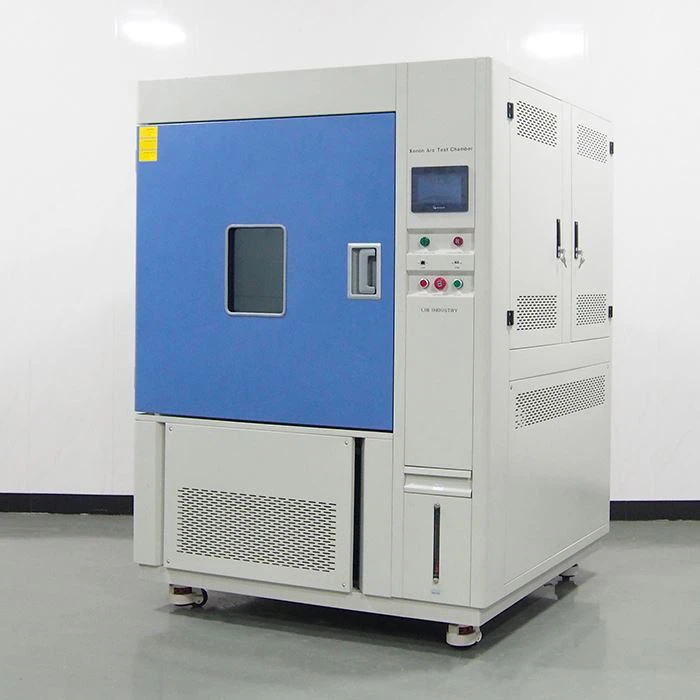


.webp "Accelerated Weathering Test Chamber for Polymer Durability Testing")