When comparing ozone resistance, weathering durability, and elongation retention:
EPDM is typically the best overall choice for outdoor and ozone-rich environments
Silicone also performs excellently, especially across extreme temperature ranges
NBR is the weakest in ozone resistance, but remains essential for oil and fuel exposure
Rubber Material | Ozone Resistance | Weathering Resistance | Oil Resistance | Elongation Retention After Ozone |
EPDM | Excellent | Excellent | Poor | Very Good |
Silicone | Excellent | Excellent | Fair | Good to Very Good |
NBR | Weak to Fair | Weak to Fair | Excellent | Often Drops Faster |
A rubber material may pass initial tensile strength and hardness tests, yet still fail prematurely in service. The reason is often environmental stress—especially ozone and weathering—that is not captured in basic material specs.
Cracked seals → water ingress → system failure
Brittle cable jackets → electrical hazards
Loss of elasticity → reduced sealing performance
Increased warranty claims and maintenance costs
For industries such as automotive, electronics, energy, and infrastructure, these failures are expensive and difficult to predict without proper testing.
Ozone aging occurs when ozone (O₃) attacks unsaturated bonds in rubber under mechanical strain. The most common result is:
Surface cracks perpendicular to the direction of stress
Progressive crack growth under continued exposure
Standards such as ASTM D1149 simulate this exact failure mode under controlled conditions.
EPDM (Ethylene Propylene Diene Monomer) is widely recognized as the industry benchmark for ozone resistant rubber.
Strengths:
| Typical Applications:
|
Limitations:
| |
For most outdoor and weather-exposed applications, EPDM is the first material engineers evaluate.
NBR (Nitrile Butadiene Rubber) is indispensable in oil-related environments but significantly weaker against ozone exposure.
Strengths:
| Typical Applications:
|
Weaknesses:
| |
When ozone exposure is present, NBR should only be used with protective formulations or verified through testing.
Silicone rubber offers a unique balance of ozone resistance and thermal stability.
Strengths:
| Typical Applications:
|
Limitations:
| |
Material selection becomes clearer when tied to real-world use cases:
Outdoor sealing systems (buildings, automotive) → EPDM
High-temperature or fluctuating environments → Silicone
Oil or fuel contact environments → NBR
Electrical insulation exposed to ozone → EPDM or Silicone
Flexible components requiring long-term elongation retention → EPDM
However, these are starting points—not final answers. Actual compound formulation and operating conditions can significantly affect performance.
Elongation retention is one of the most critical indicators of long-term rubber performance.
EPDM typically maintains flexibility best, showing slow crack growth and stable elongation
Silicone also retains flexibility well, especially under temperature cycling
NBR often shows rapid elongation loss once cracking begins
In practical terms:
A seal that loses elongation will fail to maintain contact pressure
A cable jacket may split during bending
A hose may crack under repeated flexing
This is why ozone aging test programs evaluate both visible cracks and mechanical property retention.
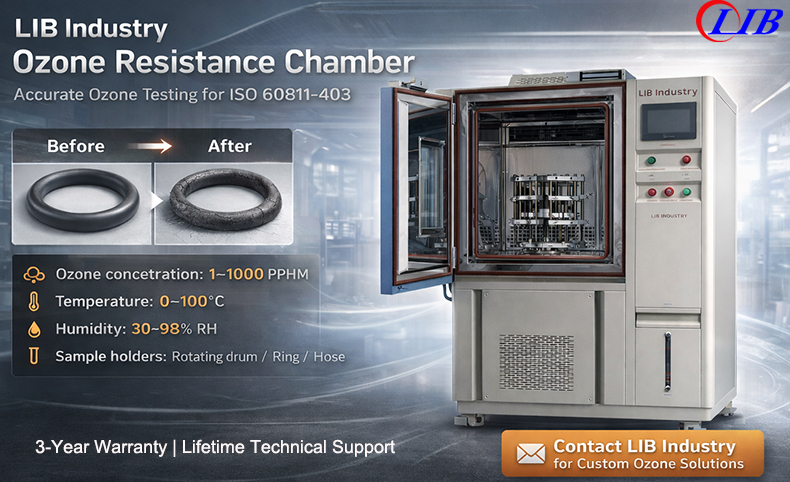
Not all ozone resistance test chambers deliver consistent or comparable results. For accurate rubber ozone aging evaluation, several features are critical:
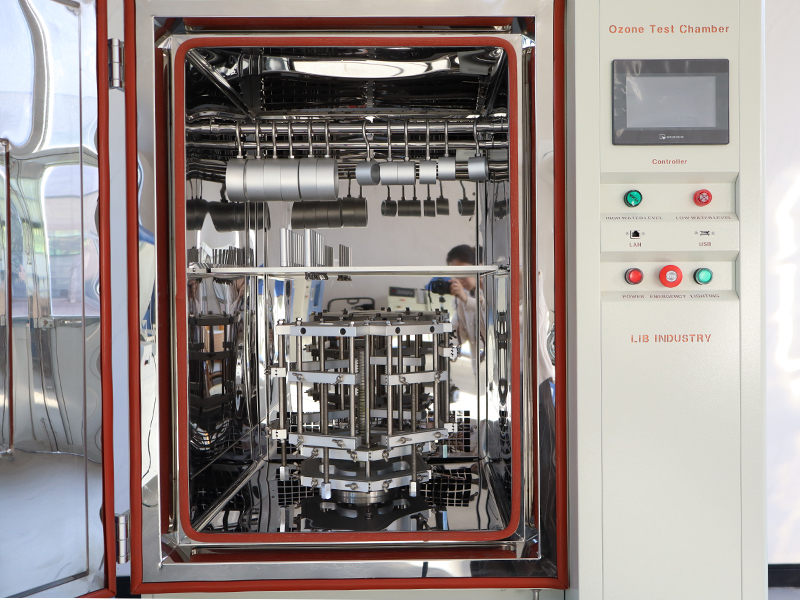
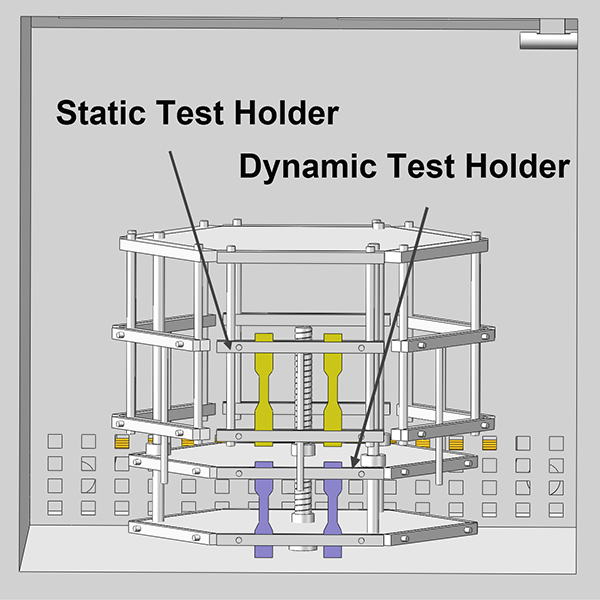
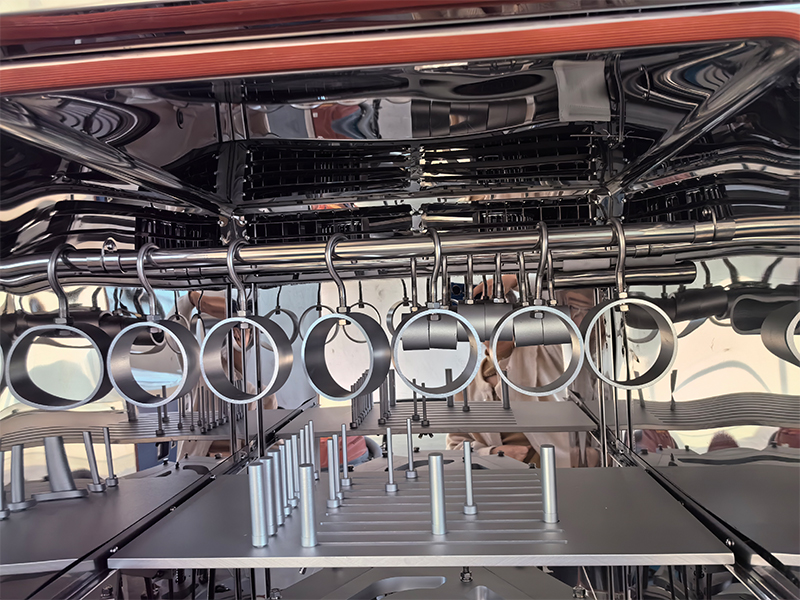
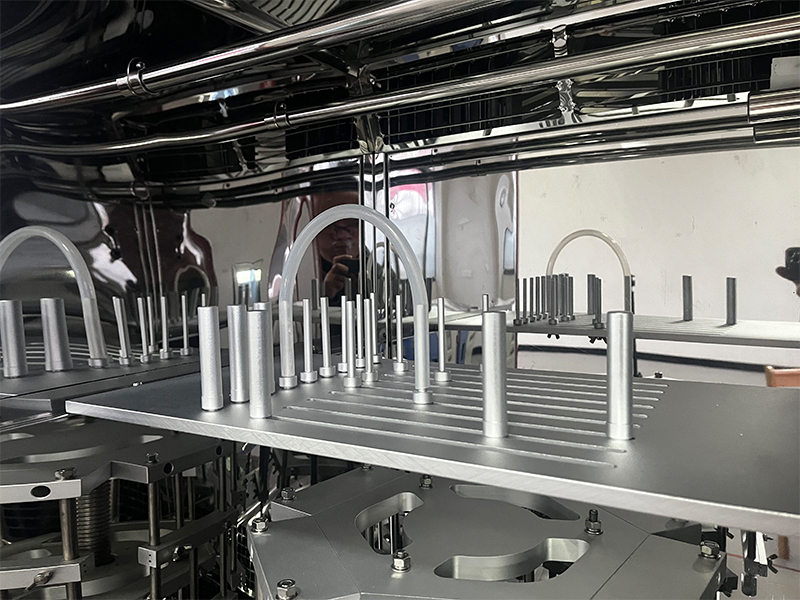
A combination of static and dynamic sample holders ensures specimens are exposed to ozone while under controlled tension. Rotating fixtures improve exposure uniformity and simulate real service conditions more effectively.
High-accuracy ozone sensors and generators enable real-time monitoring and control across a wide range (1–1000 PPHM). Stable ozone concentration is essential for repeatable and comparable test results.
Modern programmable controllers allow:
Multi-step test profiles
Real-time monitoring
Data logging and export
Remote access via Ethernet
This improves lab efficiency and ensures traceability of results.
A high-quality ozone aging test must control multiple variables:
Ozone concentration: typically 25–200 PPHM for standard testing
Temperature: commonly around 40°C
Humidity: 30%–98% RH
Strain level: 5%–35% (static), higher for dynamic tests
Airflow: controlled to ensure uniform exposure
Without these parameters clearly defined, test results cannot be reliably compared.
Effective ozone filtration and exhaust systems prevent environmental contamination. Safety mechanisms such as automatic locks and controlled gas release protect both operators and equipment.
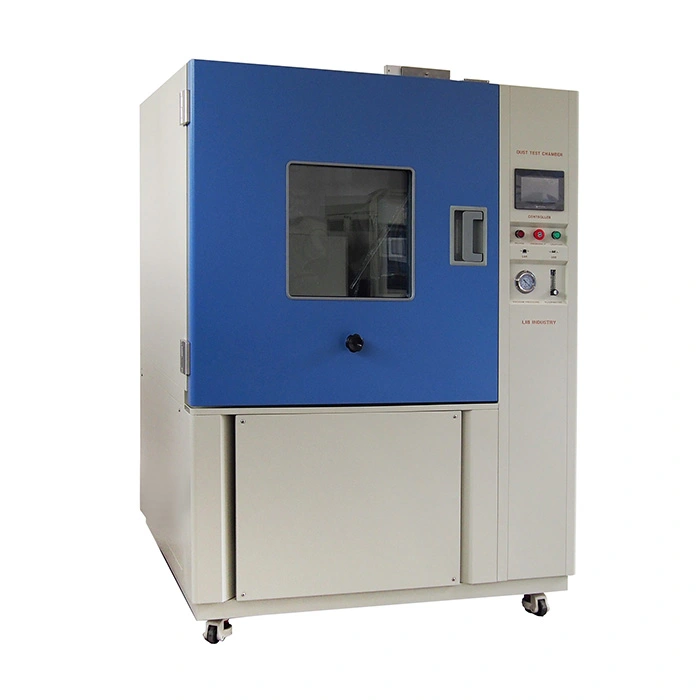
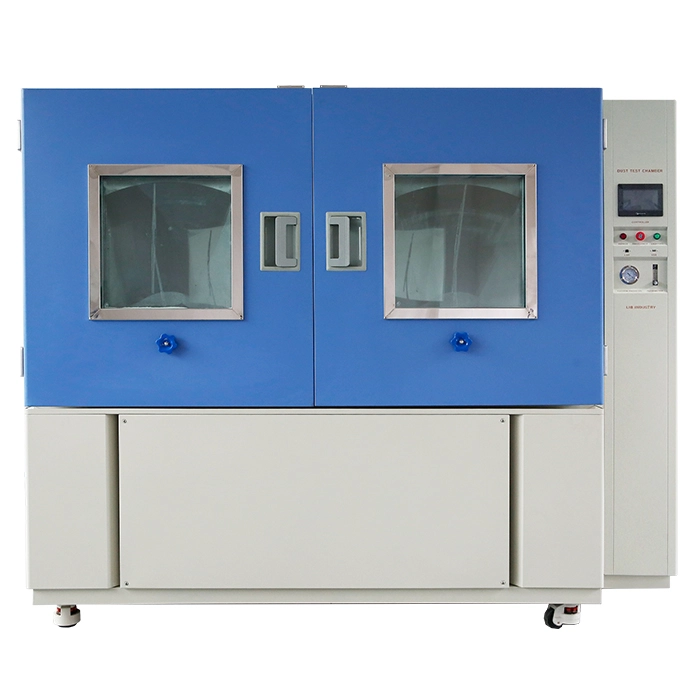
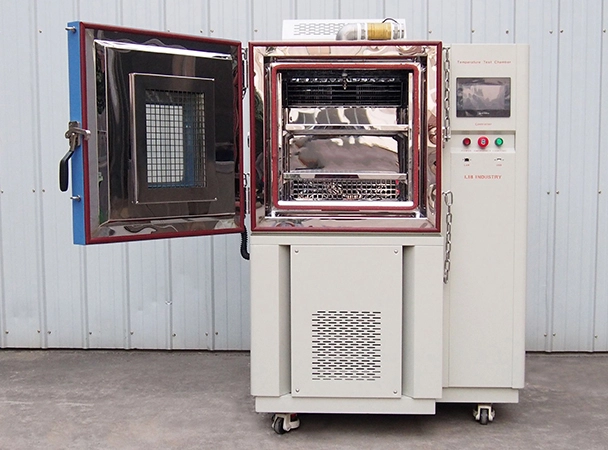
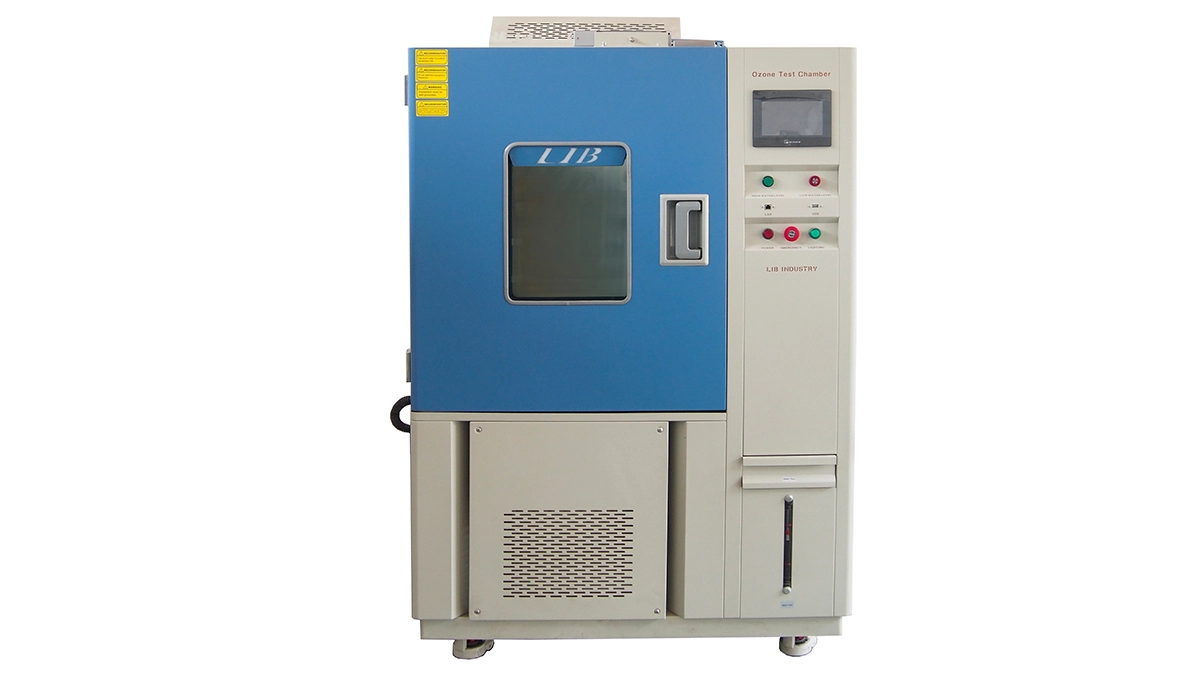
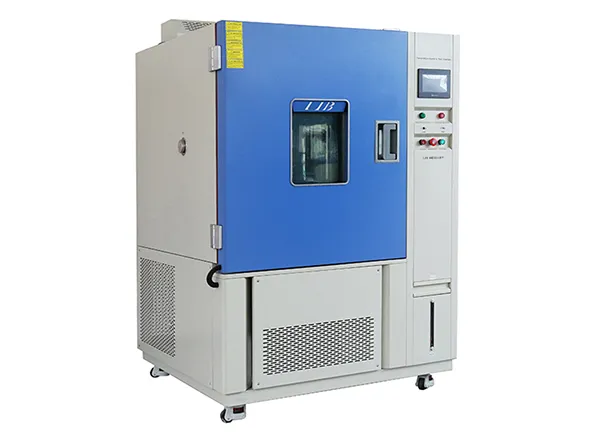
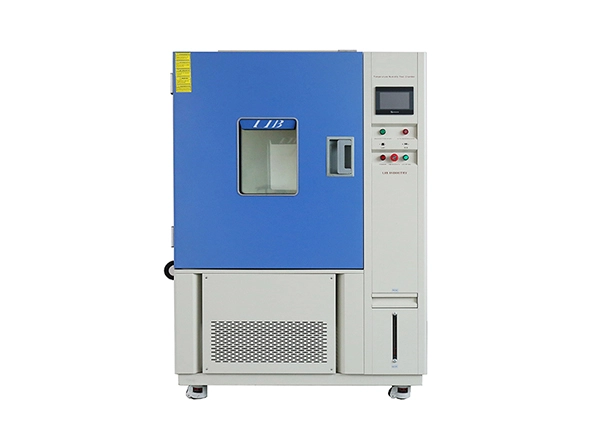
LIB industry provides ozone aging test chambers designed for precise, repeatable rubber testing under controlled environmental conditions.
The ozone test systems support:
Ozone concentration control from 1 to 1000 PPHM
Temperature range from 0°C to 100°C
Humidity control from 30% to 98% RH
Static and dynamic tensile testing configurations
Multiple chamber volumes from 250 L to 1000 L
The ozone test chambers integrate ozone sensors, stable generation systems, controlled airflow, and programmable touch-screen interfaces, enabling laboratories to run standardized tests such as ASTM D1149 with confidence.
 |  |  |
| ||
Beyond equipment, LIB industry offers:
Customized testing solutions
Installation and commissioning support
Operator training
3-year warranty and lifetime technical service
This ensures long-term reliability for laboratories conducting rubber ozone aging and weathering tests.
Choosing between EPDM, NBR, and silicone is not just about material properties—it is about performance under real environmental stress.
EPDM remains the safest choice for ozone resistance and outdoor durability
Silicone excels when temperature extremes are involved
NBR is essential for oil resistance but requires caution in ozone environments
The key to confident selection is testing.
An ozone test chamber enables direct comparison under controlled conditions, allowing engineers and buyers to identify which material maintains integrity, flexibility, and performance over time.
Not sure which rubber is right for your application?
LIB industry can help you design and run comparative ozone aging tests tailored to your product conditions.
Contact LIB industry today to get a customized testing solution and reduce long-term product risk.
EPDM and silicone both offer excellent ozone resistance, with EPDM often preferred for outdoor applications and silicone for temperature extremes.
EPDM is usually more cost-effective and widely used for outdoor weathering, while silicone is chosen when temperature fluctuations are significant.
Ozone causes surface cracking under strain, weakening the material structure and reducing its ability to stretch and recover.
It exposes rubber samples to controlled ozone concentration, temperature, humidity, and strain over time, then evaluates cracking and property changes.
Yes, chamber size, fixtures, and test parameters can be customized to meet specific standards and product requirements.
Typical tests range from 24 to 168 hours depending on standards, ozone concentration, and required evaluation criteria.
 English
 русский
 français
 العربية
 Deutsch
 Español
 한국어
한국어 italiano
 tiếng việt
 ไทย
ไทย Indonesia