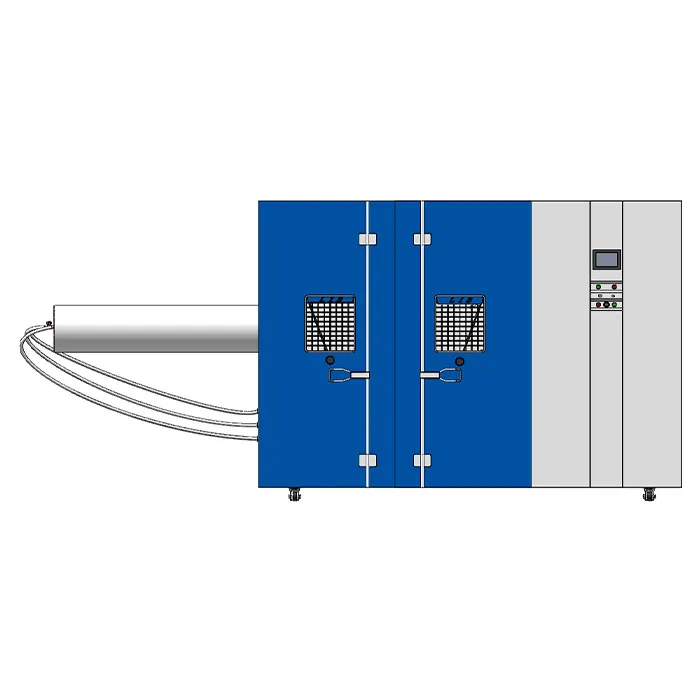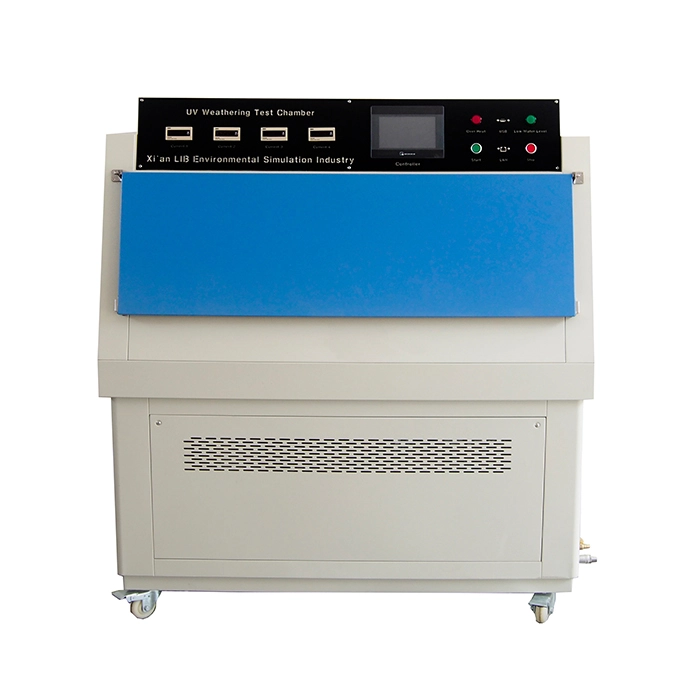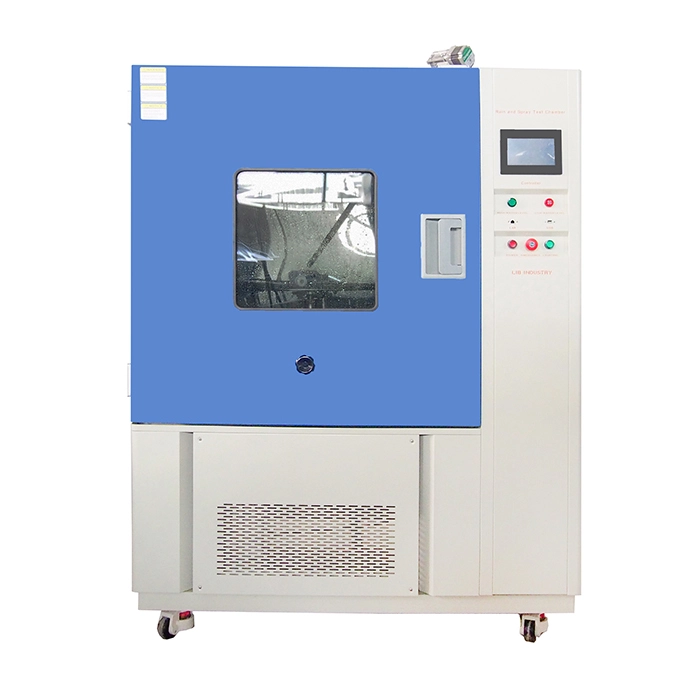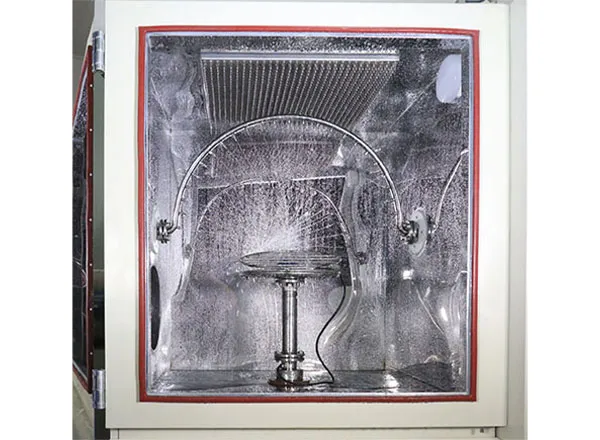
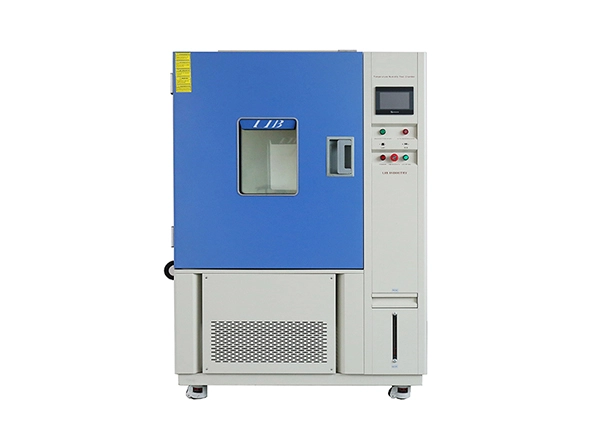
Corrosion ranks as a main reason for equipment breakdowns in the energy field. Power equipment, such as transformers, electrical switches, and other key parts, faces many environmental challenges. Over time, contact with harmful gases, water, and changes in temperature can speed up corrosion. This process weakens the equipment. It also endangers the dependability of the whole setup. Thus, corrosion testing proves vital for power equipment. It ensures lasting reliability and smooth operation.
Noxious gas test chambers create tough settings. They let power equipment makers and upkeep groups check the resistance to corrosion of different parts. This happens under managed, severe conditions. These chambers provide exact copies of contact with dangerous gases and other factors from the real world that power equipment may meet.
The noxious gas test chamber aims to mimic conditions like contact with corrosive gases. Examples include sulfur dioxide (SO2), hydrogen sulfide (H2S), and nitrogen oxides (NOx). These gases often appear in factory and electrical areas. There, equipment faces releases from plants, power stations, and similar sources. The chamber lets engineers recreate these setups in a safe space. As a result, they confirm that equipment gets tested well for toughness.
Engineers speed up corrosion effects with simulated contact. The noxious gas test chamber aids in guessing the service life of power equipment. This kind of testing matters a lot. It helps forecast when equipment could break down. Therefore, firms can do upkeep ahead of time. They might swap parts before a major issue hits. Guessing equipment lifespan is key. It supports steady energy flow and stops sudden stops in work.
Quality and dependability of power equipment require corrosion testing. This testing follows set international rules. These rules guide makers and engineers. They show how to mimic and gauge corrosion in different settings.
Standard | IEC 60068-2-42: SO₂ Test | IEC 60068-2-43: H₂S Test | IEC 60068-2-60: Mixed Flowing Gas Test | ISO 9227: Salt Spray Test |
Gas Type | Sulfur Dioxide (SO₂) | Hydrogen Sulfide (H₂S) | H₂S, NO₂, Cl₂, SO₂ in various combinations | Sodium Chloride (NaCl) or Copper Chloride (CuCl) |
Concentration | 25 ppm ± 5 ppm | 10–15 ppm H₂S | Method 1: H₂S 100 ± 20 ppb, NO₂ 200 ± 50 ppb, Cl₂ 10 ± 5 ppb | NSS: 50 ± 5 g/L NaCl; CASS: 0.26 ± 0.02 g/L CuCl |
Method 2: H₂S 10 ± 5 ppb, NO₂ 200 ± 50 ppb, SO₂ 500 ± 100 ppb | pH 6.5–7.2 (NSS), pH 3.1–3.3 (AASS) | |||
Temperature | 25 °C ± 2 °C | 25 °C ± 2 °C | Method 1 & 4: 25 °C ± 1 °C, Method 2 & 3: 30 °C ± 1 °C | 25 °C ± 2 °C (NSS), 50 °C (CASS) |
Humidity | 75% RH (range 70%–80% RH) | 75% RH (range 70%–80% RH) | 75% ± 3% RH (Method 1 & 4), 70% ± 3% RH (Method 2 & 3) | Not applicable (Salt Spray) |
Exposure Duration | 4, 10, or 21 days | 4, 10, or 21 days | 4, 7, 10, 14, or 21 days | Typically 48 hours to 1000+ hours depending on material |
Air Circulation | 3 to 5 air changes per hour | 3 to 5 air changes per hour | 3 to 10 air changes per hour | Not applicable (Salt Spray) |
Evaluation Criterion | Contact resistance (IEC 60512-2-1) | Contact resistance | Copper coupons to measure corrosion | Surface coating durability and corrosion resistance |
Use Case | Switch contacts, relays, busbar joints in SO₂ environments | Silver and silver-alloy contacts in H₂S environments | Mixed gas environments in substations, industrial zones | Coating comparison, corrosion resistance in saline environments |
· IEC 60068-2-42 matters greatly for checking the strength of electrical contacts and links exposed to sulfur dioxide (SO₂) in factory settings. This rule makes sure that parts like switches and ends can handle SO₂ contact without losing their function.
· IEC 60068-2-43 targets hydrogen sulfide (H₂S). This gas can dull silver-based contacts and connectors. By checking how equipment responds to H₂S contact, this rule aids in securing the long use and trust in electrical parts in places where this gas often appears.
· IEC 60068-2-60 serves as a key rule for copying more true-to-life mixed-gas setups. It mixes several gases to show the varied pollutant blend in factory areas. Hence, it fits well for judging the work of power equipment in those places.
· ISO 9227 serves often to judge the strength of coatings against corrosion in salty settings. Though it does not center on harmful gases, it adds to other tests. It checks how well surface coatings resist bad effects in places with seawater or like pollutants.
Corrosion testing brings great value to power equipment. Yet, engineers run into some problems during the work. These can harm the truth and steadiness of test outcomes.
Transformers stand as key parts in power sending and sharing systems. But they face risks from corrosion. This happens mainly when they meet water or harmful gases. Noxious gas test chambers help copy the bad settings that transformers might face. In turn, they make sure these vital parts stay safe from early breakdowns.
Electrical switches play a big role in managing electricity flow in power systems. These switches face high risks from corrosion. It can stop their work and harm system steadiness. Testing for corrosion in noxious gas test chambers checks how switches fare in tough environmental setups. It also helps better their build to gain longer use.
Picking the proper noxious gas test chamber is key for true corrosion testing. Many things need thought when choosing the best type for your wants.
The size of the test chamber counts as one of the top things to think about. It must fit the equipment under test. This could be transformers, electrical switches, or other parts. Plus, the chamber needs to let changes in gas levels. This allows copying different amounts of contact with bad gases.
Features for controlling temperature and humidity are a must. They help copy environmental conditions well. The chamber should give a broad set of temperature options. This tests equipment in both hot and cold setups. In the same way, handling humidity levels makes sure tests can copy many settings. Examples include wet coastal spots or dry desert areas.
LIB’s noxious gas test chambers stand out for their new features. These include changeable gas level ranges, exact control of temperature and humidity, and the skill to copy many environmental setups. The chambers gain trust from power equipment makers and upkeep groups around the world. They use them for strict corrosion testing. This work ensures the long-term strength of energy sites.
The company started with a goal to give top environmental simulation fixes. Xi’an LIB Environmental Simulation Industry has built a solid name as a trusted seller of fine corrosion testing chambers. LIB focuses hard on new ideas and happy customers. Their test chambers serve many fields. These include energy, making goods, and electronics. They help make sure equipment works well in rough settings.
LIB Industry leads in environmental test chambers. They offer strong noxious gas test chambers. These meet world standards. The noxious gas test chambers have exact control tools. They copy bad environments well. This ensures the strength and trust of power equipment.
LIB’s wide know-how and promise to quality have won them a good name. They act as a steady partner for businesses wanting strong testing fixes. No matter if for power equipment or other factory uses, LIB’s test chambers give the exactness and strength needed to meet tough world rules.
Corrosion stays as a constant danger to the strength and trust of power equipment. With strong noxious gas test chambers, makers and upkeep groups can tackle the bad effects of corrosive settings ahead of time. They ensure power equipment works well over its full use. Tests in managed conditions copy real-world contact with bad gases. This lets engineers spot possible weak points before they lead to big troubles.
With the best tools for corrosion testing and following world rules, the energy field can better the use life of key setups. It cuts stop times and boosts the full trust of electrical systems. The noxious gas test chamber plays a main part in this work. It helps the ongoing growth and strength of energy sites across the globe.
The Noxious Gas Test Chamber is a managed space. It copies the effects of bad gases like sulfur dioxide and hydrogen sulfide on power equipment. It aids makers in judging the resistance to corrosion under tough environmental setups.
Corrosive gas testing is a must. It makes sure power equipment can handle rough environmental setups. These could cause early wear. Testing aids in guessing equipment use life. It also spots weak points that need fixes to keep steady work.
The Noxious Gas Test Chamber copies bad environments. It lets engineers judge how equipment acts under long contact with harmful gases. This testing aids in bettering the build and strength of power equipment. Thus, it ensures lasting steadiness.
Both tests judge resistance to corrosion. But salt spray testing looks at the effects of salty setups. The Noxious Gas Test Chamber focuses on bad gases like sulfur dioxide and hydrogen sulfide. These gases often show up in factory places.
The best chamber fits the size of equipment under test. It also matches the needed gas level range and features for temperature and humidity control. Think about these when picking a type to meet your testing needs.
 English
 русский
 français
 العربية
 Deutsch
 Español
 한국어
한국어 italiano
 tiếng việt
 ไทย
ไทย Indonesia