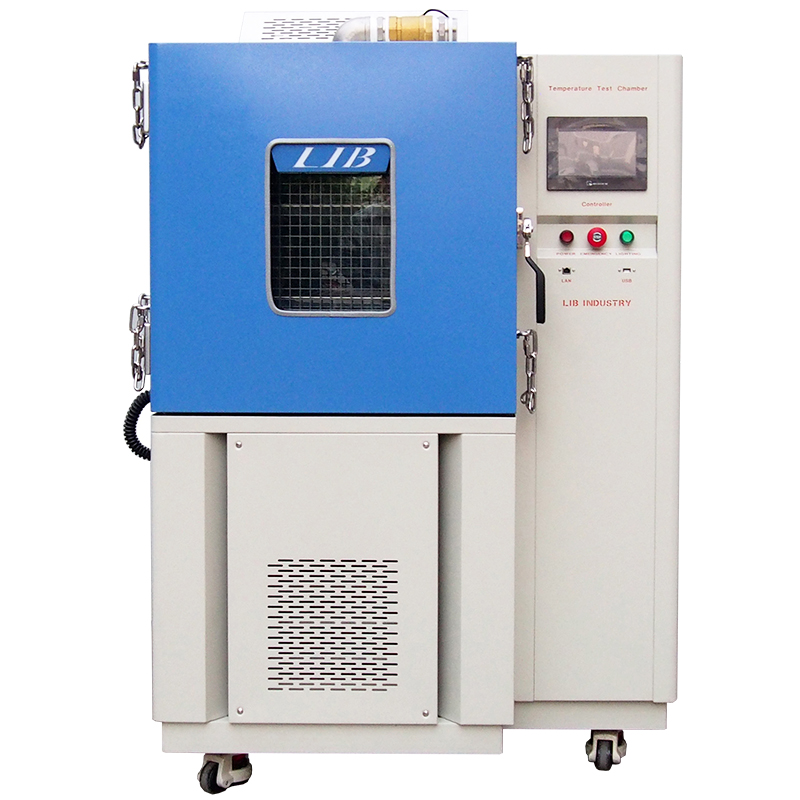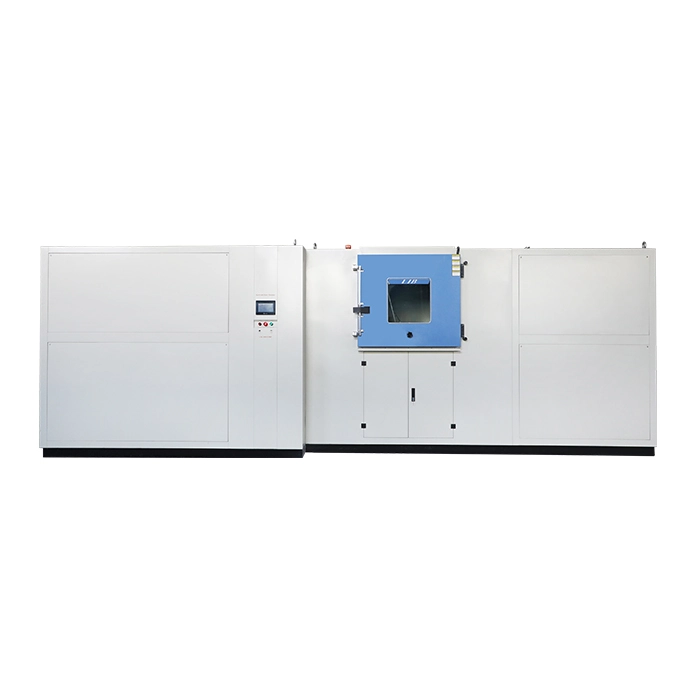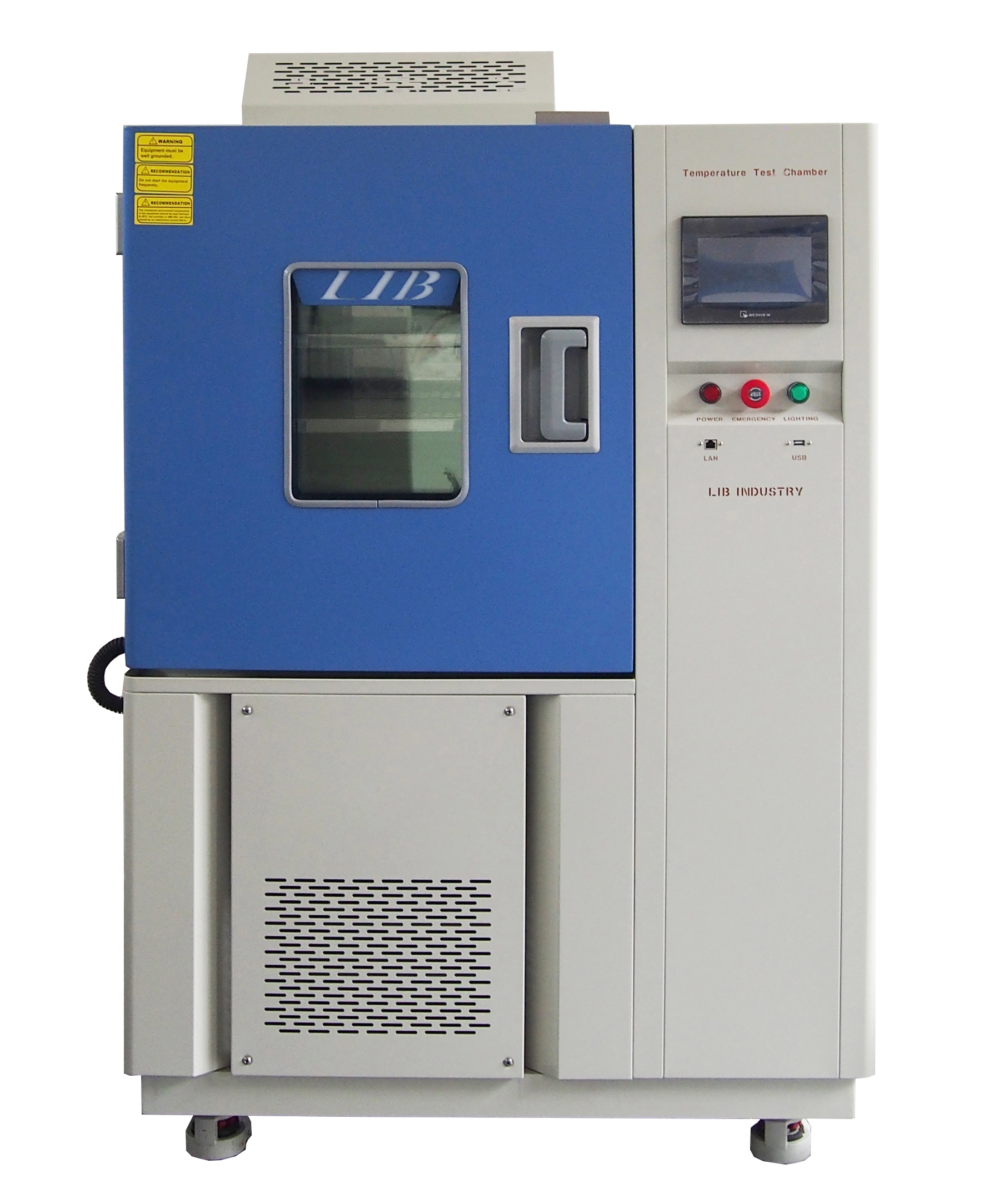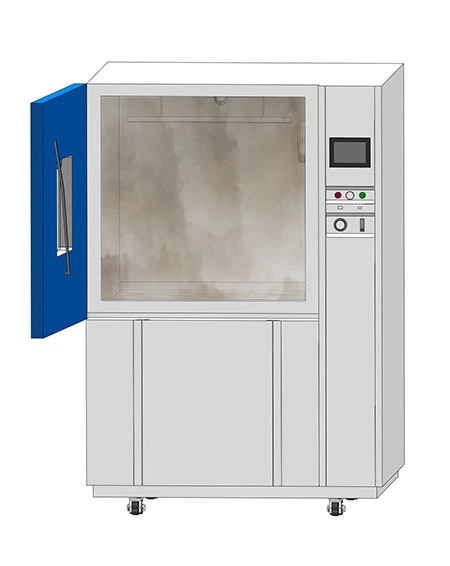
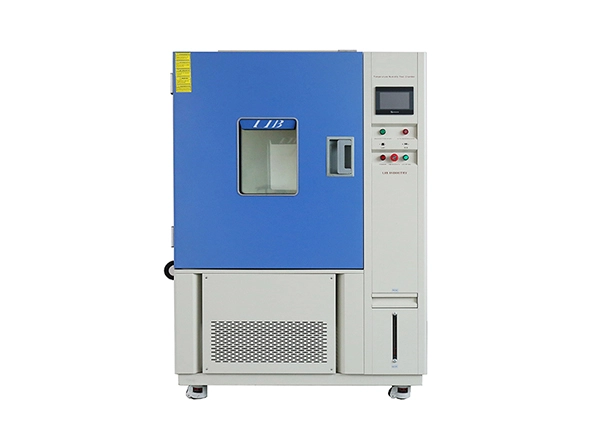
In modern product development, environmental testing is indispensable. Whether validating an electronic module, qualifying automotive components, or verifying aerospace hardware, companies rely on controlled environmental simulation to ensure reliability and compliance. Among the most widely used testing systems are climatic chambers and temperature chambers. Although they appear similar, their capabilities, cost levels, and application focus differ significantly.
This detailed guide explains these differences from a technical and practical standpoint—covering temperature performance, humidity integration, accuracy, testing applications, and investment considerations. It also provides useful insights for industries evaluating related equipment such as an industrial oven for sale, searching for cryogenic chamber pricing, or comparing advanced environmental simulation systems.
Climatic chambers—also known as climate chambers or temperature humidity chambers—are engineered to simulate multiple environmental parameters simultaneously. These systems can control temperature, humidity, and in advanced models, pressure or altitude, making them suitable for comprehensive environmental durability testing.
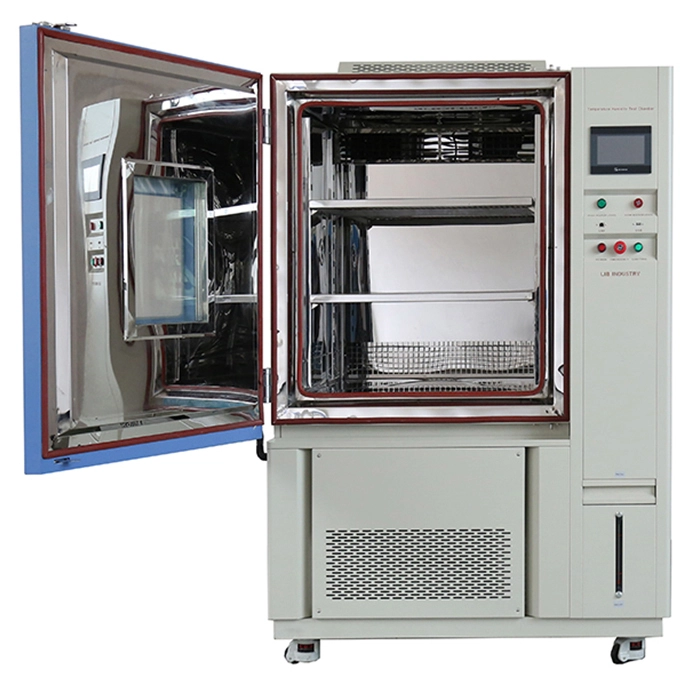 |  |
| Feature | Typical Range |
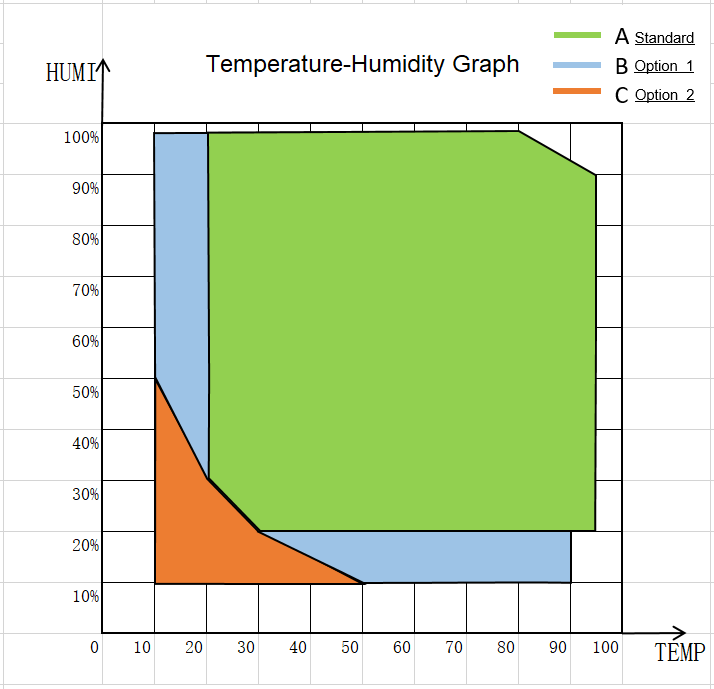
| Temperature Control | –70°C to +150°C (extendable to +180°C) |
| Humidity Control | 10% to 98% RH |
These capabilities enable industries to evaluate product performance under realistic and accelerated atmospheric conditions, including:
High-temperature / high-humidity stress
Low-temperature stability
Temperature–humidity cycling
Moisture ingress tests similar to humidity control chamber evaluations
Because climatic chambers simulate combined stresses, they are ideal for applications where environmental interactions, not just temperature, may influence product reliability.
Temperature chambers focus exclusively on precise thermal control without humidity generation. They are widely used for thermal cycling, heat aging, stress screening, and materials evaluation, especially when humidity is irrelevant.
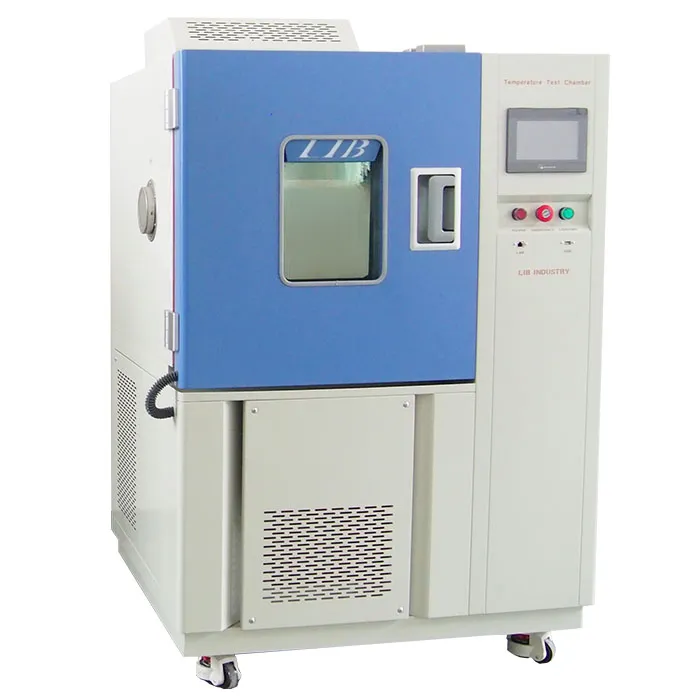 | 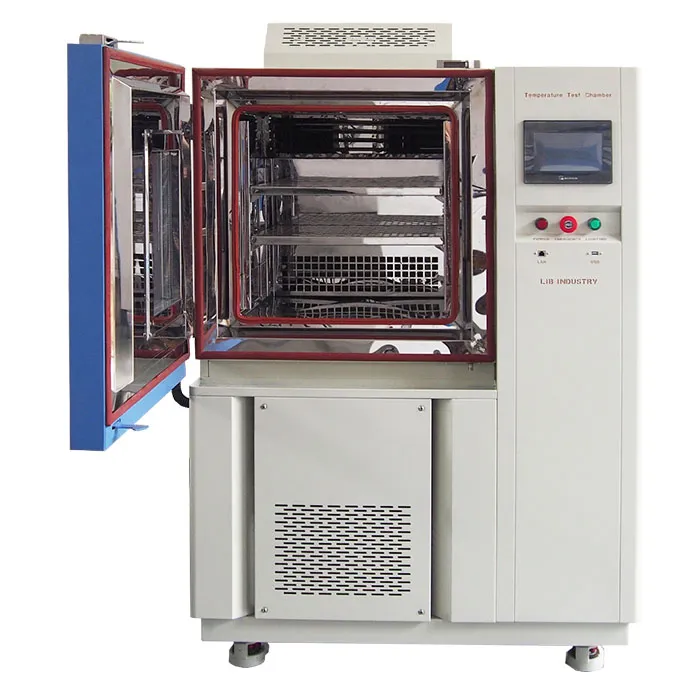 |
Function | Range |
Temperature Control | –70°C to +220°C (model-dependent) |
Temperature Change Rate | Up to 5°C/min or higher |
High-Temperature Applications | Heat treatment, baking, curing |
Due to their fast ramp rates, temperature chambers are commonly used for:
Thermal shock testing (often paired with two-zone or three-zone systems)
Electronics stress screening
Battery pack thermal cycling
Materials expansion / contraction evaluation
High-temperature processes where a heat treatment oven or industrial drying oven would normally be used.
The most significant distinction between climatic and temperature chambers lies in humidity integration. Climatic chambers can control both temperature and moisture, enabling tests where humidity plays a critical role.
Capability | Range |
Standard Humidity | 20%–98% RH |
Advanced Control | 10%–98% RH with auto-calibration |
Humidity testing is essential for:
Electronic PCB corrosion analysis
Polymer degradation
Packaging and pharmaceutical stability
Moisture ingress studies
Long-term temperature–humidity–bias (THB) testing
Temperature-only chambers cannot support these tests, making climatic chambers the preferred choice whenever moisture interaction affects product safety or performance.
Feature | Climatic Chamber | Temperature Chamber |
Temperature Control | ✓ | ✓ |
Humidity Control | ✓ | ✗ |
Altitude Simulation | Optional | ✗ |
Rapid Cycling | Medium | Strong |
Suitable for Electronics | ✓ | ✓ |
Suitable for Materials Heat Aging | ✓ | ✓ |
Suitable for Moisture Tests | ✓ | ✗ |
Cost | Higher | Lower |
This comparison makes it clear that climatic chambers offer broader environmental simulation, while temperature chambers specialize in efficient and extreme thermal performance.
Choosing between a climatic chamber and a temperature chamber depends entirely on your testing strategy:
Choose a Climatic Chamber if:
Your product needs combined temperature–humidity testing, moisture stability evaluation, or environmental durability simulation.
Choose a Temperature Chamber if:
Your priority is fast thermal cycling, heat treatment, extreme temperatures, or cost-efficient single-parameter control.
Both systems play vital roles in modern reliability engineering. Understanding these differences ensures the selected equipment aligns with your technical requirements and long-term testing goals.
Selecting the correct testing equipment is essential for ensuring product reliability, safety, and regulatory compliance. Whether you need a temperature-only system for fast thermal cycling or a fully featured climatic chamber for comprehensive temperature–humidity simulation, making the right investment will directly impact your testing efficiency and long-term performance.
With LIB industry, you get more than just equipment—you get peace of mind:
3-year warranty covering all major components
Lifetime technical support to solve any operational issues
Rapid response: 1–3 hours for urgent inquiries
Fast delivery: standard lead time of 7–15 working days
If you are evaluating environmental chambers, industrial ovens, cryogenic systems, or custom testing solutions, LIB industry can provide expert guidance, tailored configurations, and competitive pricing.
Contact LIB industry today inquiry@libtestchamber.com for professional consultation, detailed specifications, and a customized quotation that meets your exact testing requirements.
 English
 русский
 français
 العربية
 Deutsch
 Español
 한국어
한국어 italiano
 tiếng việt
 ไทย
ไทย Indonesia
_20260803163531.webp "IEC 61215 MQT10 UV Preconditioning Test Chamber")