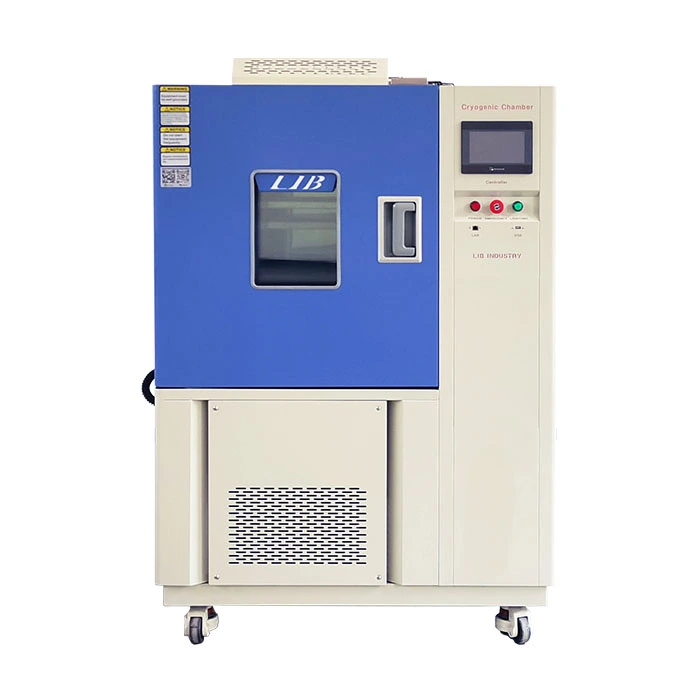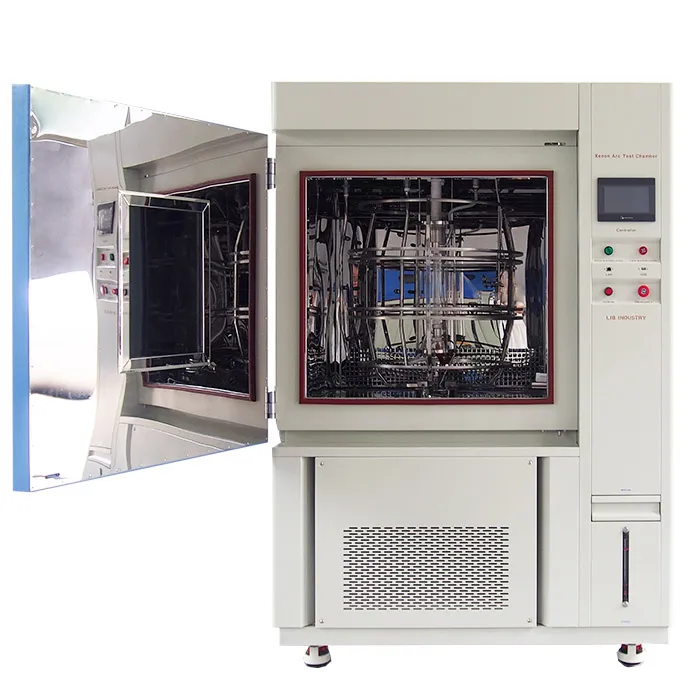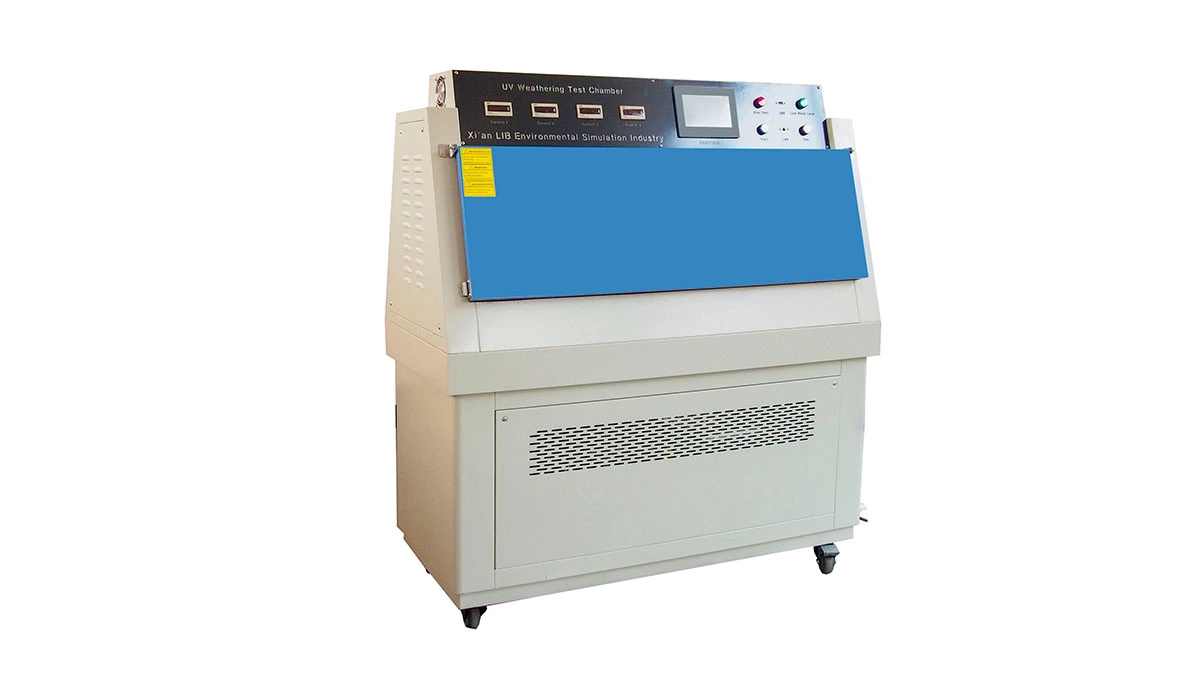
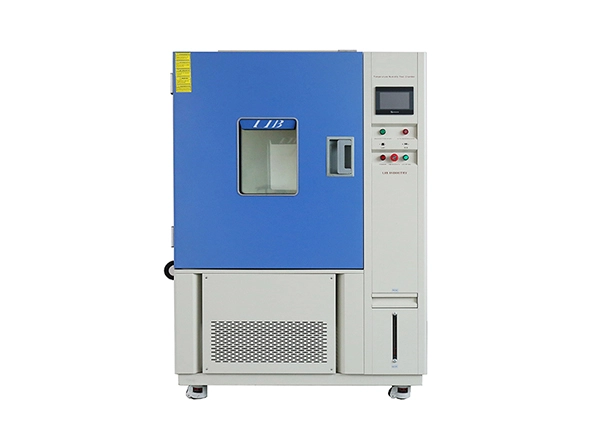
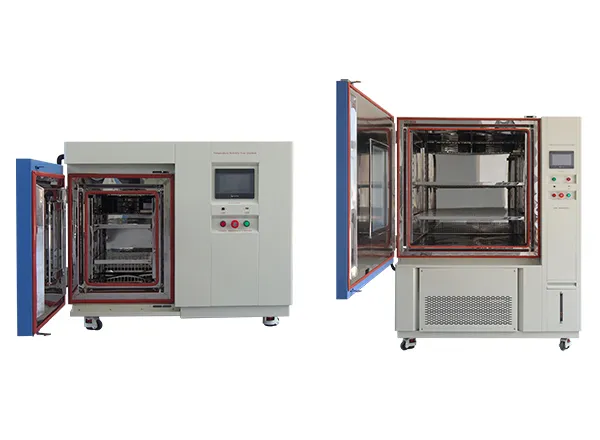
Investing in a high-precision climatic test chamber ensures your products perform reliably under extreme conditions. From testing battery durability to automotive components and industrial coatings, these chambers simulate real-world environments, helping manufacturers enhance product quality and longevity. This guide explains how these chambers work, their key components, control systems, environmental simulation, accuracy factors, and the latest technological advancements.
The heart of any environmental chamber lies in its ability to replicate temperature, humidity, and other conditions precisely. The main components include heating and cooling systems, humidity controls, and sensors.
| Component | Function | Key Features | Example Specs |
| Heating System | Raises chamber temperature | Fast ramp rate, even heat distribution | 0~200 °C, ±0.5 °C accuracy |
| Cooling System | Lowers chamber temperature | Uniform cooling, rapid response | -40~+150 °C, ±1 °C |
| Humidity Control | Regulates moisture | Wide RH range, precise | 20~95% RH, ±2% RH |
| Sensors | Monitor conditions | High sensitivity, reliable | Pt100 / capacitive sensor |
These components work together to create a controlled temperature & humidity test environment, essential for testing batteries, automotive parts, coatings, and more
Modern climatic test chambers use programmable logic controllers (PLCs) and advanced microprocessors to maintain precise temperature and humidity conditions.
· User-friendly interface: Set test parameters and monitor outputs in real time.
· Customizable cycles: Ideal for thermal shock testing and stability chamber experiments.
· Integration: Can control multiple chambers remotely and record data for analysis.
These features ensure consistent results for industrial applications, including humidity test chambers, salt spray chambers, and industrial ovens.
Temperature & humidity chambers can replicate a wide range of environmental conditions, allowing manufacturers to test product durability.
| Simulation Type | Chamber Type | Purpose |
| Thermal Cycling | Thermal Test Chamber | Assess temperature resilience |
| Humidity Variation | Humidity Chamber | Evaluate moisture impact |
| Corrosion Testing | Salt Spray Chamber | Test corrosion resistance |
| Altitude Simulation | Altitude Chamber | Assess performance at different pressures |
By understanding how products behave under extreme heat, cold, moisture, or corrosive conditions, companies can optimize design and reduce field failures.
Accuracy is critical for reliable testing. Key factors include:
High-quality sensors: Calibrated Pt100 or capacitive sensors improve measurement precision.
Regular maintenance: Prevents drift and ensures long-term reliability.
Stable control systems: Maintain consistent conditions throughout the testing cycle.
Choosing temperature & humidity chambers with precise control ensures trustworthy thermal shock test results and consistent product validation.
Technological advancements have made climatic test chambers more efficient and smarter:
· Smart automation: AI-driven predictive maintenance reduces downtime.
· Eco-friendly design: Lower energy consumption without compromising performance.
· Digital integration: Remote monitoring and IoT-enabled control for benchtop environmental chambers.
· Enhanced data analysis: Collect and interpret test data automatically for faster decision-making.
Whether you are exploring an industrial oven for sale, vacuum drying oven, or cryogenic chamber, these innovations simplify testing and improve reliability.
How often should the chamber be calibrated?
Regular calibration, usually every 6–12 months, ensures measurement accuracy and reliable testing results.
What industries benefit most from climatic testing?
Electronics, automotive, aerospace, coatings, and battery manufacturers rely on these chambers to validate product durability under extreme conditions.
Can the chamber simulate multiple conditions simultaneously?
Yes. Advanced temperature and humidity chambers can combine thermal, humidity, and even corrosion simulations to mimic real-world environments.
Climatic test chambers are essential tools for quality assurance and product development. By replicating real-world environmental conditions with precision, these chambers help manufacturers improve durability, reduce failures, and optimize designs.
Looking for a reliable temperature & humidity chamber? Contact LIB industry today inquiry@libtestchamber.com to find the perfect solution for your testing needs.
 English
 русский
 français
 العربية
 Deutsch
 Español
 한국어
한국어 italiano
 tiếng việt
 ไทย
ไทย Indonesia
.webp "Fluorescent UV Lamp Aging Exposure Test Equipment")
.webp "Portable Temperature Humidity Calibration Chamber for Thermometers and Hygrometers")