Batteries are increasingly used in a wide range of applications, from consumer electronics to electric vehicles and large-scale energy storage systems. During operation, they encounter diverse environmental stresses such as extreme temperatures, humidity, mechanical vibration, and corrosive conditions. Ensuring battery reliability, safety, and long service life is therefore essential for manufacturers and end users alike.

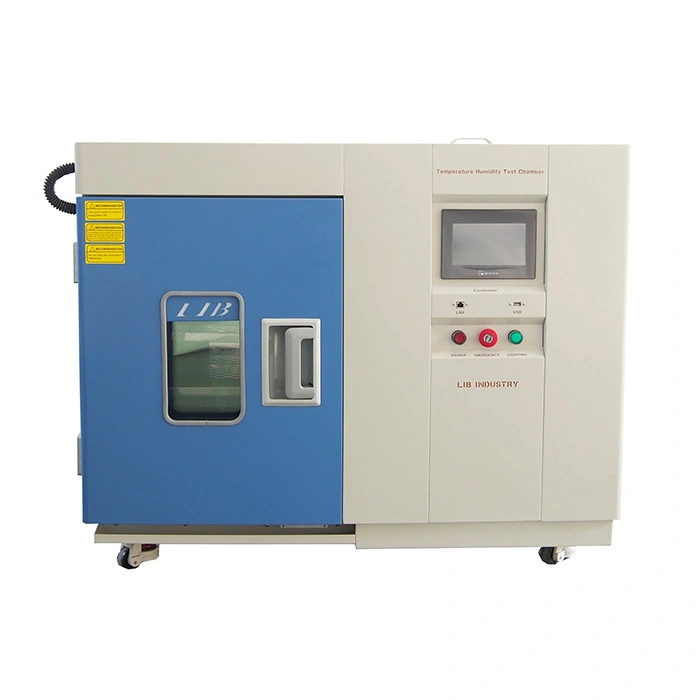
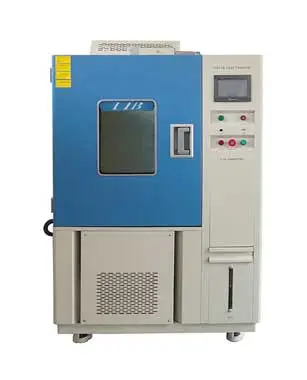
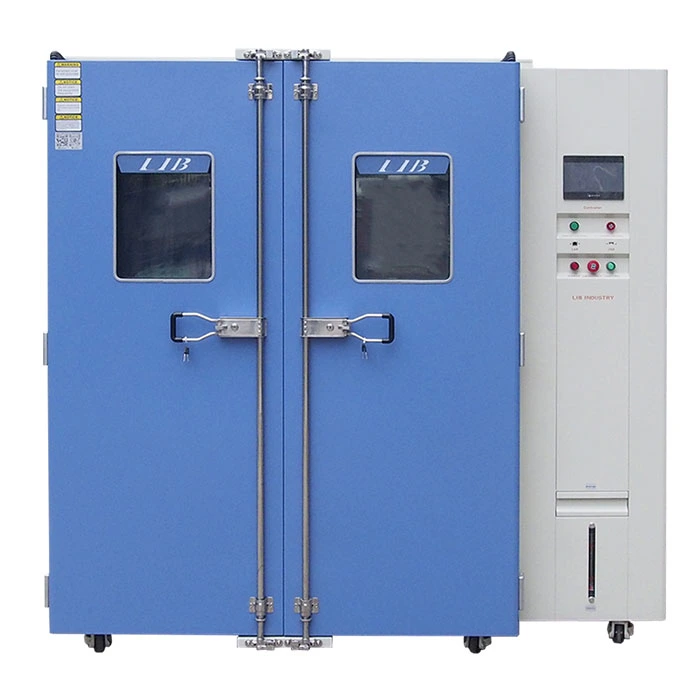
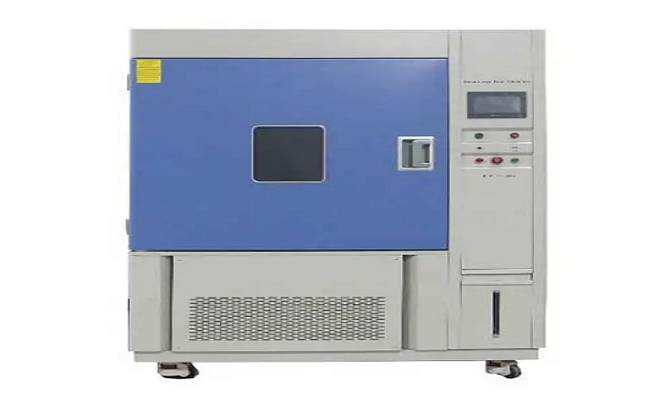
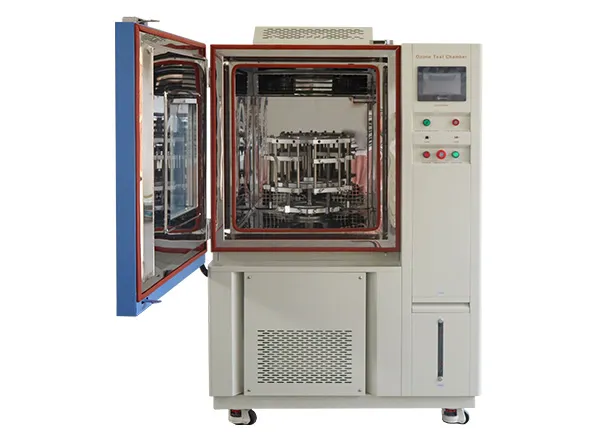
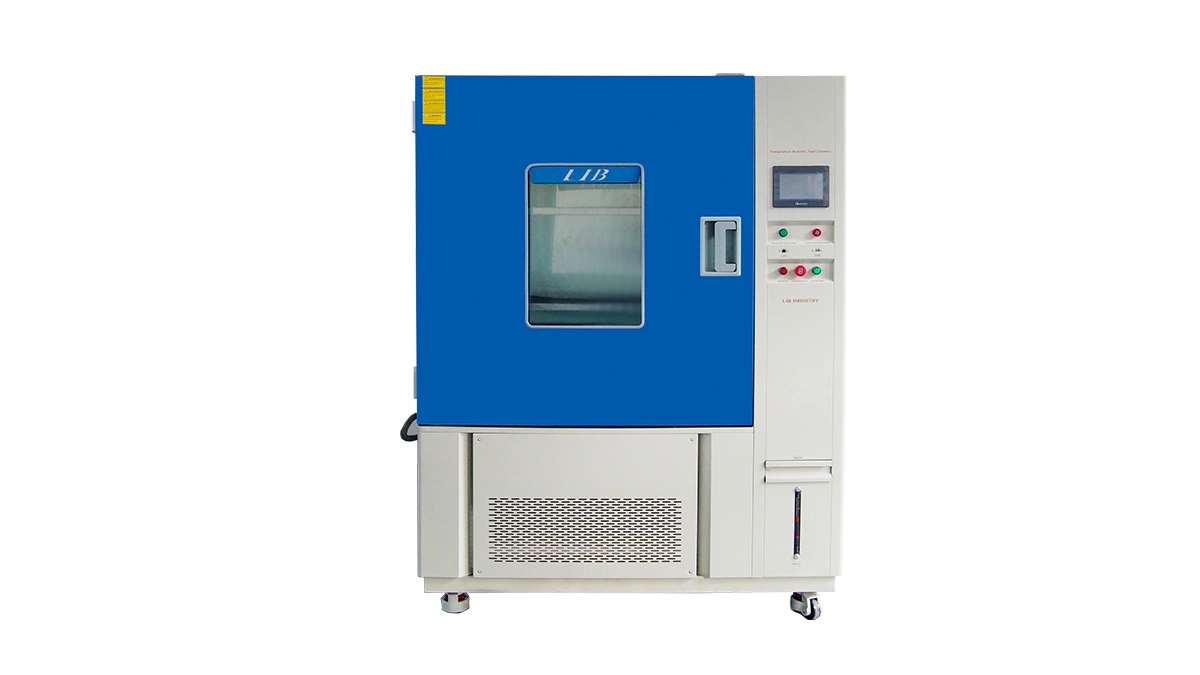
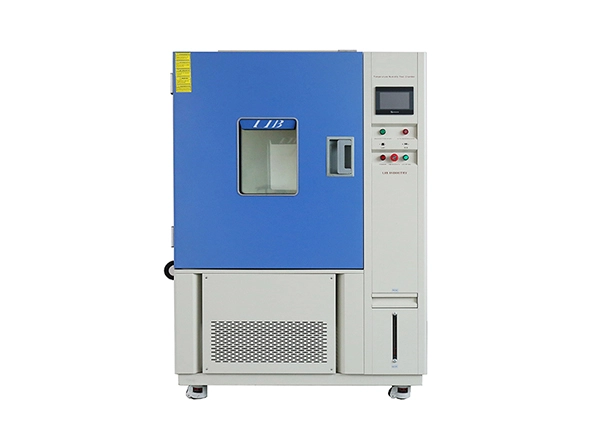
LIB Industry offers a comprehensive portfolio of environmental chambers designed specifically for battery testing. Our solutions include Temperature Chambers, Constant Temperature & Humidity Chambers, Thermal Shock Chambers, Vibration & Combined Chambers, Explosion Proof Chambers, and Salt Spray/Corrosion Chambers. Each environmental chamber is engineered to meet international standards while providing precise control over test parameters, helping engineers and researchers optimize battery performance and durability.
Test Type | Recommended Equipment | Key Parameters / Considerations |
Room Temperature Charge/Discharge | Temperature Chamber | −20–60℃, ±0.5℃ accuracy, supports cable passthrough |
High-Temperature Storage | Constant Temperature Chamber | +60–85℃, long-term stability, exhaust interface |
Humidity & Damp Heat Aging | Constant Temperature & Humidity Chamber | 40–85% RH / 40℃, anti-condensation design |
Thermal Shock | Thermal Shock Chamber | Ramp rate ≥10℃/min, multiple cycles |
Transportation Vibration | Vibration / Combined Chamber | Random vibration 3–10g, temperature + vibration combination |
Thermal Runaway Safety | Explosion / Safety Chamber | Exhaust system, gas detection, fire suppression interface |
Salt Spray / Corrosion | Salt Spray / Corrosion Chamber | 1–5% NaCl, spray duration 24–1000h, 35±2℃ |
Batteries are highly sensitive to environmental conditions. Temperature fluctuations can accelerate capacity degradation, while high humidity may cause condensation, compromising both performance and lifespan. For example, a lithium-ion cell stored at 60℃ may degrade faster if temperature uniformity is poor, or if 85% relative humidity leads to moisture accumulation. Accurate testing under controlled conditions ensures reliability.
Room Temperature Charge/Discharge Performance → Temperature Test Chamber
Temperature range: −20 to 60℃
Temperature precision: ±0.5℃
Standards: IEC 62133, UL 1642
High-Temperature Storage → Constant Temperature Chamber
Temperature range: +60 to +85℃
Temperature uniformity: ±1℃
Long-term operational stability
Standards: IEC 60068-2-2, UL 1973
Humidity & Damp Heat Aging → Constant Temperature & Humidity Chamber
Temperature: 40–60℃, Humidity: 40–95% RH
Standards: IEC 60068-2-78, ISO 12405
 |  |
Applications
Single-cell testing for capacity and efficiency verification
Module cycling and full-pack aging studies
Reliability assessment of different material combinations under thermal and humid stress
Multi-point data acquisition ensures precise monitoring
High-temperature and humid environments also introduce mechanical stress on batteries, naturally leading into vibration and transportation reliability testing.
Thermal Shock Test → Two-zone / three-zone thermal shock test chamber
When the battery transitions from a low-temperature environment to a high-temperature environment (or vice versa), the internal stress changes may cause the shell to deform, the seal to fail, or the performance to deteriorate. The cold and heat shock test is used to evaluate the tolerance limits of the battery structure and materials.
Temperature range: -70°C to +220°C, switching time ≤ 10 seconds
Number of cycles: Programmable setting from 1 to 999 cycles. Shock cycle.
Compliant with standards: IEC 60068-2-14
Hot air circulation system: Ensures rapid and uniform distribution of hot and cold zones
Automatic sample transfer mechanism: Reduces human error and enhances test consistency
 |  |
Applications:
Verification of the sealing reliability between the welding points of the cell electrode sheet and the housing
Evaluation of Module Structure Stress and Adhesive Material Heat-Induced Fatigue Resistance
The comprehensive durability test of the entire package under extreme temperature variations
During transportation or operation, vibration can loosen battery modules or cause poor cable contact, impacting performance and safety. Vibration testing ensures battery integrity under realistic conditions.
Transportation Vibration → Vibration Climatic Chamber
Technical Highlights
Vibration modes: vertical vibration, horizontal vibration
Rated force of vibration: 1000kgf
Frequency range of vibration: 2 to 4000 Hz
Combination testing with temperature and humidity
Standards: ISTA 3A/3B, IEC 60068-2-64
|
Applications
EV battery pack transportation simulation
Stacked energy storage battery shipments
Connector and terminal fatigue testing under vibrational stress
Even when mechanical robustness is validated, batteries exposed to outdoor or marine environments may face corrosive stress, necessitating salt spray and corrosion testing.
In coastal or offshore environments, salt-laden air can corrode battery housings and terminals, reducing lifespan. Salt spray testing reproduces these conditions to verify durability.
Test Type and Recommended Equipment
Salt Spray Corrosion → Salt Spray Chamber/Cyclic Corrosion Chamber
Technical Highlights
Salt concentration: 1–5% NaCl
Temperature: 35±2℃
Spray duration: 24–1000 hours
Cyclic salt spray modes with adjustable intensity
Anti-condensation and long-term exposure stability
Standards: ASTM B117, ISO 9227
 |  |
Applications
Outdoor energy storage systems
Offshore photovoltaic storage systems
EV battery pack enclosure and terminal corrosion resistance testing
Even with corrosion resistance validated, high-risk operational scenarios—such as overcharge, short-circuit, or mechanical abuse—require safety and thermal runaway testing.
Battery thermal runaway is a critical safety concern. Overcharge, short circuits, or nail penetration can trigger uncontrollable reactions, endangering personnel and equipment. Explosion proof test chambers provide a controlled environment to safely test these scenarios.
Test Type and Recommended Equipment
Thermal Runaway Safety → Explosion Proof Chamber/Battery Test Chamber
Technical Highlights
Exhaust system for safe gas removal
Gas detection interface
Fire suppression connection
Real-time temperature monitoring via multi-point acquisition
Designed to handle thermal runaway events
Standards: UL 9540A
 |  |
Applications
Verification of full-pack battery thermal protection measures
Single-cell nail penetration and abuse tests
Module safety valve functionality assessment
Upon completing functional, durability, and safety testing, manufacturers can confidently bring batteries to market with optimized performance, longevity, and safety assurance.
LIB Industry offers a comprehensive suite of battery environmental testing solutions covering:
Thermal & humidity conditions
Mechanical vibration & transportation simulation
Corrosive environments & salt spray
Thermal runaway & safety validation
Over 16 years of experience in environmental testing solutions
Complete coverage of battery testing needs: thermal, humidity, vibration, and corrosion
Intelligent control systems for precise parameter management
Multi-channel monitoring for real-time data acquisition and analysis
Global service network ensures rapid on-site support
3-year warranty and lifetime technical support
Fast delivery: 7–15 days from order to shipment
Contact us at inquiry@libtestchamber.com.Get your customized battery testing solution with rapid response within 1–3 hours.
 English
 русский
 français
 العربية
 Deutsch
 Español
 한국어
한국어 italiano
 tiếng việt
 ไทย
ไทย Indonesia
.webp "ISO 7326 Static Dynamic Ozone Chamber for Hose")