
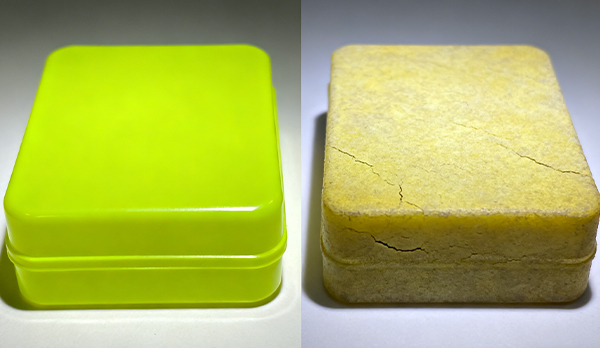
Plastics and coatings are essential materials in industries ranging from automotive and electronics to construction and consumer goods. However, exposure to UV radiation, heat, and moisture can significantly accelerate material aging. Common signs of degradation include color fading, surface cracking, chalking, gloss loss, and coating delamination.
Accelerated UV testing enables manufacturers to predict long-term material performance within a fraction of the real-world time. The ASTM G154 standard provides guidelines for testing UV effects on plastics and coatings, ensuring that products meet quality and durability expectations.
Key Statistics:
Accelerated UV exposure can significantly shorten the time required to identify material degradation.
UV testing can reveal changes in color, gloss, cracking, chalking, and coating adhesion before field failures occur.
Standardized testing helps manufacturers compare materials consistently and reduce the risk of premature product degradation.
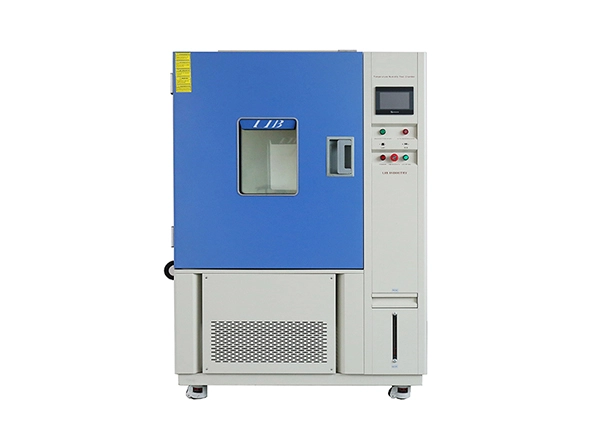
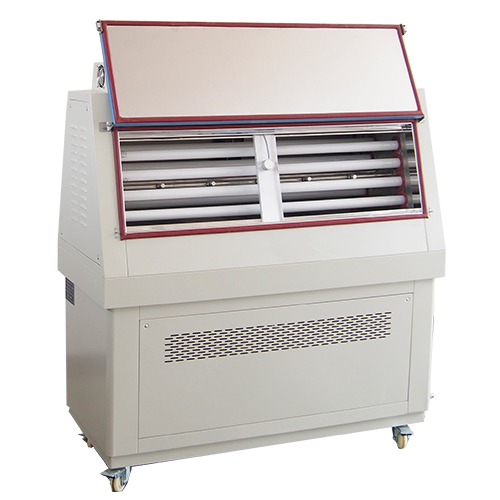
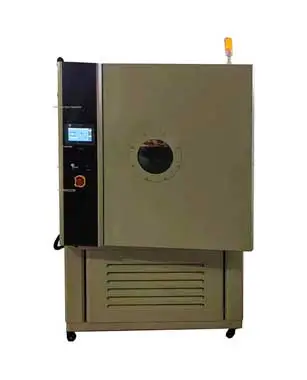
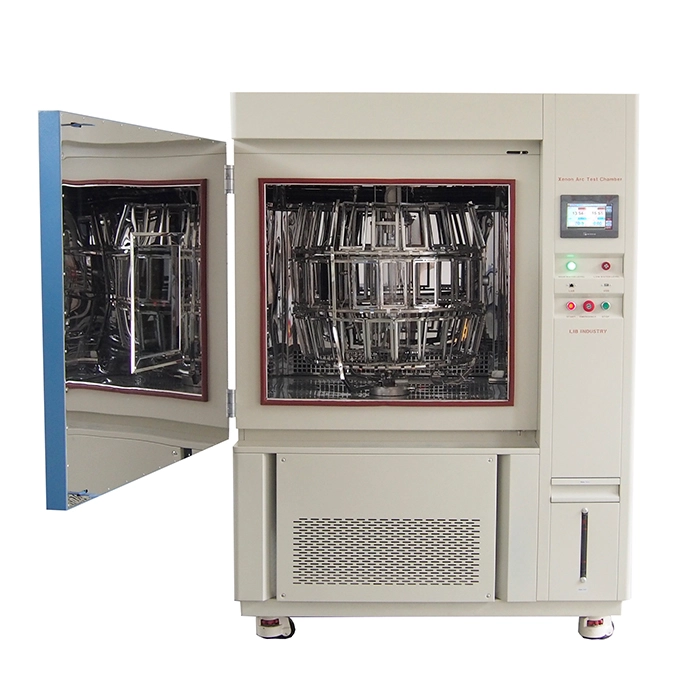
The UV Accelerated Aging Chamber replicates sunlight, heat, and moisture under controlled conditions. It is critical for evaluating plastics, coatings, rubbers, and composite materials, offering accurate predictions of product longevity.
Key Features and Specifications:
Feature | Specification | Benefit | |||
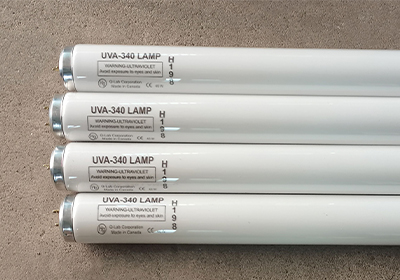
UV Lamp Type | UVA-340 / UVB-313 | rovides different UV spectra for accelerated weathering evaluation | |||
Lamp Power | 0.3~20 W/㎡ | Adjustable intensity for various material sensitivities | |||
Temperature Range | Ambient ~ 90 ℃ ±2℃ | Tests materials under different thermal stresses | |||
Humidity Range | ≥95% RH | Simulates condensation and environmental moisture | |||
Specimen Capacity | 56 Pieces | Flexible testing for small to large samples | |||
Control System | Digital PID with programmable cycles | Ensures precision and repeatability | |||
Data Logging | Continuous monitoring & exportable reports | Facilitates compliance and analysis | |||
|
|
|
|
This UV accelerating aging chamber allows labs to conduct reliable and repeatable ASTM G154 tests, enabling data-driven material selection and product optimization.
The ASTM G154 standard defines procedures for evaluating the effects of UV exposure, temperature, and moisture on materials. The specific test cycle should be selected according to the applicable ASTM G154 practice, material type, and test objective.
Key test conditions may include:
UV Lamp Type: UVA-340 or UVB-313, depending on the required exposure spectrum.
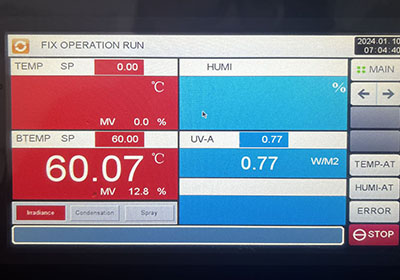
UV Exposure: Controlled UV exposure at a specified irradiance and temperature.
Condensation: Condensation periods can be used to simulate moisture and dew formation.
Test Duration: Total exposure time depends on the selected test cycle, material, and research objective.
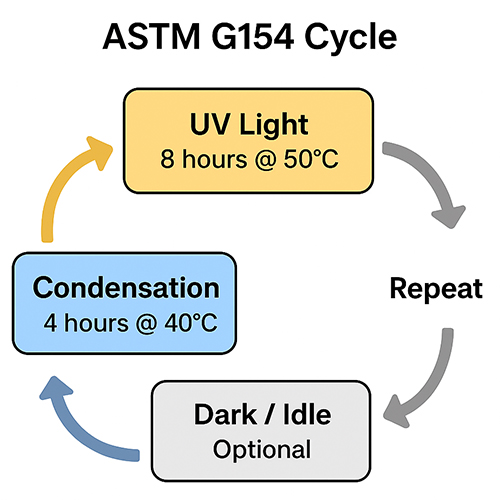
Example Test Cycle: A commonly used configuration may include 8 hours of UV exposure followed by 4 hours of condensation. The exact temperature, irradiance, and cycle conditions should be established according to the applicable ASTM G154 procedure.
Predicts material lifespan accurately
Enables comparative analysis across different materials or suppliers
Ensures repeatable and reliable results
By adhering to ASTM G154, manufacturers can detect potential failure modes early and adjust material formulations or coatings accordingly.
Modern UV Accelerated Aging Chambers are engineered to meet ASTM G154 while offering enhanced flexibility:
UV Irradiance Control: Maintains irradiance within ±2% of the setpoint for consistent UV exposure.
Temperature & Humidity Stability: ±0.5°C and ±2.5% RH, critical for repeatable results.
Programmable Test Cycles: Fully customizable UV exposure, condensation, and dark cycles.
Automated Data Logging: Continuous monitoring of UV, temperature, and humidity for accurate reporting.
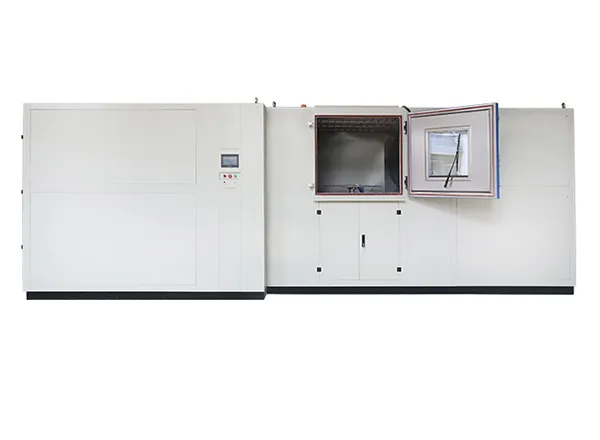
Flexible Workroom Sizes: Accommodates multiple sample sizes and types, from small lab specimens to larger panels.
These features ensure laboratory results accurately reflect real-world performance, giving engineers confidence in product durability.
The UV test chamber’s benefits extend beyond the lab:
Accelerates R&D Cycles: Quickly screen plastic compounds and coating formulations.
Predicts Product Lifespan: Provides early insights into color stability, cracking, and adhesion.
Optimizes Material Selection: Helps choose the most UV-resistant plastics and coatings for outdoor or industrial applications.
Reduces Costs: Minimizes warranty claims, returns, and material waste.
Supports Compliance: Aligns with international standards and industry regulations.
By combining UV Aging Chamber testing with ASTM G154 compliance, manufacturers make data-driven decisions that improve quality and customer satisfaction.
Q1: What types of materials can be tested?
A1: Plastics, coatings, rubbers, and composite materials; widely used in automotive, electronics, and consumer products.
Q2: How long does a typical ASTM G154 cycle last?
A2: Standard cycles range from 500 to 2000 hours depending on material type, UV intensity, and research objectives.
Q3: Can test parameters be customized?
A3: Yes. Lamp output, temperature, and humidity cycles are fully programmable to match ASTM G154 or custom protocols.
Q4: How is lifespan prediction possible?
A4: Accelerated testing results are correlated with real-world exposure, allowing engineers to forecast durability, color retention, and adhesion loss.
Q5: Is UV accelerating aging chamber maintenance expensive?
A5: Routine lamp replacement and filter cleaning are minimal in cost. Overall efficiency remains high with low downtime.
Combining UV accelerated aging testing with ASTM G154 provides a controlled and repeatable approach to evaluating plastic, coating, rubber, and composite material durability.
3-Year Warranty covering major components
Lifetime Technical Support for installation, operation, and maintenance
1–3 hour response for urgent inquiries
7–15 working day standard delivery
Send LIB industry your material type, required UV lamp, exposure cycle, sample size, and applicable test standard. Our engineers can recommend a suitable UV accelerated aging chamber for your testing requirements.
Contact LIB industry: inquiry@libtestchamber.com
 English
 русский
 français
 العربية
 Deutsch
 Español
 한국어
한국어 italiano
 tiếng việt
 ไทย
ไทย Indonesia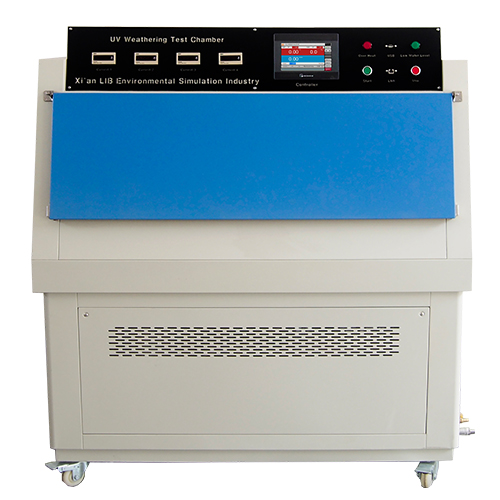

.webp "How to Use an Accelerated Weathering Test Chamber to Evaluate Recycled Plastic Durability?")