In modern electronics, chips and printed circuit boards (PCBs) are at the heart of virtually every device—from smartphones and laptops to automotive and aerospace systems. These components are constantly subjected to thermal stress due to operating conditions, environmental changes, and power fluctuations.
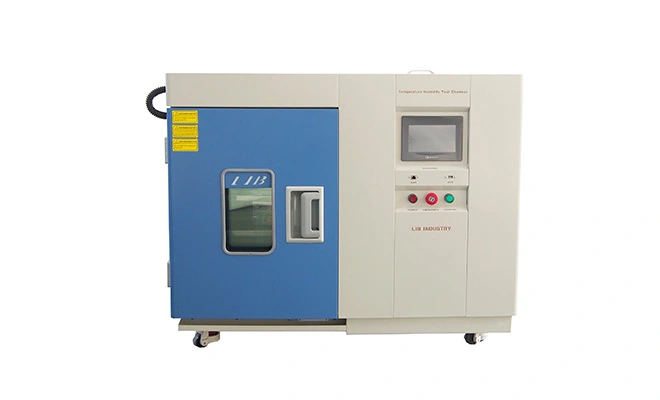
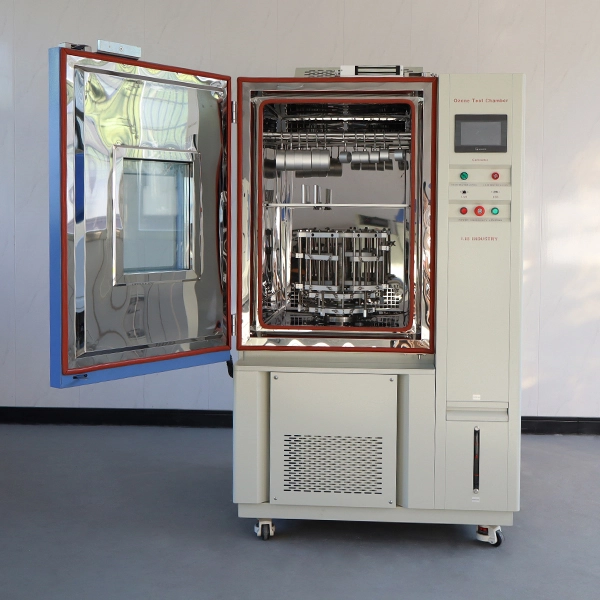
A portable temperature cycle chamber provides an efficient, high-precision solution for testing the thermal resilience of chips and PCBs. Unlike large, stationary thermal cycle chambers, portable units are designed for flexibility, allowing engineers to perform tests in labs, production floors, or even on-site.
|
|
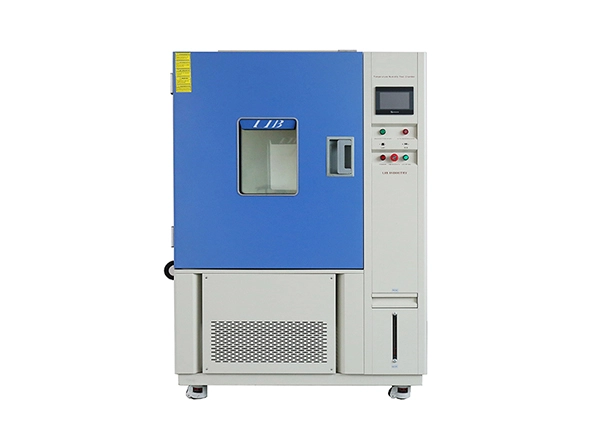
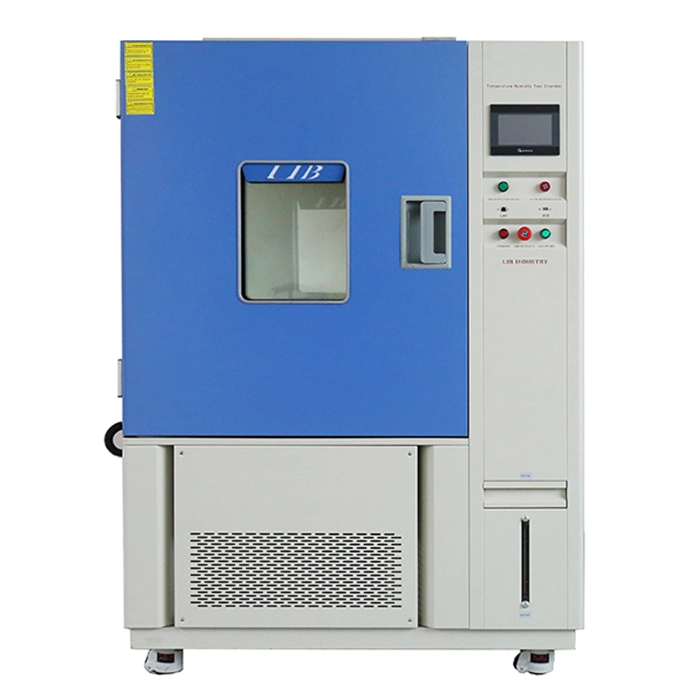
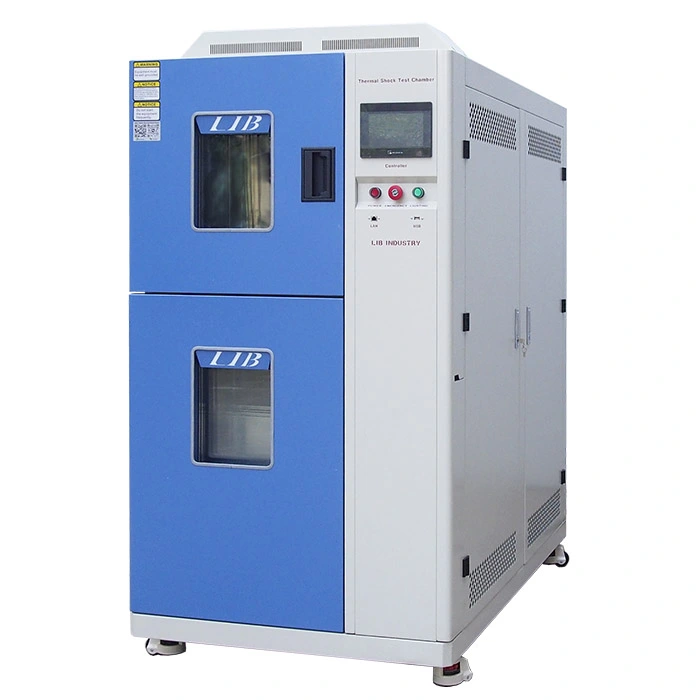
| portable temperature cycle chamber | standard temperature cycle chamber |
Thermal stress arises when electronic components expand and contract due to temperature fluctuations. Repeated cycles generate mechanical strain that can weaken solder joints, delaminate chip substrates, or cause intermittent electrical failures. The problem is exacerbated in high-density PCBs and advanced semiconductor packages, where small variations in material expansion can lead to significant reliability issues.
Industry standards like JEDEC JESD22-A104 and IPC-9701 provide clear guidelines on thermal cycling conditions, specifying temperature extremes, dwell times, ramp rates, and the number of cycles necessary to simulate years of operational stress in a matter of days or weeks.
Common thermal stress challenges include:
Fatigue and micro-cracking of PCB solder joints
Delamination or warping of chip substrates
Reduced electrical performance or functional failures under repeated cycles
Intermittent signal errors in high-speed circuits
Understanding these failure mechanisms is essential for designing components and assemblies that meet modern reliability requirements.
A mini thermal chamber provides the ability to perform thermal cycling tests without the limitations of traditional lab-bound chambers, enabling rapid deployment and on-site testing.
By incorporating portable thermal chambers into testing protocols, engineers can identify potential failures early, optimize designs, and ensure product reliability across the full lifecycle.
Portable thermal cycling chambers offer numerous benefits that make them indispensable in modern electronics testing:
Fits easily on lab benches or production floors without occupying excessive space.
Maintains stable, consistent temperature profiles for accurate simulation of operating conditions.
Adjustable ramp rates allow acceleration of stress tests to meet development timelines.
Engineers can define dwell times, number of cycles, and temperature ranges to match specific component requirements.
Real-time monitoring, recording, and export of results facilitate analysis, reporting, and traceability.
Model | TH-50 | TH-80 |
Internal Dimension (mm) | 320*350*450 | 400*400*500 |
Overall Dimension (mm) | 820*1160*950 | 900*1210*1000 |
Interior Volume | 50L | 80L |
Heat load | 1000W | |
Temperature Range | A : -20℃ ~ +150 ℃ B : -40℃ ~ +150 ℃ C: -70℃ ~ +150 ℃ | |
Temperature Fluctuation | ± 0.5 ℃ | |
Temperature Deviation | ± 2.0 ℃ | |
Humidity Range | 20% ~ 98% RH | |
Humidity Deviation | ± 2.5% RH | |
Cooling Rate | 1 ℃ / min | |
Heating Rate | 3 ℃ / min | |
|
| |
These features ensure that engineers can conduct high-quality thermal stress testing without relying on cumbersome traditional equipment, while maintaining accuracy and repeatability.

PCB Solder Joint Reliability Testing: Evaluates solder fatigue and micro-cracking under repeated thermal cycles.
Chip Thermal Cycling: Assesses expansion, interconnect strain, and package integrity.
Module & Assembly Validation: Confirms that complete device assemblies maintain functional performance after extreme thermal stress.
Step 1: Preparation: Secure chips or PCBs in the chamber, ensuring proper spacing and airflow.
Step 2: Cycle Setup: Configure temperature range from -40°C to +125°C, ramp rate 5°C/min, dwell time 15 minutes, and 500 cycles.
Step 3: Monitoring: Use real-time data logging to track temperature and humidity.
Step 4: Analysis: Inspect solder joints, measure PCB trace resistance, and assess functional performance.
Step 5: Reporting: Document all test parameters and results for quality assurance and compliance purposes.
This structured approach ensures repeatable, reliable testing and allows engineers to optimize designs before production.
Q1: Can the chamber simulate rapid temperature changes for chips and PCBs?
A: Yes, ramp-up and ramp-down rates are programmable to meet specific test conditions.
Q2: How many samples can be tested simultaneously?
A: Depends on chamber size; smaller units can accommodate multiple chips or PCBs.
Q3: Can a benchtop environmental test chamber achieve fast temperature changes of 5 °C/min or 10 °C/min?
A: Yes! Despite its compact size, a benchtop chamber can reach fast temperature ramp rates of 5–10 °C/min and can be customized for specific applications.
Q4: Does the portable temperature cycle chamber support remote connection?
A: Standard units include PC Link connectivity; optional Wi-Fi allows wireless remote control.
Q5: What is the maximum fast temperature change rate the chamber can achieve? Can it reach 20 °C/min?
A: Standard ramp rates are 5–10 °C/min, but we can customize chambers to achieve 20 °C/min or higher for special applications.
Boost the reliability of your chips and PCBs with LIB Industry’s portable temperature cycle chambers, designed for precision, flexibility, and real-world performance. Our chambers offer:
Customizable Profiles: Non-standard sizes and unique temperature cycle profiles tailored to your specific applications.
Energy Efficiency and Quiet Operation: Optimized refrigeration systems and low-noise design for a comfortable testing environment.
Rapid Response and Fast Delivery: 1–3 hour response to inquiries and 7–15 day delivery, with 72-hour continuous pre-shipment testing.
Long-Term Calibration & Technical Support: ISO-compliant calibration, a 3-year extended warranty, and lifetime technical support.
With over 16 years of expertise in environmental simulation equipment, LIB Industry ensures reliability, quality, and responsiveness from your initial inquiry through to installation and beyond.
Contact LIB Industry today inquiry@libtestchamber.com to discuss your testing needs, request a tailored solution, and start improving your chip and PCB reliability immediately.
 English
 русский
 français
 العربية
 Deutsch
 Español
 한국어
한국어 italiano
 tiếng việt
 ไทย
ไทย Indonesia



.webp "How to Use an Accelerated Weathering Test Chamber to Evaluate Recycled Plastic Durability?")