In real product development, most waterproof failures do not come from design errors—they come from selecting the wrong test standard.
A product that performs well in rain may fail under high-pressure cleaning. Another that survives temporary immersion may still leak when exposed to directional water jets. This is why IP66K, IP67, and IP69K testing cannot be treated as interchangeable levels of “waterproof performance.”
Each standard represents a different environmental risk scenario. Choosing the wrong one often leads to misleading certification results, field failures, and costly redesigns.
The IP code is widely used in product certification, but it is often misunderstood as a simple “higher number = better protection” system.
In reality, the second digit of the IP rating defines completely different water exposure conditions:
Some simulate water jets
Some simulate temporary immersion
Some simulate high-temperature pressure washing
These are not variations of the same test—they are fundamentally different stress types acting on seals, housings, cable entries, and joints.
.png "IP66K_vs_IP67_vs_IP69K_How_to_Choose_the_Right_Waterproof_Test_Chamber_(1).png")
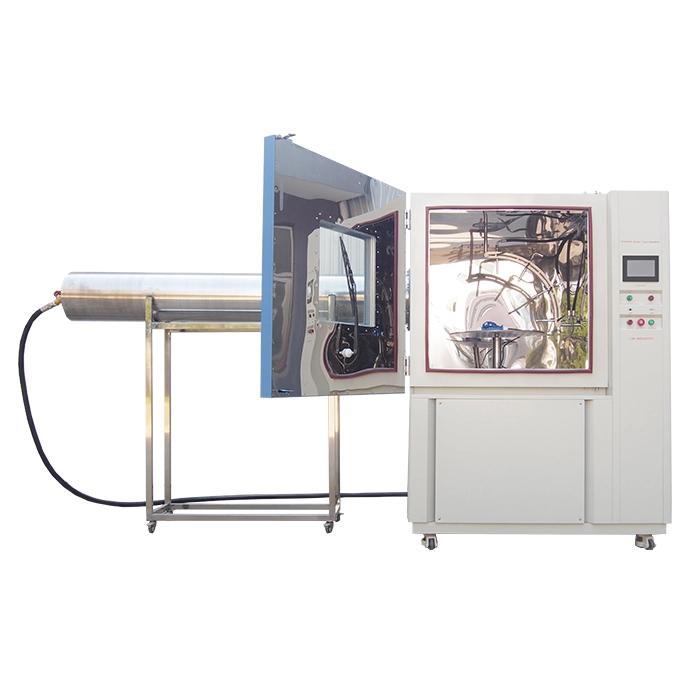
IP66K simulates strong directional water jets typically found in outdoor cleaning, road splash, and industrial environments.
It is defined by:
6.3 mm nozzle diameter
~75 L/min water flow
~1000 kPa pressure
2.5–3 m spray distance
Multi-angle jet exposure
This test focuses on impact pressure and directional water force, not immersion.
It is commonly used for:
Automotive electronics and sensors
Outdoor LED lighting systems
Industrial control boxes
Agricultural and construction equipment
IP66K is particularly effective at exposing weak sealing points under real mechanical water impact.
.png "IP66K_vs_IP67_vs_IP69K_How_to_Choose_the_Right_Waterproof_Test_Chamber_(2).png") IP67 – Temporary Immersion Scenario
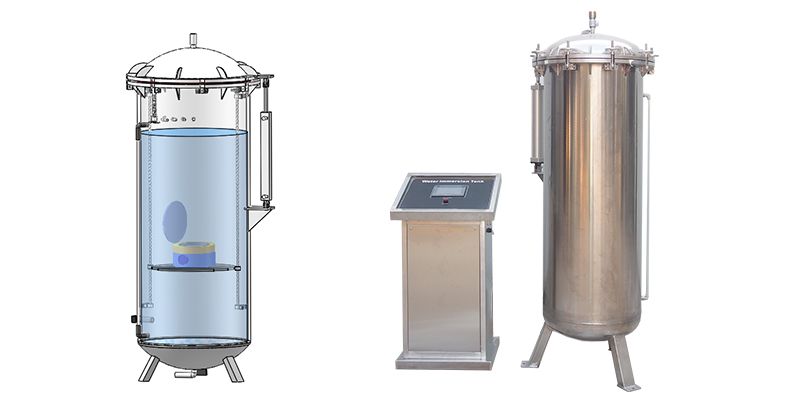
IP67 – Temporary Immersion ScenarioIP67 evaluates whether a product can survive short-term immersion in water under static conditions.
Typical condition:
1 meter water immersion
30 minutes duration
No water movement or pressure jets
Unlike IP66K, this test does not simulate external force. The pressure comes only from water depth.
It is suitable for:
Portable electronic devices
Handheld instruments
Short-term accidental submersion risks
However, IP67 does not reflect real-world cleaning or spray environments, which is a common misunderstanding in product selection.
.png "IP66K_vs_IP67_vs_IP69K_How_to_Choose_the_Right_Waterproof_Test_Chamber_(3).png") IP69K – Extreme High-Pressure Hot Water Cleaning
IP69K – Extreme High-Pressure Hot Water CleaningIP69K represents the most severe water ingress condition in the IP system.
It simulates industrial cleaning environments with:
~80°C high-temperature water
8–10 MPa high pressure
100–150 mm close-range spray
Multiple spray angles (0°, 30°, 60°, 90°)
Rotating exposure
This combination of heat + pressure creates both mechanical and thermal stress, which can cause seal deformation, material expansion mismatch, and micro-gap leakage.
It is widely used in:
Food processing equipment
Pharmaceutical production systems
Heavy-duty transport equipment
Hygiene-critical industrial environments
The correct selection is not based on rating level, but on real exposure conditions:
If the product is exposed to rain, road spray, or cleaning jets → IP66K test equipment
If the risk is accidental water immersion → IP67 test equipment
If the product is exposed to hot high-pressure washdown → IP69K high pressure equipment
|
|
|
Choosing based on “higher number = better protection” is one of the most common causes of testing mismatch and certification failure.
Even with the correct standard, unreliable equipment can distort test outcomes.
In professional validation environments, critical parameters must remain stable:
Water pressure consistency
Flow rate accuracy
Spray distance control
Nozzle calibration
Test duration repeatability
Dust concentration stability (for IP6X testing)
Small deviations in these variables can significantly change test severity, leading to inconsistent certification results or misleading pass/fail outcomes.
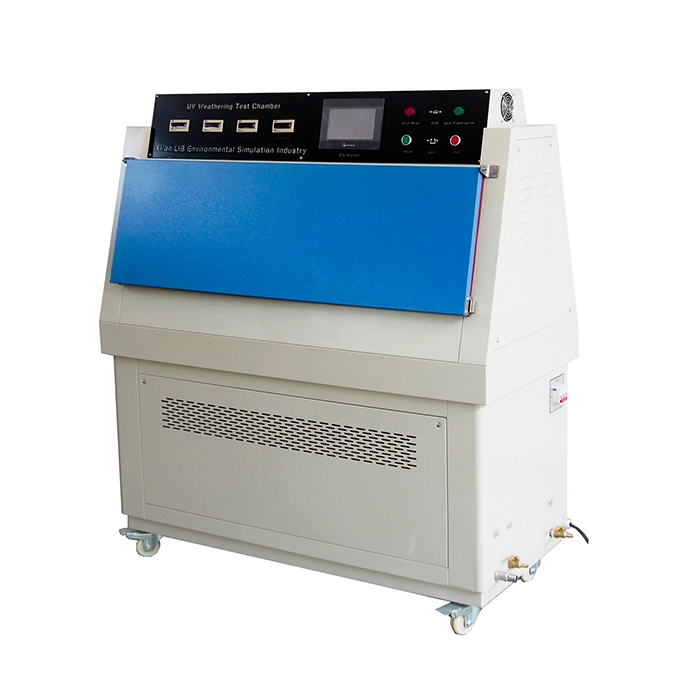
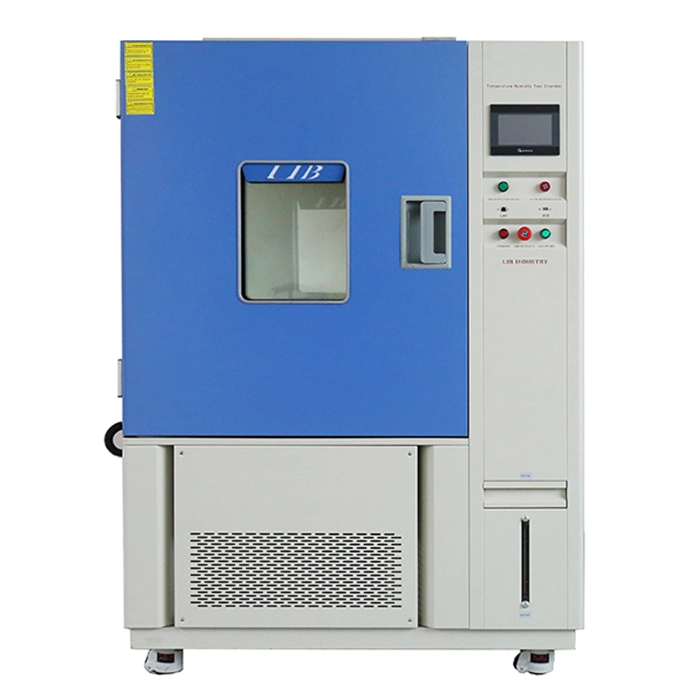
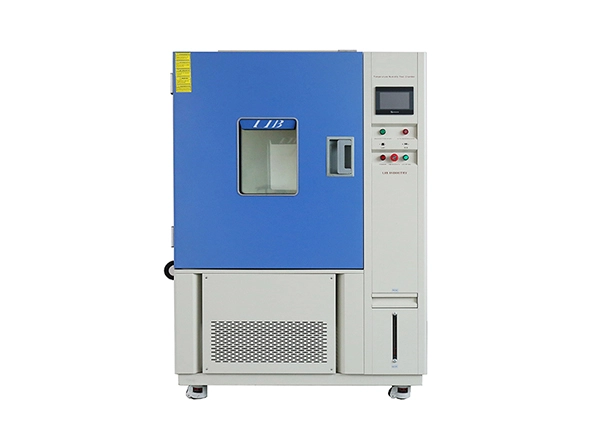
LIB Industry provides a full range of environmental simulation systems designed for real-world product reliability testing.
The portfolio covers:
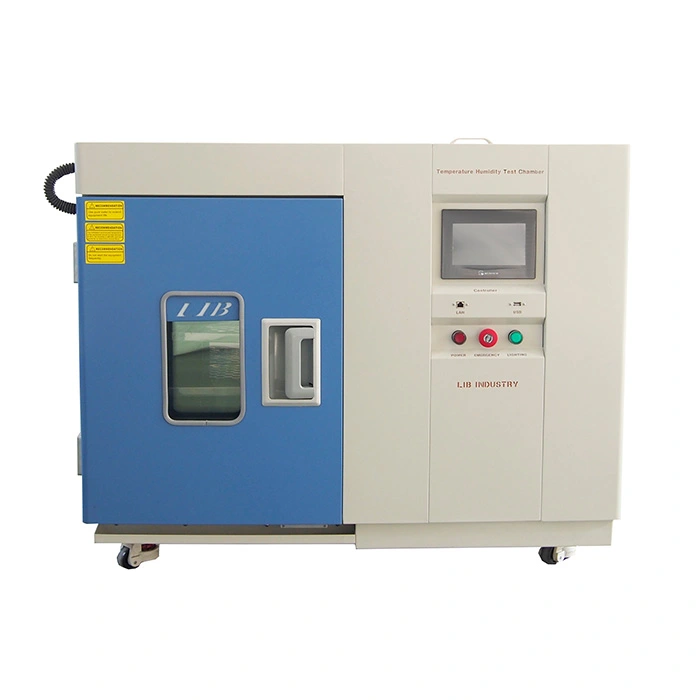
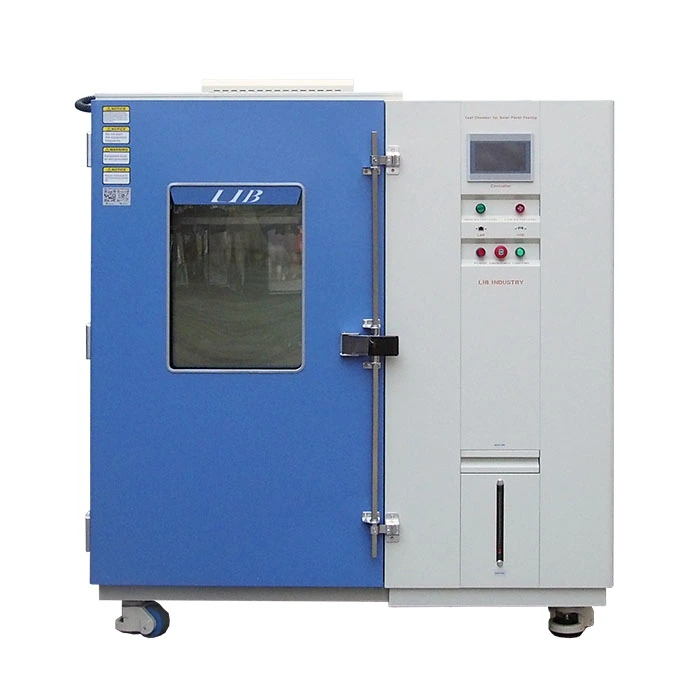
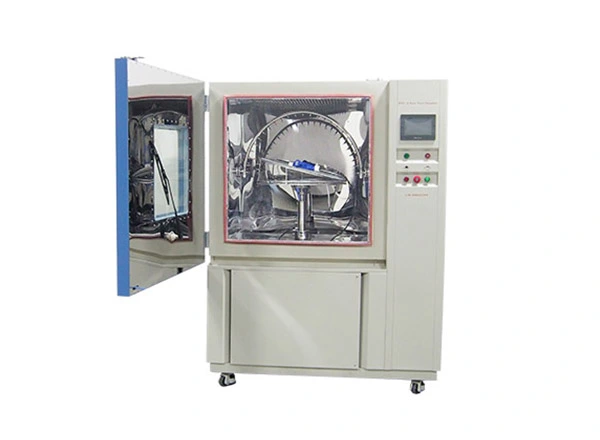
IPX1–IPX9K rain and water spray test chambers
IP66K high-pressure jet testing systems
IP69K high-temperature washdown test chambers
IP5X / IP6X dust and sand test chambers
MIL-STD-810 compliant blowing dust and sand systems

These systems are engineered to deliver stable, repeatable test conditions with precise control of pressure, flow rate, temperature, spray distance, and dust concentration.
Unlike basic setups, LIB systems are designed for long-term industrial use, supporting both R&D validation and production-level quality testing.
LIB Industry focuses on providing not only equipment, but a complete reliability testing infrastructure for global manufacturers and laboratories.
Key advantages include:
Full IP water + dust + environmental simulation coverage
Custom chamber design for different product sizes and test requirements
Industrial-grade stainless steel construction for long service life
High-precision PLC control system for automated and repeatable testing
Stable performance under continuous laboratory operation
To support long-term reliability, LIB Industry provides:
✔ 3-year equipment warranty
✔ Lifetime technical service support
This ensures stable operation, reduced maintenance risk, and continuous testing capability throughout the entire equipment lifecycle.
Contact LIB Industry to get a complete IP66K, IP67, and IP69K testing solution with customized design, stable performance, and full lifecycle support including 3-year warranty and lifetime technical service.
 English
 русский
 français
 العربية
 Deutsch
 Español
 한국어
한국어 italiano
 tiếng việt
 ไทย
ไทย Indonesia