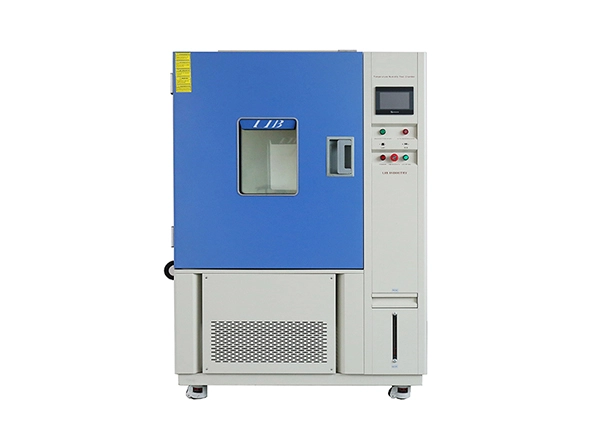
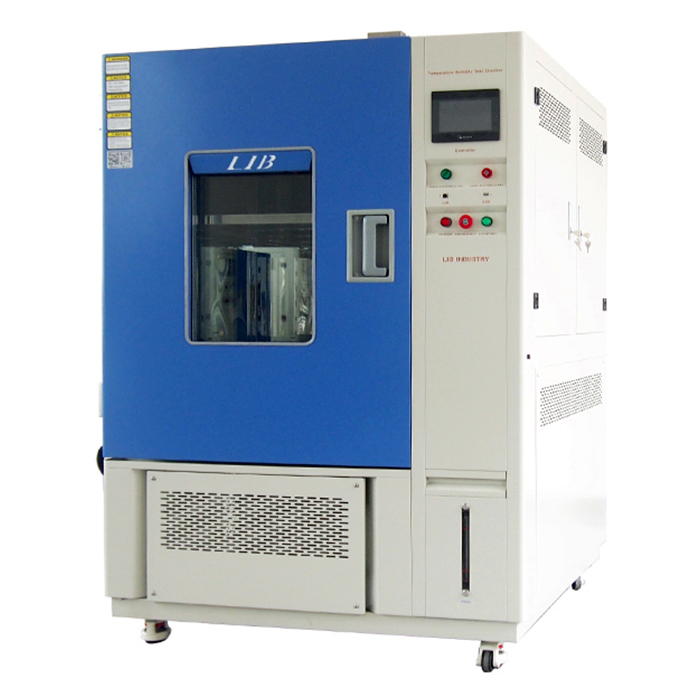
Selecting the right environmental chamber for electronics depends on the product type, reliability requirements, and environmental conditions that need to be simulated. A standard temperature chamber is suitable for stable high- and low-temperature exposure, while a thermal cycling chamber is designed for repeated temperature changes that accelerate failures in semiconductors, PCBs, connectors, and electronic assemblies. Common standards include IEC 60068, JEDEC, MIL-STD-883, and IPC reliability specifications. The most important selection factors are temperature accuracy, ramp rate, airflow uniformity, sample heat load, and whether the chamber can reproduce real operating conditions for PCB temperature cycling and semiconductor reliability testing.
Electronic products experience continuous thermal stress throughout their lifecycle. Temperature changes during operation, transportation, and storage can cause different materials inside electronic assemblies to expand and contract at different rates, eventually resulting in performance degradation or physical damage.
An environmental chamber for electronics is designed to simulate these conditions under controlled laboratory environments. It is commonly used for testing:
Semiconductor devices
Integrated circuits (ICs)
Printed circuit boards (PCBs)
Sensors
Power modules
Cable assemblies
Industrial and consumer electronic products
The main purpose of environmental testing is to identify potential reliability issues before products enter production or the market. Common failure modes include:
Solder joint fatigue
PCB deformation
Semiconductor package cracking
Connector contact failure
Moisture-related damage
Electrical performance instability
Material expansion mismatch
Among these applications, PCB temperature cycling is one of the most widely used reliability methods. By repeatedly exposing PCBs to high and low temperatures, engineers can accelerate thermal stress and evaluate solder joint durability, substrate reliability, and component stability.
For semiconductor products, semiconductor reliability testing verifies whether chips, packages, and electronic devices maintain stable electrical performance after long-term exposure to extreme temperatures or repeated thermal cycles.
In the Electronics Industry, environmental testing is essential for products used in aerospace, telecommunications, medical equipment, industrial automation, and consumer electronics. Proper qualification helps manufacturers improve product design, reduce field failures, and meet international reliability standards.
Different electronic products require different environmental profiles. Before selecting equipment, engineers should confirm the applicable testing standards, temperature range, cycle requirements, and acceptance criteria.
Standard | Temperature Range | Humidity | Test Type | Application |
IEC 60068-2-1 | Low temperature | N/A | Cold endurance test | Electronic components |
IEC 60068-2-2 | High temperature | N/A | Heat endurance test | Electronic devices |
IEC 60068-2-14 | -65°C to +150°C typical | N/A | Temperature cycling | Thermal stress evaluation |
IEC 60068-2-30 | 25°C–55°C | Up to 95% RH | Damp heat cycling | Moisture resistance |
JEDEC JESD22-A104 | -40°C to +125°C typical | N/A | Temperature cycling | Semiconductor qualification |
MIL-STD-883 Method 1010 | Customized | N/A | Thermal cycling | Microelectronics |
IPC-9701 | Customized | Optional | Solder joint reliability | PCB testing |
Typical electronic environmental tests include:
High-temperature storage
Low-temperature storage
Thermal cycling
Damp heat exposure
Accelerated aging
Reliability qualification
For PCB temperature cycling, testing usually focuses on thermal expansion stress, solder joint performance, and electrical continuity after repeated temperature transitions.
For semiconductor reliability testing, engineers may combine environmental exposure with electrical measurements to verify parameters such as leakage current, resistance, and functional stability.
Different electronic applications require different chamber configurations. Selecting equipment based only on temperature range may result in insufficient testing performance.
Specification | Thermal Chamber | Thermal Cycling Chamber | Custom Electronics Chamber |
Temperature Range | -70°C to +180°C | -70°C to +180°C | Customized |
Humidity Range | Optional | Optional | Customized |
Chamber Volume | Small to medium | Small to medium | Customized |
Ramp Rate | Standard programmable temperature change | Fast temperature transition | Customized |
Airflow | Uniform circulation for stable testing | Optimized for repeated thermal transitions | Application-specific airflow design |
Sample Heat Load | Low to medium | Medium | Medium to high |
Safety Configuration | Over-temperature protection and alarms | Advanced monitoring and protection systems | Customized safety functions |
Applicable Standards | IEC 60068, JEDEC, IPC | IEC 60068-2-14, JEDEC JESD22, IPC | Industry-specific standards |
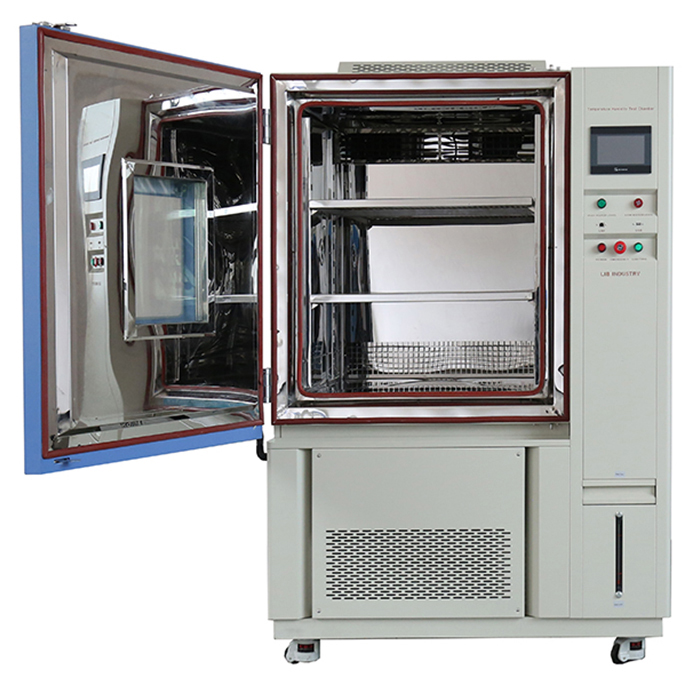
A Thermal Chamber is designed for controlled temperature exposure and environmental reliability testing of electronic components. It is commonly used for high-temperature storage, low-temperature testing, thermal aging, and general qualification of semiconductors, PCBs, connectors, and electronic assemblies.
A Thermal Cycling Chamber is designed for repeated temperature transitions and is more suitable for applications involving thermal fatigue, including PCB assemblies, semiconductor packages, and electronic connectors.
Electronic assemblies, processors, and power components may generate heat during operation. If heat generation is not considered, the chamber may fail to maintain accurate test conditions.
A chamber that is too small can restrict airflow and create temperature differences. The selected chamber should provide enough space for proper air circulation, sensor placement, and future testing needs.
Sensors should represent actual sample conditions. Installing sensors too close to air outlets, chamber walls, or heating elements may lead to inaccurate results.
A controller showing precise temperature values does not mean the whole chamber space has the same accuracy. Temperature uniformity, fluctuation, and recovery time should also be considered.
For thermal cycling applications, heating and cooling speed directly affects test results. Temperature range alone cannot determine whether a chamber meets reliability requirements.
Before purchasing an environmental chamber, users should confirm:
Power supply
Ventilation requirements
Laboratory space
Drainage conditions
Maintenance clearance
Suitable for:
Semiconductor samples
IC testing
Small PCB assemblies
Laboratory research
Benchtop chambers provide compact and accurate temperature control for component development and verification.
Suitable for:
Electronic assemblies
Connector testing
Reliability qualification
Reach-in chambers provide easy access for engineering laboratories performing repeated environmental tests.
Suitable for:
Large electronic systems
Industrial equipment
Communication assemblies
Walk-in chambers provide sufficient space for oversized products that cannot fit into standard laboratory equipment.
Suitable for:
Semiconductor packages
PCB assemblies
Connector reliability testing
Thermal shock chambers evaluate resistance to rapid temperature changes and identify weaknesses caused by material expansion differences.
Suitable for:
Electronic connectors
Metal housings
Protective coatings
Salt spray testing evaluates corrosion resistance in humid and harsh environments.
Suitable for:
Outdoor electronic devices
Equipment enclosures
Industrial systems
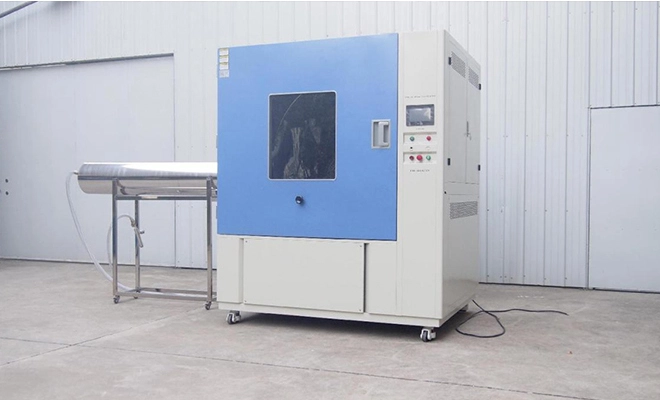
IP chambers verify protection against dust and water ingress according to IEC 60529 requirements.
Suitable for:
High-power electronic systems
Special temperature profiles
Complex reliability testing
Custom chambers can integrate special fixtures, monitoring systems, and application-specific functions.
A temperature chamber is suitable for constant thermal exposure, while a thermal cycling chamber is recommended for repeated temperature changes and accelerated semiconductor reliability testing. The final selection depends on the device type, temperature profile, and qualification standard.
Temperature testing evaluates product performance under a stable condition, while temperature cycling repeatedly changes between high and low temperatures to simulate thermal stress and identify fatigue-related failures.
The testing duration depends on the selected standard, temperature range, cycle quantity, and product requirements. Some qualification programs require hundreds of cycles, while accelerated reliability tests may involve thousands of temperature transitions.
The correct chamber size depends on sample dimensions, quantity, airflow requirements, and heat generation. Enough space should be reserved around samples to maintain uniform temperature distribution.
Yes. A properly configured environmental chamber can test different electronic components, but temperature range, ramp rate, chamber capacity, and fixtures should match each application.
An RFQ should include sample size, test standards, temperature range, cycling requirements, humidity conditions, heat load, monitoring requirements, and installation conditions.
Choosing the right chamber requires evaluating product type, testing objectives, applicable standards, sample size, temperature change speed, and future testing requirements. A detailed specification review helps ensure accurate and repeatable results.
To learn more about thermal stress and electronic reliability evaluation, read:
How Does a JESD22-A104 Temperature Cycling Chamber Improve Automotive ECU Reliability?
 English
 русский
 français
 العربية
 Deutsch
 Español
 한국어
한국어 italiano
 tiếng việt
 ไทย
ไทย Indonesia
.webp "How LIB Industry Delivered a Complete MIL-STD Standard Laboratory: From Concept to Turnkey Environmental Testing Solution")