 Sulfur dioxide (SO₂) is one of the most aggressive corrosive gases found in industrial atmospheres and acid rain environments. For printed circuit boards (PCBs), connectors, relays, and other electronic components, prolonged exposure to SO₂ can lead to metal corrosion, contact failure, and long-term reliability problems. An SO₂ corrosion test chamber allows manufacturers to simulate these harsh conditions in a controlled laboratory environment, compressing months of real-world exposure into just a few days of accelerated testing.
This guide covers what an SO₂ corrosion test chamber is, the international standards and test methods used for PCB corrosion testing, how to choose the right equipment, and how LIB's SO₂ corrosion test chamber solutions can support your reliability testing program.
An SO₂ corrosion test chamber is a specialized environmental test chamber designed to expose materials and components to a controlled concentration of sulfur dioxide gas, combined with regulated temperature and humidity. The purpose is to accelerate and reproduce the corrosive effects that SO₂ pollution and acid rain have on metals and coatings over extended periods of real-world use.
Inside the chamber, a precision gas-dosing system injects SO₂ into a humidified, temperature-controlled air stream. Sensors continuously monitor the SO₂ concentration, temperature, and relative humidity, while a control system adjusts gas injection and climate conditions in real time to keep the test environment stable. An internal air circulation system ensures the gas is evenly distributed so that every sample in the chamber receives consistent exposure.
PCBs contain exposed metal surfaces, solder joints, plated through-holes, and contact points that are vulnerable to sulfur-based corrosion. In industrial regions or areas with high air pollution, SO₂ in the atmosphere can react with moisture to form sulfurous and sulfuric acid, which attacks copper, silver, and other conductive metals. This can cause increased contact resistance, signal loss, or complete circuit failure.
SO₂ corrosion testing helps manufacturers:
Evaluate the corrosion resistance of PCB surface finishes and coatings
Predict product lifespan in polluted or industrial environments
Validate protective coatings, conformal coatings, and enclosure designs
Meet quality and reliability requirements for automotive, telecom, and industrial electronics
Beyond bare and assembled PCBs, SO₂ corrosion chambers are widely used to test:
Connectors and terminals
Relays and switches
Electronic components and ICs
Metal fasteners, springs, and plated parts
Automotive electronics and wiring harnesses
SO₂ corrosion testing follows internationally recognized standards that define test conditions, gas concentrations, and evaluation criteria. The most commonly referenced standards for PCB and electronic component testing include:
Standard | Scope | Typical Application |
IEC 60068-2-42 | Environmental testing – Test Kc: Sulfur dioxide test for contacts and connections | Connectors, contacts, relays |
IEC 60068-2-43 | Environmental testing – Test Kd: Hydrogen sulfide test for contacts and connections | Contact materials, precious metal plating |
ISO 6988 | Metallic and other inorganic coatings – Sulfur dioxide test with general condensation of moisture | Coated metal parts, corrosion resistance of platings |
While exact parameters vary by standard and customer specification, a typical SO₂ corrosion test involves:
SO₂ concentration: commonly in the range of 10–25 ppm, depending on the standard and severity level
Temperature: typically maintained around 25 °C, with some standards requiring cyclic temperature profiles
Relative humidity: often maintained above 90–95% to promote condensation-driven corrosion
Test duration: ranging from several hours per cycle to multiple days, with cycles repeated to simulate extended exposure
Sample preparation — Clean and inspect samples, record baseline measurements (visual condition, contact resistance, etc.)
Chamber conditioning — Bring the chamber to the specified temperature, humidity, and SO₂ concentration
Exposure cycle — Samples are exposed to the controlled SO₂ atmosphere for the specified duration
Recovery/purge — SO₂ is purged and neutralized before the chamber is opened
Evaluation — Samples are inspected for corrosion, discoloration, and functional degradation (e.g., contact resistance, insulation resistance)
Cycle repetition — Steps are repeated as required by the applicable standard or customer test plan
Selecting the right SO₂ corrosion test chamber depends on your product size, testing volume, and the standards you need to comply with. Key selection criteria include:
Choose a chamber size that comfortably fits your typical sample batch, including PCBs, connectors, or assemblies, while allowing adequate airflow around each sample for even gas exposure.
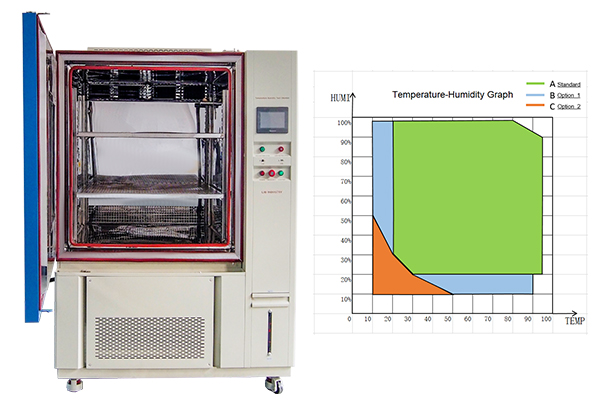
Look for tight control tolerances and a wide operating range, since many standards require high humidity (often above 90–95% RH) alongside stable temperature control to promote realistic condensation-driven corrosion.
Precision gas sensing and dosing are critical. A chamber with high-accuracy SO₂ sensors and closed-loop control will maintain the target concentration consistently, even as humidity and temperature shift during the test cycle.
Programmable controllers, data logging, and remote monitoring reduce manual intervention, improve repeatability, and make it easier to run long, multi-cycle test programs unattended.
Because SO₂ is a toxic and corrosive gas, safety features such as gas neutralization systems, leak-proof door seals, and emergency safety locks are essential for protecting operators and the surrounding environment.
Feature | SO₂ Corrosion Test Chamber | Mixed Gas Corrosion Chamber |
Gas Type | Single gas: SO₂ | Multiple gases (e.g., H₂S, SO₂, NO₂, Cl₂) |
Standards | IEC 60068-2-42, ISO 6988 | IEC 60068-2-60, EIA/JEDEC |
Best For | Acid rain / industrial SO₂ pollution simulation | Complex mixed-pollution environments (e.g., coastal industrial zones) |
Complexity | Moderate | Higher, due to multi-gas dosing and monitoring |
Typical Users | PCB, connector, and coating manufacturers | Data center, telecom, and severe-environment product testing |
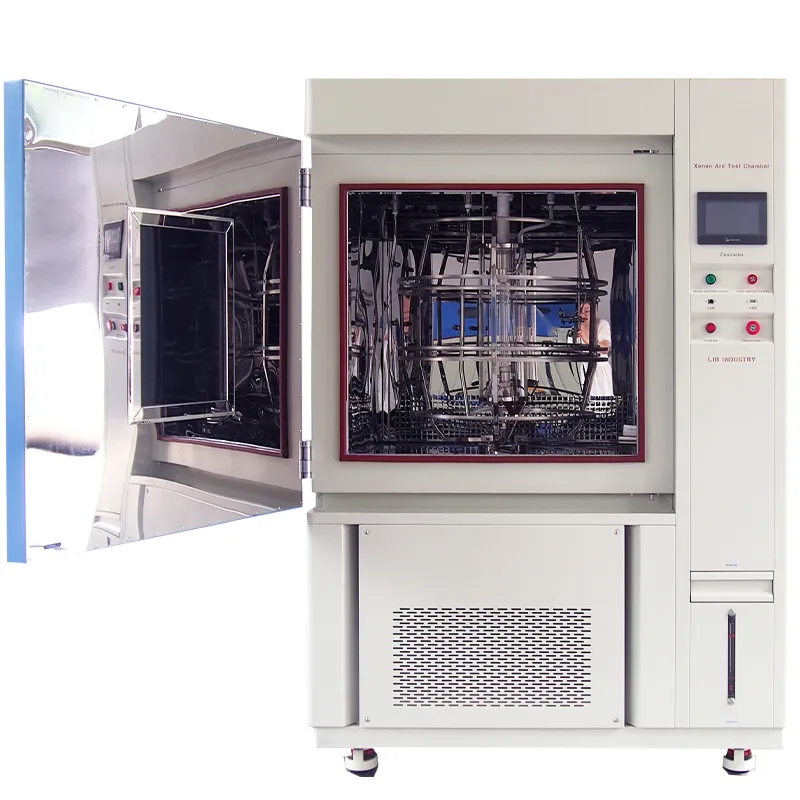
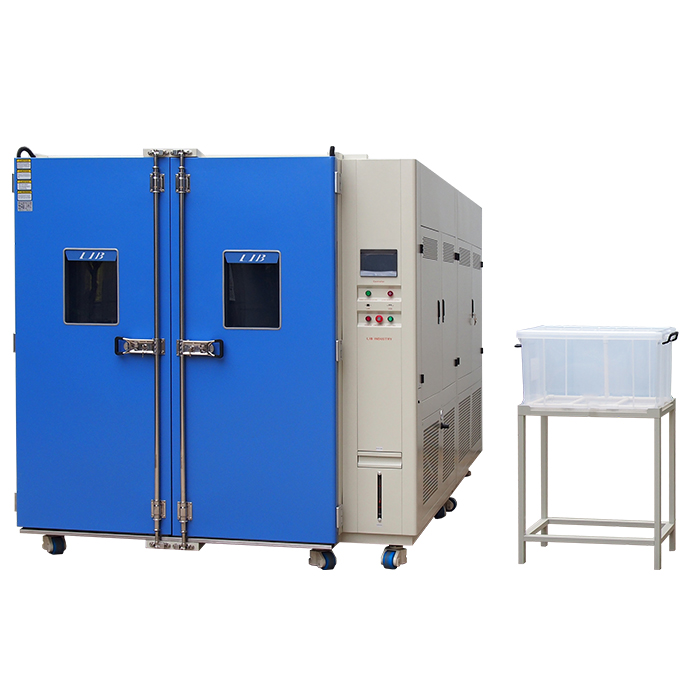
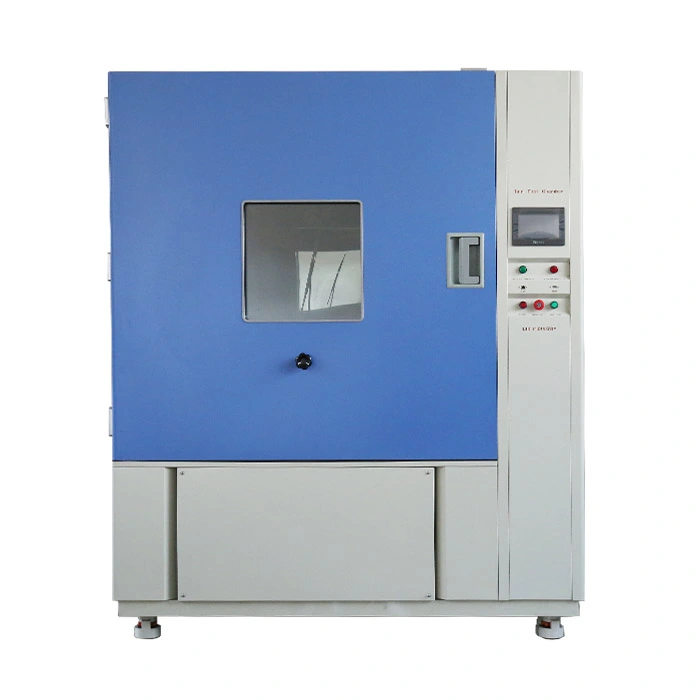
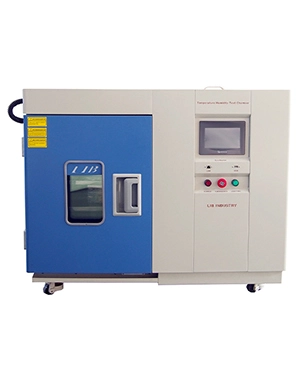
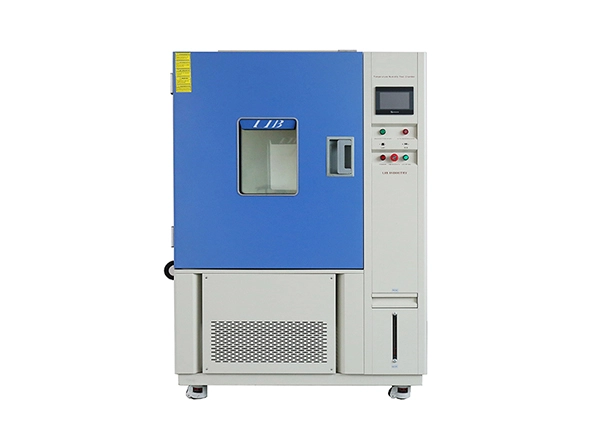
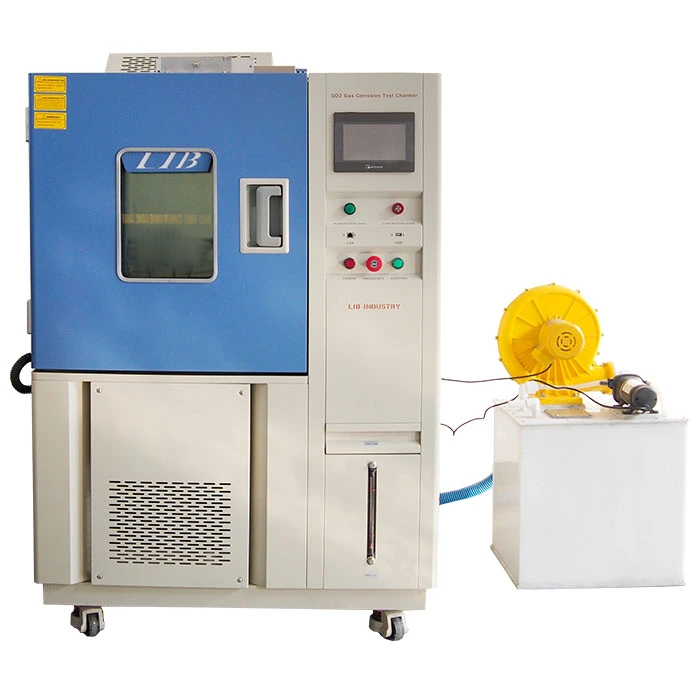
LIB's SO₂ corrosion test chamber is engineered specifically to deliver stable, repeatable, and standards-compliant corrosion testing for PCBs, connectors, relays, and other electronic components.
|
|

The chamber replicates acid rain and industrial gas environments using a high-precision SO₂ sensor (±0.1% FS) and an intelligent controller, maintaining a stable 25 ± 5 ppm SO₂ concentration even as temperature and humidity fluctuate. This supports highly realistic, accelerated corrosion testing in accordance with IEC 60068, allowing months of natural exposure to be replicated in a matter of days. An internal air circulation system distributes the gas evenly, so every sample in the chamber receives the same level of exposure for accurate, comparable results.
A PT-100 Class A temperature probe provides accuracy up to ±0.001 °C, while the humidification system controls relative humidity from 30% to 98% within ±1%. Temperature stability is held within ±0.5 °C, ensuring highly repeatable test conditions cycle after cycle. This level of precision helps reduce test variability and gives you greater confidence in your corrosion resistance evaluations.
The interior chamber liner is constructed from acid-resistant 316 stainless steel, making it durable, easy to clean, and resistant to long-term SO₂ exposure. Adjustable sample shelves accommodate parts of different sizes, while the airflow system keeps SO₂ gas evenly distributed so all samples are tested under equivalent conditions.
An integrated NaOH neutralization tank treats SO₂ exhaust before it is released, preventing harmful emissions and ensuring environmentally responsible, compliant chamber operation.
A double-layer silicone door gasket with a concave-convex seal design prevents gas leakage around the chamber door. An electromagnetic safety lock with emergency release protects both operators and the surrounding environment during testing.
A touchscreen interface with switchable language options displays real-time graphs of SO₂ concentration, temperature, and humidity. The system supports scheduled operation, automatic alarms, and remote monitoring, with simple programming and Ethernet-based remote access and control.Built-in USB and LAN (Ethernet) interfaces support data logging and remote management, allowing the chamber to connect to a computer, printer, or IoT/monitoring system for easy tracking, storage, and analysis of test data.
LIB offers customization options including chamber volume, SO₂ concentration range, additional gas-dosing ports for mixed-gas testing, specialized sample racks for PCBs or connectors, and integration with existing data acquisition systems — allowing the chamber to be tailored to your specific product line and test standards.
Salt Spray Test Chamber — for NaCl corrosion testing per ASTM B117 and ISO 9227
Mixed Flowing Gas (MFG) Corrosion Test Chamber — for multi-gas industrial pollution simulation
Constant Temperature Humidity Chamber — for climatic reliability testing
Thermal Shock Test Chamber — for rapid temperature cycling reliability testing
A mid-sized PCB manufacturer supplying automotive and industrial electronics needed to validate the corrosion resistance of a new connector coating before mass production, in order to meet a customer's environmental reliability specification.
The customer required a chamber capable of maintaining a stable SO₂ concentration and high humidity over multiple extended test cycles, along with reliable data logging to support their quality documentation for IEC 60068-2-42 compliance.
LIB proposed a customized SO₂ corrosion test chamber sized for the customer's typical connector batch volume, with an expanded sample rack configuration and remote monitoring capability so the customer's quality team could track test progress off-site.
LIB's technical team carried out on-site installation and commissioning, followed by hands-on operator training covering chamber programming, safety procedures, and routine maintenance.
The customer reported that the chamber's stable gas and humidity control produced consistent, repeatable results across test cycles, and valued the responsiveness of LIB's technical support team during setup and training.
Why is SO₂ corrosion testing important for PCBs?
SO₂ testing helps predict how PCBs, connectors, and other metal-containing components will hold up in polluted or industrial atmospheres, where sulfur compounds can corrode exposed metal and degrade electrical performance over time.
Which standards apply to SO₂ corrosion testing?
Common standards include IEC 60068-2-42, IEC 60068-2-43, and ISO 6988, though the specific standard depends on the product type and your customer or industry requirements.
How long does an SO₂ corrosion test take?
Test duration varies by standard and severity level, ranging from a single exposure cycle of several hours to multi-day programs with repeated cycles to simulate extended real-world exposure.
What other test chambers and equipment does LIB offer?
Beyond SO₂ corrosion test chambers, LIB provides a full range of environmental and reliability test equipment, including salt spray chambers, mixed flowing gas (MFG) corrosion chambers, constant temperature humidity chambers, thermal shock chambers, and more — making it possible to source multiple pieces of test equipment from a single, trusted supplier.
What after-sales support and warranty does LIB provide?
LIB backs every SO₂ corrosion test chamber with a 3-year warranty and lifetime service support, including remote troubleshooting, technical consultation, spare parts availability, and on-site installation and operator training — so your testing program stays up and running long after purchase.
Does LIB offer one-stop solutions for corrosion testing needs?
Yes. LIB supports customers from initial consultation through chamber customization, manufacturing, installation, training, and ongoing after-sales service, providing a one-stop solution so customers don't need to coordinate between multiple vendors for equipment, setup, and support.
LIB's SO₂ corrosion test chambers are built for precision, safety, and reliability — backed by a 3-year warranty and lifetime service support to keep your testing program running smoothly.
Get in touch with our team to receive:
✓ Catalog ✓ Datasheet ✓ Quotation ✓ Customized Solution
 English
 русский
 français
 العربية
 Deutsch
 Español
 한국어
한국어 italiano
 tiếng việt
 ไทย
ไทย Indonesia