Paint bubbles on aluminum wheels may look minor: a raised dot near a spoke edge, a blister beside a machined groove, or a cloudy patch below the clear coat. Once moisture, chloride residue, and oxygen enter a coating defect, a bubble can become filiform corrosion, the thin “white worm” pattern that creeps under paint and weakens adhesion from inside.
 A paint bubble is a local loss of contact between the coating and the aluminum surface. On a wheel, it may follow stone impact, weak edge coverage, trapped contamination, moisture in pretreatment, or damage during tire mounting. The topcoat can still look intact while corrosion chemistry has already started below the film.
Aluminum wheels face road salt, brake dust, wet-dry cycles, alkaline cleaners, and brake heat. A small chip near a spoke corner can hold chloride-rich water long enough to create a corrosion cell. The filament head stays active, while the tail fills with corrosion products. That is why the defect moves in threads rather than growing as one round blister.
Early filiform corrosion is easy to miss, especially on bright silver or clear-coated finishes. These signs are more useful than a general rust check because aluminum does not form red rust like steel.
Look for:
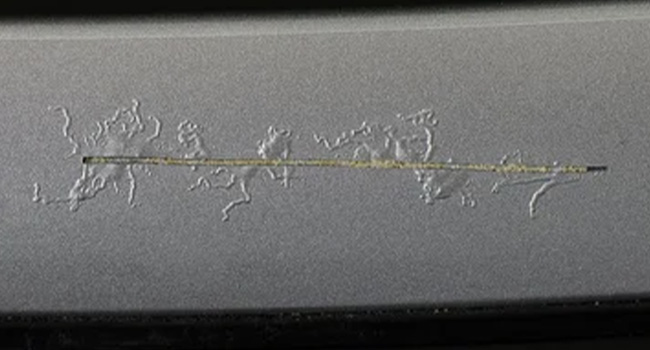
· white, gray, or light brown worm-like lines under the coating;
· lifting that begins from a scratch, edge, bolt hole, or machined groove;
· thin tracks spreading from a paint bubble;
· coating loss after tape pull, cleaning, or light scraping;
· repeat failures on sharp, low-film edges.
On returned wheels, the pattern often starts at a coating break with trapped salt and poor drying.
It creates a controlled defect, activates corrosion with chloride or acid exposure, then holds the sample at defined temperature and humidity so filaments can grow.
SAE J2635 is commonly used for painted aluminum wheels and wheel trim. A typical wheel-focused procedure includes CASS activation followed by humidity growth.
Stage | Main parameters |
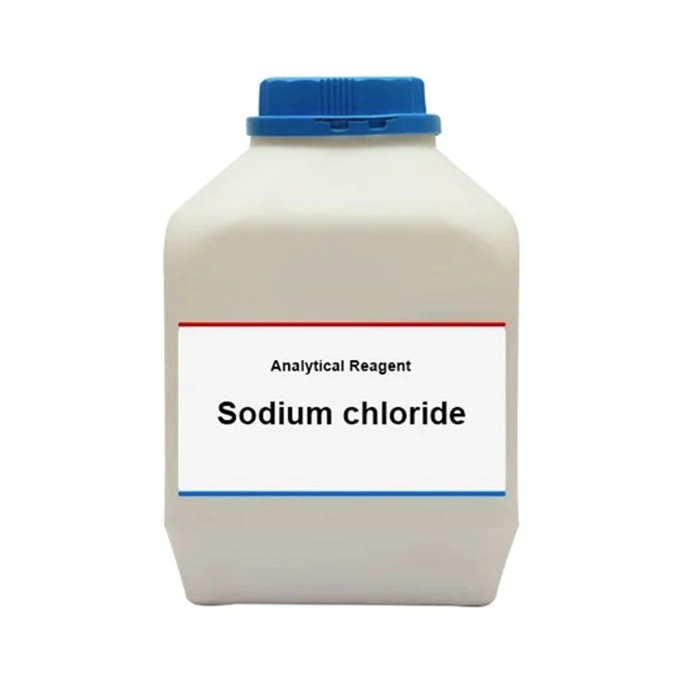
CASS activation | NaCl 50 g/L, CuCl₂ 0.26 g/L, pH 3.1–3.3 with glacial acetic acid |
Salt fog deposition | 1–2 mL/80 cm²·h |
CASS temperature and time | 50°C for 6 h |
Humidity growth | 65 ±1°C, 85 ±3% RH |
Position and airflow | about 45° inclination, 6–24 m/min airflow |
Exposure and inspection | 672 h total; inspect every 168 h; outside-chamber handling within 15 min |
The 672 h humidity stage often separates coating systems that look similar after CASS.
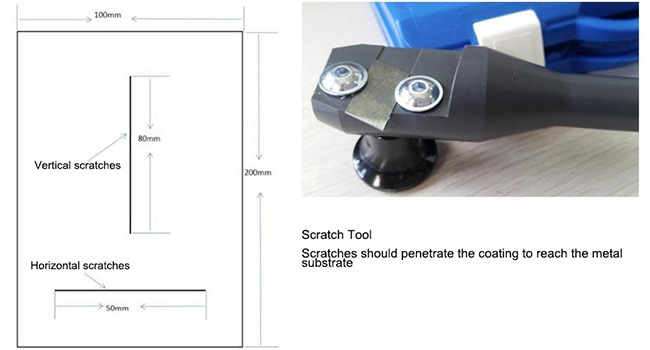
ISO 4623-2 is written for paints and varnishes on aluminum substrates. The coated panel is scribed, exposed to hydrochloric acid vapour so acid enters the scribe, and then placed in a climate cabinet at 40 ±2°C and 82 ±5% RH. Panels are kept at least 20 mm apart; during acid-vapour activation, panels are about 100 ±10 mm from the acid surface. Evaluation follows agreed criteria or ISO 4628-10.
 |  |
ASTM D2803 is a guide for testing filiform corrosion resistance of organic coatings on metal. It points to conditions that favour filiform attack: generally 20–35°C with 60–95% RH, after a scribed coating is exposed to a corrosive atmosphere. Because it is a guide, duration, initiation chemistry, scribe details, and acceptance limits should be set before testing.
ASTM B117 and ISO 9227 are salt spray references, not complete filiform corrosion methods. For neutral salt spray, common control values are 5 ±1% sodium chloride, 35 ±2°C chamber temperature, collected solution pH 6.5–7.2, and fog collection of 1.0–2.0 mL/80 cm²·h. ISO 9227 also covers acidic variants, including AASS at pH 3.1–3.3 and CASS with copper chloride at 50°C.
Salt spray is useful for activation and screening. Filiform growth still needs controlled humidity after activation.
The test should reproduce the route from coating damage to underfilm filament growth. A clear workflow makes coating batches and pretreatment changes easier to compare.
Before exposure, the lab records coating system, cure condition, film thickness, sample age, and visible defects. Cleaning must not polish away the coating edge or add residues.
The scribe must cut through the coating to bare aluminum. Placement matters: a flat coupon line is not the same as a line on a spoke edge, machined lip, or recessed groove. The report should state scribe length, width, tool type, edge distance, and continuity check.
Activation introduces chloride into the defect. For SAE J2635-type testing, the CASS stage uses acidic sodium chloride with copper chloride for 6 h at 50°C. After activation, samples should be rinsed and transferred promptly so loose salt does not hide filament paths.
Humidity exposure drives visible growth. The cabinet must hold tight temperature and RH across every shelf, not just at the controller sensor. Air circulation, sample angle, spacing, and door-open time need control.
At each interval, the lab records maximum filament length, average creep, density, direction, and coating lift. Photos with a scale help separate true filiform tracks from edge staining, water marks, and simple blistering.
A complete report includes the standard, deviations, chamber records, solution pH, deposition rate, sample orientation, images, and pass/fail criteria. Maximum filament length is often the key number because one long thread on a visible wheel face can trigger a complaint.
Prevention starts before the coating line. Aluminum dust, polishing compound, alkaline cleaner carryover, poor rinsing, and wet storage can all leave the surface ready for underfilm corrosion.
Practical controls include:
· keep machining and polishing residue away from pretreatment tanks;
· verify conversion coating coverage on edges and recessed areas;
· control rinse-water conductivity and dry-off temperature;
· design fixtures so water drains from spoke pockets and bolt holes;
· check paint thickness on sharp edges, not only flat faces;
· validate cleaners used in dealers or car washes if warranty data points that way.
A common failure is a wheel that passes appearance checks but shows paint bubbles after one coastal or snow-belt winter. The lab should then test scribed samples, edge samples, and wheel sections, not just flat panels.
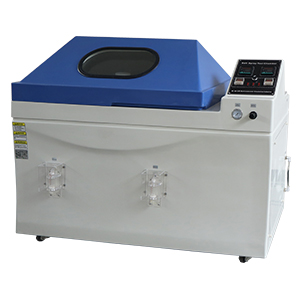
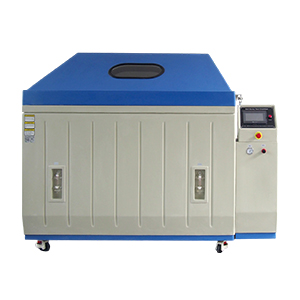
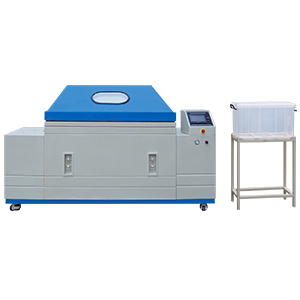
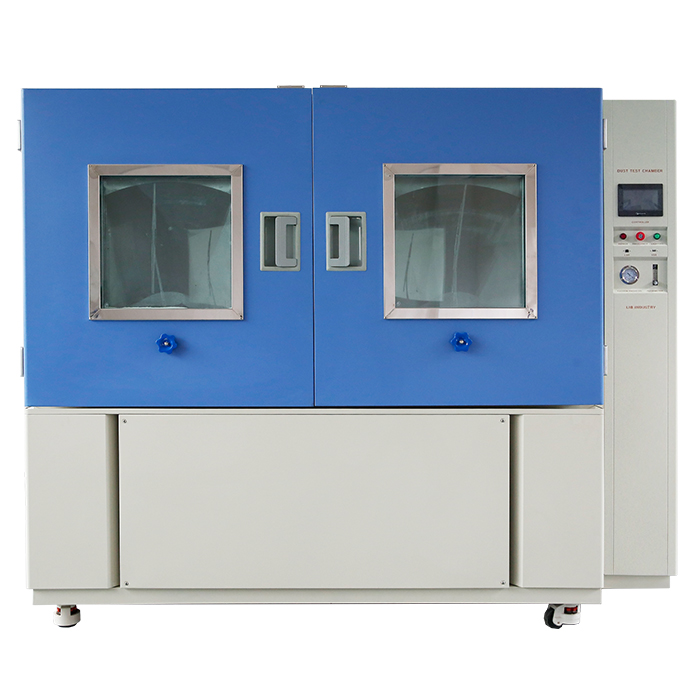
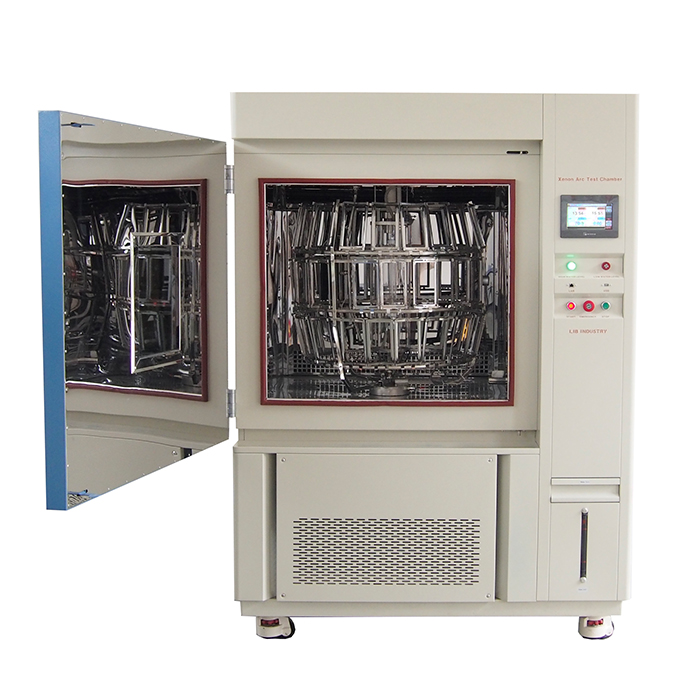
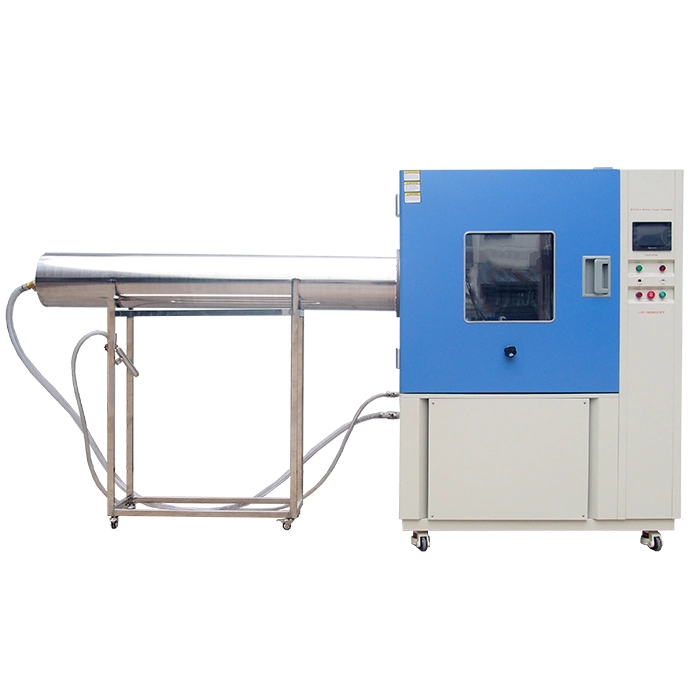
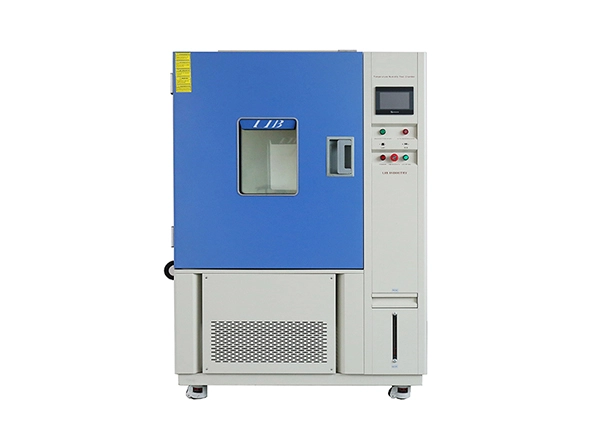
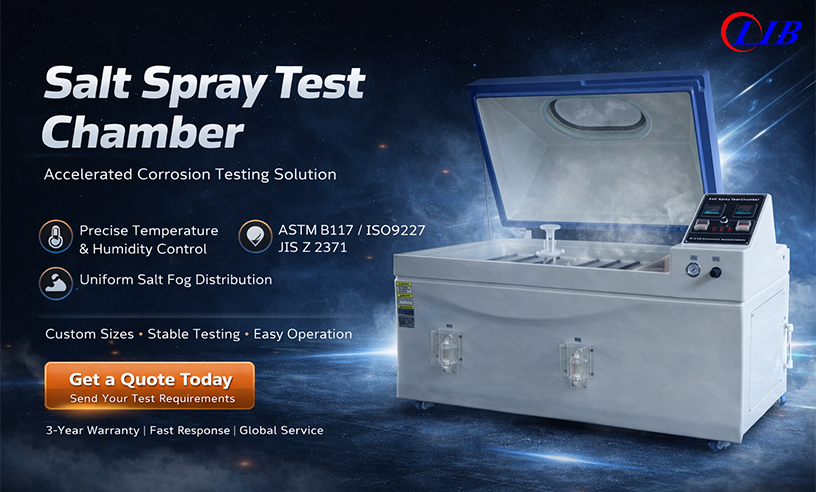
LIB Filiform Corrosion Tester is built for laboratories that need stable corrosion activation and repeatable humidity growth conditions for aluminum wheels, coated panels, aluminum parts, and metal components. The system supports continuous and periodic spray, controlled salt fog collection, and international test programs.
Capability | Practical value |
Temperature range | Ambient to +60°C for corrosion activation |
Temperature stability | ±0.5°C fluctuation, ±2.0°C deviation |
Humidity range | 95–98% RH for high-humidity exposure |
Salt fog deposition | 1–2 mL/80 cm²·h |
Spray operation | Continuous or periodic spray modes |
Chamber volume options | 110 L, 320 L, 410 L, and 780 L |
Construction | Glass fiber reinforced plastic workroom |
Sample holding | round bars, V-shaped grooves, adjustable angles, custom holders |
| Safety and control | PID control, saturated air barrel, water-shortage, over-temperature, over-current, dry-burn, and earth-leakage protection |
 | |
The sealed workroom helps limit salt spray leakage. The spray tower supports even atomization, and the saturated air barrel preheats incoming air. Fixtures can be adapted so wheel sections sit at the required angle instead of being forced into a flat-panel layout.
Filiform Corrosion Test Chamber For SAE J2635 & ISO 4623-2 filiform corrosion testing. |
Corrosion activation before humidity exposure. |
Cyclic Salt Fog Corrosion Test Chamber Combined salt spray, humidity, drying, and temperature cycles. |
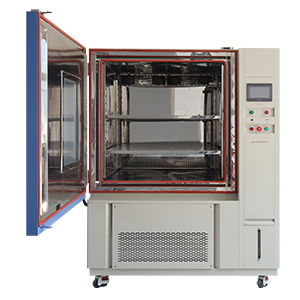
Temperature and Humidity Chambers Stable humidity exposure for coating durability evaluation. |
Xi’an LIB Environmental Simulation Industry provides environmental test chambers for corrosion, temperature and humidity, weathering, IP testing, and customized simulation applications. Since 2009, LIB has supported automotive, aerospace, electronics, battery, materials, and other industries with reliable testing solutions.
For corrosion evaluation, LIB offers more than test chambers, including customized design, installation support, training, maintenance, and long-term technical service. With stable chamber performance and professional support, LIB helps manufacturers and laboratories achieve accurate corrosion testing results.
For aluminum wheels and coated materials, filiform corrosion testing provides measurable data to evaluate coating durability before products face road salt, humidity, and chemical exposure.
Need a reliable corrosion test chamber for ASTM B117, ISO 9227, or customized testing requirements? Contact LIB today to discuss your application and find the right testing solution.
Aluminum wheel paint bubbles are usually caused by coating damage, trapped contamination, poor adhesion, moisture under the coating, or chloride residue from road salt. Once the coating lifts, filiform corrosion can start from that weak point.
Yes. “White worm corrosion” is a common shop-floor name for filiform corrosion on coated aluminum. The name comes from the thin white or gray tracks that grow under paint or clear coat.
Salt spray testing can help activate corrosion and compare basic resistance, but it is not enough on its own. Filiform corrosion testing needs a humidity-growth stage, controlled temperature, sample angle, and regular filament measurements.
SAE J2635 is widely used for painted aluminum wheels and wheel trim. It uses controlled activation and long humidity exposure to evaluate cosmetic corrosion resistance.
 English
 русский
 français
 العربية
 Deutsch
 Español
 한국어
한국어 italiano
 tiếng việt
 ไทย
ไทย Indonesia