 Photovoltaic modules spend decades exposed to sunlight, temperature fluctuations, humidity, and environmental contaminants. Among these factors, ultraviolet radiation is one of the primary causes of long-term material degradation. Encapsulants may yellow, backsheets can crack, and insulation performance may gradually deteriorate after years of UV exposure.
To evaluate these risks before products enter service, IEC 61215 includes a dedicated UV preconditioning procedure known as MQT 10. This test exposes photovoltaic modules to a controlled ultraviolet dose under specified temperature conditions, helping manufacturers identify potential weaknesses before thermal cycling, humidity-freeze, and other qualification tests are performed.
A solar climatic test chamber provides the controlled UV irradiation, temperature stability, and dose monitoring required to conduct this test accurately and repeatedly.
IEC 61215 is the internationally recognized qualification standard for terrestrial photovoltaic modules. Within this standard, MQT 10 serves as the UV preconditioning test, designed to simulate the effects of long-term ultraviolet exposure on module materials.
Unlike visual inspections performed during manufacturing, UV preconditioning focuses on degradation mechanisms that may only appear after prolonged outdoor service. The test evaluates how polymer-based materials respond to accumulated UV energy before additional environmental stresses are applied.
Identifies UV-sensitive materials before field deployment
Reveals potential encapsulant discoloration and degradation
Detects weaknesses in backsheets and edge seals
Improves long-term reliability predictions
Supports IEC 61215 certification programs
For PV manufacturers, the test acts as an early screening tool that helps prevent costly field failures and warranty claims.
The standard does not simply define an exposure duration. Instead, it specifies a combination of UV wavelength, accumulated energy, temperature, and irradiance distribution to ensure repeatable results across different laboratories.
Parameter | Requirement | Purpose |
UV Wavelength Range | 280–400 nm | Simulates solar UV exposure |
Total UV Dose | 15 kWh/m² | Accelerates material aging |
UVB Portion | 3%–10% | Controls high-energy UV effects |
Module Temperature | 60°C ±5°C | Ensures consistent thermal conditions |
Irradiance Uniformity | ±15% | Reduces test variation |
The accumulated UV dose is one of the most critical parameters in MQT 10. Rather than specifying a fixed exposure time, the standard requires a total UV energy input of 15 kWh/m².
This approach ensures that every module receives the same radiation dose regardless of lamp aging, chamber configuration, or operating conditions. As a result, test results from different laboratories remain comparable and technically defensible.
UV radiation alone does not determine material aging. Elevated temperatures accelerate chemical reactions within polymers and can significantly influence degradation rates.
For this reason, IEC 61215 requires the module temperature to be maintained at 60°C ±5°C throughout the exposure period. Reliable testing therefore requires direct module temperature monitoring rather than simple air temperature control.
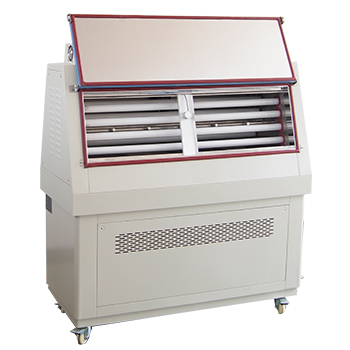
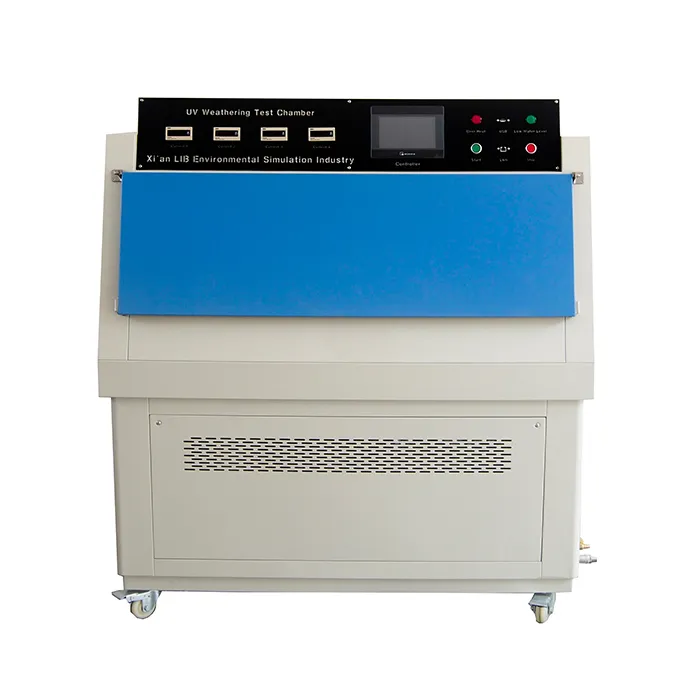
While conventional UV aging chambers are suitable for small specimens such as coatings, plastics, and rubber materials, photovoltaic modules present unique testing challenges.
A modern solar panel can exceed two meters in length and contains multiple layers of materials that must be exposed uniformly. Uneven UV distribution or poor temperature control can produce misleading results.
Feature | Solar Climatic Chamber | General UV Chamber |
Full-Size PV Module Testing | ✓ | ✗ |
UV Dose Accumulation | ✓ | Limited |
Module Temperature Monitoring | ✓ | Limited |
Irradiance Uniformity Control | ✓ | Limited |
| IEC 61215 Compliance | ✓ | ✗ |
|
|
In addition to providing uniform UV exposure, solar climatic chambers continuously monitor irradiance, calculate accumulated dose, and record testing data required for qualification and certification programs.
The testing process begins with a thorough inspection of the photovoltaic module. Existing defects, surface conditions, and material characteristics are documented before exposure begins.
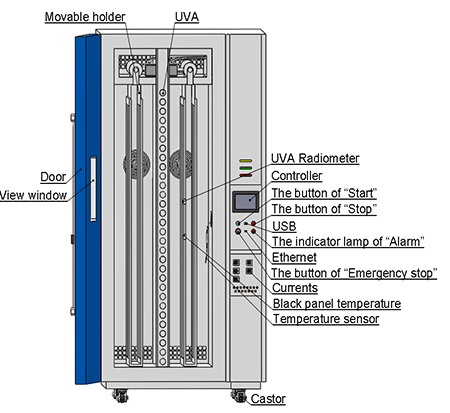
Once installed inside the chamber, the module is exposed to controlled UVA and UVB radiation. Lamp output is continuously monitored to maintain the required irradiance level and UV spectrum throughout the test.
The chamber maintains the module temperature at 60°C ±5°C using a closed-loop control system. Advanced systems may also monitor black panel temperature to better represent actual surface conditions.
Calibrated UV sensors continuously calculate cumulative UV dose. All relevant parameters—including irradiance, temperature, exposure duration, and accumulated energy—are automatically recorded for traceability.
After the target UV dose has been reached, the module undergoes visual and electrical inspection. Any signs of discoloration, cracking, delamination, or insulation deterioration are documented before further qualification testing is performed.
One of the most valuable aspects of UV preconditioning is its ability to expose material weaknesses long before they become field failures.
Ultraviolet radiation can alter the chemical structure of encapsulants, reducing light transmission and decreasing module efficiency.
Backsheet degradation may initially appear cosmetic, but over time it can compromise insulation performance and increase moisture ingress risks.
Loss of adhesion between module layers can create pathways for moisture penetration and accelerate additional degradation mechanisms.
Changes in polymer properties may increase leakage current and reduce dielectric strength, potentially affecting long-term safety and reliability.
Material aging can ultimately affect optical performance and energy conversion efficiency, resulting in measurable power loss.
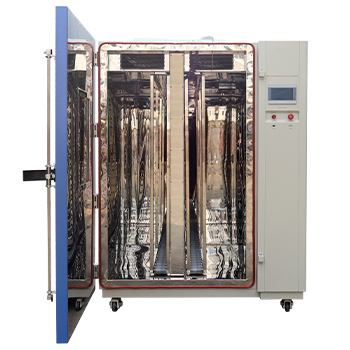
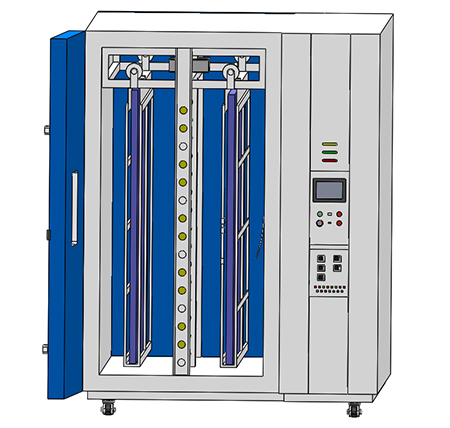
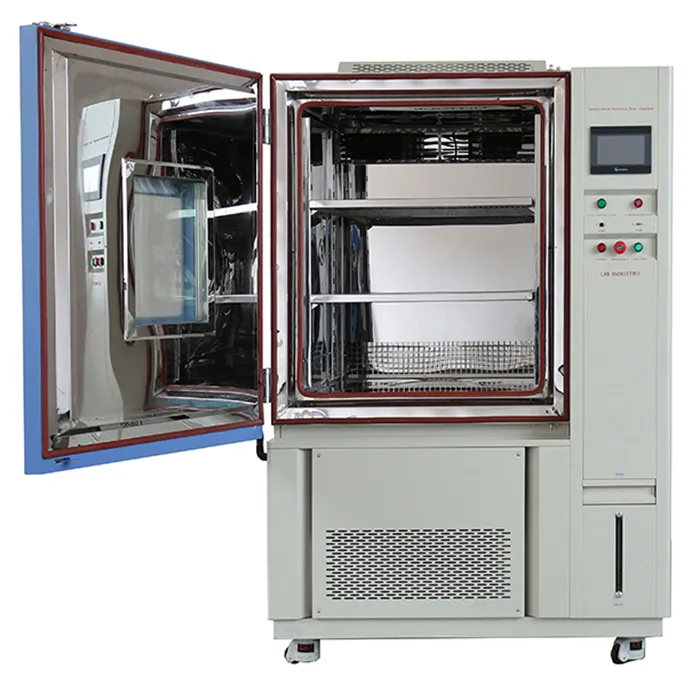
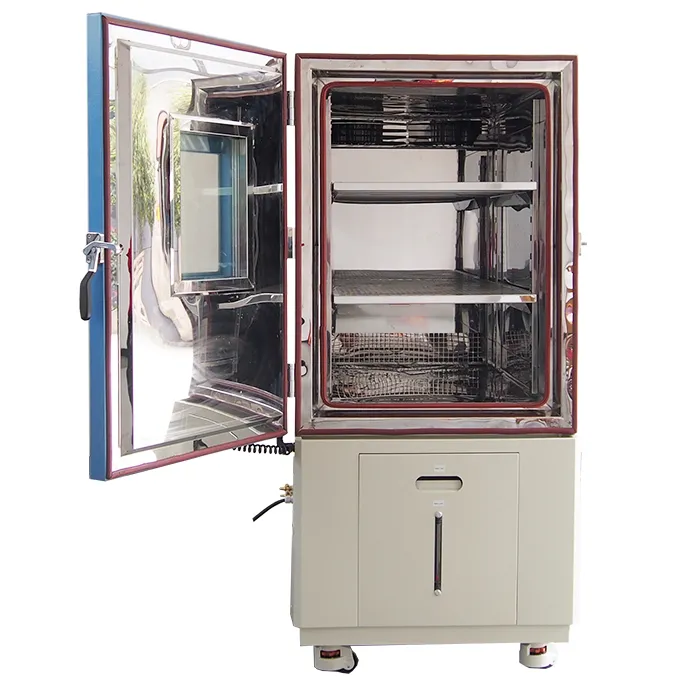
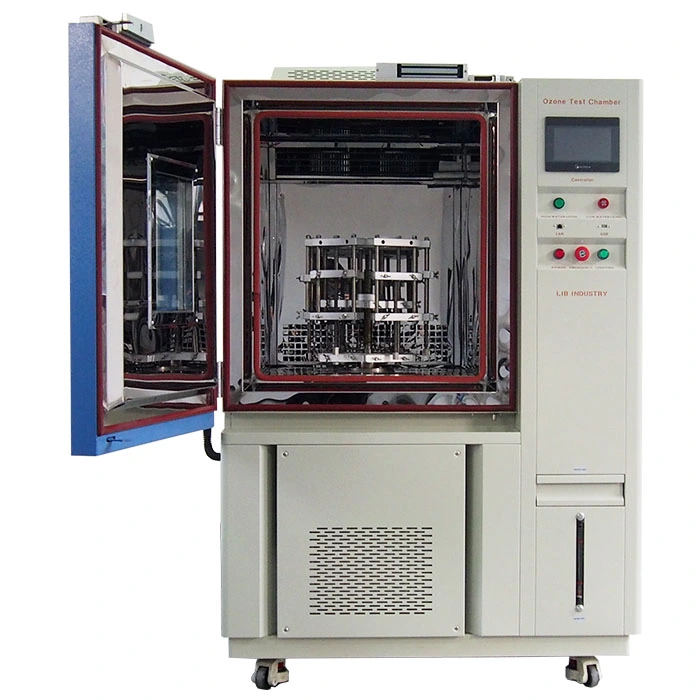
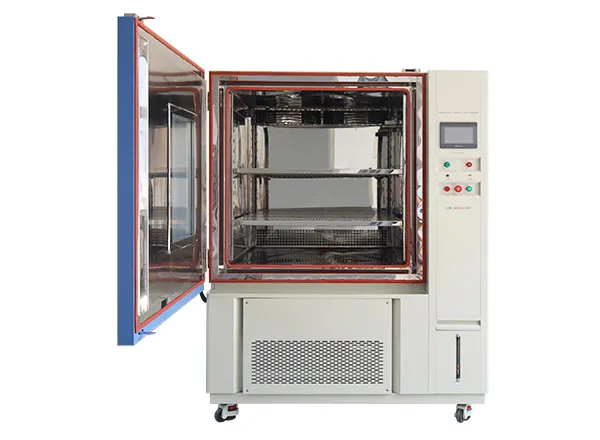
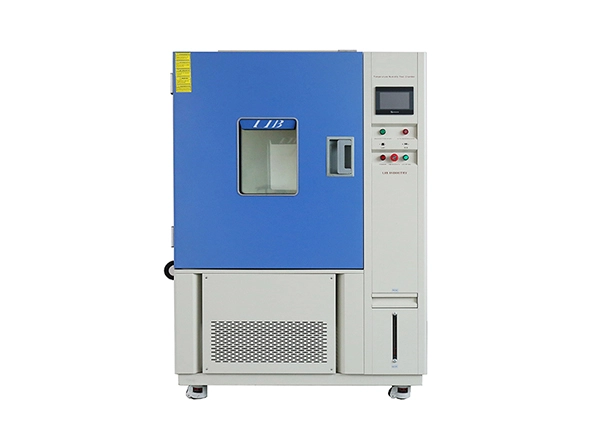
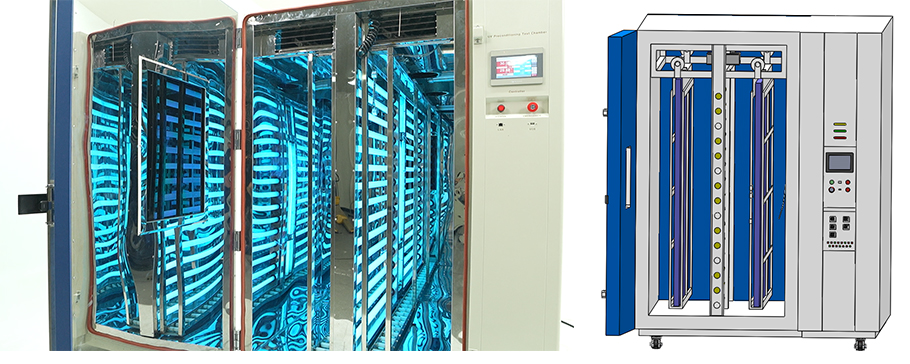
Solar climatic chambers used for IEC 61215 photovoltaic qualification testing are not simple UV exposure devices. They are precision systems designed to reproduce long-term solar radiation effects while maintaining strict control over temperature, irradiance stability, and UV spectral composition.
To achieve reliable PV module certification results, the test system must ensure uniform exposure, stable spectrum output, and traceable dose control throughout long-duration testing cycles.
Name | Solar Climatic Test Chamber |
|
Model | UVP-02 | |
Internal Dimension (mm) | 1450*745*2500 D*W*H | |
Overall Dimension (mm) | 1875*1210*2800 D*W*H | |
Specimen Holder Size(mm) | 1400*2400 W*H | |
Irradiation Source | Fluorescent UVA lamps (20 pieces) and UVB lamps (10 pieces) | |
Temperature Range | Ambient ~ 90 ℃ ±2℃ | |
Black Panel Temperature (BPT) | 35 ~ 80 ℃ | |
Bandwidth | UVC: (< 0.1%) UVB: (3% to 10% of total UV) UVA: (90% to 97% of total UV) | |
Irradiance Control | ●The wavelength of 280 nm - 320 nm:7.5 k Wh/m2 ●The wavelength of 320 nm - 400 nm:15 k Wh/m2 ●Maximum Irradiance in the UV range: < 250 W/m2 | |
Controller | Programmable color LCD touch screen controller | |
Exterior Material | Steel Plate with protective coating | |
Interior Material | SUS304 stainless steel | |
Thermal Insulation | Polyurethane foam and insulation cotton | |
Power Supply | AC380V 50Hz 3Phase |
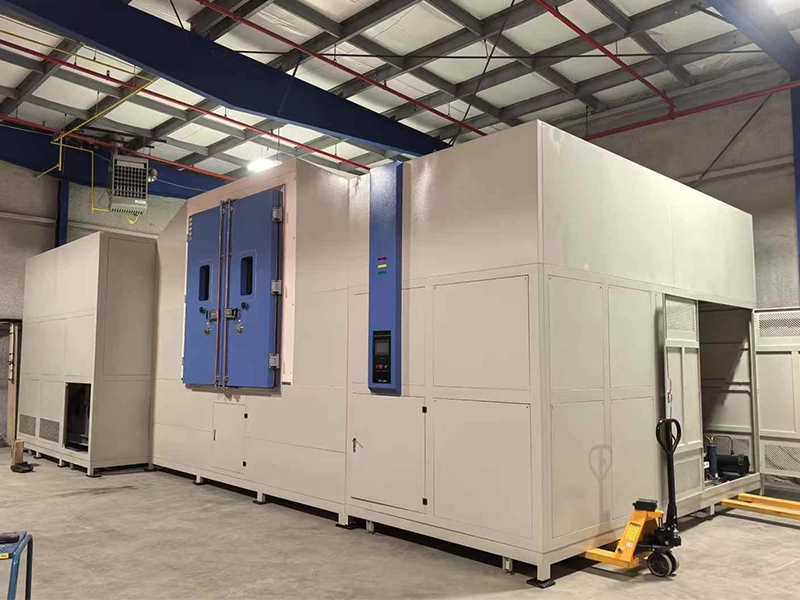
Photovoltaic modules used in IEC 61215 testing are large, which makes uniform UV exposure a critical challenge.
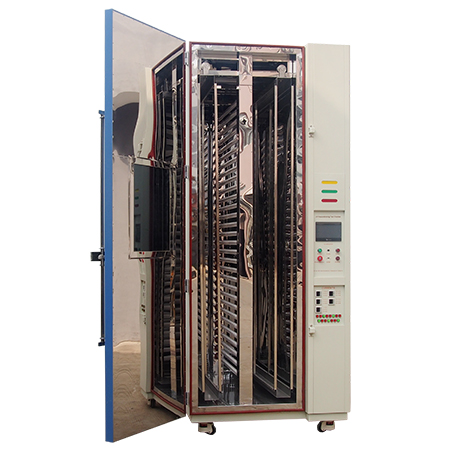
LIB solar climatic test chambers are engineered with a vertical mounting structure and optimized lamp-to-sample distance, ensuring consistent irradiation across the entire module surface.
Multiple PV modules can be tested simultaneously under identical exposure conditions, improving laboratory throughput without sacrificing accuracy.
IEC 61215 MQT 10 requires UV exposure within the 280–400 nm wavelength range, including controlled UVB content.
To meet this requirement, LIB systems use a combination of dedicated UVA and UVB fluorescent lamp arrays, rather than a single broadband source.
This configuration ensures:
Stable spectral distribution over long test cycles
Controlled UVB contribution as required by standards
Reduced drift in irradiance output over time
Continuous monitoring maintains exposure stability throughout the entire test duration.
UV degradation results are highly sensitive not only to radiation, but also to temperature conditions during exposure.
LIB chambers integrate:
Real-time irradiance control
Module and black panel temperature monitoring
Automatic UV dose accumulation calculation
Data logging for certification traceability
All key parameters are continuously recorded to ensure repeatable and auditable test results.
PV testing laboratories require more than environmental simulation—they require traceable, repeatable, and report-ready data.
LIB solar climatic test chambers integrate a programmable control system that allows users to:
Set standardized test sequences
Monitor real-time exposure conditions
Export complete test reports for IEC 61215 documentation
This significantly reduces manual operation errors and improves certification efficiency.
Every photovoltaic testing project has unique requirements, including module size, laboratory layout, and testing workflow.
LIB industry provides not only equipment, but also full lifecycle support:
LIB Service | Details |
Warranty | 3 Years |
Technical Support | Lifetime |
Installation | Available |
Training | Included |
Custom Design | Supported |
Global Service Network | Available |
IEC 61215 MQT 10 is a critical qualification test that evaluates the resistance of photovoltaic modules to ultraviolet radiation before they undergo additional environmental stress testing. Successful implementation requires accurate control of UV wavelength, accumulated dose, module temperature, and irradiance uniformity.
A dedicated solar climatic test chamber ensures these requirements are met while providing the traceability and repeatability necessary for modern PV qualification programs. For manufacturers seeking reliable and standards-compliant testing solutions, LIB Industry offers both standard and customized solar climatic chambers designed specifically for photovoltaic applications.
Need a custom size for your PV modules? Contact LIB engineers today for a free quote.
IEC 61215 MQT 10 evaluates the effects of ultraviolet radiation on photovoltaic modules before additional environmental stress tests are performed.
The test requires UV exposure from 280–400 nm, a total dose of 15 kWh/m², UVB content between 3% and 10%, and a module temperature of 60°C ±5°C.
Uniform irradiance ensures all areas of the module receive the same UV dose, improving test accuracy and repeatability.
Yes. LIB provides customized chamber dimensions, sample fixtures, UV systems, and control functions for different photovoltaic testing requirements.
LIB offers installation, commissioning, training, lifetime technical support, and a 3-year warranty for all solar climatic test chambers.
 English
 русский
 français
 العربية
 Deutsch
 Español
 한국어
한국어 italiano
 tiếng việt
 ไทย
ไทย Indonesia