In aviation, defense, and industrial electronics, reliability in dusty and sandy environments is critical. Devices deployed at airports, deserts, or military operations often face airborne particles that can impair performance, cause mechanical wear, or even lead to system failure. The question arises: how can engineers ensure equipment continues to operate flawlessly in these extreme conditions?
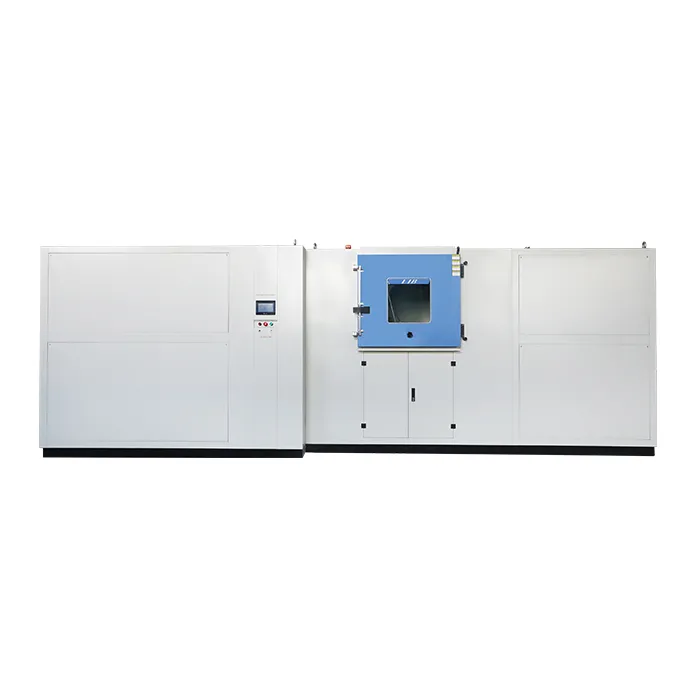
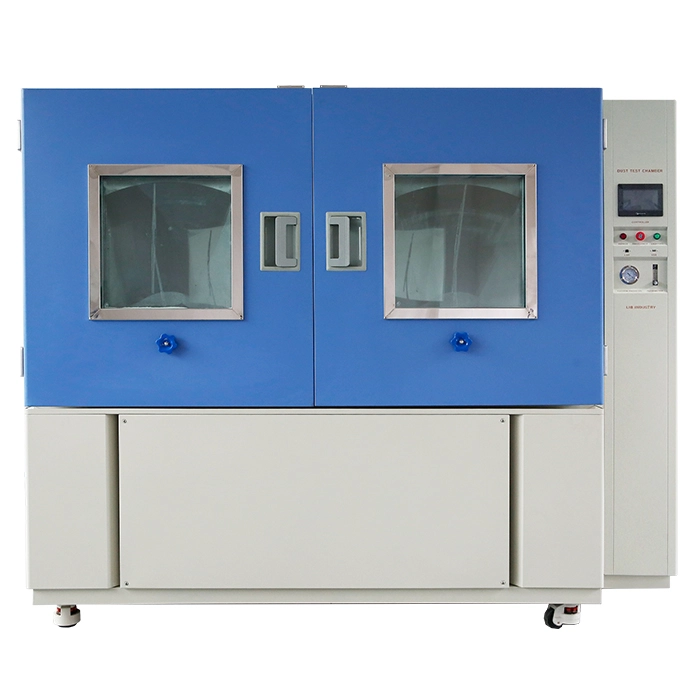
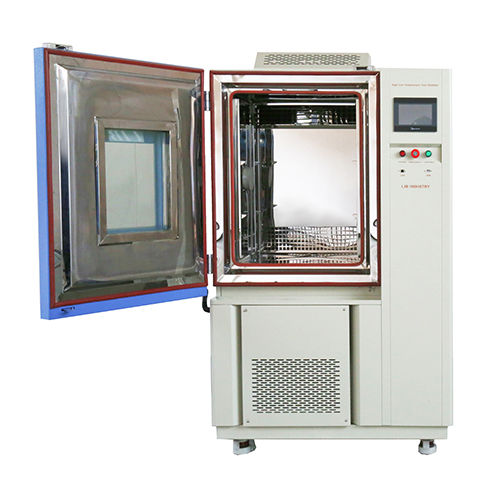
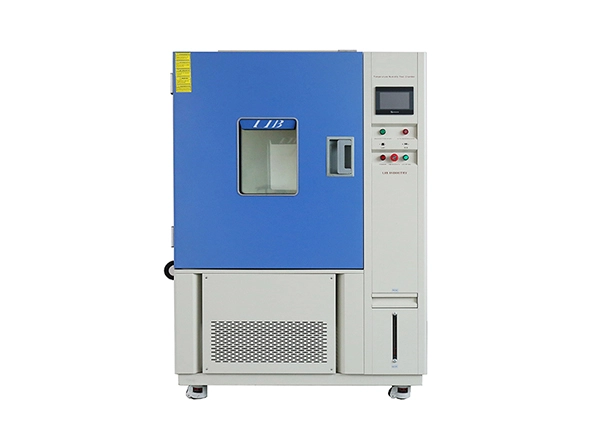
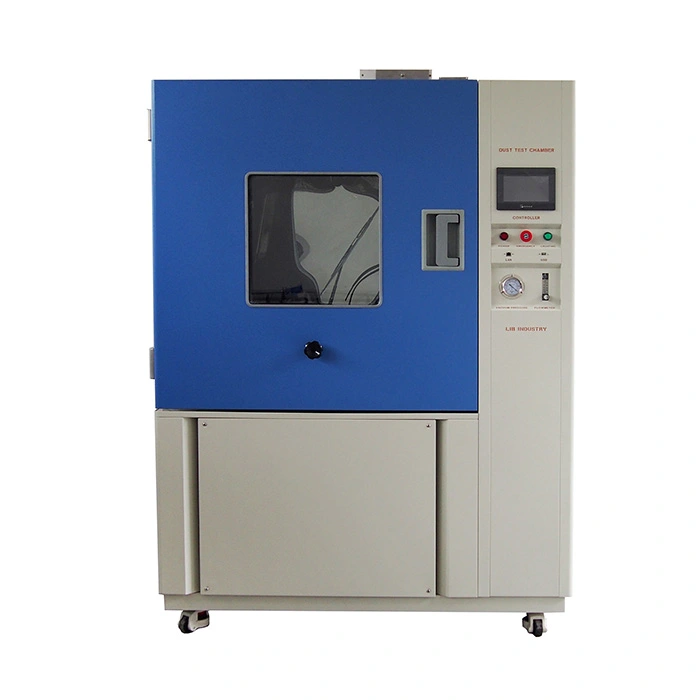
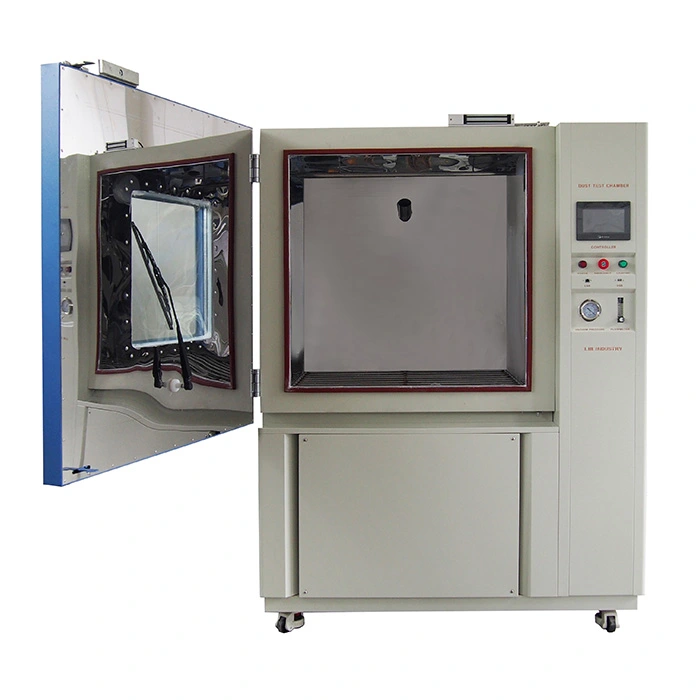
LIB industry offers a comprehensive range of sand and dust test chambers designed to meet both DO-160 and MIL-STD-810 standards, while also providing IP5X/IP6X dust protection testing for industrial and consumer devices. By simulating real-world environmental challenges, these systems allow manufacturers to validate product reliability, durability, and compliance before deployment.
The DO-160 standard, specifically Section 12 – Sand and Dust, defines testing procedures for airborne equipment subjected to particulate environments. This standard is widely adopted in the aviation industry to ensure avionics and electronic components maintain functionality during flight, especially at desert airports or during takeoff and landing where dust and sand are prevalent.
DO-160 differentiates between:
Dust: Fine particles ≤150 μm that can infiltrate sensitive components.
Sand: Larger particles 150–850 μm that may impact mechanical surfaces and protective coatings.
Testing conditions include high airflow speeds (typically 18–29 m/s), controlled particle distribution, and equipment powered-on operation to monitor real-time performance. The test ensures that all critical systems, including electronics, connectors, and cooling mechanisms, remain functional under harsh particulate exposure.
LIB industry sand and dust chambers precisely replicate DO-160 Section 12 conditions, providing high repeatability, accurate particle control, and live monitoring for comprehensive reliability assessment.
For defense and military applications, MIL-STD-810, particularly Method 510, sets rigorous requirements for sand and dust exposure. Unlike DO-160, which focuses on aviation-specific operational reliability, MIL-STD-810 targets material durability and mechanical resilience in extreme terrestrial environments, such as deserts or tactical scenarios.
Key differences include:
Dust particle size is often smaller (≤75 μm), but sand range is similar (150–850 μm).
Wind speeds are approximately 15–25 m/s.
Equipment may be tested statically or operationally, emphasizing long-term wear, sealing integrity, and component resistance.
LIB industry MIL-STD-810 Blowing Wind Environmental Test Chambers are fully capable of executing MIL-STD-810 Method 510 tests. The chambers support custom airflow, particle distribution, and test duration to accommodate both military and civilian device requirements.
LIB industry dust test chambers provide flexible programming to handle both standards within a single system. This eliminates the need for multiple test setups and ensures efficient, cost-effective testing for multi-standard compliance.
Feature | DO-160 Section 12 | MIL-STD-810 Method 510 |
Application Environment | Aviation, airport dust | Military, field operations |
Dust Particle Size | ≤150 μm | ≤75 μm |
Sand Particle Size | 150–850 μm | 150–850 μm |
Airflow Speed | 18–29 m/s | 15–25 m/s |
Test Conditions | Powered-on operation, functional check | Static or powered, durability focus |
| Main Focus | System reliability and flight safety | Material endurance, sealing, wear resistance |
|
| |
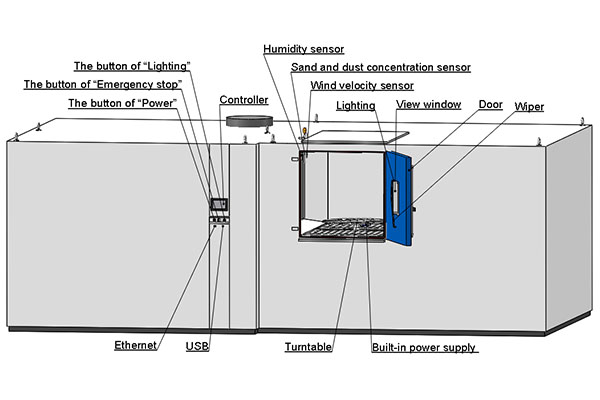
LIB industry sand and dust test chambers offer a complete range of features to ensure reliable testing under extreme particulate conditions:
Precise Particle Distribution: Ensures uniform exposure for repeatable results.
Adjustable Airflow and Temperature: Simulates both DO-160 and MIL-STD-810 conditions accurately.
Circulation and Filtration System: Recovers particles for environmental and cost efficiency.
Operational Monitoring: Devices can remain powered during testing with real-time performance tracking.
Customizable Test Space and Fixtures: Accommodates various equipment sizes, from avionics modules to industrial enclosures.
Multi-standard Compatibility: Single system handles DO-160, MIL-STD-810, and IP5X/IP6X tests.
| 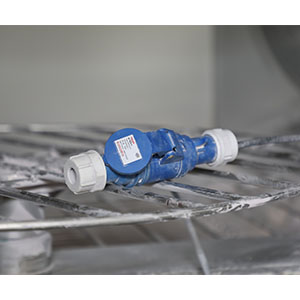 | 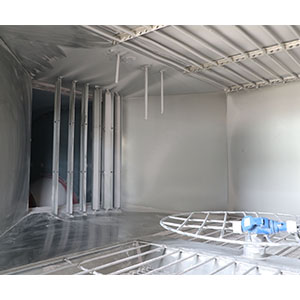 |
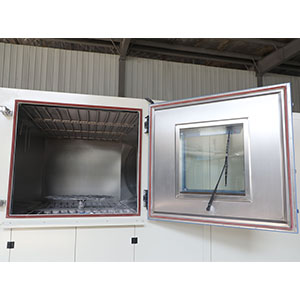
| SUS 304 workroom | Internal Power | Wind,humidity,dust and sand sensors |
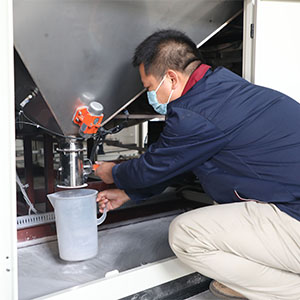 | 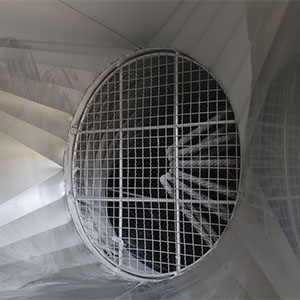 | 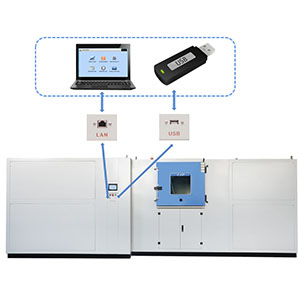 |
| Collect dust at the dust outlet | temperature sensor | Remote control and data export |
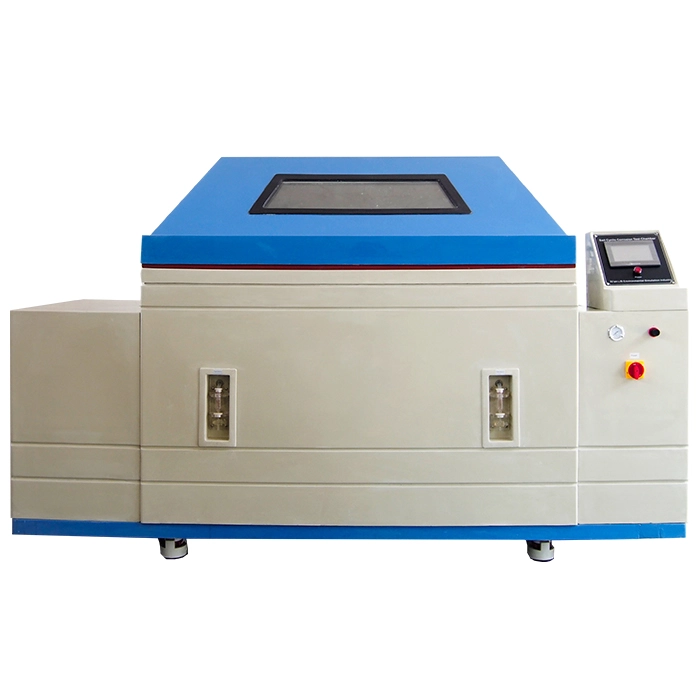
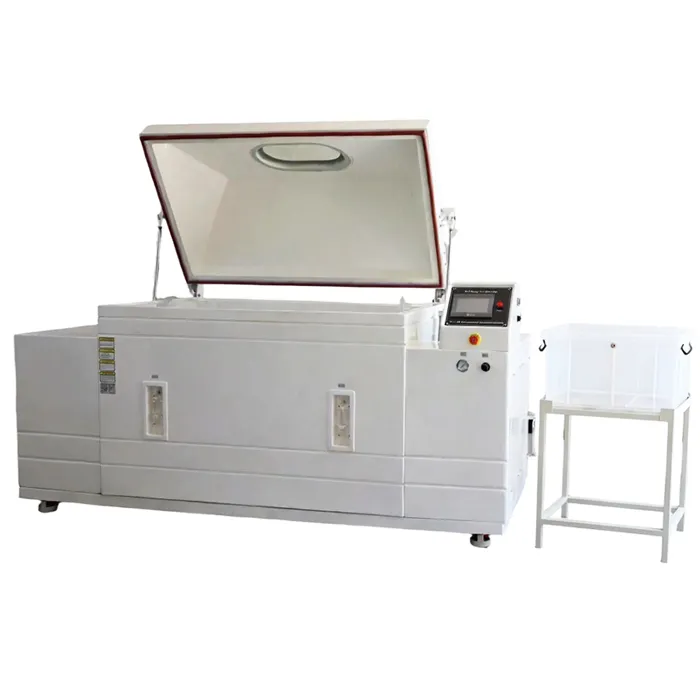
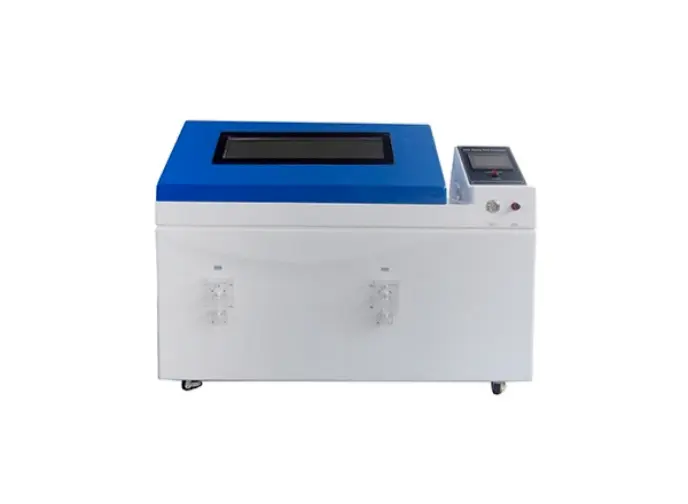
In addition to dynamic sand and dust testing, LIB industry chambers also support IP5X/IP6X dust ingress test chamber based on IEC 60529 standards:
IP5X: Dust-protected; limited ingress may occur but does not interfere with operation.
IP6X: Completely dust-tight; no particles can enter.
 |  |
This integration provides full-spectrum dust protection, combining dynamic sand and dust exposure with static IP-level ingress tests. Devices such as electronics, enclosures, and industrial automation equipment maintain operational safety and durability across a wide range of environments.
Q1: Can a single LIB industry chamber handle both DO-160 and MIL-STD-810 tests?
Yes, the chambers are fully programmable and configurable to meet both standards, allowing flexible airflow, particle size, and test duration adjustments.
Q2: Are these chambers suitable for large industrial equipment?
Absolutely. LIB industry offers customizable test spaces and specialized fixtures to accommodate a wide range of device sizes, from small electronics to automotive enclosures.
Q3: How do LIB industry IP5X/IP6X chambers differ from sand and dust chambers?
IP5X/IP6X chambers focus on particulate ingress protection according to IEC 60529, while sand and dust chambers simulate dynamic airborne particles with airflow. Many LIB chambers integrate both capabilities for comprehensive testing.
Q4: Can devices be powered during testing?
Yes. For functional reliability assessments, both DO-160 and MIL-STD-810 tests can be conducted with powered-on devices, allowing real-time performance monitoring.
Q5: Is particle recirculation environmentally friendly?
Yes. LIB industry chambers feature advanced filtration and recirculation systems to minimize dust waste and maintain safe laboratory conditions.
LIB industry offers state-of-the-art sand and dust test chambers that satisfy DO-160 Section 12, MIL-STD-810 Method 510, and IP5X/IP6X standards, providing a complete, flexible, and reliable testing solution. From small avionics modules to large industrial enclosures, these chambers ensure devices maintain performance even under extreme environmental conditions.
Contact LIB industry today to learn how our customizable sand and dust testing solutions can safeguard your equipment and ensure full compliance with DO-160, MIL-STD-810, and IP5X/IP6X standards.
3-year warranty on major components
Lifetime technical support for installation, maintenance, and training
Custom solutions tailored to your products and lab requirements
Global service network to guarantee uninterrupted operation
 English
 русский
 français
 العربية
 Deutsch
 Español
 한국어
한국어 italiano
 tiếng việt
 ไทย
ไทย Indonesia