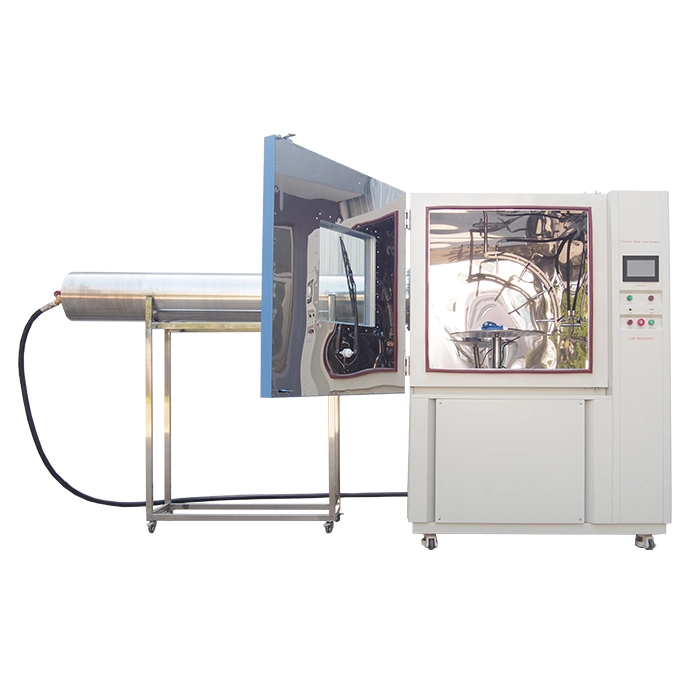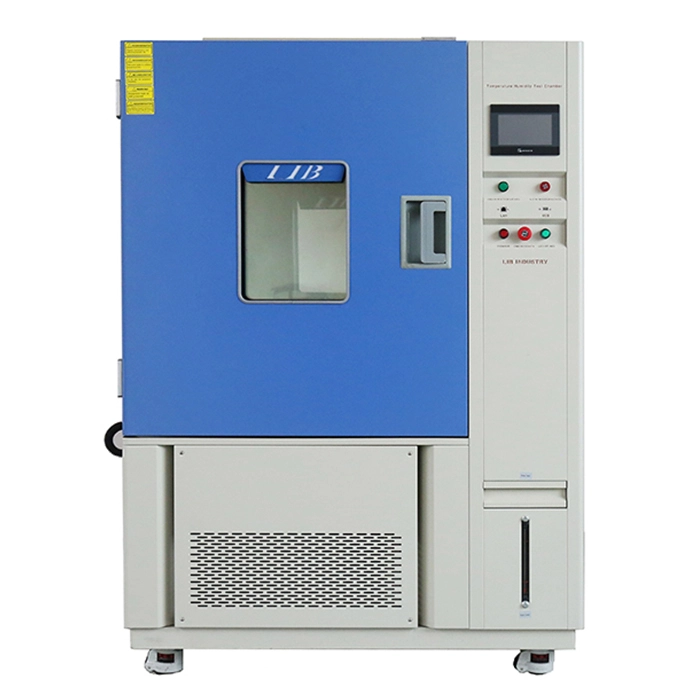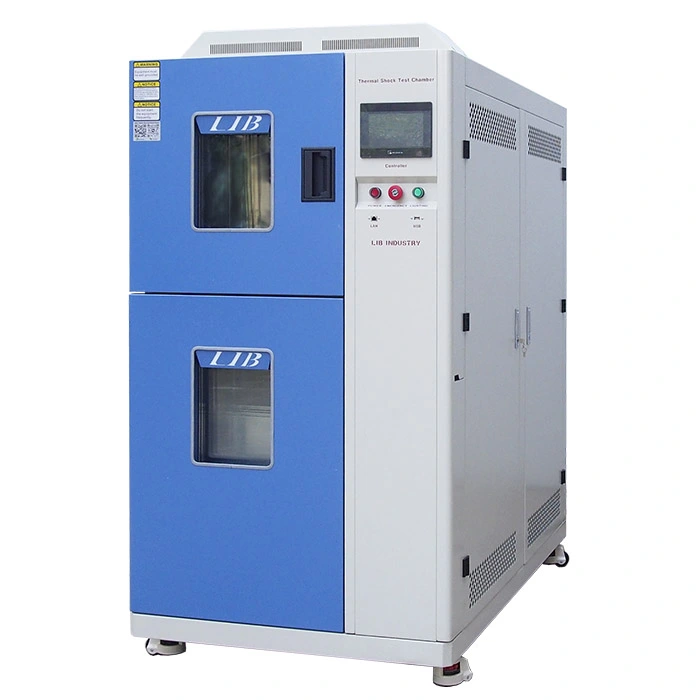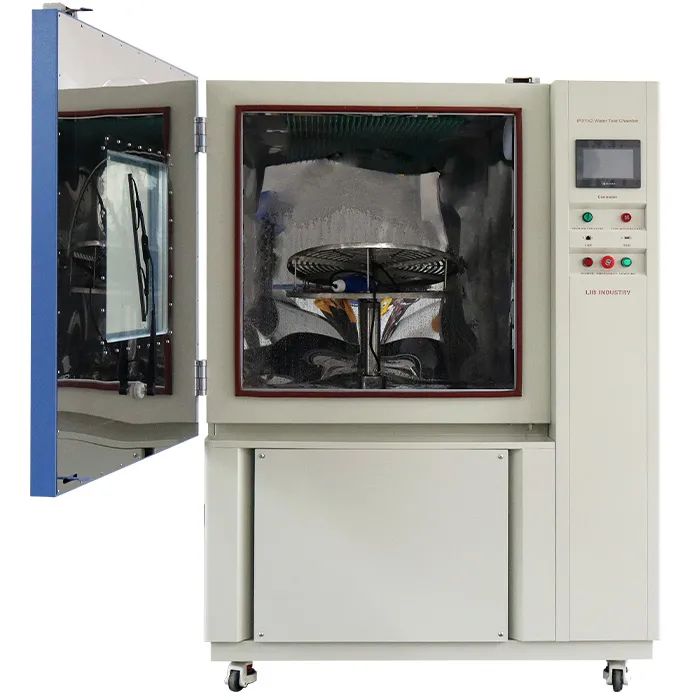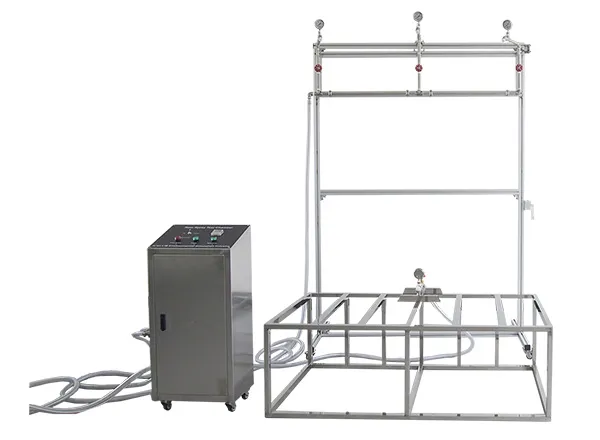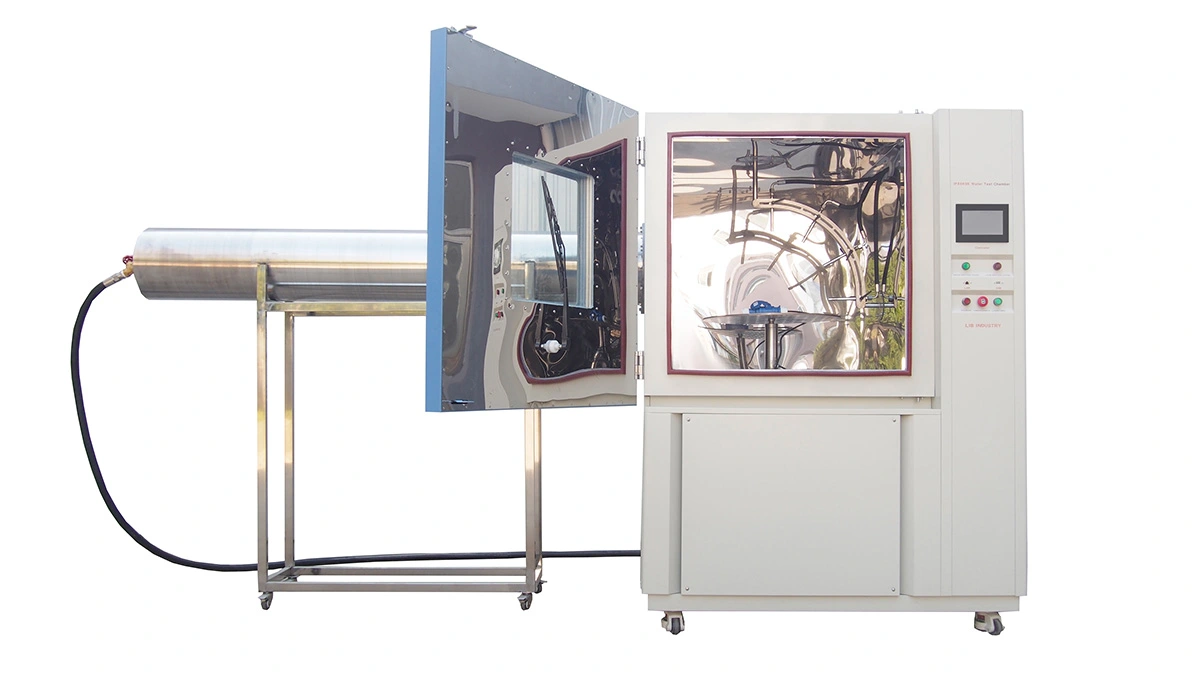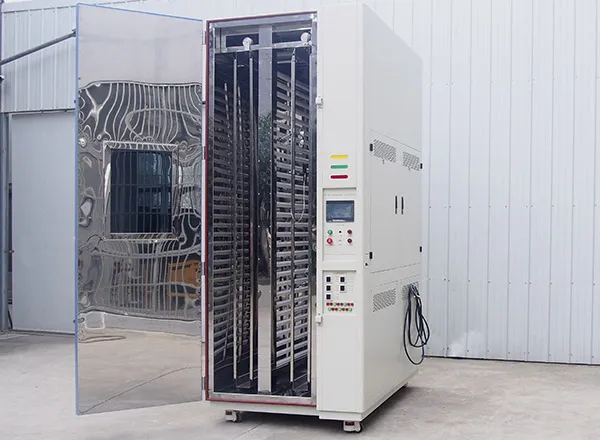
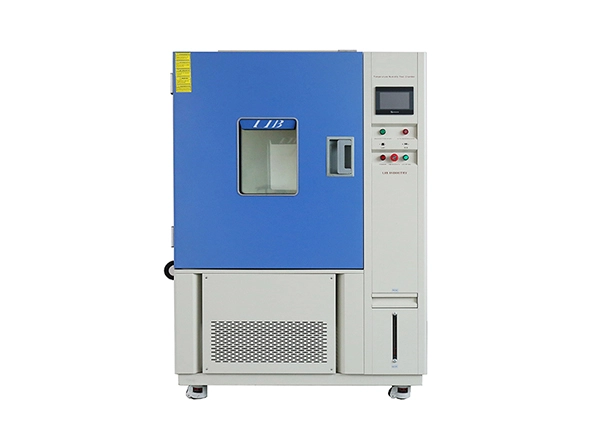
Choose air-to-air thermal shock testing when the specimen must remain dry and the test involves electronics, automotive components, battery components, plastics, or larger assemblies. Choose a liquid-to-liquid thermal shock chamber when extremely rapid heat transfer is required and the specimen is compatible with direct liquid exposure. LIB provides air-to-air, air-to-liquid, and liquid-to-liquid configurations within its thermal shock range. Common standards include IEC 60068-2-14, MIL-STD-202, MIL-STD-883, JIS C 0025, and IPC-TM-650. The most important selection factors are heat-transfer medium, required transition speed, specimen compatibility, sample size, thermal mass, and the exact test procedure.
Thermal shock testing evaluates whether a product can withstand sudden transitions between high and low temperatures without losing mechanical, electrical, or functional performance.
Typical test specimens include semiconductor packages, PCBs, connectors, sensors, automotive electronic components, battery components, aerospace parts, plastics, coatings, and precision instruments.
The main failure mechanisms include differential thermal expansion, cracking, delamination, solder-joint failure, seal damage, deformation, and changes in electrical performance.
The major difference in air to air vs liquid thermal shock testing is the heat-transfer medium.
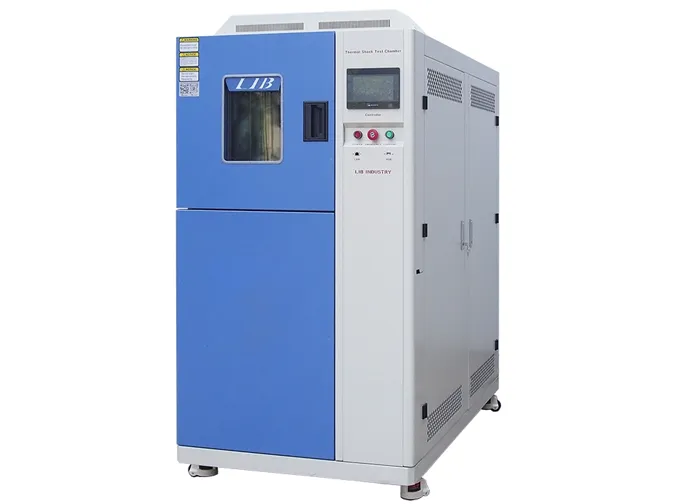
In air-to-air thermal shock testing, hot and cold air circulate around the specimen. LIB's air-to-air configuration uses independent high- and low-temperature zones, with the sample transferred between them. The published system can switch the specimen between the two zones within approximately three seconds. The hot zone can reach +220°C and the cold zone can reach -75°C, depending on configuration.
A liquid-to-liquid thermal shock chamber transfers the specimen between two liquid baths with significantly different temperatures. Direct contact with the liquid provides more efficient heat transfer than air and can create a much more intense thermal transition. LIB states that its liquid-to-liquid configuration can achieve temperature conversion rates of several hundred degrees per minute.
Therefore, liquid thermal shock is not simply a faster version of air testing. The heat-transfer medium changes the test environment and introduces additional considerations such as liquid compatibility, sealing, contamination, and specimen handling.
The actual test profile should always be established from the applicable standard and product qualification requirements.
Standard / Method | Temperature | Humidity | Cycle / Duration | Spray / Pressure |
IEC 60068-2-14 | Defined high/low temperatures | N/A | Specified thermal shock cycles | N/A |
MIL-STD-202 | Method dependent | N/A | Defined thermal shock exposure | N/A |
MIL-STD-883 | Semiconductor-specific | N/A | Defined thermal shock cycles | N/A |
JIS C 0025 | Specified high/low temperatures | N/A | Defined cycles | N/A |
IPC-TM-650 2.4.6 | Procedure dependent | N/A | Defined thermal exposure | N/A |
IEC 61215 | Defined PV module temperatures | Application dependent | Thermal cycling sequence | N/A |
LIB lists IEC 60068-2-14, MIL-STD-883, MIL-STD-202, JIS C 0025, and IPC-TM-650 2.4.6 for its liquid-to-liquid thermal shock chamber. Its broader Thermal Shock Chamber range also lists AAMA501, ASTM D4169-16, IEC 61215, IEC 61646, IEC 61108, IEC 62688, and MIL-STD-813D.
The standard does not determine the equipment choice by itself. Engineers should also evaluate the required temperature limits, transition time, dwell period, number of cycles, sample dimensions, and heat-transfer method.
Parameter | Air-to-Air Thermal Shock | Liquid-to-Liquid Thermal Shock |
Temperature range | Approx. -75°C to +220°C, model dependent | Depends on liquid and configuration |
Humidity range | Not normally the primary function | Not normally the primary function |
Chamber volume | 22–505 L on listed LIB models | Configuration dependent |
Ramp rate / transition | Sample transfer within about 3 seconds on applicable models | Several hundred °C/min reported by LIB |
Airflow | Hot and cold air circulation | Not the primary heat-transfer medium |
Sample heat load | Important for air recovery | Critical for bath recovery |
Safety configuration | Temperature, refrigeration, electrical and transfer protection | Temperature, liquid level, leakage, electrical and refrigeration protection |
Applicable standards | IEC, MIL-STD, ASTM and application-specific methods | IEC 60068-2-14, MIL-STD-883, MIL-STD-202, JIS C 0025, IPC-TM-650 |
Air-to-air systems are generally more versatile for products that must remain dry and clean. The sample is exposed to hot and cold air without direct immersion.
LIB's air-to-air system uses independent temperature zones and an automatic basket transfer mechanism. The sample can move between the zones without opening the chamber door, helping maintain the conditioned environments and allowing repeated cycles to be completed efficiently.
This approach is well suited to electronics, automotive components, battery-related products, plastics, and other specimens for which direct liquid exposure is undesirable.
A liquid-to-liquid system uses two independently controlled liquid baths. The sample basket moves between hot and cold liquids, producing direct contact between the heat-transfer medium and the specimen.
LIB describes its liquid-to-liquid system as a horizontal configuration with independent hot and cold tanks. It supports media such as silicone oil and fluorinated liquids, depending on the customized application.
The principal advantage is heat-transfer intensity. Liquid can transfer thermal energy more efficiently than air, making this approach useful for small precision components and semiconductor-related applications where a very rapid temperature transition is required.
However, direct liquid exposure means engineers must verify material compatibility, seals, electrical interfaces, contamination control, and the suitability of the selected liquid before testing.
A higher temperature-change rate does not always mean a better test. The selected method should reproduce the intended qualification condition and failure mechanism.
A liquid-to-liquid test may be unsuitable for specimens with vulnerable coatings, seals, adhesives, electrical interfaces, or materials affected by the selected liquid.
Large or thermally massive samples can affect recovery. Chamber performance should be evaluated using realistic sample mass and fixtures rather than empty-chamber specifications.
The programmed air or liquid temperature does not mean the specimen instantly reaches that temperature. Sample geometry, thermal mass, and fixture design influence actual temperature response.
Baskets, electrical connections, thermocouples, and mounting fixtures can affect heat transfer and usable capacity. They should be included when selecting the chamber.
Two chambers may have similar high and low temperature limits but deliver very different thermal transition speeds. Heat-transfer medium and specimen response are equally important.
Equipment selection should begin with the required thermal shock mechanism, followed by temperature range, specimen size, loading capacity, and applicable standards.
LIB's Thermal Chambers category includes Thermal Shock Chambers, Temperature Cycle Chambers, Air-to-Air Temperature Shock Chambers, Fast Change Rate Chambers, Liquid-to-Liquid Thermal Shock Test Chambers, and other thermal testing equipment. This provides a useful starting point when determining which thermal technology matches the test requirement.
Benchtop: Suitable for small laboratory specimens when a compact system provides sufficient capacity.
Reach-In: Appropriate for larger components, assemblies, and fixtures.
Walk-In: Better for large assemblies, battery systems, or batch testing.
Thermal Shock: The primary choice when sudden high-to-low or low-to-high temperature transitions are required.
Salt Spray: Better suited to corrosion and coating-resistance testing.
IP: Appropriate for dust and water ingress evaluation.
Special Custom Chamber: Recommended when thermal shock must be combined with battery safety, humidity, vibration, pressure, or other specialized conditions.
For conventional air thermal shock testing, the LIB Air-to-Air Temperature Shock Chamber uses separate hot and cold zones and automatically transfers the specimen between them within approximately three seconds. The TS-162, TS-340, TS-500, and TS-1000 models provide interior volumes from 22 L to 505 L and loading capacities from 20 kg to 60 kg.
For direct immersion testing, the LIB Liquid-to-Liquid Thermal Shock Test Chamber uses independent hot and cold liquid tanks and a mechanical transfer system. Its design is intended for rapid and intense thermal shock and supports several liquid media depending on the application.
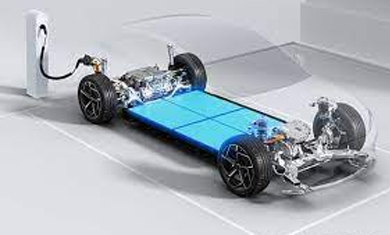
The application should also influence equipment selection. LIB's Environmental Test Chamber for Battery Technology describes temperature shock and cycling as methods for evaluating battery integrity under extreme temperature changes. Battery testing may involve cells, modules, and components, so sample dimensions, thermal mass, monitoring, and safety requirements should be considered alongside the heat-transfer medium.
For further technical background, LIB's article The Structure of LIB Air to Air Thermal Shock Test Chamber explains the independent temperature zones, basket transfer system, temperature control, and recovery characteristics of air-to-air thermal shock equipment.
Liquid-to-liquid testing generally provides more intensive heat transfer because the specimen is directly exposed to a liquid medium. LIB states that its liquid-to-liquid system can achieve temperature conversion rates of several hundred degrees per minute. Air-to-air systems can also achieve very rapid transitions, with applicable LIB configurations transferring specimens between zones within approximately three seconds.
Choose air-to-air when the product must remain dry, when liquid exposure is unsuitable, or when testing larger electronic, automotive, aerospace, battery, or plastic components.
A liquid thermal shock chamber is preferable when extremely rapid heat transfer is required and the specimen, seals, coatings, and electrical interfaces are compatible with the selected liquid.
Not automatically. The two methods use different heat-transfer mechanisms and can produce different specimen responses. The applicable standard and intended failure mechanism should determine the test method.
Consider specimen dimensions, weight, fixture size, sensor placement, and required clearance. LIB's air-to-air models range from 22 L to 505 L, while liquid systems should be sized according to the specimen and bath configuration.
An RFQ should specify high and low temperatures, required transition time, sample dimensions and weight, number of cycles, dwell time, thermal load, applicable standard, fixture requirements, cable ports, monitoring requirements, safety requirements, and whether the specimen can safely contact the selected liquid medium.
 English
 русский
 français
 العربية
 Deutsch
 Español
 한국어
한국어 italiano
 tiếng việt
 ไทย
ไทย Indonesia