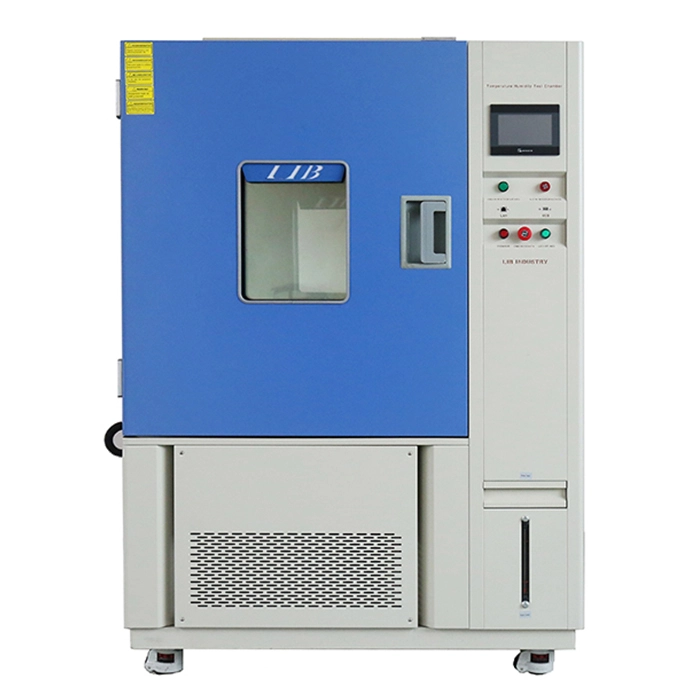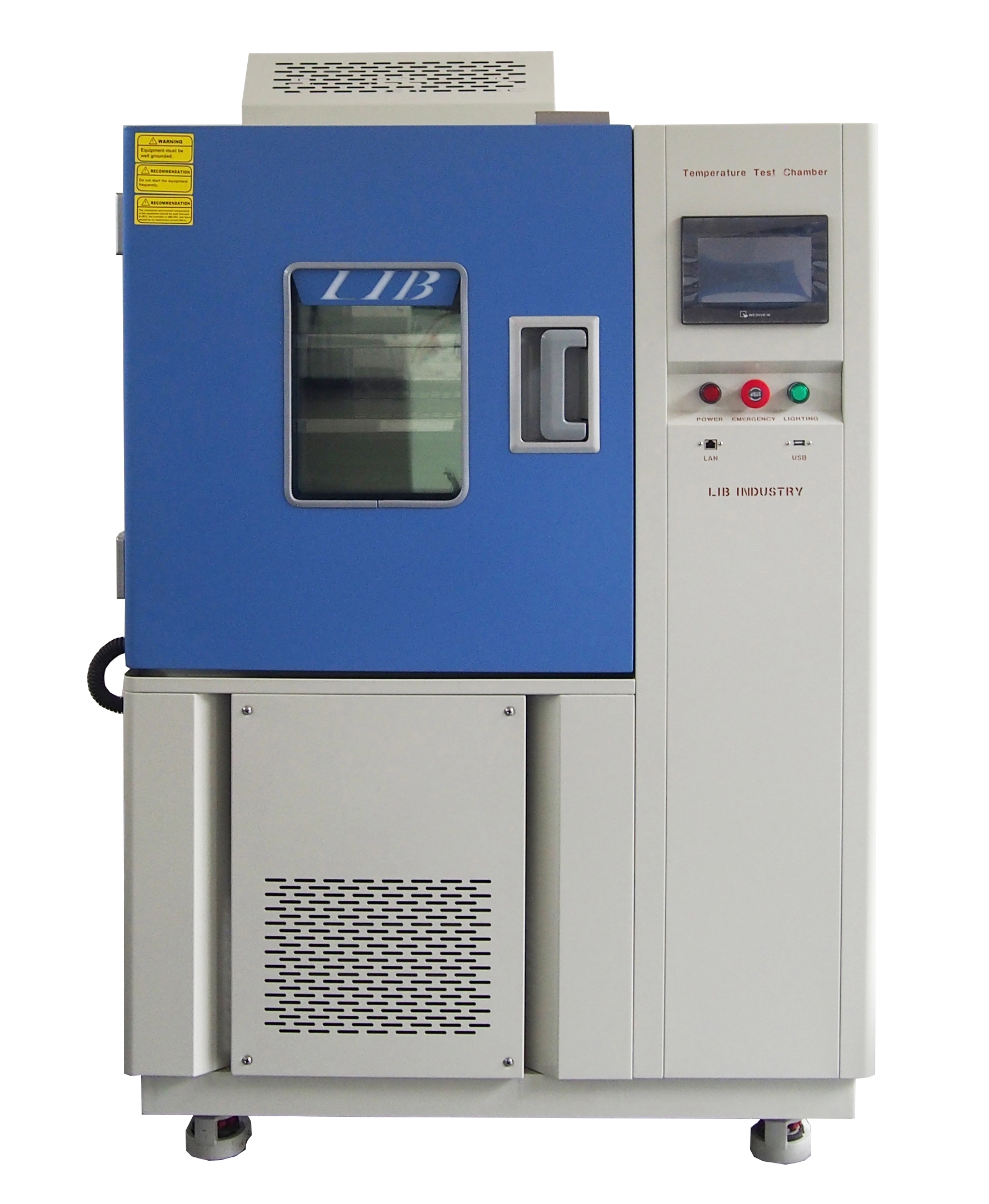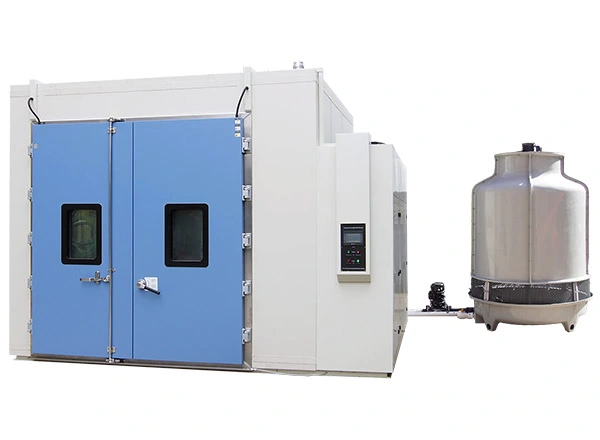
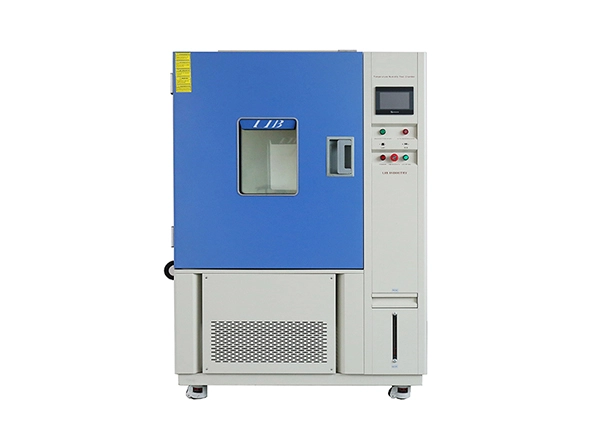
Choose an altitude chamber when the primary objective is to reproduce low atmospheric pressure and evaluate how a product performs or survives at simulated altitude. Choose a temperature-altitude chamber when the test must combine low pressure with high or low temperature, and potentially humidity, within one controlled program. The two configurations can support similar pressure ranges, but the second places greater emphasis on coordinated multi-parameter control. Typical applications include aerospace, automotive, electronics, batteries, and transportation equipment. Representative test methods include IEC 60068, IEC 60749, and MIL-STD-202F. The most important selection factor is whether pressure alone is sufficient or whether the product must operate under simultaneous altitude and temperature stresses.
Altitude simulation is used to determine whether a product can maintain its mechanical, electrical, thermal, and functional performance when atmospheric pressure decreases.
At high altitude, reduced air density can affect several product characteristics:
Heat dissipation
Electrical insulation and arcing behavior
Sealing performance
Mechanical pressure balance
Gas expansion
Motor and fan cooling
Battery performance
Display and electronic functionality
Structural stability
For example, a sealed electronic enclosure may perform normally at sea level but experience pressure-related stress when exposed to low atmospheric pressure. A cooling fan may also behave differently because the surrounding air becomes less dense.
The distinction in altitude chamber vs temperature altitude chamber becomes important when temperature is another major environmental stress.
An altitude chamber primarily creates a reduced-pressure environment. The product can then be evaluated at a selected pressure level for storage, transportation, or operation.
A temperature-altitude chamber adds controlled heating and cooling to the pressure simulation. This allows a test sequence such as:
Normal pressure → low temperature → reduced pressure → high temperature → low pressure → recovery
Such combined testing is useful when the product is expected to encounter both altitude and temperature changes during actual service.
LIB's Altitude Chamber is designed to simulate pressure conditions from atmospheric pressure down to approximately 0.5 kPa, while also providing temperature and humidity control. The listed A-1000 model has a 1000 L working volume, a temperature range of −40°C to +150°C, and a pressure reduction system based on a vacuum pump.
Altitude testing can involve several different test objectives, so equipment should be selected according to the required pressure, temperature, duration, and operating condition.
Test Condition | Pressure | Temperature | Humidity | Typical Purpose |
Altitude storage | Reduced pressure | Ambient or specified | Usually controlled as required | Packaging and product storage |
Low-pressure operation | Reduced pressure | Ambient or specified | As required | Functional performance |
Low-pressure + low temperature | Reduced pressure | Below 0°C | Controlled or low | Combined environmental stress |
Low-pressure + high temperature | Reduced pressure | Elevated temperature | Controlled | Thermal and pressure interaction |
Rapid decompression | Rapid pressure reduction | Usually controlled | As required | Pressure-transition response |
Combined altitude profile | Programmed pressure | Programmed temperature | Optional | Multi-stage environmental simulation |
LIB lists IEC 60068, IEC 60749, and MIL-STD-202F among the methods associated with its altitude chamber and temperature-altitude chamber equipment.
The exact pressure and temperature profile should be defined before equipment selection. A chamber capable of reaching a very low pressure does not automatically mean that it is suitable for every combined environmental sequence.
Parameter | Altitude Chamber | Temperature-Altitude Chamber |
Temperature range | Ambient to high/low temperature depending on configuration | Approximately −20°C to +150°C, with lower-temperature options available |
Humidity range | Available when combined control is required | Approximately 20–95% RH above suitable pressure levels |
Chamber volume | Available in different configurations | LIB A-1000: 1000 L |
Ramp rate | Depends on thermal configuration | Heating about 3°C/min; cooling about 2°C/min on listed A-1000 |
Airflow | Maintains environmental distribution | Designed for coordinated temperature, humidity and pressure control |
Sample heat load | Important for powered samples | Especially important during low-pressure thermal operation |
Safety configuration | Pressure enclosure, vacuum protection, temperature protection | Pressure, temperature, refrigeration and electrical safety systems |
Applicable standards | Low-pressure and altitude procedures | Combined temperature-altitude and environmental procedures |
A conventional low pressure temperature chamber or altitude chamber is appropriate when atmospheric pressure is the principal environmental variable.
The test can focus on how a sample behaves after pressure reduction without introducing a complicated thermal profile.
This can be useful for:
Electronic components
Sealed containers
Aircraft equipment
Electrical devices
Packaging
Sensors
Communication equipment
LIB's altitude chamber uses a reinforced pressure enclosure and vacuum system to reduce chamber pressure. The control system can automatically adjust pressure and temperature while recording operating data.
The A-1000 model can reduce pressure from atmospheric pressure to approximately 0.5 kPa, with a listed pressure reduction time of no more than 30 minutes under the specified configuration.
If the test does not require complex temperature changes, this configuration can avoid unnecessary system complexity.
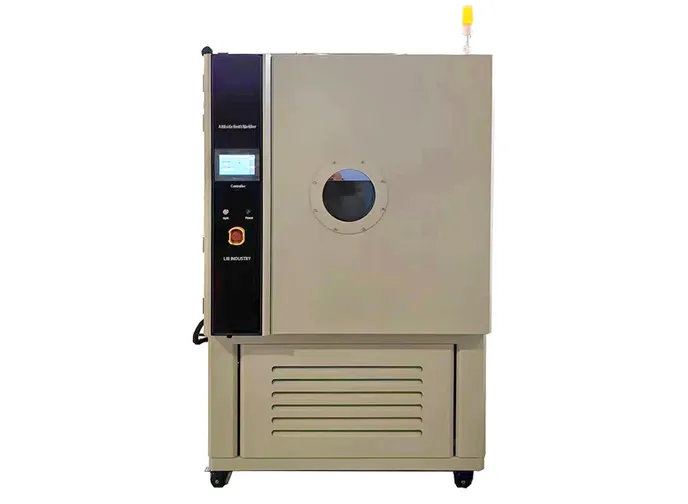
A temperature-altitude chamber becomes more valuable when the product must remain operational while both temperature and pressure change.
LIB's Temperature Altitude Chamber combines temperature control, humidity control, and low-pressure simulation. Its listed A-1000 configuration provides a 1000 L interior volume, pressure control from atmospheric pressure to approximately 0.5 kPa, and several possible temperature ranges extending to +150°C.
This type of altitude simulation equipment can reproduce conditions such as:
Cold + low pressure
This can affect battery output, lubrication, material brittleness, and electronic performance.
Heat + low pressure
Reduced air density can make heat removal more difficult. Products that depend on air cooling may therefore experience additional thermal stress.
Pressure transition + temperature transition
A product may experience a combination of mechanical pressure changes and thermal expansion or contraction.
For these applications, using separate chambers may create additional handling steps and make it more difficult to reproduce a synchronized environmental sequence.
At reduced pressure, air density decreases. Products that rely on forced or natural air cooling may therefore experience different thermal behavior.
A low-pressure specification is important, but it is not the only selection parameter. Temperature range, pressure transition speed, humidity limitations, sample power consumption, and chamber volume should also be evaluated.
A powered electronic device can generate substantial internal heat. Under low pressure, the chamber may need to manage both the reduced external heat-transfer capability and the sample's internal heat generation.
Humidity control can become more difficult as pressure decreases. LIB's temperature-altitude chamber specifies humidity control above 50 kPa, so the actual humidity requirement should be checked against the intended pressure profile.
A standard pressure reduction test and a rapid decompression test place different demands on the vacuum and control system. If a fast pressure transition is required, the RFQ should state the target pressure and transition time.
A larger chamber is not automatically better. Excessive internal volume can increase the time and energy required to establish low-pressure and temperature conditions.
Altitude equipment needs more than floor space. Buyers should confirm power supply, vacuum-pump requirements, ventilation, heat rejection, access clearance, and sample cable connections before installation.
LIB's Altitude Chamber is the most direct starting point when the main requirement is high-altitude low-pressure simulation. Its configuration can also incorporate temperature and humidity conditions, allowing the equipment to cover more than pressure-only testing.
For more complex combined profiles, the Temperature Altitude Chamber is the stronger choice. It integrates pressure, temperature, and humidity control within one chamber and is intended for products that must be evaluated under multiple environmental stresses.
LIB's broader Temperature and Humidity Chamber range can also be considered when the project requires temperature and humidity testing but does not require a dedicated low-pressure environment. The range includes configurations that can integrate additional environmental functions, including altitude simulation.
Depending on the testing objective:
Benchtop: Suitable for compact components and small electronic samples.
Reach-In: Appropriate for larger assemblies and higher sample capacity.
Walk-In: Better suited to large components or production-scale testing.
Thermal Shock: Suitable when rapid temperature transitions are the main stress.
Salt Spray: Appropriate for corrosion-related environmental testing.
IP: Designed for dust and water ingress testing.
Special Custom Chamber: Recommended when altitude must be combined with unusual vibration, gas, pressure, temperature, or sample requirements.
For aerospace applications, LIB's Aerospace Environmental Test Chamber solutions are particularly relevant because aerospace products can experience pressure, temperature, humidity, vibration, and other environmental stresses during operation and transportation.
A related technical resource, Temperature Altitude Chambers: Ensuring Safety and Performance in High-Altitude Flights, explains how temperature and pressure interact during high-altitude simulation and why combined environmental testing is important for flight-related equipment.
.jpg "altitude_chamber9_(2).jpg")
An altitude chamber focuses primarily on reproducing reduced atmospheric pressure. A temperature-altitude chamber adds controlled heating and cooling, allowing the sample to be tested under simultaneous pressure and temperature stresses.
It is appropriate when a product's performance may be affected by both reduced air pressure and temperature. Typical examples include aircraft electronics, batteries, sensors, sealed components, and equipment using air cooling.
Yes. LIB's altitude chamber can incorporate temperature and humidity testing. The exact temperature range and combined operating conditions depend on the selected configuration.
The listed A-1000 configuration can reduce chamber pressure from atmospheric pressure to approximately 0.5 kPa.
Lower air density can change heat dissipation and electrical behavior. It can also influence insulation, arcing risk, sealing, and the operation of cooling systems.
Start with the sample dimensions, quantity, fixture requirements, and powered-sample heat load. LIB's listed A-1000 temperature-altitude configuration has a 1000 L working volume, but larger or customized chambers can be considered for larger assemblies.
Yes. A combined temperature-altitude chamber is designed specifically for this purpose. However, humidity control may be limited at very low pressure, so the required pressure-humidity combination should be confirmed during equipment selection.
Specify the required pressure range, altitude equivalent if applicable, pressure reduction time, temperature range, heating and cooling rates, humidity range, test duration, sample dimensions, sample weight, sample heat load, powered operation, cable ports, pressure cycle, and any required rapid decompression or customized sequence.
 English
 русский
 français
 العربية
 Deutsch
 Español
 한국어
한국어 italiano
 tiếng việt
 ไทย
ไทย Indonesia
.webp "Coil Steel Sunshine Carbon Arc Weathering Tester")