 Photovoltaic (PV) modules are designed to operate outdoors for more than 20 years, continuously exposed to ultraviolet radiation, heat, humidity, and environmental stress. Among these factors, ultraviolet (UV) exposure is one of the earliest and most aggressive degradation drivers.
Encapsulants such as EVA or POE may yellow, backsheet polymers may crack, and interfacial adhesion between layers can weaken long before any visible mechanical failure appears. These hidden changes directly affect power output stability and long-term safety.
To ensure PV modules can survive real-world conditions, accelerated UV preconditioning has become a mandatory step in qualification testing. The most widely recognized framework is the IEC 61215 MQT10 UV preconditioning procedure, which defines how UV exposure should be simulated before further environmental testing.
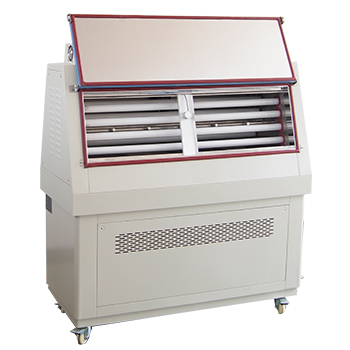
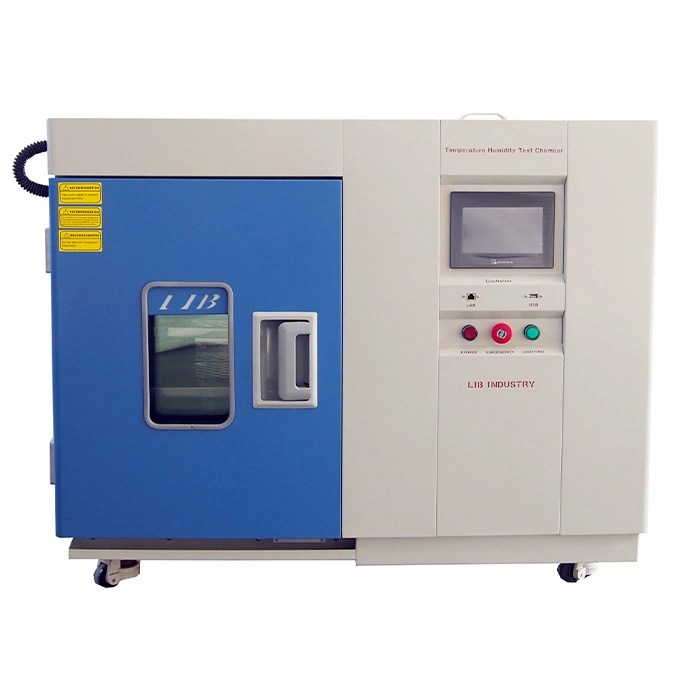
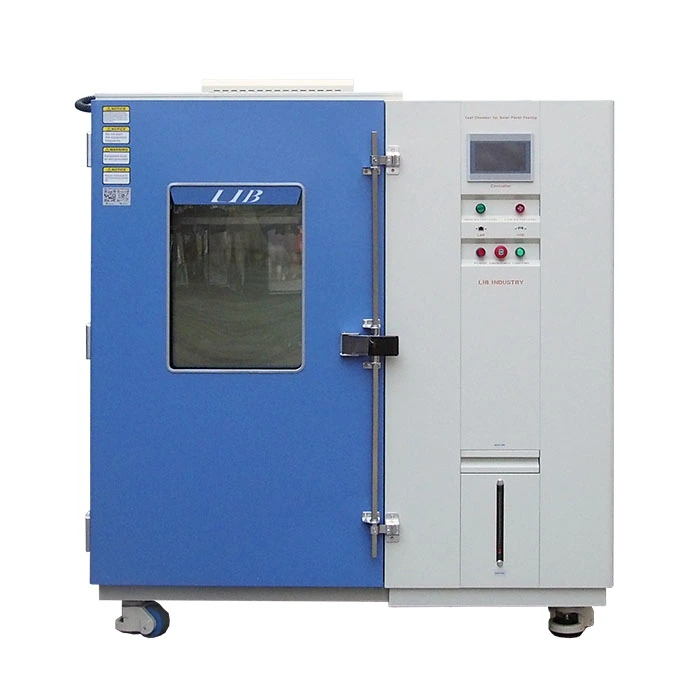
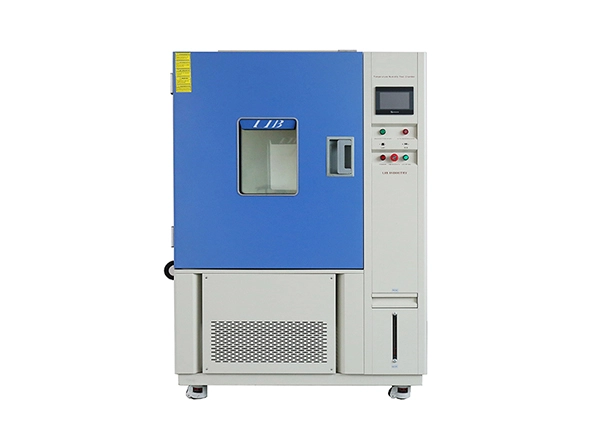
This is where a dedicated IEC 61215 MQT10 PV mini-module UV preconditioning test chamber becomes essential. It provides controlled, repeatable UV exposure conditions that allow researchers and manufacturers to evaluate material degradation in a scientifically reliable way.
The IEC 61215 MQT10 test is not simply about “shining UV light” on a PV module. It is a tightly controlled preconditioning process designed to ensure reproducibility and comparability across laboratories.
| Parameter | Requirement |
|---|---|
| Module surface temperature | 60°C ± 5°C |
| Total UV dose | 15 kWh/m² (280–400 nm) |
| UVB dose | ≥ 5 kWh/m² (280–320 nm) |
| Irradiance uniformity | ±15% over exposure area |
These parameters define not only intensity, but also spectral composition, temperature stability, and spatial uniformity.
UV Dose Control
The total UV energy determines the degree of polymer aging. Insufficient dose leads to underestimation of degradation, while excessive exposure may create unrealistic failure modes.
UVB Band Requirement
The 280–320 nm UVB region carries higher photon energy and is especially responsible for bond breaking in polymer chains. Meeting UVB dose requirements ensures realistic encapsulant degradation.
Temperature Stability at 60°C
Temperature directly influences reaction kinetics. Even small deviations can significantly alter degradation rates, making thermal control a critical factor in test accuracy.
Uniformity (±15%)
Non-uniform irradiance creates inconsistent aging across samples, leading to unreliable comparative results—especially important for mini-module testing where sample-to-sample variation must be minimized.
While the standard is clearly defined, real-world implementation is far more complex. Most laboratories face challenges in three key areas.
UV lamps degrade over time, leading to shifts in intensity and spectral distribution. This affects UVB consistency and requires continuous calibration or compensation.
UV radiation itself generates heat, while temperature control systems attempt to stabilize the chamber at 60°C. The interaction between radiant heat and forced convection creates complex thermal gradients across the sample surface.
Modern PV research requires more than just exposure—it requires traceable UV dose accumulation, real-time irradiance monitoring, and automated test termination once target energy is reached.
Without these capabilities, test results cannot be reliably compared across laboratories or certification bodies.
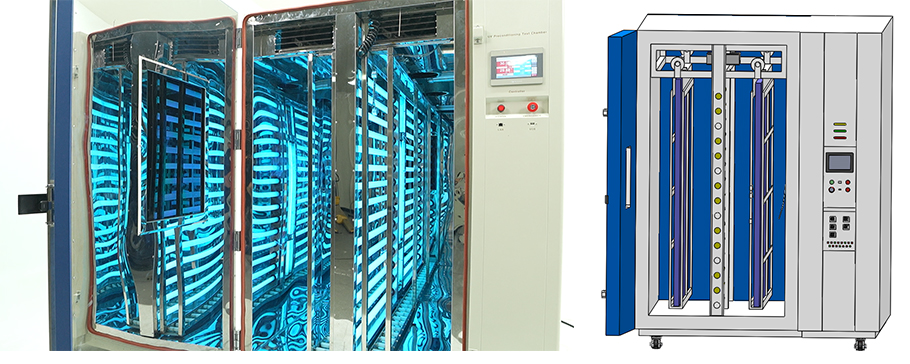
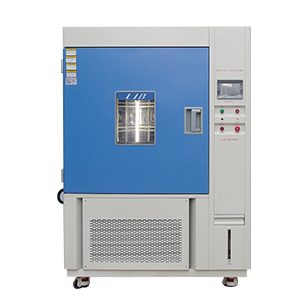
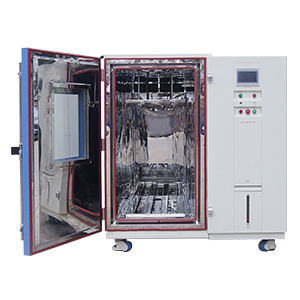
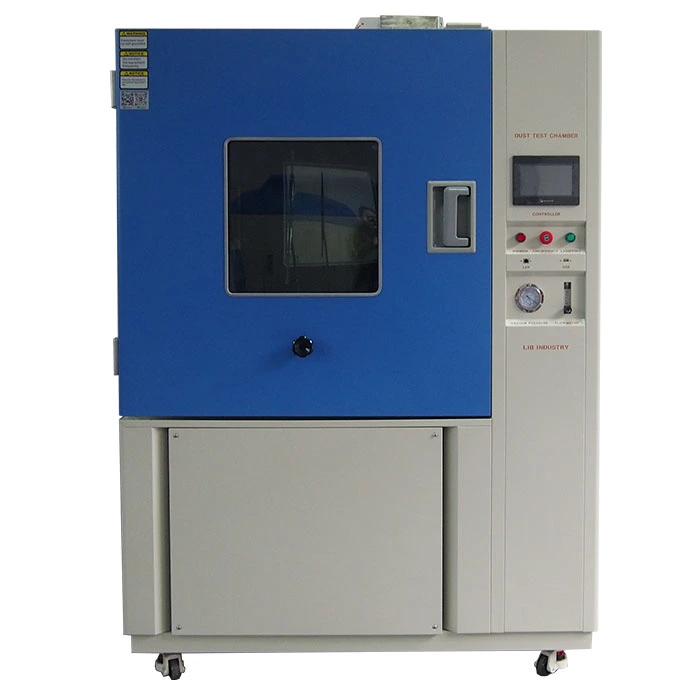
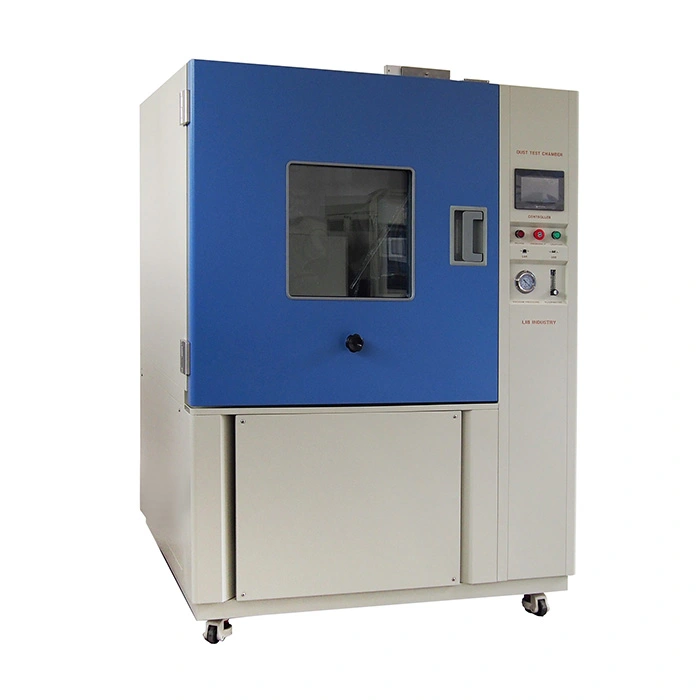
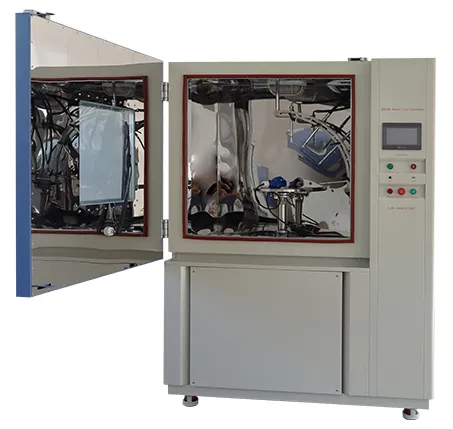
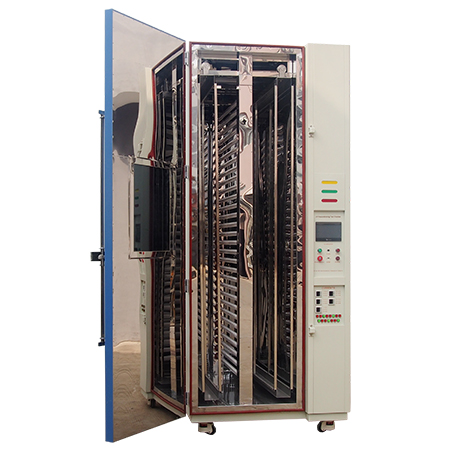
To address these engineering challenges, LIB Industry has developed a dedicated IEC 61215 MQT10 PV mini-module UV preconditioning test chamber designed specifically for accelerated PV aging validation.
This system focuses on three core engineering principles: optical uniformity, thermal stability, and closed-loop UV dose control.
The chamber integrates:
High-stability UV irradiation system (metal halide or UV fluorescent options)
Multi-directional reflector optimization for uniform light distribution
Precision PID temperature control system with forced-air circulation
Real-time UV irradiance monitoring and feedback loop control
Automated dose accumulation and test termination system
Parameter | LIB Industry Capability |
Exposure area | 1000 × 1000 mm (customizable) |
Specimen holder size | 1400 × 2400 mm (W × H) |
Sample capacity | 2 / 4 / 6 / multi-module configurations |
Module compatibility | Full-size PV modules / mini-modules supported |
Temperature range | Ambient to 90°C |
| Black Panel Temperature (BPT) | 35 ~ 80 ℃ |
UV control | Closed-loop dose accumulation |
Data system | Real-time logging + exportable report |
Closed-loop UV Dose Control
Instead of relying on fixed exposure time, the system continuously integrates irradiance data and automatically stops once the target dose is reached. This eliminates errors caused by lamp aging or environmental variation.
Uniformity Engineering
Achieving ±15% uniformity requires precise optical balancing. LIB’s chamber design uses optimized reflector geometry and distributed lamp positioning to minimize edge drop-off effects.
While standard configurations are based on a 1400 × 2400 mm vertical specimen holder system, LIB Industry UV preconditioning chambers are designed with high structural flexibility to support different PV module testing requirements.
For specific research requirements—such as 50 × 50 cm mini-modules or non-standard PV prototypes—LIB Industry can provide fully customized fixture design and chamber layout optimization, ensuring full compliance with IEC 61215 MQT10 test conditions.
This modular engineering approach allows laboratories to scale from prototype material testing to full-size module qualification testing within the same system platform.
Beyond equipment design, PV reliability testing requires long-term stability, global service capability, and consistent technical support.
LIB Industry specializes in environmental simulation systems for photovoltaic, battery, aerospace, and material research applications. The UV preconditioning chamber is developed based on real-world PV degradation testing requirements, not just laboratory simulation theory.
LIB supports customers across more than 60 countries with localized service coverage and remote technical assistance. For international PV research institutes, this ensures minimal downtime and fast technical resolution.
3-year warranty covering core system components
Lifetime maintenance support
24/7 remote technical assistance via online or video commissioning
Fast-response spare parts supply system
This ensures that long-duration PV aging experiments remain uninterrupted and fully traceable.
LIB Industry provides a complete photovoltaic reliability testing portfolio covering UV aging, full-spectrum weathering, and system-level environmental simulation.
| Equipment | Core Parameters | Test Type | Key Strength |
|---|---|---|---|
| UV source: UVA/UVB fluorescent Irradiance: up to 250 W/m² Temperature: Ambient–90°C | UV accelerated aging | Stable UV degradation + high repeatability |
| Lamp power: 4500W xenon arc Spectrum: 300–400 nm + VIS + IR Irradiance: 35–150 W/m² | Full-spectrum sunlight simulation | Real solar spectrum simulation accuracy |
| Temp range: -60°C to +150°C Humidity: 20%–98% RH Temp fluctuation: ±0.5°C | Thermal & humidity cycling | Multi-stress reliability validation |
It simulates long-term UV exposure on PV modules before further environmental testing, helping identify material degradation such as encapsulant yellowing, delamination, and backsheet aging.
Uniformity directly affects data reliability. Uneven UV exposure can cause inconsistent degradation results across samples, making comparison and certification invalid.
Yes. LIB Industry provides global on-site or remote installation support, including video commissioning, system calibration, and operator training. Customers receive fast technical response regardless of region.
The warranty covers core system components including UV systems, temperature control modules, and control electronics. Consumable parts such as lamps and filters are excluded but can be supplied as spare parts packages.
Yes. LIB Industry offers lifetime maintenance support with guaranteed availability of spare parts and continuous technical updates, ensuring long-term system usability for extended research programs
 English
 русский
 français
 العربية
 Deutsch
 Español
 한국어
한국어 italiano
 tiếng việt
 ไทย
ไทย Indonesia