A single degree of deviation in temperature or a mere 2% fluctuation in humidity can derail months—or even years—of pharmaceutical stability data, resulting in failed regulatory audits, delayed drug approvals, and tens of millions of dollars in lost revenue. The implications extend beyond financial losses; non-compliance compromises patient safety and public trust in your brand.
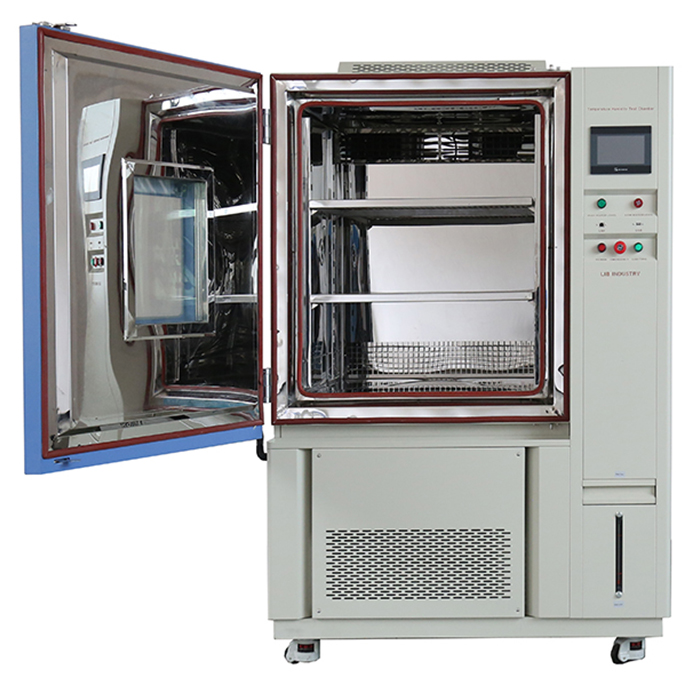
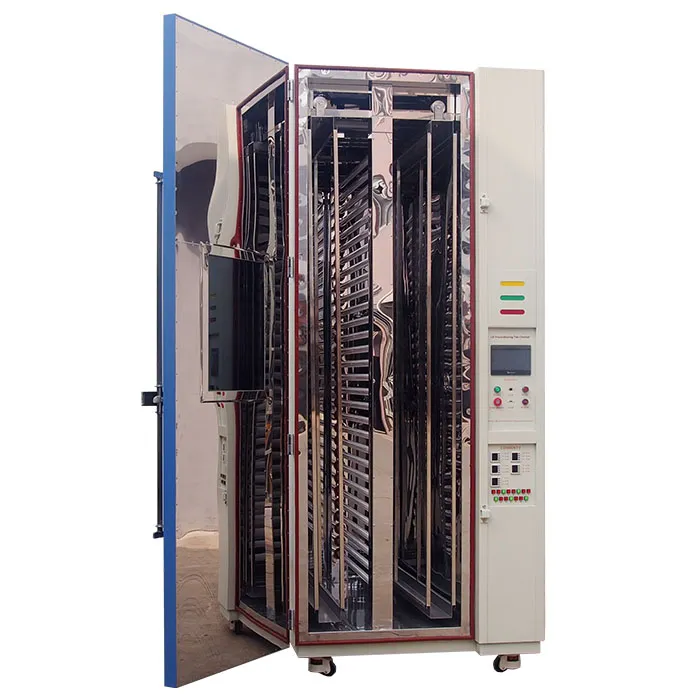
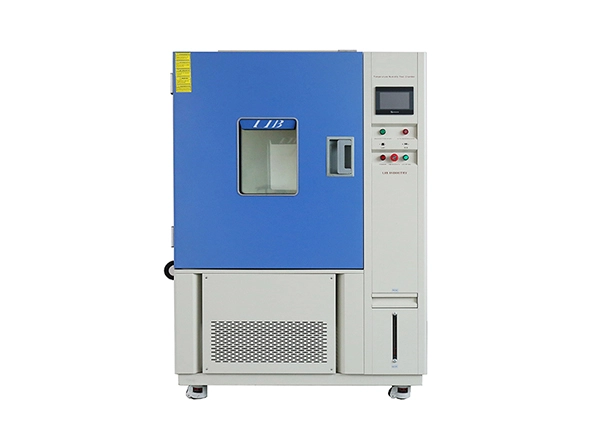
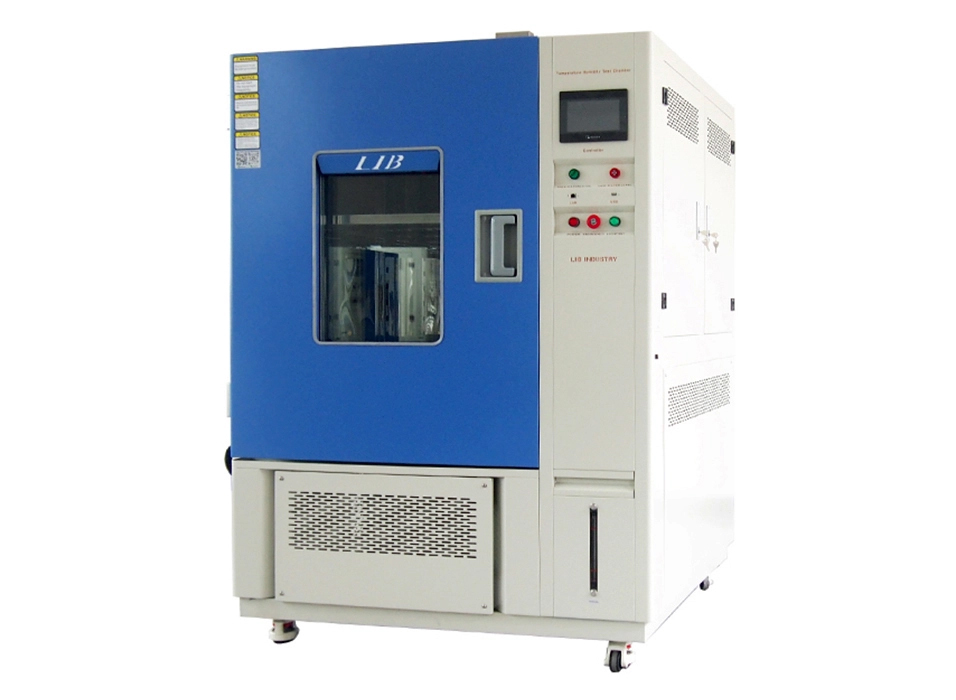
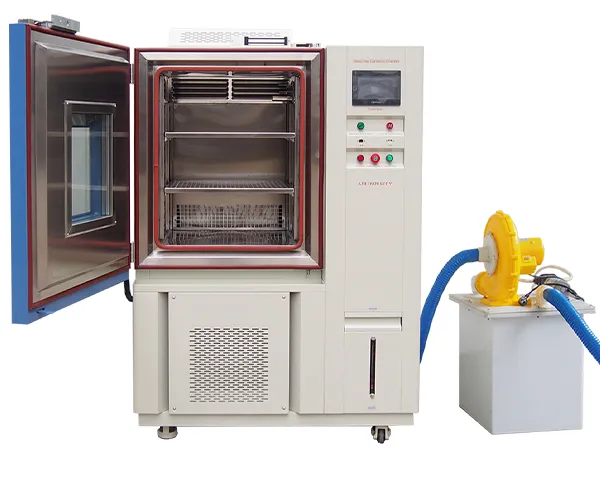
At the heart of pharmaceutical stability testing is the humidity and temperature stability chamber, an indispensable tool for evaluating a drug’s shelf life and compositional integrity under precise environmental conditions. From climatic zones I to IV, where temperature and relative humidity levels vary dramatically, these chambers recreate real-world environmental scenarios to ensure drug safety and efficacy.
But here’s the critical challenge: maintaining uniform, stable temperature and humidity conditions across all sample points. Even minor deviations within these chambers could compromise the results, leading to non-compliance with stringent regulatory guidelines such as ICH Q1A (R2) and 21 CFR Part 11.
The International Council for Harmonization (ICH) provides global guidance for stability testing, designed to ensure drug safety and efficacy. ICH Q1A (R2)—the bedrock document for stability testing—outlines environmental conditions that pharmaceutical products must withstand to secure regulatory approval.
| Study Type | Storage Conditions | Duration |
|---|---|---|
| Long-term | 25°C ± 2°C / 60% RH ± 5% RH | 12 months |
| Intermediate | 30°C ± 2°C / 65% RH ± 5% RH | 6 months |
| Accelerated | 40°C ± 2°C / 75% RH ± 5% RH | 6 months |
For pharmaceutical R&D labs, precise conditions are non-negotiable. After a door is opened during sample loading or unloading, your humidity chamber must recalibrate swiftly. A delay or uneven distribution of temperature and humidity levels could result in erroneous data that fails to meet ICH Q1A (R2) thresholds.
Climatic Zones: Testing products for climatic zones I (temperate) through IV (hot/humid) is essential for global distribution and compliance.
Data Validation: Ensuring your chamber can reliably meet strict environmental conditions over years of testing is the foundation of robust product stability data.
Performing a meticulous temperature and humidity mapping across multiple points within the chamber verifies that there are no "dead spots" or inconsistent environmental conditions. Without this level of accuracy, some samples may experience inadequate conditions, jeopardizing the entire stability study.
Environmental stability requires dependable capacitive sensors or chilled-mirror hygrometers, paired with real-time feedback systems capable of maintaining temperature and humidity within allowable tolerances. Any delay in responding to fluctuations risks non-compliance with ICH standards.
Humidity precision depends significantly on water quality. Poorly filtered water with high mineral content can lead to scale buildup in the humidity chamber’s evaporator, reducing efficiency and causing unexpected downtime. Opt for chambers equipped with deionized or distilled water compatibility to extend sensor lifespan and boost performance.
In the pharmaceutical industry, meeting 21 CFR Part 11 is not optional—it’s a mandate. This regulation governs electronic records management, laying out strict standards for audit trails, electronic signatures, and data security.
Modern humidity chambers must integrate seamlessly with Laboratory Information Management Systems (LIMS) to ensure tamper-proof, fully traceable data logging. A robust chamber will not only control environmental variables but also automatically save and document all critical data in a compliance-ready format.
Through secure electronic signatures, quick recovery reports, and automated deviations logging, compliant humidity and temperature stability chambers reduce your risk during regulatory inspections and audits.
Expert Tip: Incorporate management of change (MoC) protocols for your chamber’s settings to align with best practices in GMP-compliant environments.
Long-term stability testing demands stringent controls and zero tolerance for sample loss. Features such as dual-cooling systems, backup environmental controls, and redundant sensors ensure that your valuable stability data remains secure even during unexpected shutdowns or mechanical disparities. This is especially critical for long-term stability studies conducted over 2–5 years.
Choosing the right chamber requires balancing technical precision with regulatory requirements. Here's what to prioritize:
Climatic Zone Readiness: Can the chamber handle Zones III (hot/dry) and IV (hot/humid) to meet ICH guidelines for global markets?
Validation Protocols: Are Installation Qualification (IQ), Operational Qualification (OQ), and Performance Qualification (PQ) documents part of the package?
Easy Maintenance: Does it feature automated alarms, dehumidifiers resistant to condensation, and accessible service components to minimize downtime?
Data Compliance: Is the chamber compatible with LIMS, and does it support tamper-proof audit trails?
When it comes to pharmaceutical R&D, the stakes couldn’t be higher. From maintaining drug efficacy to passing regulatory audits, your stability testing processes—and the humidity chambers you rely on—must leave no room for error. The right humidity and temperature stability chamber doesn’t just replicate environmental conditions; it acts as a bridge between your engineering precision and regulatory approval.
As your partner in pharmaceutical stability, LIB Industry offers cutting-edge humidity and temperature stability chambers engineered to exceed ICH and FDA requirements. Ensure global compliance with our advanced technology designed to meet the rigorous demands of pharmaceutical testing.
Contact us today to discuss your laboratory's stability testing challenges and let us help you future-proof your R&D process.
 English
 русский
 français
 العربية
 Deutsch
 Español
 한국어
한국어 italiano
 tiếng việt
 ไทย
ไทย Indonesia