In industries such as aerospace, semiconductor manufacturing, battery research, and materials science, maintaining temperatures at extreme lows is about more than just “getting cold.” At -120°C, processes require precise thermal stability and reliability to ensure accurate testing and product durability under stress. Achieving this level of temperature control without fluctuations is a feat of engineering that bridges theoretical physics with cutting-edge industrial applications.
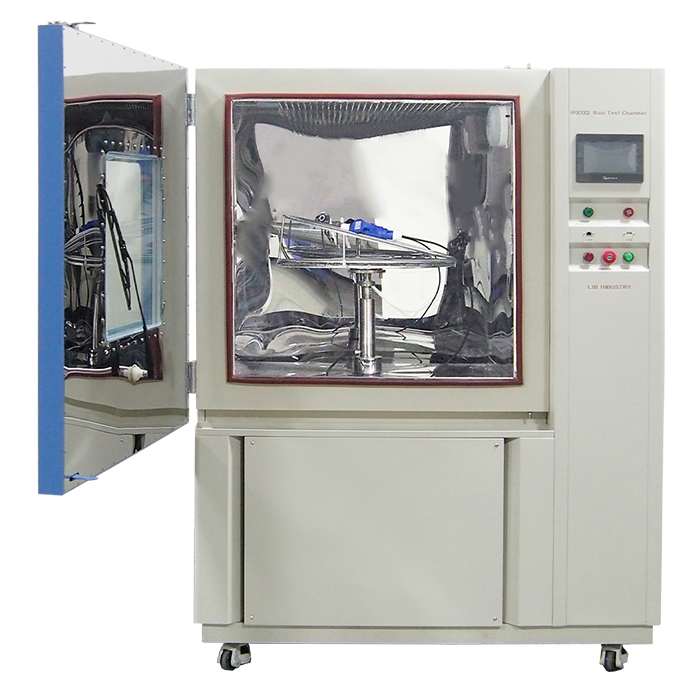
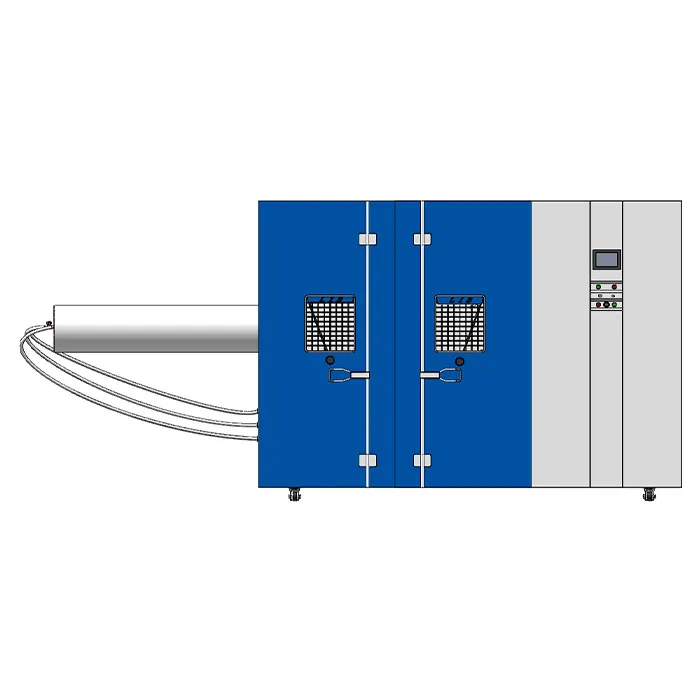
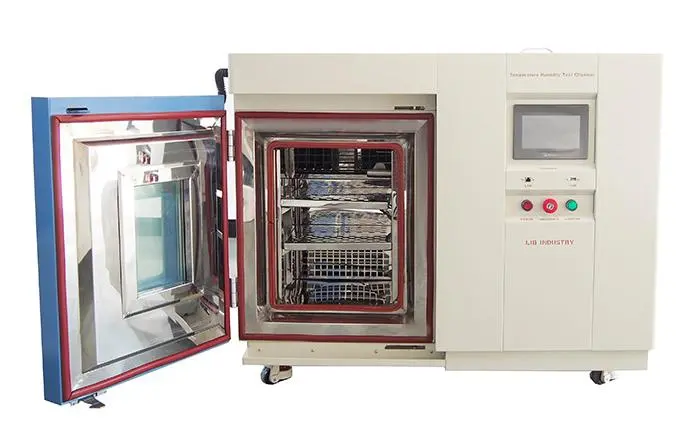
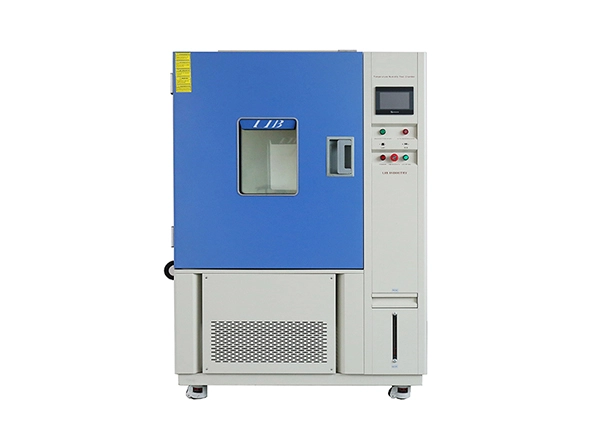
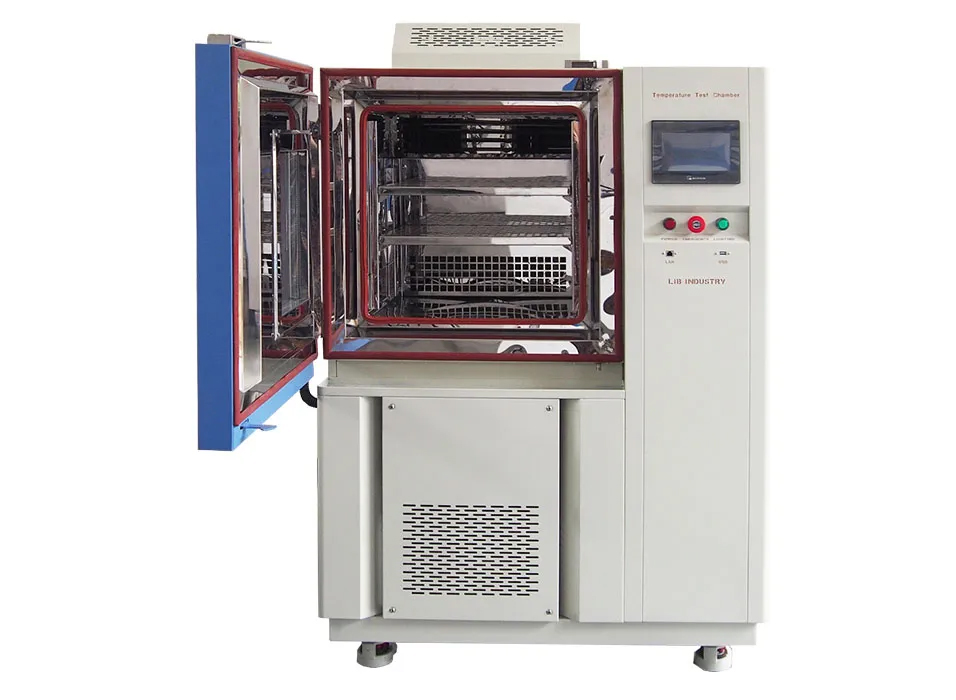
A cryogenic test chamber is a specialized system designed to simulate ultra-low temperatures for industrial and scientific testing. Unlike standard freezers or temperature-controlled environments, cryogenic chambers push the limits by achieving temperatures where materials behave entirely differently—metals contract, polymers enter their glass-transition phase, and batteries need to perform amidst challenging cold extremes.
But hitting -120°C isn’t easy. Challenges such as thermal leakage, material brittleness, and sensor calibration make this level of control significantly harder than reaching -40°C or even -80°C. So, how do cryogenic test chambers overcome these hurdles? In this blog, we’ll break down the mechanics, technology, and real-world applications of achieving precision at such extreme temperatures.
When it comes to achieving -120°C stability, cryogenic test chambers rely on two primary cooling mechanisms, each with unique advantages.
Liquid Nitrogen (LN2) injection is one of the fastest methods for achieving sub-zero temperatures. With pulsed LN2 supplied via solenoid valves, the chamber can rapidly "pull down" to the desired test temperature. LN2 vaporizes at -196°C, making it an ideal coolant for cryogenic applications.
Pro Tip for Engineers: LN2 systems shine during quick temperature cycle tests where speed and efficiency matter. However, stability can sometimes be affected due to rapid phase changes that require meticulous airflow and advanced PID controllers.
Cascade refrigeration systems use multiple hermetic compressors to deliver ultra-low temperature environments through a series of coolant stages. The first stage cools using common refrigerants like R404A, while the second stage operates with specialized refrigerants, such as R23, designed for cryogenic ranges.
Reliability Insight: Mechanical refrigeration typically provides better long-term stability over extended soak tests. This makes it ideal for processes where temperature uniformity is critical—like material testing or performance validation of components under prolonged exposure.
For projects requiring prolonged stability (±0.5°C variances over hours or days), cascade systems often have an edge. LN2 systems, while faster overall, may require higher operational oversight due to potential fluctuations. Ultimately, the choice depends on specific application needs, which underscores the importance of understanding your facility's requirements before choosing a system.
Achieving sub-zero temperatures is only half the challenge; modern cryogenic chambers must also maintain accuracy down to fractions of a degree amidst environmental and mechanical disturbances. This is where cutting-edge engineering shines.
Thermal leakage is the enemy of stability. Cryogenic chambers combat this with high-density polyurethane foam and vacuum seals that prevent external heat transfer. A poorly insulated chamber not only struggles to maintain temperature but also consumes excessive energy, driving up operational costs.
Temperature uniformity within the chamber is paramount, especially when testing temperature-sensitive materials. Without optimized airflow, fan motor heat can disrupt stability—a silent but significant issue. By using specially designed centrifugal fans with advanced aerodynamic blades, cryogenic chambers ensure even distribution of cold air for unmatched uniformity.
At the heart of every high-quality cryogenic test chamber lies the Proportional-Integral-Derivative (PID) algorithm. This system continuously monitors fluctuations and anticipates temperature drift before it occurs, allowing the chamber to "think ahead" and offset potential drops or rises. Particularly useful for soak tests, PID systems ensure reliability through predictive and adaptive stability.
Materials undergo dramatic changes at extreme temperatures, and chambers must be designed not only to maintain stability but also to avoid self-damage.
Cryogenic chamber interiors are typically constructed from durable Grade 304 or 316 Stainless Steel, which offers excellent thermal contraction resistance. The welding and surface treatment processes for these chambers are critical, as improper material handling can lead to cracking or structural failure over time.
Another key factor is the design of seals and fittings, as certain polymers may shrink or warp at cryogenic temperatures—potentially compromising vacuum integrity and performance. This attention to material engineering is why LIB Industry’s cryogenic test chambers are globally recognized for durability. Discover how LIB designs its cryogenic test chambers to withstand the rigors of deep-cold testing.
The ability to maintain precise sub-zero conditions opens up testing opportunities for critical industries, such as:
Aerospace: Systems such as avionics and space-bound materials are exposed to cryogenic temperatures that simulate the vacuum environment of outer space. Stability testing ensures proper functionality despite extreme cold.
Battery Technology: Electric vehicle (EV) batteries encounter challenging winter climates worldwide. Testing these batteries at -120°C helps engineers design reliable power systems for extreme weather.
Material Science: Polymers and composite materials undergo “glass transition” at specific cryogenic temperatures, creating invaluable insights into product behavior across different environments.
Precision performance depends not only on superior design but also on proper maintenance. Cryogenic test chambers must adhere to ISO 17025 calibration standards, ensuring sensors and controllers offer the reliable accuracy engineers expect during testing.
One overlooked aspect is moisture management. Ice buildup on critical sensors can impair measurements, particularly during prolonged testing sessions. Regular defrost cycles and advanced chamber designs mitigate these issues, saving time and preserving accuracy.
The science behind cryogenic test chambers represents an elegant blend of precision engineering and applied physics. For industries where stability matters more than minimum temperature, advanced airflow management, PID systems, and cascade cooling technologies redefine what's possible in R&D testing.
Ready to push the limits of extreme cold testing? Explore our high-stability cryogenic test chambers at LIB Industry and see how engineering expertise meets user-centric design for your next big breakthrough.
 English
 русский
 français
 العربية
 Deutsch
 Español
 한국어
한국어 italiano
 tiếng việt
 ไทย
ไทย Indonesia