 Outdoor photovoltaic and communication cables are exposed to sunlight, heat, humidity, rain, and temperature changes throughout their service life. These conditions can gradually cause sheath cracking, discoloration, embrittlement, loss of mechanical strength, and deterioration of electrical performance.
For cable manufacturers, waiting years for natural exposure results is impractical. A Xenon Weatherometer provides accelerated weathering under controlled laboratory conditions by simulating solar radiation together with temperature, humidity, and water exposure. LIB industry provides Xenon Weatherometer solutions that can be configured around applicable cable standards and customer test protocols.
EN 50618 applies to electric cables used in photovoltaic systems and includes requirements for weathering and UV resistance of cable sheaths. Its weathering evaluation references EN 50289-4-17 Method A for artificial UV exposure.
EN 50289-4-17 specifies artificial UV resistance test methods for electrical and optical cable sheath materials. Method A uses a xenon arc light source, while alternative methods use other artificial UV sources. The appropriate method depends on the applicable cable and test requirement.
Standard | Application | Key Evaluation | Important Test Parameters |
EN 50618 | Photovoltaic cables | Sheath weathering/UV resistance and mechanical property retention | 720 h / 360 cycles; UV + water exposure; ≥70% retention of tensile strength and elongation |
EN 50289-4-17 | Electrical and optical communication cables | UV resistance of sheath materials | Method A: xenon arc; Methods B/C: alternative UV sources; water exposure for applicable outdoor methods |
For the EN 50618 weathering procedure referenced in the standard, the exposure duration is 720 hours / 360 cycles, followed by mechanical property evaluation. The tensile strength and elongation of exposed specimens are compared with unexposed specimens.
For laboratory equipment, this means the weathering system should provide stable control of key conditions such as irradiance, temperature, humidity, water spray, and exposure duration. The exact configuration should always be confirmed against the applicable standard edition and test procedure.
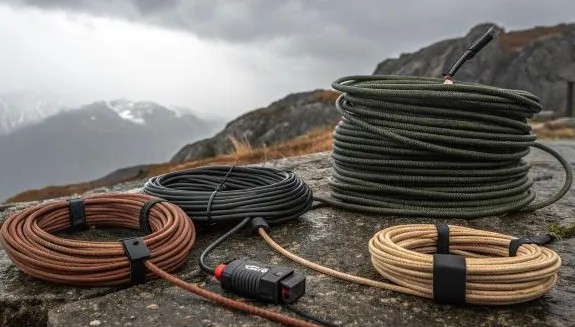 Outdoor cables are exposed to multiple environmental stresses simultaneously. Solar radiation can accelerate polymer degradation, while heat, moisture, and repeated wetting and drying can further affect the sheath.
A Xenon Weatherometer allows these factors to be reproduced in a controlled and repeatable environment. Compared with long-term outdoor exposure, laboratory weathering provides better control over test conditions and makes material comparison more practical.
For cable manufacturers, the key benefits include:
Broad-spectrum solar simulation from a xenon arc lamp
Adjustable irradiance for controlled light exposure
Temperature and humidity control
Water spray for simulated rainfall
Programmable exposure cycles
Repeatable conditions for comparing cable materials
The resulting data can support material selection, product development, quality verification, and outdoor durability assessment.
PV cables are expected to remain functional under prolonged outdoor exposure. Weathering evaluation therefore focuses strongly on sheath durability and the ability to retain mechanical properties after artificial aging.
Typical evaluations include:
Tensile strength retention
Elongation-at-break retention
Surface cracking and embrittlement
Discoloration or visible degradation
Electrical or insulation performance where specified
By comparing exposed and unexposed specimens, manufacturers can determine whether the cable sheath maintains its required properties after accelerated weathering.
Outdoor communication and optical cables can also experience UV-induced degradation. EN 50289-4-17 provides artificial UV aging methods for evaluating cable sheath materials.
Depending on the applicable method, testing may assess changes in mechanical characteristics, appearance, color, and other specified properties. This helps manufacturers evaluate whether sheath materials can maintain their protective function during outdoor service.
LIB industry designs Xenon Weatherometer solutions around the environmental conditions and specimen arrangements required by the customer's testing program.
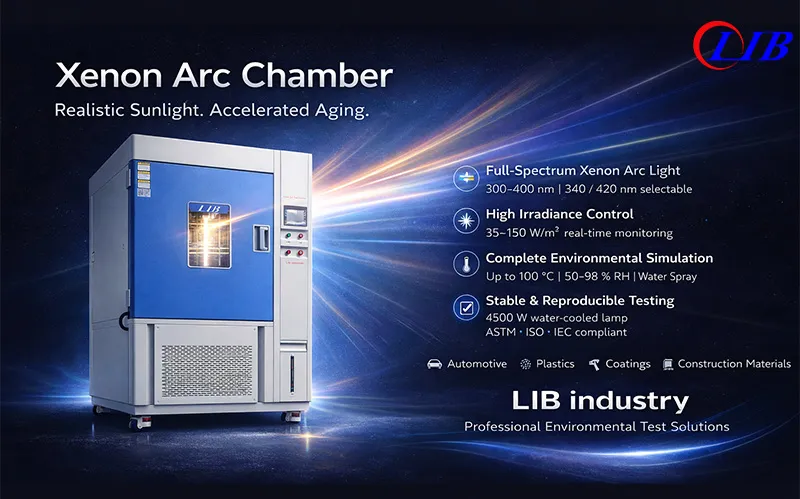
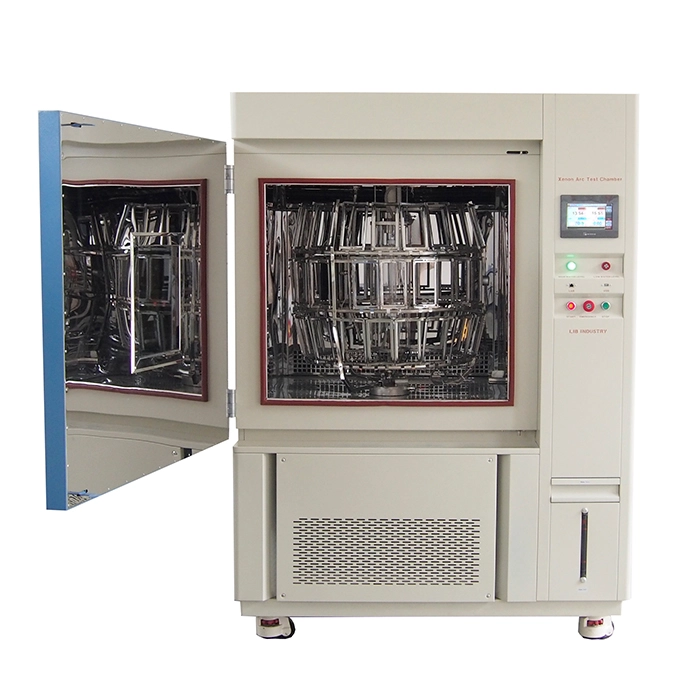
The XL-S-750 uses a rotating specimen holder with capacity for up to 42 specimens. This arrangement allows multiple cable or material specimens to be exposed within the same test program while maintaining consistent movement through the exposure area.
The programmable color LCD touchscreen controller allows operators to set the main environmental conditions.
The XL-S-750 provides an irradiance range of 35–150 W/m², with measurement bandwidth options covering 300–400 nm, including 340 nm or 420 nm monitoring. Chamber temperature can be controlled from ambient to 100°C, while black panel temperature can be adjusted from 35–85°C. Humidity is controllable from 50–98% RH.
These parameters can be configured according to the applicable test standard and customer test protocol.
The chamber uses a 4500 W water-cooled xenon arc lamp as its radiation source. The water spray system provides programmable spray cycles from 1 hour to 9999 hours 59 minutes, allowing the exposure program to be adapted to different weathering requirements.
An automatic water supply and purification system helps maintain stable water conditions during testing.
The integrated UV radiometer has a tolerance of ±5%, helping users monitor radiation conditions during exposure.
After the weathering cycle, cable specimens can be evaluated through mechanical testing, appearance inspection, electrical measurements, or other evaluations specified by the applicable test method. Comparing pre- and post-exposure results provides a clearer indication of material durability.
If your laboratory needs accelerated weathering equipment for photovoltaic cables, communication cables, sheath materials, or other outdoor polymer products, LIB industry can provide the XL-S-750 Xenon Weatherometer as a complete environmental simulation solution.
The equipment combines a 4500 W water-cooled xenon arc lamp, adjustable 35–150 W/m² irradiance, temperature control up to 100°C, 50–98% RH humidity control, programmable water spray, and UV radiation monitoring in one system.
Feature | Value for Cable Weathering |
4500 W water-cooled xenon lamp | Provides stable artificial solar radiation |
35–150 W/m² irradiance | Supports controlled radiation exposure |
Ambient–100°C chamber temperature | Enables elevated-temperature weathering |
35–85°C black panel temperature | Controls specimen surface exposure temperature |
50–98% RH | Provides controlled moisture conditions |
Programmable water spray | Simulates wetting and rainfall |
42-specimen rotating holder | Supports efficient multi-sample testing |
UV radiometer, ±5% tolerance | Monitors UV exposure conditions |
Programmable touchscreen controller | Simplifies automated test-cycle management |
Cable specimens can differ considerably in length, diameter, material construction, and mounting requirements. LIB can adapt specimen holders, chamber configurations, and control settings to accommodate different laboratory arrangements.
If a customer has a specific EN 50618, EN 50289, or internal test protocol, LIB engineers can review the required exposure conditions and recommend a suitable equipment configuration.
Need a Xenon Weatherometer for cable reliability testing? Send LIB industry your applicable standard, specimen dimensions, exposure conditions, and testing objectives for a suitable solution.
Explore LIB Xenon Weatherometer
LIB industry focuses on environmental simulation and accelerated aging equipment for manufacturers, laboratories, and research organizations.
The advantage is not limited to the chamber itself. LIB can provide customized specimen fixtures, environmental control configurations, and test arrangements based on actual application requirements.
LIB also provides a 3-year warranty and lifetime technical support, helping customers maintain reliable equipment operation after installation.
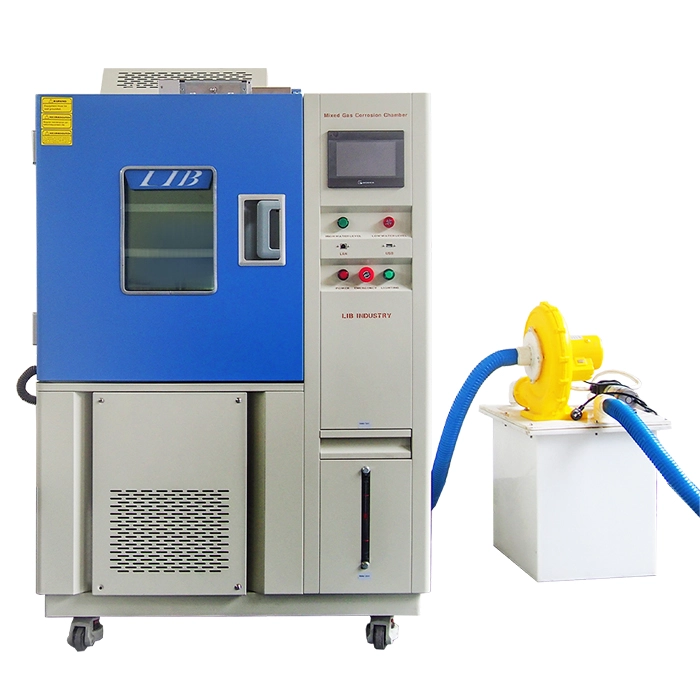
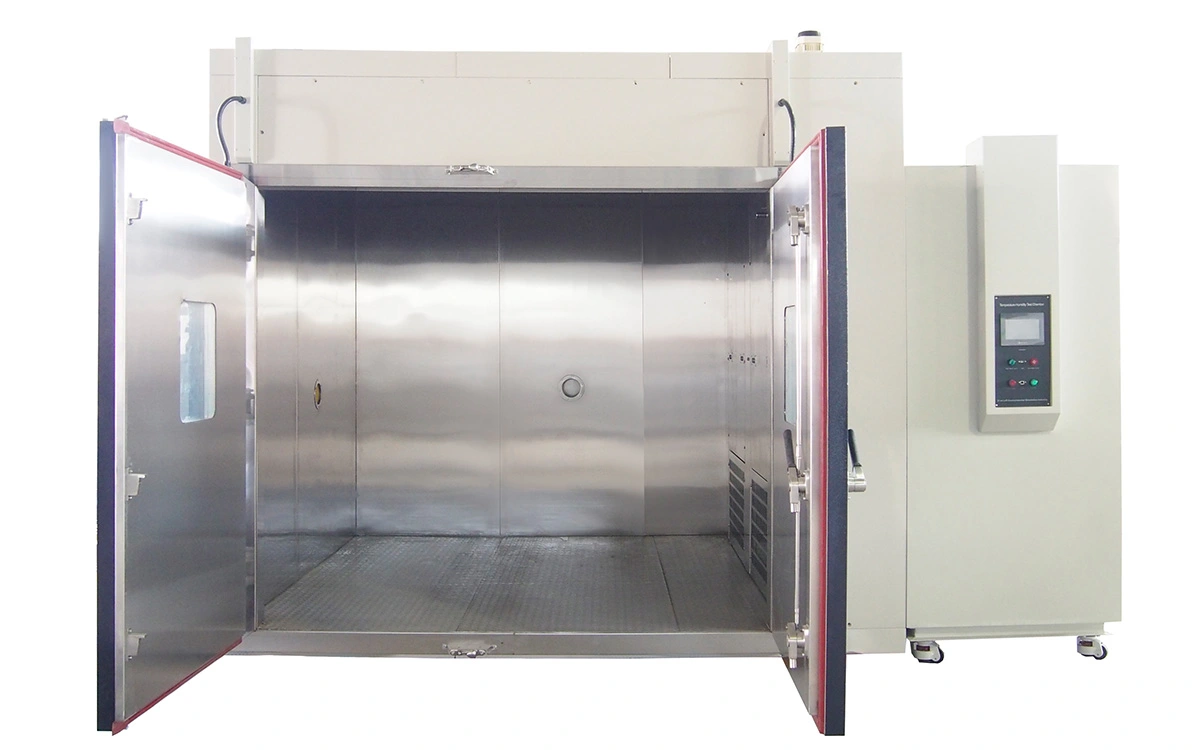
Cable reliability programs often require more than one environmental stress test. LIB industry also provides complementary equipment for evaluating UV, temperature, humidity, and corrosion resistance.
|
|
|
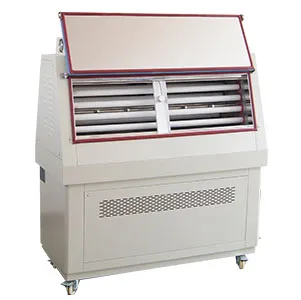
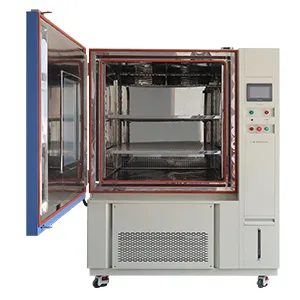
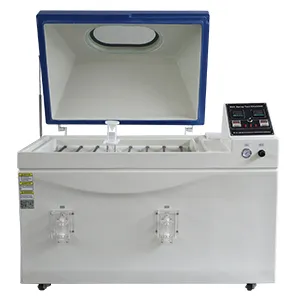
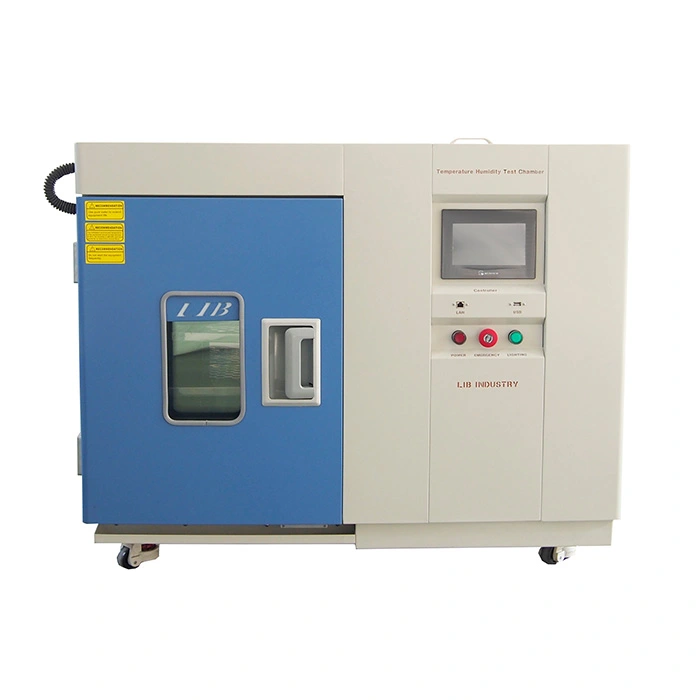
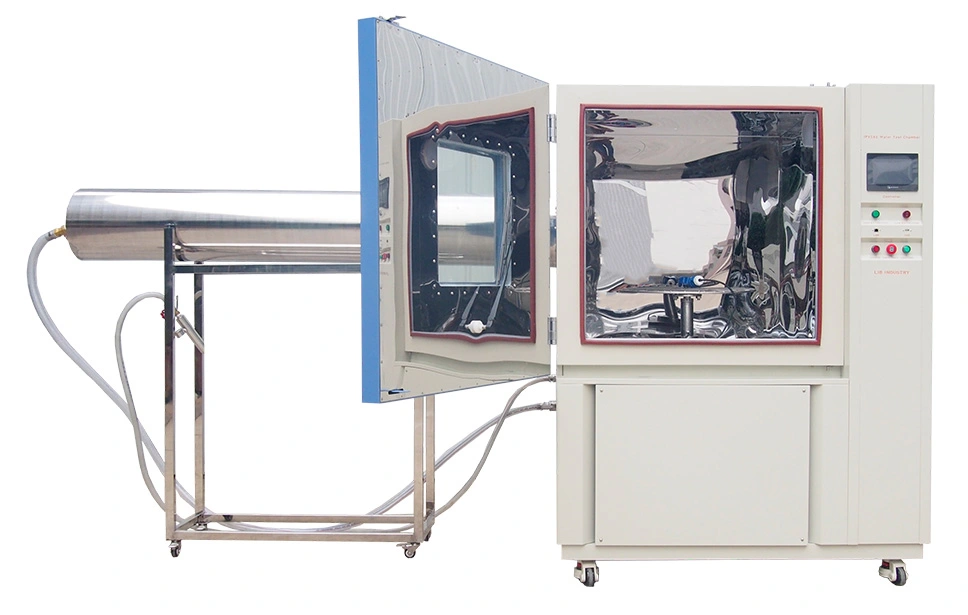
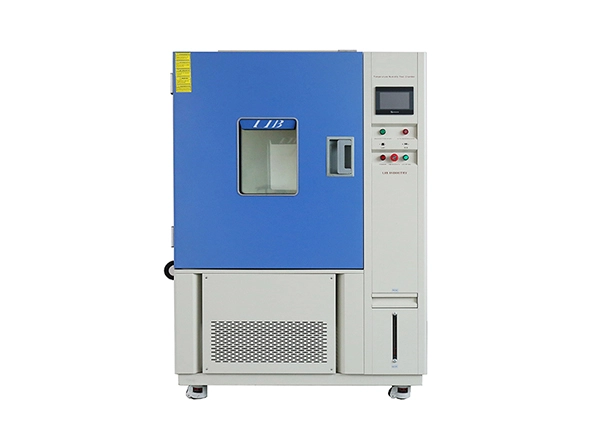
UV Aging Test ChamberA UV Aging Test Chamber is suitable for laboratories that need focused fluorescent-UV exposure rather than xenon full-spectrum weathering. It can be used for comparative evaluation of polymer insulation and sheath materials under UV, temperature, humidity, and water exposure. | Temperature & Humidity Test ChamberA Temperature & Humidity Test Chamber evaluates cable materials and components under controlled thermal and moisture conditions. LIB models can provide temperature ranges down to -70°C and up to +150°C, with humidity control available from 20–98% RH on applicable models. | Salt Spray Test ChamberFor cable assemblies containing metal connectors, terminals, coatings, or other corrosion-sensitive components, a Salt Spray Test Chamber can complement weathering evaluation by focusing on corrosion resistance under controlled salt-fog exposure. |
Reliable outdoor cables need to withstand prolonged exposure to solar radiation, heat, moisture, and rain. EN 50618 addresses weathering requirements relevant to photovoltaic cables, while EN 50289-4-17 provides artificial UV aging methods for electrical and optical cable sheath materials.
A properly configured Xenon Weatherometer enables manufacturers to reproduce controlled radiation and environmental exposure and then evaluate changes in cable performance.
With adjustable irradiance, temperature, humidity, water spray, UV monitoring, and customized specimen arrangements, LIB industry provides Xenon Weatherometer solutions that help cable manufacturers convert outdoor reliability requirements into repeatable laboratory testing.
A Xenon Weatherometer accelerates outdoor weathering evaluation by simulating solar radiation while controlling temperature, humidity, and water exposure. It helps manufacturers study material degradation under repeatable laboratory conditions.
The XL-S-750 provides the key environmental controls required for xenon-based weathering exposure, including adjustable irradiance, temperature, humidity, and water spray. The final configuration and test program should be confirmed against the applicable EN 50618 requirements and referenced test method.
EN 50618 applies to electric cables for photovoltaic systems and references EN 50289-4-17 Method A for its weathering/UV resistance evaluation. EN 50289-4-17 provides artificial UV aging methods for electrical and optical cable sheath materials.
Start with the applicable standard and test method, then identify required irradiance, temperature, humidity, water spray, exposure duration, specimen dimensions, and post-test evaluation. LIB industry can recommend a suitable configuration based on these requirements.
LIB industry provides a 3-year warranty and lifetime technical support, including remote troubleshooting and maintenance assistance. After the warranty period, only replacement parts are charged.
 English
 русский
 français
 العربية
 Deutsch
 Español
 한국어
한국어 italiano
 tiếng việt
 ไทย
ไทย Indonesia