

_Compliance_Guide_How_LIB_Industry_Stability_Chambers_Accelerate_Pharmaceutical_Registration2_20251230154049.webp "ICH Q1A(R2) Compliance Guide: How LIB Industry Stability Chambers Accelerate Pharmaceutical Registration") ICH Q1A(R2) Compliance Guide: How LIB Industry Stability Chambers Accelerate Pharmaceutical Registration
Why ICH Q1A(R2) Compliance Is Critical for Pharmaceutical Stability StudiesIn the pharmaceutical industry, stability testing is not a routine laboratory task—it is a decisive step that directly impac...
ICH Q1A(R2) Compliance Guide: How LIB Industry Stability Chambers Accelerate Pharmaceutical Registration
Why ICH Q1A(R2) Compliance Is Critical for Pharmaceutical Stability StudiesIn the pharmaceutical industry, stability testing is not a routine laboratory task—it is a decisive step that directly impac...
 ISO 20653: Why LIB Industry’s IPX9K Test Chamber is the Automotive-Grade Choice
Industry InsightsRiding the Industry WaveWith the rapid growth of new energy vehicles and autonomous driving technologies, critical components such as sensors, battery packs, and connectors face unpre...
ISO 20653: Why LIB Industry’s IPX9K Test Chamber is the Automotive-Grade Choice
Industry InsightsRiding the Industry WaveWith the rapid growth of new energy vehicles and autonomous driving technologies, critical components such as sensors, battery packs, and connectors face unpre...
 From –120°C to Absolute Safety: How LIB Industry High-Precision Cryogenic Chambers Redefine Extreme Low-Temperature Testing
When testing conditions push beyond conventional limits, extreme low temperature is no longer just a parameter—it becomes a critical risk factor. At temperatures as low as –120°C, even minor instab...
From –120°C to Absolute Safety: How LIB Industry High-Precision Cryogenic Chambers Redefine Extreme Low-Temperature Testing
When testing conditions push beyond conventional limits, extreme low temperature is no longer just a parameter—it becomes a critical risk factor. At temperatures as low as –120°C, even minor instab...
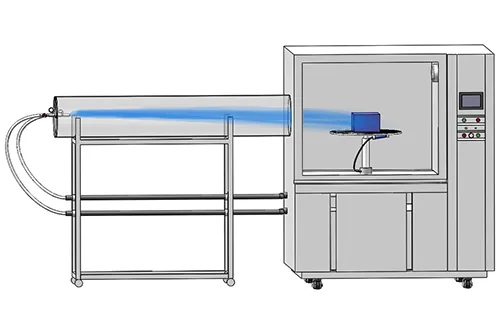 From Dust to High-Pressure Water: Why the LIB Industry IP65 Tester Solution Is the First Choice for Laboratory Expansion
As products increasingly move toward outdoor, industrial, and automotive applications, Ingress Protection (IP) testing has become essential for modern laboratories. Among all protection levels, IP65 i...
From Dust to High-Pressure Water: Why the LIB Industry IP65 Tester Solution Is the First Choice for Laboratory Expansion
As products increasingly move toward outdoor, industrial, and automotive applications, Ingress Protection (IP) testing has become essential for modern laboratories. Among all protection levels, IP65 i...
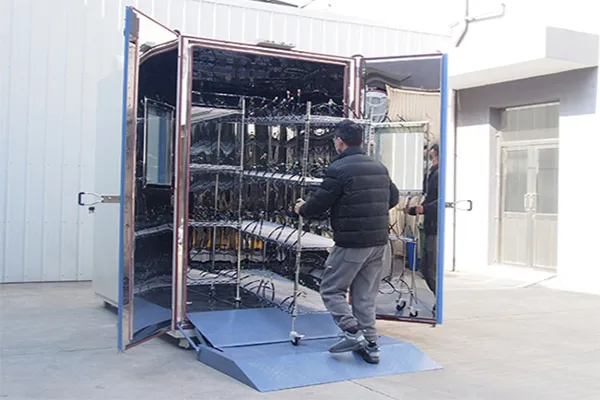 Temperature Test Chamber Solutions for High-Load Electronic Testing
Proven RTU Aging Case by LIB IndustryIntroduction: Addressing the Challenges of High-Load Electronic TestingModern electronic devices are no longer tested under idle or no-load conditions.Products suc...
Temperature Test Chamber Solutions for High-Load Electronic Testing
Proven RTU Aging Case by LIB IndustryIntroduction: Addressing the Challenges of High-Load Electronic TestingModern electronic devices are no longer tested under idle or no-load conditions.Products suc...
 Benchmarking ASTM G154: Application of High-Irradiance UV Weathering Chambers in the Modified Plastics Industry
Introduction: The Real Risk Behind ASTM G154: Hidden Degradation of Modified PlasticsIn real-world applications of modified plastics, product failure is rarely caused by insufficient mechanical design...
Benchmarking ASTM G154: Application of High-Irradiance UV Weathering Chambers in the Modified Plastics Industry
Introduction: The Real Risk Behind ASTM G154: Hidden Degradation of Modified PlasticsIn real-world applications of modified plastics, product failure is rarely caused by insufficient mechanical design...
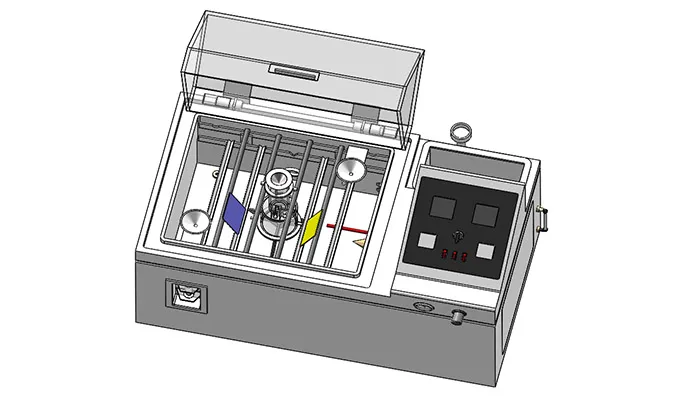 How LIB industry Salt Spray Chamber Ensures Accurate ASTM B117 Corrosion Testing for PPGI
Introduction: Why ASTM B117 Is Essential for PPGI Corrosion EvaluationPre-painted galvanized iron (PPGI) is widely used in construction, home appliances, steel structures, and industrial enclosures. W...
How LIB industry Salt Spray Chamber Ensures Accurate ASTM B117 Corrosion Testing for PPGI
Introduction: Why ASTM B117 Is Essential for PPGI Corrosion EvaluationPre-painted galvanized iron (PPGI) is widely used in construction, home appliances, steel structures, and industrial enclosures. W...
 Two-Zone vs. Three-Zone: Choosing the Right Thermal Shock Chamber for Your Lab
Introduction: Why Reliability Testing Demands SpeedThe Technical Challenge: Why Thermal Shock Is Non-NegotiableIn modern electronics, automotive, and aerospace products, materials with mismatched Coef...
Two-Zone vs. Three-Zone: Choosing the Right Thermal Shock Chamber for Your Lab
Introduction: Why Reliability Testing Demands SpeedThe Technical Challenge: Why Thermal Shock Is Non-NegotiableIn modern electronics, automotive, and aerospace products, materials with mismatched Coef...
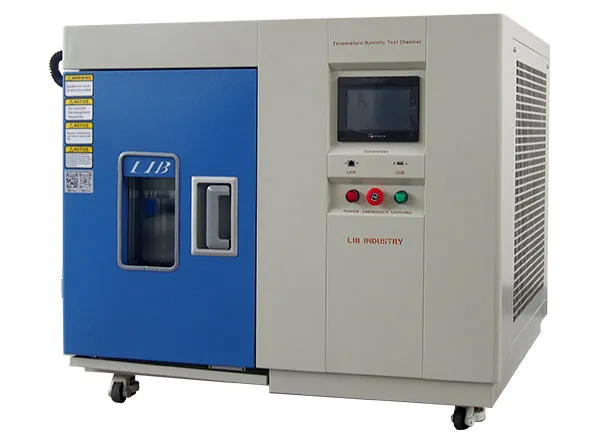 Precision Is Everything: Why Temperature Stability Is the Soul of Your 50L Benchtop Environmental Chamber
Introduction — When One Degree Changes EverythingIn environmental testing, one degree is never “just one degree.”For sensitive electronic components, medical devices, advanced materials, or precisi...
Precision Is Everything: Why Temperature Stability Is the Soul of Your 50L Benchtop Environmental Chamber
Introduction — When One Degree Changes EverythingIn environmental testing, one degree is never “just one degree.”For sensitive electronic components, medical devices, advanced materials, or precisi...
 How to Choose the Temperature Humidity Laboratory Climatic Test Chamber for Moisture-Absorbent Materials
Choosing the right temperature humidity laboratory climatic test chamber is not about selecting the widest temperature range or the most complex configuration.For laboratories working with moisture-ab...
How to Choose the Temperature Humidity Laboratory Climatic Test Chamber for Moisture-Absorbent Materials
Choosing the right temperature humidity laboratory climatic test chamber is not about selecting the widest temperature range or the most complex configuration.For laboratories working with moisture-ab...
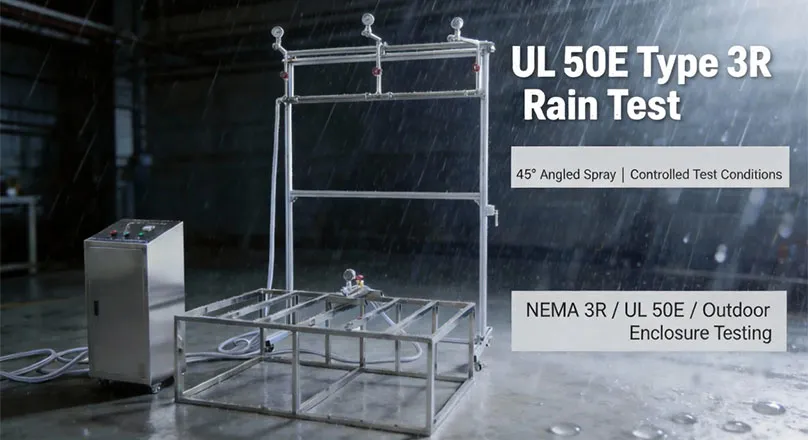 How to Achieve NEMA 3R Compliance with a Professional UL Rain Test Apparatus From LIB Industry?
For manufacturers entering the North American market, NEMA 3R compliance under UL 50E is often the first and most critical certification milestone.Products such as meter boxes, junction boxes, disconn...
How to Achieve NEMA 3R Compliance with a Professional UL Rain Test Apparatus From LIB Industry?
For manufacturers entering the North American market, NEMA 3R compliance under UL 50E is often the first and most critical certification milestone.Products such as meter boxes, junction boxes, disconn...
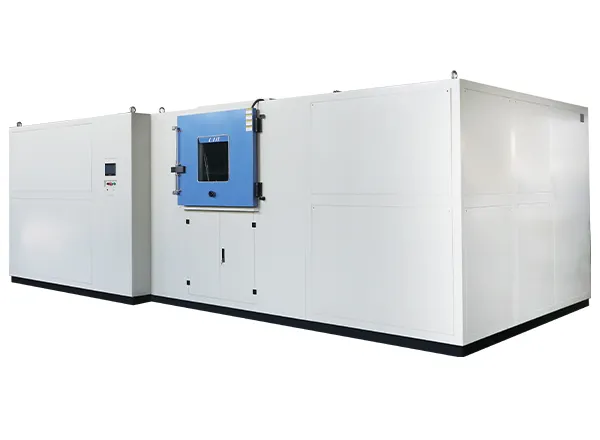 MIL-STD-810H Method 510 Blowing Sand and Dust Test Chamber: A Complete Qualification Guide
Introduction — The Hidden Cost of Failing Sand and Dust QualificationIn harsh desert and industrial environments, failure rarely happens all at once.It starts with dust infiltration, escalates to san...
MIL-STD-810H Method 510 Blowing Sand and Dust Test Chamber: A Complete Qualification Guide
Introduction — The Hidden Cost of Failing Sand and Dust QualificationIn harsh desert and industrial environments, failure rarely happens all at once.It starts with dust infiltration, escalates to san...
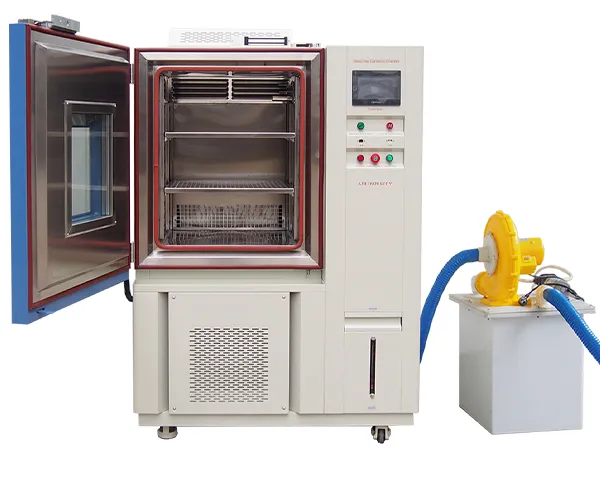 Noxious Gas Test Chamber Selection Guide: Single Gas vs. Multi-Gas Testing for Accurate Corrosion Simulation
Introduction: The Growing Challenge of Real-World Corrosion SimulationModern electronic components, automotive connectors, aerospace materials, and industrial coatings are exposed to increasingly comp...
Noxious Gas Test Chamber Selection Guide: Single Gas vs. Multi-Gas Testing for Accurate Corrosion Simulation
Introduction: The Growing Challenge of Real-World Corrosion SimulationModern electronic components, automotive connectors, aerospace materials, and industrial coatings are exposed to increasingly comp...
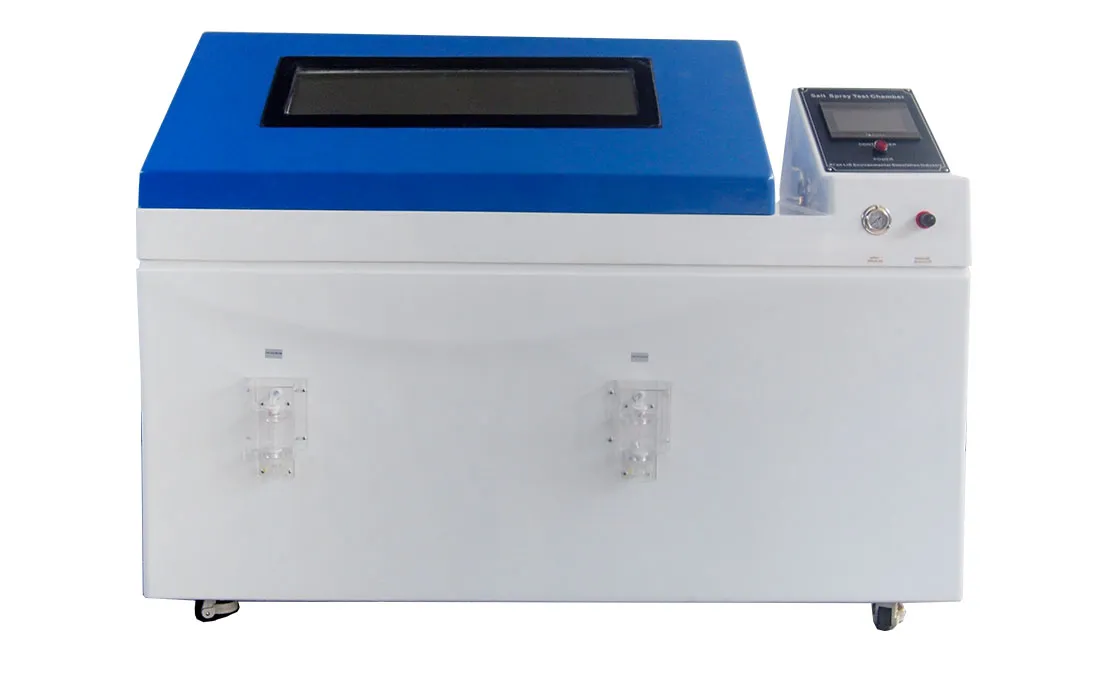 Salt Spray Chamber Maintenance: How to Ensure Uniform Salt Fog Distribution and Accurate Test Results
Whether you are running NSS, AASS, or CASS tests, the credibility of your results depends on one critical factor: uniform salt fog distribution with stable chemistry over time.Yet in real laboratories...
Salt Spray Chamber Maintenance: How to Ensure Uniform Salt Fog Distribution and Accurate Test Results
Whether you are running NSS, AASS, or CASS tests, the credibility of your results depends on one critical factor: uniform salt fog distribution with stable chemistry over time.Yet in real laboratories...
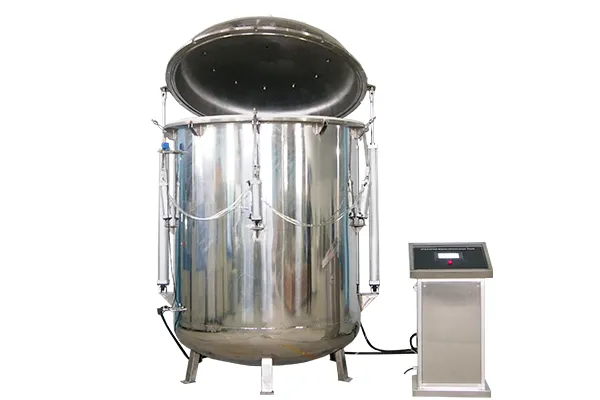 What Is IP68? From Definition to Deep-Water Testing — How Environmental Laboratories Validate True Water Resistance
Introduction: Why IP68 Became the “Gold Standard” — and Why It Still FailsFrom smartphones and wearable electronics to underwater lighting and industrial sensors, ip waterproof performance has beco...
What Is IP68? From Definition to Deep-Water Testing — How Environmental Laboratories Validate True Water Resistance
Introduction: Why IP68 Became the “Gold Standard” — and Why It Still FailsFrom smartphones and wearable electronics to underwater lighting and industrial sensors, ip waterproof performance has beco...
 English
 русский
 français
 العربية
 Deutsch
 Español
 한국어
한국어 italiano
 tiếng việt
 ไทย
ไทย Indonesia





.webp "Why Paint Bubbles Become Filiform Corrosion on Wheels")