
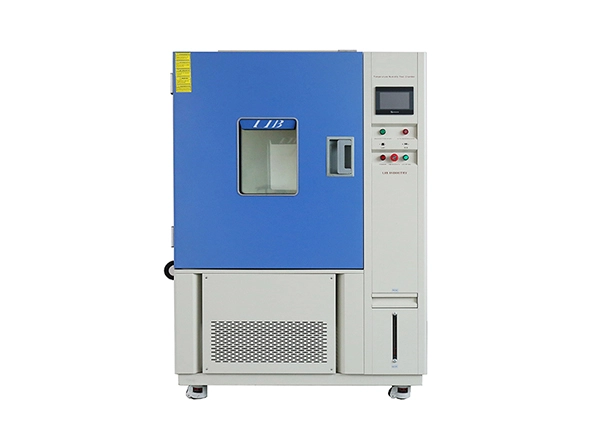
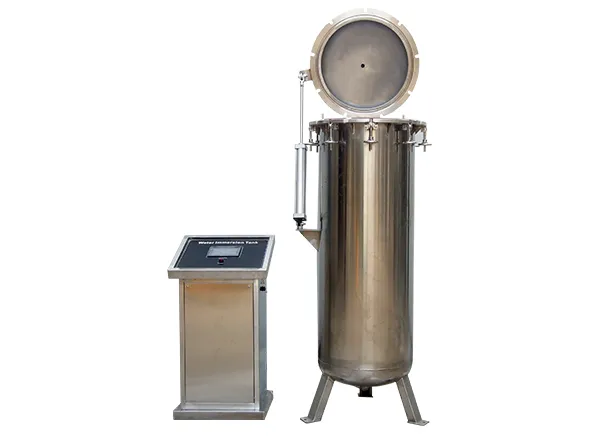
 Water Immersion Test Chamber for Automotive Reliability Testing (IPX7 / IPX8)
A water immersion test chamber is a critical environmental testing system used to evaluate the waterproof performance of automotive components such as sensors, ECUs, connectors, lighting systems, and ...
Water Immersion Test Chamber for Automotive Reliability Testing (IPX7 / IPX8)
A water immersion test chamber is a critical environmental testing system used to evaluate the waterproof performance of automotive components such as sensors, ECUs, connectors, lighting systems, and ...
.webp "Coating Weathering Test Guide: How to Avoid Customer Complaints with UV Accelerated Aging Chambers") Coating Weathering Test Guide: How to Avoid Customer Complaints with UV Accelerated Aging Chambers
Coating Weathering Test Guide: How to Avoid Customer Complaints with UV Accelerated Aging ChambersCoatings and paints may appear stable upon leaving the factory, but once deployed outdoors, they face ...
Coating Weathering Test Guide: How to Avoid Customer Complaints with UV Accelerated Aging Chambers
Coating Weathering Test Guide: How to Avoid Customer Complaints with UV Accelerated Aging ChambersCoatings and paints may appear stable upon leaving the factory, but once deployed outdoors, they face ...
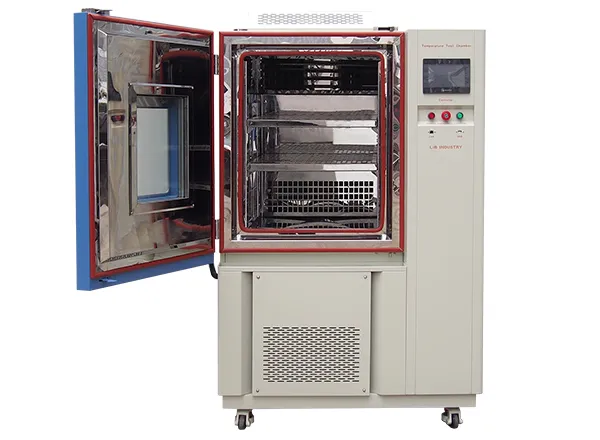 Why Your High-Low Temperature Tests Fail and How to Eliminate False Results
The fundamental purpose of high and low temperature testing is to expose latent design weaknesses before a product reaches the market, a vehicle assembly line, or an unmanned field cabinet.When a comp...
Why Your High-Low Temperature Tests Fail and How to Eliminate False Results
The fundamental purpose of high and low temperature testing is to expose latent design weaknesses before a product reaches the market, a vehicle assembly line, or an unmanned field cabinet.When a comp...
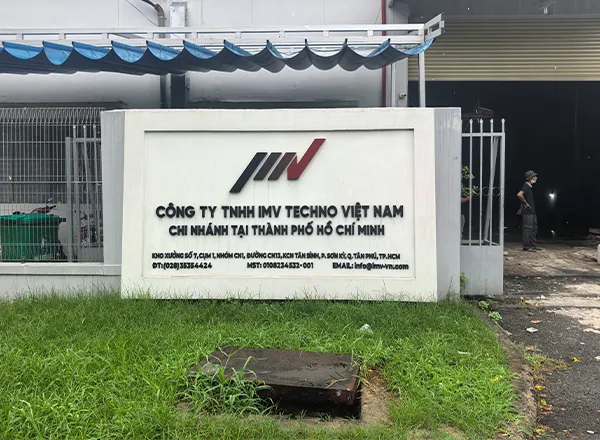 LIB Southeast Asia Service Tour Advanced SC and GCM Corrosion Chambers Empower Automotive Acoustics Testing at Vietnam's IMV
From May 25, LIB Industry initiated a structured after-sales service and inspection visit across Southeast Asia, with Vietnam serving as a key stop in the regional service schedule. The visit focused ...
LIB Southeast Asia Service Tour Advanced SC and GCM Corrosion Chambers Empower Automotive Acoustics Testing at Vietnam's IMV
From May 25, LIB Industry initiated a structured after-sales service and inspection visit across Southeast Asia, with Vietnam serving as a key stop in the regional service schedule. The visit focused ...
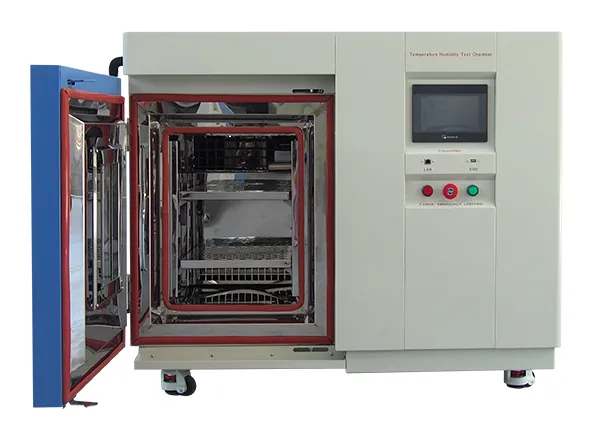 Why Choose a Benchtop Stability Chamber TH-50 TH-80 for Pharmaceutical Research?
In pharmaceutical research and development, stability testing provides the empirical data required to determine how drug quality varies under environmental influences like temperature and humidity. Hi...
Why Choose a Benchtop Stability Chamber TH-50 TH-80 for Pharmaceutical Research?
In pharmaceutical research and development, stability testing provides the empirical data required to determine how drug quality varies under environmental influences like temperature and humidity. Hi...
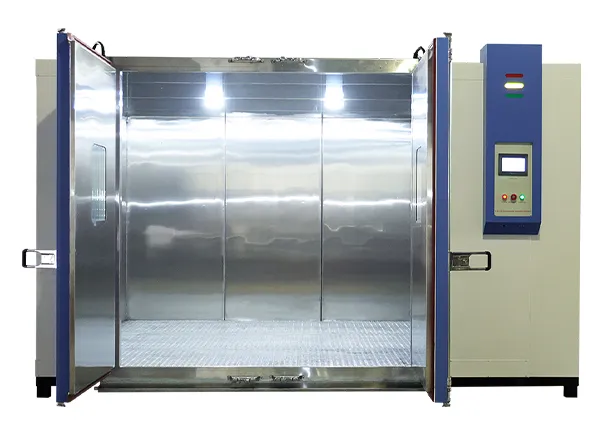 Reach-In vs Walk-In Stability Chamber for Lab Testing
Choosing a stability chamber is not only about physical size. The decision affects sample storage, laboratory workflow, validation activities, energy consumption, maintenance, and long-term data quali...
Reach-In vs Walk-In Stability Chamber for Lab Testing
Choosing a stability chamber is not only about physical size. The decision affects sample storage, laboratory workflow, validation activities, energy consumption, maintenance, and long-term data quali...
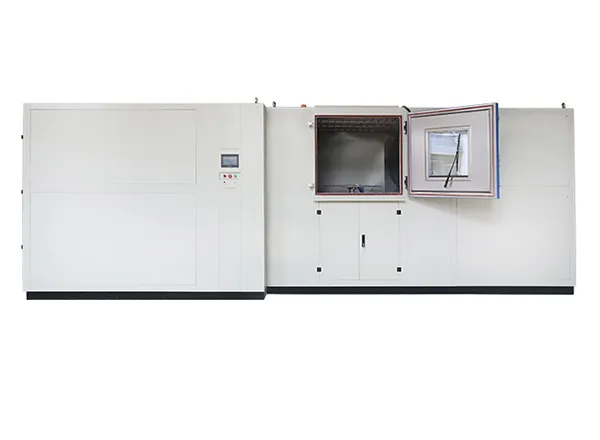 Blowing Sand and Dust Test Chamber for Outdoor Power Equipment: MIL-STD-810 Reliability Testing Guide
Outdoor power equipment is increasingly deployed in challenging environments such as solar farms, battery energy storage systems, EV charging networks, substations, mining facilities, and remote indus...
Blowing Sand and Dust Test Chamber for Outdoor Power Equipment: MIL-STD-810 Reliability Testing Guide
Outdoor power equipment is increasingly deployed in challenging environments such as solar farms, battery energy storage systems, EV charging networks, substations, mining facilities, and remote indus...
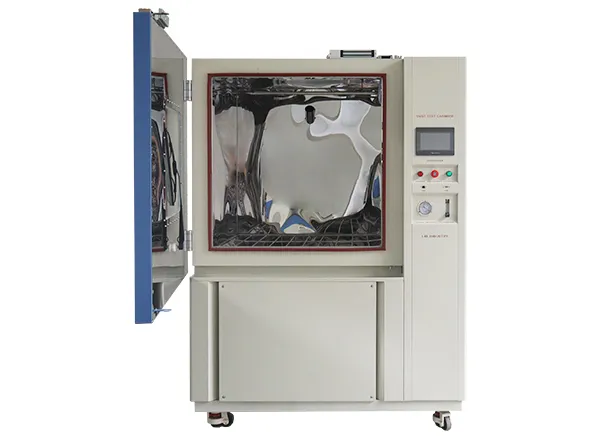 Dust Proof Chamber for ISO 20653 Vehicle Electronics
Automotive electronic systems operate in harsh environments where dust, sand, tire wear particles, and road debris can enter enclosures and affect performance. Dust contamination may lead to signal in...
Dust Proof Chamber for ISO 20653 Vehicle Electronics
Automotive electronic systems operate in harsh environments where dust, sand, tire wear particles, and road debris can enter enclosures and affect performance. Dust contamination may lead to signal in...
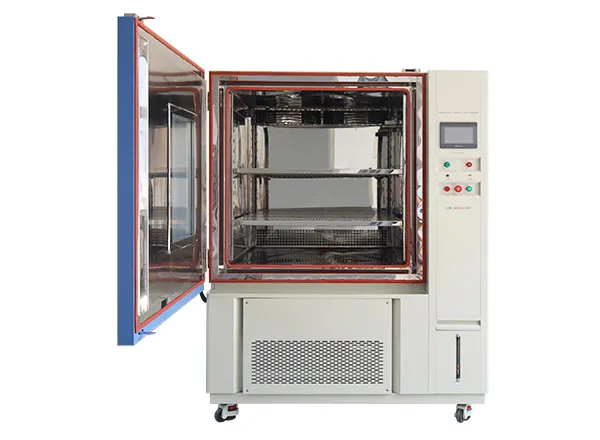 What is Accelerated Shelf Life Testing Equipment? A Complete Laboratory Guide
What is Accelerated Shelf Life Testing?Accelerated Shelf Life Testing (ASLT) is a laboratory technique used to estimate the lifespan of products by exposing them to intensified environmental condition...
What is Accelerated Shelf Life Testing Equipment? A Complete Laboratory Guide
What is Accelerated Shelf Life Testing?Accelerated Shelf Life Testing (ASLT) is a laboratory technique used to estimate the lifespan of products by exposing them to intensified environmental condition...
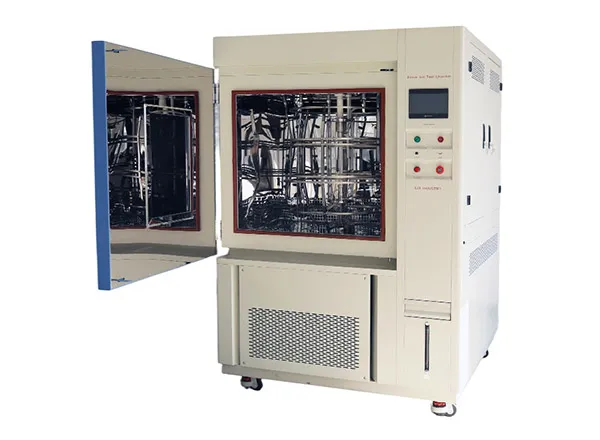 Xenon Weatherometer Hours: Understanding 500, 1000, and 2000 Hour Accelerated Weathering Tests
Learn what 500, 1000, and 2000 xenon weatherometer hours really mean. Understand ASTM G155, ISO 4892-2, exposure correlation, test interpretation, and how to evaluate accelerated weathering results accurately.
Xenon Weatherometer Hours: Understanding 500, 1000, and 2000 Hour Accelerated Weathering Tests
Learn what 500, 1000, and 2000 xenon weatherometer hours really mean. Understand ASTM G155, ISO 4892-2, exposure correlation, test interpretation, and how to evaluate accelerated weathering results accurately.
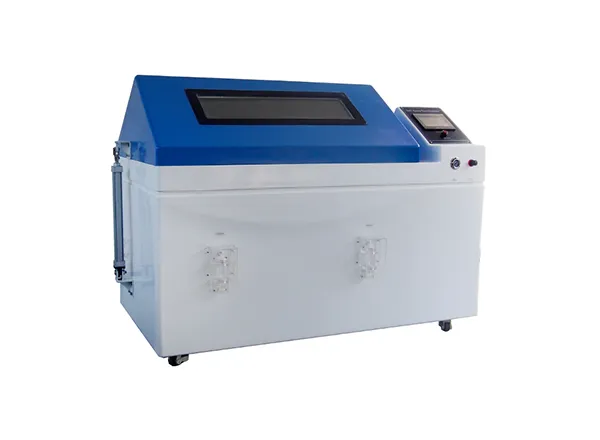 Salt Spray Testing for Marine Fasteners (ASTM B117 Guide for Corrosion Resistance Evaluation)
Marine fasteners, dock hardware, and coastal railings operate in one of the most aggressive corrosion environments: chloride-rich air combined with repeated wet-dry cycles. To evaluate their durabilit...
ASTM G154 Outdoor Furniture Testing: Prevent Fading, Cracking and Chalking
Outdoor furniture is expected to maintain its appearance and performance despite years of exposure to sunlight, rain, humidity, and temperature fluctuations. However, fading colors, chalking surfaces,...
Salt Spray Testing for Marine Fasteners (ASTM B117 Guide for Corrosion Resistance Evaluation)
Marine fasteners, dock hardware, and coastal railings operate in one of the most aggressive corrosion environments: chloride-rich air combined with repeated wet-dry cycles. To evaluate their durabilit...
ASTM G154 Outdoor Furniture Testing: Prevent Fading, Cracking and Chalking
Outdoor furniture is expected to maintain its appearance and performance despite years of exposure to sunlight, rain, humidity, and temperature fluctuations. However, fading colors, chalking surfaces,...
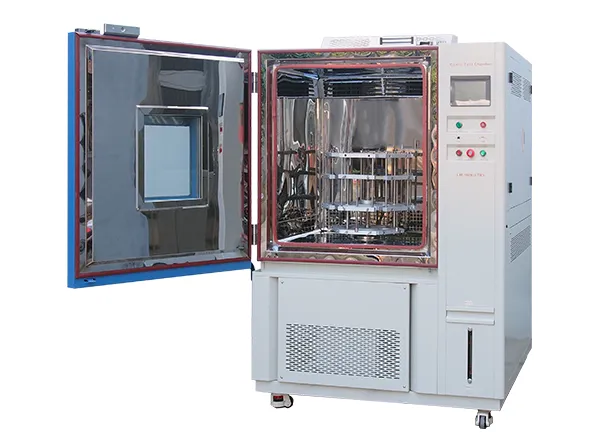 ASTM D1149 Ozone Test Chamber: Static vs Dynamic Elongation – How to Choose the Right Testing Method?
Why ASTM D1149 Ozone Testing Matters for Rubber DurabilityRubber and elastomer materials are widely used in automotive sealing systems, cable insulation, industrial hoses, and aerospace components. H...
ASTM D1149 Ozone Test Chamber: Static vs Dynamic Elongation – How to Choose the Right Testing Method?
Why ASTM D1149 Ozone Testing Matters for Rubber DurabilityRubber and elastomer materials are widely used in automotive sealing systems, cable insulation, industrial hoses, and aerospace components. H...
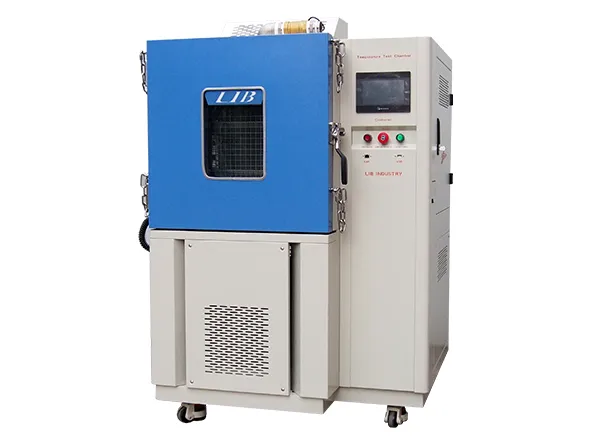 Battery Test Chambers for Extreme Climate Aging
-70°C to +170°C Environmental Simulation for EV, ESS & Drone Battery ValidationBattery failures rarely occur suddenly. In most cases, they begin with subtle and measurable changes—slightly incr...
Battery Test Chambers for Extreme Climate Aging
-70°C to +170°C Environmental Simulation for EV, ESS & Drone Battery ValidationBattery failures rarely occur suddenly. In most cases, they begin with subtle and measurable changes—slightly incr...
 What Is IEC 61215 MQT 10? Solar Climatic Chamber for PV Module UV Preconditioning
Photovoltaic modules spend decades exposed to sunlight, temperature fluctuations, humidity, and environmental contaminants. Among these factors, ultraviolet radiation is one of the primary causes of l...
What Is IEC 61215 MQT 10? Solar Climatic Chamber for PV Module UV Preconditioning
Photovoltaic modules spend decades exposed to sunlight, temperature fluctuations, humidity, and environmental contaminants. Among these factors, ultraviolet radiation is one of the primary causes of l...
 English
 русский
 français
 العربية
 Deutsch
 Español
 한국어
한국어 italiano
 tiếng việt
 ไทย
ไทย Indonesia
.webp "CO₂ Carbonation Curing Chamber Automation Kit")

.webp "340nm UV Light Aging Accelerated Machine For Glass Test")
.webp "Why Paint Bubbles Become Filiform Corrosion on Wheels")